


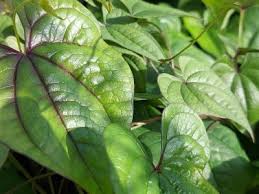
Dioscorea oppositifolia, commonly known as Chinese Yam or Shan Yao, is a perennial climbing vine that belongs to the Dioscoreaceae family. This plant is widely distributed throughout Asia, particularly in countries like China, Japan, Korea, and India.
Here, we will discuss a detailed botanical description of Dioscorea oppositifolia to help you better understand its physical characteristics.
Dioscorea oppositifolia is a vigorous and twining vine that can grow to impressive lengths, often reaching up to 10 meters or more. It uses its tendrils to cling to nearby structures or other vegetation for support.
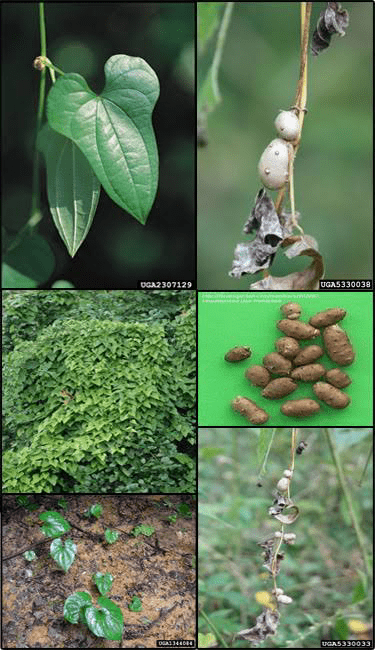
The leaves of Dioscorea oppositifolia are alternate, heart-shaped, and generally large, measuring between 5 to 10 cm in length. They have a glossy appearance and are characterized by prominent veins. The leaves are arranged in an opposite fashion along the stem, hence the species name “oppositifolia.”
The stem of this yam plant is green and slender, and it develops a twining growth habit as it climbs. As it matures, it becomes woody and can be quite thick.
Dioscorea oppositifolia produces small, inconspicuous flowers that are typically pale green to yellowish in color. These flowers are dioecious, meaning that individual plants are either male or female.
Male flowers are borne on one plant, while female flowers are on another. The flowering period varies by region but is generally observed during the summer months.
The fruits of Chinese Yam are small, spherical, and berry-like, measuring approximately 1 to 2 cm in diameter. They typically have a greenish or yellowish hue and contain one to three seeds. The fruits are not typically the primary part of the plant used for medicinal or culinary purposes.
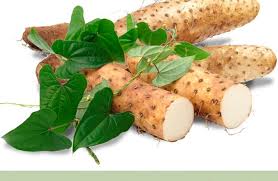
The most sought-after part of Dioscorea oppositifolia for its medicinal and culinary value is its tuberous root. These roots are cylindrical, elongated, and can grow quite large, often reaching lengths of 30 cm or more. They have a rough, brownish-gray exterior with white flesh inside. The roots are starchy and have a slightly sweet taste.
Chinese Yam is typically found in forested areas, along riverbanks, and in cultivated fields. It prefers well-drained, loamy soils and thrives in warm, humid climates.
Read Also: 14 Medicinal Health Benefits of Epimedium grandiflorum (Horny Goat Weed)
The Medicinal Health Benefits of Dioscorea oppositifolia (Chinese Yam)
1. Diabetes Management: Dioscorea oppositifolia has been used for centuries in traditional medicine to help regulate blood sugar levels. It contains compounds that may improve insulin sensitivity and reduce glucose absorption, making it beneficial for individuals with diabetes.
2. Digestive Health: This medicinal plant is known for its ability to support digestive health. It contains dietary fiber that aids in smooth digestion, prevents constipation, and promotes a healthy gut environment.
3. Immune System Boost: Dioscorea oppositifolia is a source of important vitamins and minerals, including vitamin C and zinc, which can help strengthen the immune system. Regular consumption may reduce the risk of infections and promote overall well-being.
4. Anti-Inflammatory Properties: The plant contains natural anti-inflammatory compounds that can help alleviate inflammation and related conditions, such as arthritis and joint pain.
5. Cardiovascular Health: Consuming Dioscorea oppositifolia may contribute to heart health by supporting healthy blood pressure levels and reducing cholesterol levels. It can help lower the risk of cardiovascular diseases.
6. Antioxidant Benefits: The presence of antioxidants in Dioscorea oppositifolia helps combat free radicals in the body, reducing oxidative stress and potentially lowering the risk of chronic diseases.
7. Skin Health: This medicinal plant is also known for its potential to enhance skin health. It may help improve skin elasticity, reduce signs of aging, and promote a radiant complexion.
8. Menopausal Symptom Relief: For women experiencing menopausal symptoms, Dioscorea oppositifolia may offer relief. It contains compounds that mimic estrogen, helping to alleviate hot flashes, mood swings, and other related discomforts.
Read Also: 10 Medicinal Health Benefits of Podocarpus henkelii (Henkel’s Yellowwood)
The Methods of Usage to Achieve the Provided Health Benefits of Dioscorea oppositifolia (Chinese Yam)
1. Culinary Use: Dioscorea oppositifolia can be prepared as a delicious and nutritious addition to your meals. It’s commonly used in Asian cuisine, especially in dishes like stir-fries, soups, and stews. The tuberous roots are peeled, sliced, and cooked to enhance their flavor and texture.
2. Herbal Remedies: Chinese Yam is often used in traditional herbal medicine. It can be dried and ground into a powder or used as a decoction to create herbal remedies. These remedies are believed to help with various health issues, including diabetes, digestive problems, and immune system support.
3. Dietary Supplements: For those looking for a convenient way to incorporate Dioscorea oppositifolia into their daily routine, dietary supplements are available. These supplements may come in the form of capsules, tablets, or powders, providing a concentrated dose of the plant’s beneficial compounds.
4. Topical Applications: In some traditional practices, Dioscorea oppositifolia is used topically. A poultice or paste made from the roots can be applied to the skin to address issues like skin irritation, inflammation, or minor wounds. However, it’s essential to use caution and seek guidance from a healthcare professional when using it in this manner.
5. Traditional Soups: In Chinese culture, soups made with Dioscorea oppositifolia are believed to have nourishing properties. These soups often combine the plant with other ingredients like Chinese wolfberries (goji berries) and dried scallops to create a nutritious and flavorful broth.
6. Roasted Snacks: In some regions, Dioscorea oppositifolia roots are roasted to make crunchy snacks. These roasted yam chips are a healthy alternative to traditional potato chips and provide a unique flavor experience.
The Side Effects of Using Dioscorea oppositifolia Medicinal Plant
1. Digestive Discomfort: Consuming large quantities of Dioscorea oppositifolia may lead to digestive discomfort, including diarrhea, stomach cramps, and bloating. This is especially true if the plant is not prepared or cooked properly.
2. Allergic Reactions: Some individuals may be allergic to Dioscorea oppositifolia or other plants in the Dioscorea family. Allergic reactions can manifest as skin rashes, itching, or even respiratory symptoms such as wheezing and difficulty breathing. If you suspect an allergy, seek medical attention immediately.
3. Interference with Medications: If you are taking medications to manage certain health conditions, it’s crucial to consult with a healthcare professional before adding Dioscorea oppositifolia to your diet. This plant may interact with medications, potentially affecting their effectiveness.
4. Gastrointestinal Issues: In some cases, Dioscorea oppositifolia can exacerbate existing gastrointestinal issues, particularly for individuals with sensitive digestive systems. It may lead to increased bowel movements or discomfort.
5. Hypoglycemia Risk: While Dioscorea oppositifolia is often used to help regulate blood sugar levels, excessive consumption without proper monitoring can lead to hypoglycemia (low blood sugar). Individuals with diabetes should use it cautiously and under medical supervision.
6. Toxic Varieties: It’s essential to ensure you are consuming the correct species of Dioscorea oppositifolia, as there are toxic varieties within the Dioscorea genus. Consuming the wrong species can have severe health consequences.
7. Pregnancy and Breastfeeding: Pregnant or breastfeeding women should exercise caution when using Dioscorea oppositifolia. Limited research is available on its safety during pregnancy, so consulting with a healthcare provider is advisable.
Nutritional Value of Dioscorea oppositifolia (Chinese Yam)
1. Carbohydrates: Chinese yam is rich in complex carbohydrates (up to 75% dry weight), providing a sustained energy source and supporting metabolic functions when consumed as a staple food.
2. Dietary Fiber: The tuber contains significant dietary fiber (3-4 g/100g), promoting digestive health, regulating blood sugar, and aiding in cholesterol management.
3. Proteins: It offers moderate protein content (1.5-2 g/100g), supplying essential amino acids for tissue repair and enzymatic functions.
4. Vitamin C: Chinese yam provides vitamin C (15-20 mg/100g), boosting immunity, supporting collagen formation, and acting as an antioxidant to combat oxidative stress.
5. Minerals: Rich in potassium (800 mg/100g), magnesium, and iron, it supports electrolyte balance, muscle function, and oxygen transport in the body.
6. Saponins: Contains steroidal saponins like diosgenin, which may support hormonal balance, reduce inflammation, and have potential cholesterol-lowering effects.
7. Flavonoids: These antioxidant compounds help neutralize free radicals, potentially reducing the risk of chronic diseases like cardiovascular conditions.
8. Polysaccharides: Mucilage polysaccharides contribute to immune support, gut health, and anti-inflammatory effects, often used in medicinal preparations.
9. Allantoin: This compound promotes skin healing and tissue regeneration, supporting traditional uses for wound care and skin health.
10. Phenolic Compounds: Phenolic acids provide antioxidant and anti-inflammatory benefits, protecting cells and supporting overall health.
Dioscorea oppositifolia, known as Chinese yam or Shan Yao, is a nutrient-dense tuber widely used as both a food and medicinal plant in Asian diets, valued for its energy-rich carbohydrates and bioactive compounds that support digestion, immunity, and general wellness.
Scientific Evidence and Case Studies on Dioscorea oppositifolia
1. Ma et al. (2017): This study investigated the hypoglycemic effects of Dioscorea oppositifolia polysaccharides in diabetic rats, finding significant reductions in blood glucose levels and improved insulin sensitivity, supporting its use in diabetes management (Ma, F., et al., 2017).
2. Zhang et al. (2019): Researchers evaluated the antioxidant activity of Chinese yam extracts, showing high phenolic and flavonoid content with strong free radical scavenging ability, indicating potential for reducing oxidative stress (Zhang, Z., et al., 2019).
3. Wang et al. (2008): The study demonstrated that diosgenin from Dioscorea oppositifolia exhibited anti-inflammatory effects in vitro by inhibiting pro-inflammatory cytokines, validating its traditional use for inflammatory conditions (Wang, T., et al., 2008).
4. Jiahua et al. (2022): This research explored the immunomodulatory effects of Chinese yam polysaccharides in mice, finding enhanced immune cell activity and cytokine production, supporting its role in boosting immunity.
Frequently Asked Questions About Dioscorea oppositifolia
1. What is Dioscorea oppositifolia used for?
It is used as a food in soups, stir-fries, or porridges and in traditional Chinese medicine for digestion, diabetes, fatigue, and respiratory health.
2. Is Dioscorea oppositifolia safe to eat?
Yes, the tuber is safe when cooked; raw yam may cause irritation due to oxalates, so peeling and cooking are recommended.
3. Can Dioscorea oppositifolia help with diabetes?
Studies suggest its polysaccharides and diosgenin may improve insulin sensitivity and lower blood sugar, supporting its use in diabetes management.
4. What nutrients are in Dioscorea oppositifolia?
It contains carbohydrates, fiber, proteins, vitamin C, minerals (potassium, magnesium), saponins, flavonoids, and phenolic compounds.
5. How is Dioscorea oppositifolia prepared?
The tuber is peeled, cooked (boiled, steamed, or stir-fried), or dried and powdered for use in dishes or medicinal teas.
6. Where does Dioscorea oppositifolia grow?
Native to East Asia, it thrives in temperate and subtropical regions, preferring well-drained, fertile soils.
7. Are there side effects of Dioscorea oppositifolia?
Rare, but raw consumption may cause skin or mouth irritation; excessive use in medicinal forms should be monitored by a professional.
8. Can Dioscorea oppositifolia support digestion?
Yes, its fiber and mucilage polysaccharides promote gut health, relieve constipation, and soothe digestive issues.
Do you have any questions, suggestions, or contributions? If so, please feel free to use the comment box below to share your thoughts. We also encourage you to kindly share this information with others who might benefit from it. Since we can’t reach everyone at once, we truly appreciate your help in spreading the word. Thank you very much for your support and for sharing!
Disclaimer: This article is for educational and informational purposes only. The health benefits described are based on scientific research and traditional knowledge. They are not a substitute for professional medical advice, diagnosis, or treatment. Always consult a healthcare professional before using any herb or natural remedy for medical purposes.
Read Also: Six Health Benefits of Sugarcane Juice