


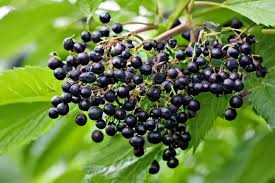
Elder, scientifically known as Sambucus, is a genus of flowering plants that includes various species, with the most common being Sambucus nigra (European elder) and Sambucus canadensis (American elder). These plants are revered for their traditional medicinal uses, culinary applications, and ornamental value.
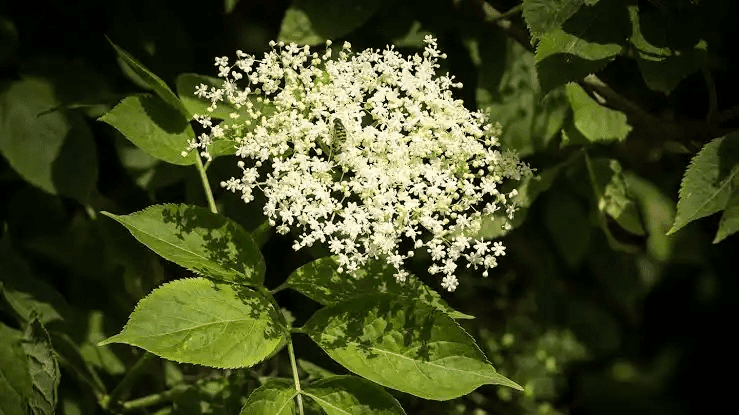
Elder plants are deciduous shrubs or small trees that can grow up to 10 meters in height. They have compound leaves, usually consisting of 5-9 leaflets, which are serrated along the edges. The plant produces small, creamy-white or yellowish flowers in umbrella-shaped clusters known as cymes.
The flowers have a distinct, pleasant fragrance and are rich in nectar, making them attractive to pollinators like bees. The fruits are small, dark purple to black berries that grow in clusters. They’re used to make elderberry products.
Elder has a long history of use in traditional medicine systems, including Native American, European, and Ayurvedic practices. The flowers are often used to make elderflower tea, believed to help with colds, respiratory issues, and inflammation.
Elderberries are used to create various remedies, as they are rich in antioxidants, vitamins, and flavonoids. Elderberry syrup is a popular natural remedy for boosting the immune system and relieving flu symptoms. Elderberries are also thought to have antiviral and anti-inflammatory properties.
Elderflowers are used to make beverages like elderflower cordial, which can be diluted with water or added to cocktails. The flowers are sometimes used in cooking and baking for flavoring. Elderberries are used to make jams, jellies, wines, and pies.
Elder plants are valued for their ornamental qualities, with their clusters of white flowers and dark berries adding aesthetic appeal to gardens and landscapes.
Some cultivars are selected for their unique foliage colors, like those with dark purple leaves. It’s important to note that while elderberries have various health benefits, consuming them raw or unprocessed can lead to toxicity due to the presence of cyanogenic glycoside. Proper preparation is essential to remove these toxins. Cooking, drying, or boiling elderberries eliminates the potential toxicity.
The Botanical Description of Elder
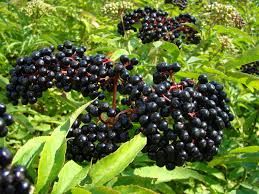
1. Life: Elder, scientifically known as Sambucus, encompasses several species of flowering plants known for their distinct characteristics. These deciduous shrubs or small trees are a part of the Adoxaceae family. The elder plant typically reaches a height of 10 to 30 feet, presenting a woody stem with pithy interiors.
2. Leaves and Foliage: The compound leaves of elder are arranged oppositely along the stems. Each leaf consists of several leaflets that radiate from a central point. The leaf margins may be toothed or serrated, contributing to the plant’s overall texture. The foliage is lush green during the growing season, providing a vibrant and attractive appearance.
3. Flowers: One of the most distinctive features of elder is its large, flat-topped clusters of tiny, creamy-white flowers. These clusters, known as corymbs, appear in late spring to early summer. The flowers possess a sweet fragrance, attracting pollinators like bees and butterflies. The bloom of elder flowers is not only visually appealing but also ecologically significant.
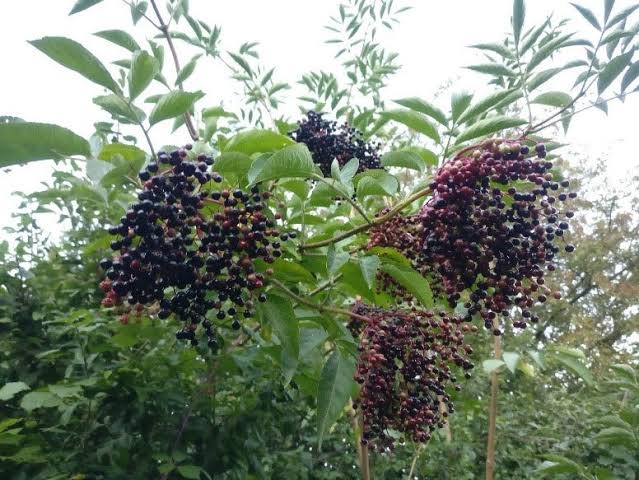
4. Fruits: Following the flowering stage, elder produces clusters of small, dark purple to black berries. These berries are not only visually striking but are also rich in antioxidants. The fruits are a crucial element in various culinary and medicinal applications, showcasing the versatility of the elder plant.
The Geographic Distribution of Elder
1. Native Range: Elder has a diverse geographic distribution, with different species found in various parts of the world. Common varieties include Sambucus nigra, native to Europe and North Africa, and Sambucus canadensis, native to North America. The adaptability of elder allows it to thrive in both temperate and subtropical regions.
2. Habitat Preferences: Elders are often found in a variety of habitats, including woodlands, meadows, and stream banks. They demonstrate a preference for well-drained soil and are capable of tolerating different soil types. This adaptability contributes to the widespread distribution of elder plants in both natural and cultivated environments.
3. Cultivation and Global Presence: Beyond their native ranges, elder plants are cultivated for ornamental, culinary, and medicinal purposes in many regions. The versatility of these plants has led to their integration into gardens and landscapes worldwide. Understanding the native habitats of elder species aids in successful cultivation and maintenance.
The Chemical Composition of Elder
1. Phytochemicals: Elder is rich in phytochemicals, including flavonoids, quercetin, and anthocyanins. These compounds contribute to the plant’s antioxidant properties, which are beneficial for human health. The presence of these phytochemicals also adds to the vibrant colors of elderberries and flowers.
2. Medicinal Compounds: Elder has a long history of traditional medicinal use. Its chemical composition includes compounds with potential anti-inflammatory and immune-boosting properties. Elderberry extracts are commonly used to support respiratory health and alleviate symptoms of the common cold and flu.
3. Culinary Applications: The chemical composition of elder extends to its culinary applications. The berries are used in the preparation of jams, jellies, and syrups, providing a unique and rich flavor. The flowers are used in beverages such as elderflower cordials and teas, showcasing the versatility of elder in the kitchen.
4. Toxic Compounds: While elderberries and flowers have numerous health benefits, it’s essential to note that certain parts of the plant, such as the leaves and stems, contain toxic compounds. Proper processing and preparation are crucial to eliminate these toxic elements, ensuring the safe consumption of elder products.
Nutritional Value of Elderberry
1. Vitamin C: Elderberries are high in vitamin C, with approximately 52 mg per cup, supporting immune health, tissue repair, and antioxidant activity to combat oxidative stress.
2. Anthocyanins: These polyphenolic compounds give elderberries their dark purple color and provide strong antioxidant effects, potentially reducing inflammation and protecting against cellular damage.
3. Flavonols: Elderberries contain flavonols like quercetin and kaempferol, which offer antioxidant and anti-inflammatory benefits, supporting heart health and immune function.
4. Dietary Fiber: With about 10 grams per cup, elderberries provide dietary fiber, aiding digestion, promoting gut health, and supporting regular bowel movements.
5. Phenolic Acids: These antioxidants in elderberries help neutralize free radicals, potentially reducing the risk of chronic diseases like cardiovascular issues.
6. Minerals: Elderberries include minerals such as potassium and iron, which support muscle function, oxygen transport, and overall metabolic health.
7. Vitamin A: Present in smaller amounts, vitamin A in elderberries supports vision, skin health, and immune system function.
8. Vitamin B6: This vitamin aids in energy metabolism and brain health, contributing to the overall nutritional value of elderberries.
9. Organic Acids: Elderberries contain organic acids like citric and malic acid, which may support digestion and enhance the bioavailability of other nutrients.
10. Proteins and Amino Acids: While not a primary source, elderberries provide small amounts of proteins and amino acids, supporting tissue repair and metabolic processes.
Read Also: Rice Roots: Economic Importance, Uses and By-Products
The Medicinal Health Benefits of Elder (Sambucus)
1. Immune Support: Elderberries are known for their immune-boosting properties due to their high content of antioxidants and vitamins. They can help the body defend against infections and support overall immune system function.
Elderberry syrup is often used as a natural remedy to help alleviate symptoms of the common cold and flu. Its antioxidant-rich nature is believed to shorten the duration and severity of illness.
2. Anti-Inflammatory Effects: Both elderflower and elderberry extracts contain compounds with anti-inflammatory properties that can help reduce inflammation in the body. Elderflower tea or extract might be used to soothe inflammatory conditions such as arthritis, by helping to alleviate joint pain and discomfort.
3. Respiratory Health: Elderflowers have been traditionally used to address respiratory issues, such as congestion, coughs, and bronchitis. Inhaling steam infused with elderflower can provide relief from nasal congestion and ease breathing difficulties, particularly during the cold and allergy seasons.
4. Antiviral Activity: Elderberries contain compounds that may inhibit certain viruses from replicating, potentially reducing the severity of viral infections. Research suggests that elderberry extracts could help reduce the severity and duration of symptoms in cases of influenza, thanks to their antiviral properties.
5. Skin Health: Elderflower extracts are sometimes used in skincare products due to their potential to soothe irritated skin and promote a healthy complexion. Elderflower-infused creams or ointments may be applied topically to soothe skin conditions like eczema or minor burns.
6. Digestive Support: Elderberry and elderflower teas have been used to address digestive issues, including indigestion and constipation. Consuming elderflower tea after a heavy meal could aid in digestion and alleviate discomfort associated with bloating or indigestion.
7. Antioxidant Properties: Elderberries are rich in antioxidants, which can help protect cells from damage caused by free radicals and support overall health. Including elderberries in your diet may contribute to reducing oxidative stress, potentially lowering the risk of chronic diseases like heart disease and cancer.
8. Heart Health: Some studies suggest that elderberries may have a positive impact on heart health by helping to lower blood pressure and improve cholesterol levels. Incorporating elderberries into a heart-healthy diet might contribute to maintaining cardiovascular wellness.
The Methods of Usage to Achieve the Provided Medicinal Health Benefits of Elder (Sambucus)
1. Immune Support: Take elderberry syrup as a daily supplement during cold and flu seasons. Follow the recommended dosage on the product label. The high antioxidants and vitamins in elderberries can help enhance the immune system’s response to infections.
2. Anti-Inflammatory Effects: Brew elderflower tea by steeping dried elderflowers in hot water for about 10-15 minutes. Drink the tea 2-3 times a day. The anti-inflammatory compounds in elderflower can help reduce inflammation associated with conditions like arthritis.
3. Respiratory Health: Add dried elderflowers to a bowl of hot water. Cover your head with a towel and inhale the steam for about 10 minutes. Inhaling elderflower steam can provide relief from congestion, coughs, and bronchial discomfort.
4. Antiviral Activity: Consume elderberry extract in the form of syrup, capsules, or gummies. Follow the dosage instructions provided by the manufacturer. Elderberry’s antiviral properties may help reduce the severity and duration of viral infections like the flu.
5. Skin Health: Infuse dried elderflowers in a carrier oil (such as coconut or jojoba) for a few weeks. Apply the infused oil to irritated skin as needed. Elderflower-infused oil can soothe skin irritations, minor burns, and promote healthy skin.
6. Digestive Support: Drink elderflower tea after meals to aid digestion. Steep dried elderflowers in hot water for 10-15 minutes before consuming. Elderflower tea can help alleviate indigestion, bloating, and other digestive discomforts.
7. Antioxidant Properties: Incorporate fresh or frozen elderberries into your diet by adding them to smoothies, oatmeal, or yogurt. Regular consumption of elderberries can provide a boost of antioxidants, supporting overall health.
8. Heart Health: Prepare dishes using elderberries, such as jams, jellies, or sauces, and incorporate them into a balanced diet. Elderberries’ potential positive effects on blood pressure and cholesterol levels can contribute to heart health.
The Scientific Research and Studies of Elder (Sambucus)
1. Influenza Symptom Reduction: Zakay-Rones et al. (1995) found that an elderberry extract reduced the severity and duration of influenza B symptoms in a small clinical trial, supporting its traditional use for flu relief.
2. Cold Symptom Relief in Air Travelers: Tiralongo et al. (2016) showed that elderberry supplementation (300 mg extract capsules) reduced cold duration and symptom severity in air travelers, suggesting immune-supporting benefits.
3. Antiviral and Antioxidant Effects: Porter and Bode (2017) reviewed elderberry’s antiviral properties, noting its ability to inhibit influenza virus replication and its antioxidant effects, which may support immune health.
4. Antibacterial Activity: Młynarczyk et al. (2018) demonstrated that elderberry flower and berry extracts inhibited growth of nosocomial pathogens like MRSA, supporting its use for bacterial infections.
5. Anti-inflammatory and Anticancer Potential: Zielińska-Wasielica et al. (2023) found that elderberry flower and fruit extracts reduced inflammation and showed anticancer effects in vitro, particularly against breast cancer cells, due to their high polyphenol content.
Read Also: 12 Medicinal Health Benefits of Florida watercress (Nasturtium floridanum)
The Side Effects of Using Elder Medicinal Plant
1. Gastrointestinal Distress: Consuming unripe or raw elderberries can lead to gastrointestinal symptoms such as nausea, vomiting, and diarrhea due to the presence of compounds that may be toxic when not properly prepared.
2. Allergic Reactions: Some individuals may be allergic to elderflowers or elderberries. Allergic reactions can manifest as skin rashes, itching, swelling, or difficulty breathing.
3. Interactions with Medications: Elderberries and elderflower products can potentially interact with certain medications, especially immunosuppressive drugs or medications that affect the immune system. Consult a healthcare professional if you’re taking medications.
4. Diuretic Effects: Elderflower teas or supplements may have diuretic effects, which means they can increase urine production. This might impact individuals who are sensitive to diuretics or have certain medical conditions.
5. Blood Sugar Levels: Elderberries and elderflower products might affect blood sugar levels. If you have diabetes or are on medications that affect blood sugar, monitor your levels closely if consuming elder plant products.
6. Pregnancy and Breastfeeding: Limited research is available on the safety of using elder products during pregnancy and breastfeeding. It’s advisable to consult a healthcare professional before using elder plant products during these periods.
7. Toxicity: As mentioned earlier, consuming unripe or improperly prepared elderberries can lead to cyanogenic glycoside toxicity, causing symptoms such as nausea, vomiting, and dizziness.
8. Children: Elderberry products are not recommended for infants and young children due to the potential risks of toxicity and allergic reactions.
The Safety Precautions and Recommendations In Using Elder Medicinal Plant
1. Understanding Dosage: It is crucial to approach the use of elder with a clear understanding of recommended dosage. While elder has a rich history of traditional medicinal use, excessive consumption may lead to adverse effects. Consulting with a healthcare professional is advisable to determine an appropriate and safe dosage based on individual health factors.
2. Potential Allergic Reactions: As with any herbal remedy, individuals may exhibit allergic reactions to elder. It is essential to be aware of any known allergies to plants within the Adoxaceae family, to which elder belongs. Commencing with a small dose and monitoring for any adverse reactions can help identify and prevent potential allergies.
3. Preparation Methods: Proper preparation of elder products is vital for safety. Certain parts of the elder plant, such as the leaves and stems, contain toxic compounds. Only using the ripe berries and flowers in culinary or medicinal preparations, and following recommended processing methods, ensures the elimination of harmful elements.
4. Interaction with Medications: Elder may interact with certain medications or pre-existing health conditions. Individuals taking prescribed medications should consult with their healthcare provider before incorporating this medicinal plant into their health regimen. This precaution ensures there are no unwanted interactions that could compromise health.
5. Pregnancy and Lactation: Pregnant or lactating individuals should exercise caution when considering the use of elder. Limited research is available on the effects of this medicinal plant during pregnancy, so consulting with a healthcare professional is advisable to ensure the safety of both the mother and the baby.
6. Quality of Source: The efficacy of herbal remedies is closely tied to the quality of the source. Ensure that elder products are obtained from reputable suppliers who adhere to quality standards. This includes verifying the cultivation methods, harvesting practices, and any additional processing undergone by the plant.
7. Monitoring Side Effects: Regular monitoring for any side effects is essential when using elder. Common side effects may include gastrointestinal discomfort or mild allergic reactions. If any adverse effects persist or worsen, it is advisable to discontinue use and seek medical attention.
FAQs About Elder Medicinal Plant
1. Can Elder be Used for Children?
While elder has historical uses in traditional medicine, it is recommended to consult with a pediatrician before administering it to children. Dosage and safety considerations may differ for younger individuals.
2. Are There Any Known Drug Interactions with Elder?
Yes, elder may interact with certain medications. It’s crucial to consult with a healthcare professional to avoid potential interactions, especially if one is currently taking prescribed medications.
3. How Long Does It Take to Experience the Medicinal Benefits?
The time it takes to experience the benefits of elder can vary among individuals. Factors such as dosage, frequency of use, and individual health conditions contribute to the variability. It’s recommended to be patient and consistent with usage for optimal results.
4. Can Elder Replace Prescription Medications?
Elder is not a substitute for prescription medications. It’s essential to consult with a healthcare provider before making any changes to an existing medication regimen. The plant can complement conventional treatments but should not be used as a sole alternative.
5. Is Elder Safe for Long-Term Use?
Limited research is available on the long-term use of elder. It’s advisable to use it under the guidance of a healthcare professional and to periodically reassess its continued suitability for individual health needs.