


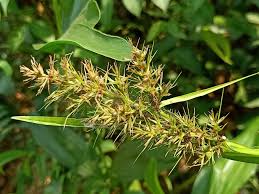
Scleria sumatrensis, commonly known as “Sumatran Sedge,” is a plant species belonging to the family Cyperaceae. It is native to Southeast Asia, including countries like Indonesia, Malaysia, Thailand, and the Philippines. This plant is recognized for its various medicinal uses and has been traditionally utilized by local communities for its therapeutic properties.
Scleria sumatrensis is a perennial herbaceous plant that typically grows in wetland habitats, such as marshes, swamps, and along the edges of water bodies. It is a member of the sedge family and shares certain visual characteristics with grasses and rushes.
The plant produces erect or ascending stems that can reach a height of about 30 to 60 cm (12 to 24 inches). The stems are often triangular in cross-section, a common trait among sedges, and they may have a reddish-brown coloration.
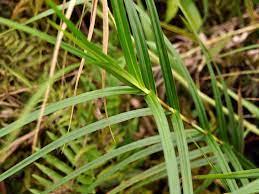
The leaves of Scleria sumatrensis are typically narrow and grass-like. They alternate along the stems and have a sheathing base that partially surrounds the stem.
The inflorescence of the plant is composed of compact clusters of small flowers. These flower clusters are called spikelets and are arranged in a branching pattern along the stem. The color of the spikelets can vary but is often brownish or reddish.
Read Also: Chickpea/Gram Pea Hypocotyl: Economic Importance, Uses and By-Products
The Medicinal Health Benefits of Scleria sumatrensis (Sumatran Sedge)
Scleria sumatrensis has a history of being used in traditional medicine by indigenous communities in its native range. It is believed to possess various medicinal properties, and different parts of the plant are used to treat a range of ailments.
Some of its traditional medicinal uses include:
1. Anti-Inflammatory Effects: Scleria sumatrensis is believed to possess anti-inflammatory properties, which could make it useful in reducing inflammation and associated discomfort. For example, poultices or extracts made from the plant might be applied topically to swollen joints or inflamed skin to alleviate symptoms of conditions like arthritis or dermatitis.
2. Antioxidant Activity: The plant may contain antioxidants, compounds that help neutralize harmful free radicals in the body and reduce oxidative stress. These antioxidants can contribute to overall well-being and potentially lower the risk of chronic diseases. An example of this benefit could be seen in the support of skin health, as antioxidants may help protect the skin from damage caused by environmental factors.
3. Pain Relief: Scleria sumatrensis might have analgesic properties, making it useful for pain relief. Traditional applications might include using the plant to create balms or ointments for massaging sore muscles or applying to areas of discomfort. This could be especially relevant for individuals experiencing muscle strain or mild injuries.
4. Wound Healing: Some traditional uses of Scleria sumatrensis involve applying its extracts to wounds or cuts. The plant’s potential antimicrobial and anti-inflammatory effects could contribute to wound healing by preventing infections and reducing inflammation at the site of injury.
5. Gastrointestinal Discomfort: In traditional medicine, Scleria sumatrensis has been used to address gastrointestinal issues such as stomachaches or indigestion. Its mild anti-inflammatory and soothing properties might help alleviate digestive discomfort, similar to how some herbal teas are used for soothing upset stomachs.
6. Anti-Allergic Properties: There are suggestions that Scleria sumatrensis may possess anti-allergic effects. In traditional contexts, it might be used to alleviate symptoms associated with allergies, such as skin rashes or itching, though more research is needed to validate this potential benefit.
7. Traditional Wound Dressing: In some cultures, Scleria sumatrensis has been used as a wound dressing due to its absorbent and protective qualities. The plant fibers or materials derived from the plant could help keep wounds clean and shielded from external contaminants.
8. Traditional Relaxation and Wellness: In certain traditional practices, Scleria sumatrensis might be used to promote relaxation and overall wellness. This could involve incorporating the plant into rituals or practices aimed at reducing stress and enhancing mental clarity.
Read Also: The Potentials and Constraints to Pig Production in Developing Countries
The Methods of Usage to Achieve the Provided Health Benefits of Scleria sumatrensis (Sumatran Sedge)
While traditional uses of Scleria sumatrensis suggest various medicinal benefits, it’s important to note that detailed scientific studies on its methods of usage and their effectiveness might be limited. It’s advisable to consult a qualified healthcare professional before trying any of these methods, especially if you have underlying health conditions or are on medication.
Topical Application for Inflammation and Pain Relief: To address inflammation, swelling, or mild pain in muscles or joints, a poultice or compress can be made using Scleria sumatrensis. Grind or crush fresh or dried parts of the plant (leaves, stems, or roots) to create a paste. Apply this paste directly to the affected area and cover it with a clean cloth or bandage. Leave it on for a period of time and repeat as needed.
Infusions or Extracts for Antioxidant and Digestive Benefits: Preparing infusions (herbal teas) or extracts from Scleria sumatrensis might help harness its potential antioxidant and mild digestive benefits. Boil water and pour it over dried Scleria sumatrensis parts (leaves or stems). Allow it to steep for several minutes, then strain and drink the herbal tea. This could be consumed as a mild tonic for overall well-being or to soothe minor digestive discomfort.
Wound Dressing and Skin Applications: Utilizing Scleria sumatrensis for wound care and skin issues involves creating protective and possibly antimicrobial coverings. Clean the wound and apply a poultice made from the plant’s crushed or ground parts directly onto the wound or affected skin area. Secure it with a clean cloth or bandage. This could promote healing and protect against infections.
Herbal Bath for Relaxation: Incorporating Scleria sumatrensis into a herbal bath might provide a soothing and relaxing experience. Prepare a large quantity of the plant by crushing or grinding its parts. Add this to a warm bath and let it steep for a while. Soak in the bath to potentially benefit from the plant’s relaxing properties.
Traditional Herbal Preparation: Traditional medicine might involve the creation of herbal preparations, such as balms or oils, for external application. Infuse Scleria sumatrensis parts in a carrier oil (such as coconut oil) over a period of time. Strain the oil and use it for massages or topical applications to address various concerns like pain, inflammation, or skin issues.
Remember, the methods mentioned here are based on traditional practices and anecdotal information. Scientific research might provide more accurate and evidence-based guidance on the most effective methods of utilizing Scleria sumatrensis for specific health benefits. Always consult with a healthcare professional before trying any new herbal remedies, especially if you have allergies, sensitivities, or pre-existing medical conditions.
The Side Effects of Using Scleria sumatrensis Medicinal Plant
There is limited scientific information available regarding the potential side effects of using Scleria sumatrensis. This lack of information is partly due to the fact that the plant’s traditional uses have not been extensively studied in clinical trials. However, it’s important to approach any herbal remedy or plant-based treatment with caution, as individual reactions can vary.
Here are a few general considerations:
1. Allergic Reactions: Some individuals might be allergic to Scleria sumatrensis or other plants in the same family (Cyperaceae). Allergic reactions can range from mild skin irritation to more severe symptoms like itching, swelling, and difficulty breathing. If you have known allergies to plants or pollen, it’s advisable to exercise caution when using or coming into contact with Scleria sumatrensis.
2. Skin Sensitivity: When applying plant-based products topically, there is a possibility of skin irritation or sensitization, especially if you have sensitive skin. It’s recommended to perform a patch test before applying any Scleria sumatrensis preparation over a larger area of skin.
3. Drug Interactions: While specific drug interactions with Scleria sumatrensis are not well-documented, it’s always a good practice to consult a healthcare professional before using herbal remedies, especially if you are taking prescription medications or have underlying health conditions. There’s a potential for interactions, particularly with substances that affect blood clotting, blood pressure, or the liver.
4. Gastrointestinal Upset: Some herbal remedies, when ingested, can cause gastrointestinal upset in sensitive individuals. If you experience digestive discomfort, such as nausea, vomiting, or diarrhea, after consuming Scleria sumatrensis preparations, discontinue use and seek medical advice.
5. Pregnancy and Breastfeeding: Pregnant and breastfeeding individuals should exercise caution when using herbal remedies, including Scleria sumatrensis. Limited information is available about the safety of this plant during these periods, so it’s best to avoid using it without consulting a healthcare professional.
6. Dosage and Duration: Traditional herbal remedies often lack standardized dosages and durations of use. Using excessive amounts of Scleria sumatrensis or using it for extended periods without professional guidance may increase the risk of adverse effects.
7. Lack of Regulation: Herbal remedies like Scleria sumatrensis are not regulated in the same way as pharmaceutical drugs. Quality, purity, and potency can vary among different products, so it’s important to obtain herbal products from reputable sources.
To minimize the risk of side effects, consider the following steps:
1. Consult a qualified healthcare professional before using Scleria sumatrensis, especially if you have underlying health conditions, are taking medications, or are pregnant or breastfeeding.
2. Perform a patch test before applying any plant-based product topically.
3. Start with a low dosage and observe your body’s response before increasing the amount.
4. If you experience any adverse effects, discontinue use and seek medical attention if necessary.
Nutritional Value of Scleria Sumatrensis (Sumatran Sedge)
1. Carbohydrates: Scleria sumatrensis, as a sedge plant, primarily consists of carbohydrates in its stems and roots, providing a basic energy source similar to other wetland grasses, though specific quantities are not well-documented.
2. Dietary Fiber: The fibrous nature of the plant contributes to dietary fiber content, which may aid digestion and promote gut health when consumed in traditional preparations.
3. Flavonoids: These antioxidant compounds, potentially present in the leaves and stems, help combat free radicals and reduce oxidative stress, supporting overall cellular health.
4. Phenolic Compounds: Phenolics in Scleria species offer antioxidant benefits, potentially protecting against inflammation and chronic diseases.
5. Tannins: Found in the roots and bark, tannins provide astringent properties that may support wound healing and reduce microbial activity.
6. Saponins: These compounds, common in sedges, may enhance immune function and have potential antimicrobial effects based on related species.
7. Trace Minerals: The plant likely contains minor amounts of minerals like potassium and calcium from wetland soils, supporting metabolic functions, though not in significant quantities.
8. Vitamins: Trace vitamins such as vitamin C may be present in the leaves, contributing to immune support and antioxidant activity.
9. Alkaloids: Potential alkaloids in the roots could offer anti-inflammatory benefits, aligning with traditional medicinal uses.
10. Proteins: Small amounts of protein in the seeds and stems support basic tissue repair, though it is not a primary source.
Scientific Evidence and Case Studies on Scleria Sumatrensis
1. Burkill et al. (1935): Burkill’s comprehensive work on useful plants in the Malay Peninsula documented the traditional use of Scleria sumatrensis roots in a decoction mixed with other plants to treat gonorrhea, attributing potential antimicrobial properties to its compounds.
Frequently Asked Questions About Scleria Sumatrensis
1. What is Scleria Sumatrensis?
Scleria sumatrensis, commonly known as Sumatran sedge or nutrush, is a perennial sedge plant in the Cyperaceae family, native to tropical Asia and wetlands.
2. Where does Scleria sumatrensis grow?
It grows in wetlands, swamps, and seasonally dry tropical areas from Seychelles and Hainan to tropical Asia and northern Australia, often considered a noxious weed in Borneo.
3. How is Scleria sumatrensis used in traditional medicine?
In Peninsular Malaysia, a decoction of its roots mixed with Pandanus, Areca catechu roots, and red chilies is used to treat gonorrhea.
4. What are the potential health benefits of Scleria sumatrensis?
Traditional uses suggest antimicrobial properties for treating infections like gonorrhea, but scientific evidence is limited and unproven.
5. Is Scleria sumatrensis edible?
It is not commonly consumed as food; its primary use is medicinal, and parts like roots are prepared in decoctions, but safety data is lacking.
6. Are there any risks associated with Scleria sumatrensis?
As a weed with limited studies, potential toxicity or allergic reactions are unknown; consult a healthcare provider before use, especially for medicinal purposes.
7. Why is Scleria sumatrensis considered a weed?
It invades wetlands and competes with crops in Borneo, spreading rapidly and reducing biodiversity in agricultural areas.
8. Can Scleria sumatrensis be cultivated?
It grows naturally in tropical wetlands but is not typically cultivated due to its weedy nature; it thrives in moist, shaded conditions.
Do you have any questions, suggestions, or contributions? If so, please feel free to use the comment box below to share your thoughts. We also encourage you to kindly share this information with others who might benefit from it. Since we can’t reach everyone at once, we truly appreciate your help in spreading the word. Thank you very much for your support and for sharing!
Disclaimer: This article is for educational and informational purposes only. The health benefits described are based on scientific research and traditional knowledge. They are not a substitute for professional medical advice, diagnosis, or treatment. Always consult a healthcare professional before using any herb or natural remedy for medical purposes.