


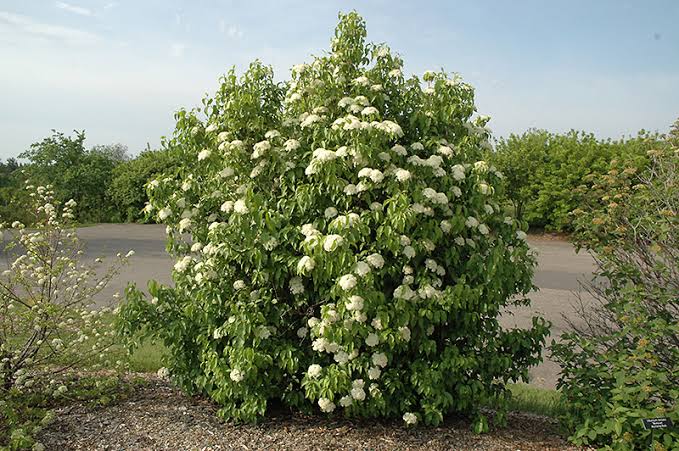
Viburnum lentago, commonly known as Nannyberry, is a versatile and attractive deciduous shrub or small tree native to North America. This plant is a member of the Adoxaceae family and is highly regarded for its ornamental qualities, wildlife value, and various practical uses. In this five-paragraph description,
Nannyberry is known for its exceptional physical characteristics. It typically reaches a height of 15 to 30 feet, with a spreading, multi-stemmed growth habit. The leaves are simple, opposite, and ovate with serrated margins. During the growing season, they are a deep green color, turning various shades of red, orange, or purple in the fall, offering a stunning display of autumn foliage.
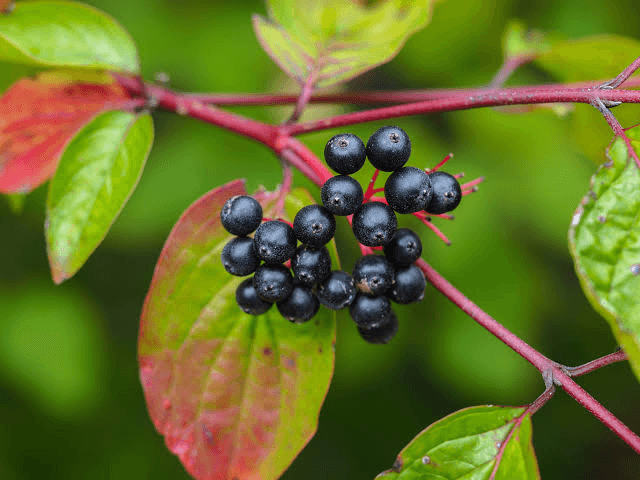
The plant produces fragrant, flat-topped clusters of white flowers in late spring, which give way to clusters of small, pea-sized berries that transition from green to deep purple-black when ripe. These berries are a vital food source for wildlife, particularly birds.
Viburnum lentago can be found in a variety of habitats across North America, making it a widespread and adaptable species. Its range spans from eastern Canada to the central and eastern United States. Nannyberry prefers well-drained soils and is often found in woodlands, thickets, and along riverbanks.
It is a species that can tolerate a range of soil conditions, which contributes to its wide distribution. This adaptability has allowed it to thrive in diverse ecosystems, from moist, lowland areas to drier upland regions.
Nannyberry plays a significant role in the ecological balance of the ecosystems it inhabits. One of its most notable contributions is as a food source for wildlife.
The dark berries produced by Viburnum lentago are eagerly consumed by a variety of birds, including cedar waxwings, robins, and sparrows. This not only provides these birds with essential nutrition, but it also aids in seed dispersal. The shrub’s flowers attract pollinators, such as bees and butterflies, further contributing to the biodiversity of its habitat.
Additionally, Viburnum lentago provides shelter and nesting sites for various species of birds due to its dense foliage and branching structure. It contributes to the stability and overall health of ecosystems by preventing soil erosion, acting as a windbreak, and enhancing the soil with its organic matter as leaves and fruit drop.
Beyond its ecological importance, Viburnum lentago also has cultural and historical significance. Indigenous peoples in North America have used various parts of the Nannyberry plant for centuries. The fruit has been consumed fresh, dried, or used in cooking, and the bark and roots have been utilized for medicinal purposes.
It is considered a valuable plant for its versatility in traditional medicine and as a food source. The bark, in particular, was employed for its astringent and healing properties.
In contemporary landscaping, Viburnum lentago is a popular choice for ornamental plantings. Its beautiful foliage, attractive flowers, and striking berries make it an excellent addition to gardens and natural landscapes. The plant’s adaptability to different soil types and its low maintenance requirements make it a preferred choice for both homeowners and professional landscapers.
While Viburnum lentago is not considered endangered or threatened, it is still important to consider conservation practices for this species. The loss of habitat due to urbanization and land development can affect its populations, as well as the populations of the wildlife that rely on it for food and shelter. Landowners and conservation organizations can contribute to the protection of Nannyberry by preserving and restoring its natural habita
Viburnum lentago, or Nannyberry, is a valuable and versatile shrub/tree with significant ecological and cultural importance. Its adaptability, ornamental qualities, and role as a wildlife resource make it a notable addition to North American landscapes.
As we continue to appreciate and understand the ecological and cultural significance of this species, we can work towards its conservation and sustainable management to ensure that future generations can also enjoy the benefits it provides.
The Botanical Description of Viburnum lentago
Viburnum lentago, commonly known as nannyberry or sweet viburnum, is an enchanting deciduous shrub or small tree that belongs to the Adoxaceae family. Its botanical characteristics set it apart in the plant kingdom. In this section, we will delve into the botanical description of Viburnum lentago, providing insight into its size, leaves, flowers, and other defining features.
1. Size and Structure: Viburnum lentago typically grows to be a small to medium-sized tree, reaching heights of 15 to 20 feet (4.5 to 6 meters) in a tree form, while it remains more compact as a shrub. Its growth habit is upright and often multi-stemmed, with slender branches. The tree’s canopy is dense, making it a charming addition to landscapes.
2. Leaves: The leaves of Viburnum lentago are opposite, simple, and ovate or elliptical in shape. They are dark green in color, measuring 2 to 4 inches (5 to 10 cm) in length. In the fall, the leaves turn various shades of red, purple, or burgundy, adding to the tree’s aesthetic appeal.
3. Flowers: Nannyberry produces clusters of small, white, fragrant flowers in late spring. These delicate blossoms are loved by pollinators, including bees and butterflies, and contribute to the shrub’s ornamental value.
4. Fruits: One of the distinctive features of Viburnum lentago is its fruit, which is a small, oval, and fleshy drupe that turns from green to dark purple or black when ripe. These berries are edible and enjoyed by birds and wildlife.
5. Bark: The bark of the nannyberry tree is dark gray to brown and often becomes scaly or fissured with age, adding character to the plant’s appearance.
6. Roots: Beneath the soil, Viburnum lentago develops a network of fibrous roots that help anchor the tree and absorb water and nutrients.
7. Habitat and Range: Viburnum lentago is native to eastern North America, where it thrives in a variety of habitats, including woodlands, forest edges, and along streams. It is well adapted to various soil types.
8. Ecological Role: The berries of Viburnum lentago are an important food source for many species of birds, including cedar waxwings and thrushes. They contribute to the biodiversity of the areas where the shrub is found.
Viburnum lentago’s attractive foliage, fragrant blossoms, and abundant berries make it a beloved choice for gardeners and a valuable resource for wildlife.
The Geographic Distribution of Viburnum lentago
Viburnum lentago, known as nannyberry or sweet viburnum, is a plant of enchanting beauty that thrives in specific geographic regions. Understanding where this shrub can be found provides valuable insights into its adaptability and ecological significance. Here, we will list and explain the geographic distribution of Viburnum lentago.
1. North America: Viburnum lentago is native to eastern North America, where it can be found in a wide range of locations, from eastern Canada to the southeastern United States. It is particularly prevalent in the Great Lakes region.
2. Habitat Preference: Nannyberry thrives in a variety of habitats, including deciduous woodlands, forest edges, riparian zones, and areas with well-drained soils. It is often found along stream banks and in moist, fertile sites.
3. Range Expansion: Viburnum lentago’s range extends from the Atlantic Coast to the central United States and as far west as the Great Plains. It is adaptable to different climatic conditions and soil types.
4. Conservation Status: Nannyberry is not considered globally threatened, and its populations are generally stable. However, local factors such as habitat alteration and urban development can affect specific populations.
The geographic distribution of Viburnum lentago highlights its adaptability and ecological importance in various ecosystems across eastern North America. Its presence enriches biodiversity and offers a source of nourishment to both wildlife and humans.
The Chemical Composition of Viburnum lentago
Viburnum lentago, the nannyberry or sweet viburnum, possesses a unique chemical composition that contributes to its characteristics and potential uses. From phytochemicals to nutritional components, this section will list and explain the chemical composition of Viburnum lentago.
1. Nutritional Value: The fruits of Viburnum lentago are edible and provide a good source of vitamins, including vitamin C, as well as essential minerals such as potassium.
2. Antioxidants: The berries contain antioxidants, particularly vitamin C and various phytochemicals. These compounds play a crucial role in protecting the plant’s cells from oxidative damage and contribute to its overall health benefits.
3. Tannins: Nannyberry berries may contain tannins, which contribute to their astringency and have been used for various purposes.
4. Cyanogenic Glycosides: Some reports suggest the presence of cyanogenic glycosides in the seeds of Viburnum lentago, which can release toxic cyanide under certain conditions.
5. Traditional Uses: Indigenous peoples in North America have historically used various parts of the nannyberry plant for medicinal purposes, including the bark and ber
The chemical composition of Viburnum lentago provides insights into its potential uses and nutritional value. The presence of antioxidants, vitamins, and other bioactive compounds underscores its significance as a valuable natural resource.
Read Also: 16 Medicinal Health Benefits Of Cayenne Pepper (Capsicum annuum)
The Medicinal Health Benefits Of Viburnum lentago (Nannyberry)
Viburnum lentago, commonly known as nannyberry or sweet viburnum, offers a range of medicinal health benefits. This section will list and explain the medicinal health benefits of Viburnum lentago, shedding light on its potential applications for well-being.
1. Immune System Support: Viburnum lentago berries are rich in vitamin C, which is known for its immune-boosting properties. Regular consumption of the berries can help enhance the body’s ability to fight off infections and illnesses.
2. Antioxidant Power: Nannyberry contains antioxidants, including vitamin C and phytochemicals. These compounds combat oxidative stress and reduce the risk of chronic diseases, including cardiovascular issues and certain types of cancer.
3. Digestive Health: The dietary fiber in nannyberry berries supports digestive health by promoting regular bowel movements and a healthy gut microbiome. It aids in preventing constipation and other digestive discomforts.
4. Anti-Inflammatory Effects: Some components in Viburnum lentago may have anti-inflammatory properties. This can help alleviate inflammation in conditions like arthritis and other inflammatory disorders.
5. Urinary Tract Health: Viburnum lentago has been traditionally used to support urinary tract health. The plant’s properties may help prevent urinary tract infections and provide relief from related symptoms.
6. Skin Health: The antioxidants in nannyberry berries can contribute to healthy skin by protecting it from damage caused by UV radiation and environmental pollutants. This may slow down the aging process.
7. Traditional Remedies: Indigenous peoples in North America have historically used various parts of the nannyberry plant for medicinal purposes, including remedies for coughs, colds, and fevers.
8. Nutritional Value: Viburnum lentago provides essential vitamins and minerals, making it a nutritious addition to one’s diet.
The Methods of Usage to Achieve the Provided Health Benefits Of Viburnum lentago (Nannyberry)
To harness the medicinal health benefits of Viburnum lentago, it’s important to understand the methods of usage. Here, we list and explain the methods to achieve these health benefits:
1. Fresh Consumption: Enjoying nannyberry berries fresh is a delightful way to benefit from their nutritional value. They can be eaten as a snack, added to cereals, or used in smoothies.
2. Preserves and Jams: Nannyberry berries can be used to make delicious preserves and jams, which can be enjoyed on toast, pancakes, or as a condiment for various dishes.
3. Herbal Teas: Viburnum lentago leaves can be used to prepare herbal tea, which may provide some of the plant’s health benefits.
4. Traditional Remedies: In some cultures, Viburnum lentago has been used in traditional remedies for its potential health benefits.
5. Culinary Uses: Nannyberry is a versatile ingredient in cooking. It can be used in sauces, desserts, and a variety of dishes to add flavor and nutrition.
The Side Effects Of Using Viburnum lentago Medicinal Plant
While Viburnum lentago offers numerous health benefits, it’s essential to be aware of potential side effects associated with its use. Here, we list and explain the side effects of using Viburnum lentago:
1. Allergic Reactions: Some individuals may be allergic to nannyberry or related plants. Allergic reactions can manifest as skin rashes, itching, or respiratory symptoms. It’s crucial to perform a patch test or consult a healthcare professional before using them.
2. Gastrointestinal Upset: Excessive consumption of nannyberry berries may lead to gastrointestinal discomfort, including stomach cramps or diarrhea. It’s advisable to consume them in moderation.
3. Interaction with Medications: Viburnum lentago may interact with certain medications, especially those for blood-thinning or diabetes management. Consult with a healthcare provider if you are taking medications.
4. Not Safe for Pets: Keep in mind that while nannyberry is safe for human consumption, it can be toxic to some pets. It’s important to keep it out of reach of animals.
The methods of usage and potential side effects of Viburnum lentago allows individuals to make informed decisions about incorporating this versatile and healthful plant into their lifestyles. Always consult with a healthcare professional if you have specific health concerns or are unsure about potential interactions.
Read Also: 20 Medicinal Health Benefits of Phytolacca (Pokeweed)
The Scientific Research and Studies of Viburnum lentago (Nannyberry)

Scientific research and studies have contributed valuable insights into the characteristics and potential uses of Viburnum lentago, commonly known as nannyberry. Here, we list and explain the key findings from scientific research and studies on this remarkable plant:
1. Phytochemical Analysis: Scientific studies have conducted extensive phytochemical analyses of Viburnum lentago, revealing the presence of various bioactive compounds, including antioxidants and anti-inflammatory agents.
2. Antioxidant Properties: Research has shown that nannyberry is rich in antioxidants, such as vitamin C and phytochemicals, which contribute to its potential health benefits, particularly in reducing oxidative stress and chronic disease risk.
3. Anti-Inflammatory Effects: Some studies have explored the anti-inflammatory properties of Viburnum lentago, indicating its potential in mitigating inflammation-related conditions.
4. Traditional Uses: Scientific research has documented the historical and traditional uses of nannyberry by indigenous cultures, shedding light on its applications in traditional remedies.
5. Nutritional Composition: Comprehensive analyses have revealed the nutritional composition of Viburnum lentago, highlighting its value as a source of vitamins and minerals.
6. Potential Health Benefits: Scientific studies have investigated the potential health benefits of nannyberry, including its role in supporting the immune system, digestive health, and skin protection.
7. Ecological Significance: Research has looked into the ecological role of Viburnum lentago as a food source for wildlife, especially birds. This underscores its importance in maintaining biodiversity.
The Safety Precautions and Recommendations In Using Viburnum lentago (Nannyberry) Medicinal Plant
While Viburnum lentago offers numerous health benefits, it’s important to be aware of safety precautions and recommendations when using this medicinal plant. Here, we list and explain safety guidelines for the use of Viburnum lentago:
1. Allergies: Individuals with known allergies to nannyberry or related plants should exercise caution when using products derived from Viburnum lentago. Allergic reactions can range from mild skin irritation to severe symptoms.
2. Moderation: As with any natural remedy or herbal product, moderation is key. Excessive consumption of nannyberry products may lead to gastrointestinal discomfort, such as stomach cramps or diarrhea.
3. Medication Interactions: Viburnum lentago may interact with certain medications, particularly blood-thinning or diabetes medications. Consult with a healthcare professional if you are taking prescription drugs.
4. Pet Safety: While nannyberry is safe for human consumption, it can be toxic to some pets. It’s important to keep it out of reach of animals.
5. Harvesting Precautions: If harvesting nannyberries in the wild, be cautious of potential environmental contaminants. Ensure you are collecting them from a clean and safe location.
6. Pesticide Residue: If purchasing products derived from Viburnum lentago, opt for organic or pesticide-free options to reduce the risk of pesticide residues.
7. Storage and Preparation: Properly store nannyberry products to prevent spoilage. Wash them thoroughly before consumption and avoid eating any moldy or spoiled berries.
FAQs About Viburnum lentago (Nannyberry) Medicinal Plant
Q1: Can I consume nannyberries if I have allergies to other berries?
A1: Individuals with berry allergies should exercise caution and consider allergen testing before consuming nannyberry products.
Q2: Are nannyberries safe for children and pregnant women?
A2: In moderation, nannyberries are generally safe for children and pregnant women. However, it’s advisable to consult with a healthcare professional for personalized recommendations.
Q3: Are there any known drug interactions with nannyberries?
A3: Nannyberries may interact with blood-thinning and diabetes medications. Consult your healthcare provider if you are taking these medications.
Q4: Can I give nannyberry products to my pets?
A4: No, nannyberry products can be toxic to some pets. Keep them out of reach of animals.
Q5: Can I forage for wild nannyberries, and are there any safety concerns?
A5: Wild foraging is possible, but be cautious of environmental contaminants. Harvest from clean and safe locations.
Q6: How should I store and prepare nannyberry products?
A6: Store nannyberry products properly to prevent spoilage. Wash them before consumption and discard any moldy or spoiled berries.
Do you have any questions, suggestions, or contributions? If so, please feel free to use the comment box below to share your thoughts. We also encourage you to kindly share this information with others who might benefit from it. Since we can’t reach everyone at once, we truly appreciate your help in spreading the word. Thank you very much for your support and for sharing!
Disclaimer: This article is for educational and informational purposes only. The health benefits described are based on scientific research and traditional knowledge. They are not a substitute for professional medical advice, diagnosis, or treatment. Always consult a healthcare professional before using any herb or natural remedy for medical purposes.
Read Also: 7 Amazing Health Benefits of Cherries