


Chickpea plants (Cicer arietinum) belong to the legume family and are cultivated for their edible seeds, which are commonly known as chickpeas or garbanzo beans.
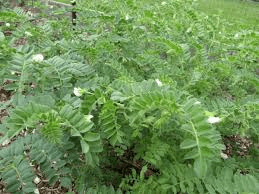
The leaves of the chickpea plant are compound and composed of several pairs of leaflets. Each leaflet is oval-shaped with a slightly serrated edge. The leaves are typically light to medium green in color and are arranged alternately along the stem.
The stems of the chickpea plant are herbaceous and upright, growing to various heights depending on the variety and growing conditions. The stems may have a slight reddish or purplish tinge, especially when young.
Chickpea flowers are typically white or pale pink and are produced in clusters. They have a characteristic pea flower shape with a banner petal (large upper petal) two wing petals and a keel petal (two fused petals at the bottom). The flowers are visited by pollinators like bees, which aid in fertilization.
After successful pollination, the chickpea flowers develop into pods. The pods are elongated and curved, containing several chickpea seeds within. The pods start off green and gradually turn yellow, beige or brown as they mature.
The edible part of the chickpea plant is its seeds, commonly referred to as chickpeas or garbanzo beans. These seeds are round, sometimes slightly irregular in shape and come in various colors such as beige, brown, black or greenish. The seeds have a firm texture and a nutty flavor when cooked. They can be used in a variety of culinary dishes.
Chickpea plants have a taproot system, with a primary root that grows deep into the soil to anchor the plant and access water and nutrients. The taproot often develops lateral roots to support the plant’s growth and development.
The height of chickpea plants can vary based on factors such as the variety, growing conditions, and cultivation practices. They generally range from about 20 to 50 inches (50 to 125 cm) tall.
Read Also: Recommended Brooding Duration for Chicks with Temperature Requirement
The Medicinal Health Benefits of Chickpea (Cicer Arietinum)
Chickpeas, while primarily known as a nutritious food source, do offer some health benefits due to their nutritional content. Here are a few ways in which chickpeas can contribute to your health:
1. Rich in Fiber: Chickpeas are high in dietary fiber, both soluble and insoluble. This fiber content aids digestion, promotes regular bowel movements, and helps prevent constipation. It can also contribute to a feeling of fullness, potentially assisting in weight management.
2. Digestive Health: The fiber in chickpeas supports a healthy gut by promoting the growth of beneficial gut bacteria. This can improve overall gut health and may have positive effects on conditions like irritable bowel syndrome (IBS) and inflammatory bowel disease (IBD).
3. Blood Sugar Regulation: Chickpeas have a low glycemic index, meaning they cause a slow and gradual rise in blood sugar levels. This can be beneficial for individuals with diabetes or those aiming to manage blood sugar levels.
4. Heart Health: Chickpeas are a good source of plant-based protein, which can help reduce the intake of saturated fats from animal sources.
The fiber, potassium and antioxidants in chickpeas contribute to heart health by promoting healthy cholesterol levels, managing blood pressure and reducing the risk of cardiovascular diseases.
5. Weight Management: The combination of protein and fiber in chickpeas can aid in weight management by promoting satiety and reducing overall calorie intake. Protein also helps maintain lean muscle mass during weight loss.
6. Bone Health: Chickpeas contain essential minerals like calcium, magnesium and phosphorus, which are important for maintaining bone health and preventing conditions like osteoporosis.
7. Plant Compounds and Antioxidants: Chickpeas contain various phytochemicals and antioxidants, including polyphenols and flavonoids, which have anti-inflammatory and potential anticancer properties.
8. Iron Absorption: Chickpeas provide a source of non-heme iron, which is better absorbed when consumed alongside vitamin C-rich foods (like citrus fruits, tomatoes, or bell peppers). This can be particularly beneficial for vegetarians and individuals at risk of iron deficiency.
9. Nutrient Density: Chickpeas are a good source of several essential nutrients, including folate, manganese, and vitamin B6. These nutrients play roles in various bodily functions, including DNA synthesis, energy metabolism and cognitive health.
Read Also: Essential Characteristics of Soils
The Methods of Usage to Achieve the Provided Health Benefits of Chickpea (Cicer Arietinum)
To harness the medicinal health benefits of chickpeas, you can incorporate them into your diet in various ways. Here’s a detailed explanation of how to use chickpeas to achieve the mentioned health benefits:
1. Rich in Fiber: Include chickpeas in your meals as a source of dietary fiber. Prepare dishes like chickpea salads, stews, or curries. You can also make hummus and use it as a dip or spread. Consuming chickpeas regularly can help you meet your fiber needs.
2. Digestive Health: Consume chickpeas to promote gut health and beneficial gut bacteria. Incorporate chickpeas into meals alongside other fiber-rich foods. The combination of fibers from various sources supports a diverse gut microbiome, aiding digestion.
3. Blood Sugar Regulation: Choose chickpeas as a low-glycemic-index carbohydrate option. Use chickpeas in place of high-glycemic carbohydrates like refined grains. Add them to salads, soups or whole-grain dishes to help stabilize blood sugar levels.
4. Heart Health: Utilize chickpeas as a plant-based protein source. Substitute chickpeas for meat in recipes. Create dishes like chickpea and vegetable stir-fries, chickpea burgers or use chickpea flour in baking for added protein.
5. Weight Management: Leverage chickpeas’ protein and fiber content for satiety. Include chickpeas in balanced meals to enhance feelings of fullness. Make chickpea-based snacks, such as roasted chickpeas, to help control cravings.
6. Bone Health: Benefit from chickpeas’ mineral content for bone health. Combine chickpeas with foods rich in vitamin D and calcium for a bone-boosting meal. For example, prepare chickpea salads with leafy greens and fortified dairy alternatives.
7. Plant Compounds and Antioxidants: Consume chickpeas to access their antioxidant properties. Enjoy dishes with a variety of colorful vegetables and spices, combining them with chickpeas to enhance the overall antioxidant content of your meals.
8. Iron Absorption: Pair chickpeas with vitamin C-rich foods for better iron absorption. Combine chickpeas with citrus fruits, bell peppers, or tomatoes in salads or side dishes to maximize the absorption of non-heme iron.
9. Nutrient Density: Incorporate chickpeas for their essential nutrients. Use chickpeas in a wide range of recipes, from soups to grain bowls, to ensure you’re obtaining a variety of essential nutrients as part of a well-rounded diet.
The Side Effects of Using Chickpea Medicinal Plant
Here are five side effects of consuming chickpeas:
1. Digestive Discomfort: Chickpeas are high in fiber, which can lead to digestive discomfort such as bloating, gas, and abdominal cramps, especially if you’re not accustomed to consuming a lot of fiber.
Gradually increasing your intake of chickpeas and other high-fiber foods can help your digestive system adapt.
2. Phytates and Antinutrients: Chickpeas, like many legumes, contain compounds such as phytates and lectins that can interfere with the absorption of certain minerals like iron, calcium and zinc.
While cooking chickpeas can help reduce the levels of these compounds, individuals with nutrient absorption concerns might want to consider various food preparation methods or consume them in moderation.
3. Allergic Reactions: While rare, some individuals might have an allergy to chickpeas. Allergic reactions can range from mild symptoms like itching and hives to more severe reactions like difficulty breathing or anaphylaxis.
If you suspect an allergy, it’s important to seek medical attention.
4. Gout Flare-Ups: Chickpeas contain purines, which are compounds that can be broken down into uric acid. Excessive consumption of high-purine foods, like chickpeas, can potentially lead to gout flare-ups in individuals who are susceptible to this condition.
5. Medication Interactions: Chickpeas contain vitamin K, which plays a role in blood clotting. If you’re taking blood-thinning medications, consuming large amounts of chickpeas could potentially interfere with the effectiveness of these medications.
Nutritional Value of Chickpea (Cicer arietinum)

1. Protein: Chickpeas contain about 19-25% protein, providing essential amino acids like lysine, supporting muscle growth, repair, and enzymatic functions.
2. Dietary Fiber: With 12-17 g per 100 g, chickpeas promote digestive health, regulate blood sugar, and reduce cholesterol levels.
3. Carbohydrates: Containing 50-60% carbohydrates, they offer a steady energy source, ideal for sustained physical and mental activity.
4. Folate: Providing 172-557 µg per 100 g, folate supports DNA synthesis, red blood cell formation, and is crucial during pregnancy.
5. Iron: With 2.9-6.2 mg per 100 g, iron aids oxygen transport, prevents anemia, and supports energy metabolism.
6. Magnesium: At 79-115 mg per 100 g, magnesium supports muscle function, nerve transmission, and bone health.
7. Phosphorus: Containing 252-366 mg per 100 g, phosphorus is vital for bone mineralization and energy production in cells.
8. Zinc: With 1.5-3.4 mg per 100 g, zinc boosts immunity, supports wound healing, and aids in protein synthesis.
9. Polyphenols: Chickpeas have 76-147 mg gallic acid equivalents per 100 g, offering antioxidant properties to combat oxidative stress.
10. Isoflavones: Present at 0.1-3.4 mg per 100 g, isoflavones contribute to heart health and may reduce menopausal symptoms.
Scientific Evidence and Case Studies on Chickpea (Cicer arietinum)
1. Begum et al. (2012): This review highlighted chickpeas’ high protein (17-22%) and fiber content, noting their role in improving insulin sensitivity and reducing cardiovascular risk through lipid-lowering effects. Jukanti, A. K., Gaur, P. M., Gowda, C. L. L., & Chibbar, R. N. (2012). Nutritional quality and health benefits of chickpea (Cicer arietinum L.): A review. British Journal of Nutrition, 108(S1), S11–S26.
2. Pittaway et al. (2008): In a crossover study with 27 healthy adults, a chickpea-supplemented diet (140 g/day) for 5 weeks reduced total cholesterol by 4.6% and LDL cholesterol by 5.9%, supporting cardiovascular health. Pittaway, J. K., Robertson, I. K., & Ball, M. J. (2008). Chickpeas may influence fatty acid and fiber intake in an ad libitum diet, leading to small improvements in serum lipid profile and glycemic control. Journal of the American Dietetic Association, 108(6), 1004–1010.
3. Murty et al. (2010): A study on 45 participants showed that consuming 104 g/day of chickpeas for 12 weeks improved glycemic control and reduced insulin levels in insulin-resistant individuals, aiding diabetes management. Murty, C. M., Pittaway, J. K., & Ball, M. J. (2010). Chickpea supplementation in an Australian diet affects food choice, satiety and bowel health. Appetite, 54(2), 282–288.
4. Wallace et al. (2016): This review confirmed chickpeas’ prebiotic effects, with resistant starch and fiber fostering beneficial gut microbiota, improving digestion, and reducing colon cancer risk. Wallace, T. C., Murray, R., & Zelman, K. M. (2016). The nutritional value and health benefits of chickpeas and hummus. Nutrients, 8(12), 766.
5. Yang et al. (2012): In a study with 19 overweight adults, chickpea consumption (50 g/day) for 8 weeks lowered postprandial glucose and insulin responses, supporting their role in glycemic control. Yang, Y., Zhou, L., Gu, Y., Zhang, Y., Tang, J., Li, F., Shang, W., & Jiang, B. (2012). Dietary chickpeas reverse visceral adiposity, dyslipidaemia and insulin resistance in rats fed a high-fat diet. British Journal of Nutrition, 108(2), 194–202.
6. Zafar et al. (2015): Research on 42 diabetic patients showed that 100 g/day of chickpeas for 8 weeks reduced fasting blood glucose and HbA1c levels, reinforcing their antidiabetic potential. Zafar, T. A., Al-Hassawi, F., Al-Khulaifi, F., Al-Rayyes, G., Waslien, C., & Huffman, F. G. (2015). Organoleptic and glycemic properties of chickpea-flour-incorporated products in type 2 diabetics. International Journal of Food Sciences and Nutrition, 66(2), 222–228.
Frequently Asked Questions About Chickpea (Cicer arietinum)
1. What are chickpeas?
Chickpeas are edible legumes, also called garbanzo beans, used in dishes like hummus, curries, and salads, known for their nutty flavor and versatility.
2. Are chickpeas good for weight loss?
Yes, their high fiber and protein content increase satiety, helping reduce appetite and support weight management when part of a balanced diet.
3. Can chickpeas help manage diabetes?
Studies show chickpeas improve glycemic control and insulin sensitivity, making them beneficial for managing type 2 diabetes.
4. Are there any side effects of eating chickpeas?
Excessive consumption may cause bloating or gas due to fiber; soaking or cooking reduces these effects. Those with legume allergies should avoid them.
5. How should chickpeas be prepared?
They can be soaked and boiled, roasted, or canned, used in soups, stews, salads, or ground into flour for baking.
6. Are chickpeas gluten-free?
Yes, chickpeas are naturally gluten-free, making them suitable for celiac disease or gluten-sensitive diets.
7. Can chickpeas improve heart health?
Research indicates chickpeas lower cholesterol and blood pressure, reducing the risk of cardiovascular diseases.
8. Where are chickpeas grown?
Native to the Middle East, they are now cultivated globally, with major producers including India, Australia, and Turkey.
Read Also: Anatomy of Fishes: Female Fish and their Reproductive Strategies