


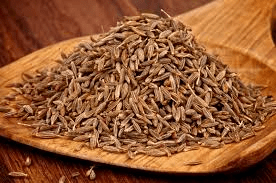
Cumin (Cuminum cyminum) is a flowering plant in the Apiaceae family, which is also known as the parsley family. Native to the eastern Mediterranean region, cumin is widely cultivated for its aromatic seeds, which are used as a spice in various cuisines around the world.
Beyond its culinary applications, cumin has a history of being used for its potential medicinal properties.
Cumin is an annual herb that grows up to 30-50 cm in height. It has slender, branched stems with feathery leaves that are finely divided into segments.
The plant produces small, pink or white flowers arranged in umbels, which are umbrella-like clusters.
Read Also: The Different Factors of Soil Formation
The Medicinal Health Benefits of Cumin (Cuminum Cyminum)
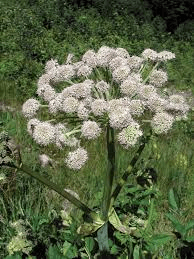
1. Digestive Health: Cumin is known for its carminative properties, which help alleviate digestive discomforts such as gas, bloating and indigestion. The compounds in cumin can stimulate the secretion of digestive enzymes, promoting smoother digestion.
After a heavy meal, consuming a cup of cumin tea made from crushed cumin seeds might provide relief from bloating and discomfort by aiding digestion.
2. Anti-Inflammatory Effects: Cumin contains compounds like cuminaldehyde and thymoquinone, which possess anti-inflammatory properties. These compounds can help reduce inflammation in the body, potentially benefiting individuals with inflammatory conditions.
People with conditions like rheumatoid arthritis might experience reduced joint pain and swelling when incorporating cumin as a spice in their meals regularly.
3. Antioxidant Protection: Cumin seeds are rich in antioxidants that combat oxidative stress by neutralizing free radicals. This protection can help prevent cellular damage and support overall health.
Including cumin in your diet might contribute to healthier aging and a lowered risk of chronic diseases due to the protective effects of its antioxidants.
4. Blood Sugar Regulation: Studies suggest that cumin may help regulate blood sugar levels by improving insulin sensitivity and enhancing glucose uptake by cells. Individuals with type 2 diabetes might benefit from consuming cumin as part of their diet to help manage blood sugar levels and reduce the risk of fluctuations.
5. Immune System Support: Cumin contains nutrients like iron and vitamin C, which are essential for a robust immune system. These nutrients help in the production of immune cells and antibodies. Incorporating cumin into your meals can contribute to maintaining a strong immune system, helping your body better defend against infections.
6. Anti-Microbial Properties: Cumin extracts have shown potential in inhibiting the growth of certain bacteria and fungi, indicating its potential as a natural antimicrobial agent. Using cumin as a seasoning in cooking might not only enhance flavor but also provide a layer of protection against harmful microorganisms in your food.
7. Digestive Disorders and Irritable Bowel Syndrome (IBS) Relief: Cumin’s carminative and anti-inflammatory properties can be particularly beneficial for individuals with digestive disorders and IBS. It may help ease abdominal pain and discomfort.
People with IBS might find relief from symptoms like abdominal cramps and irregular bowel movements by incorporating cumin into their diet or consuming cumin tea.
8. Respiratory Health: Cumin’s expectorant properties can help loosen mucus and phlegm, making it potentially useful in managing respiratory conditions such as coughs and bronchitis. Drinking a warm cumin tea with honey and ginger might help soothe a sore throat and provide relief from congestion.
9. Weight Management: Some research suggests that cumin may aid in weight management by enhancing metabolic rate and promoting fat loss. Adding cumin to your meals can not only enhance flavor but also support your weight loss efforts when combined with a balanced diet and regular exercise.
The Methods of Usage to Achieve the Provided Health Benefits of Cumin (Cuminum Cyminum)
1. Digestive Health: Prepare cumin tea by boiling 1 teaspoon of cumin seeds in a cup of water for about 10 minutes. Strain the tea and drink it warm. Consume the cumin tea after meals to aid digestion and relieve bloating. The compounds in cumin will help stimulate digestive enzymes and ease discomfort.
2. Anti-Inflammatory Effects: Incorporate ground cumin as a spice in your cooking. You can also make a cumin-infused oil by mixing cumin powder with a carrier oil like olive oil. Use cumin powder as a seasoning in dishes like soups, stews, and curries. The anti-inflammatory properties of cumin can help reduce inflammation in the body over time.
3. Antioxidant Protection: Add cumin seeds or powder to your meals, such as salads, rice, or yogurt. Regularly including cumin in your diet provides a constant source of antioxidants that can help combat oxidative stress and protect your cells.
4. Blood Sugar Regulation: Sprinkle ground cumin on foods or prepare cumin water by soaking cumin seeds in water overnight. Incorporate cumin into your daily diet to potentially help regulate blood sugar levels. For cumin water, drink it in the morning on an empty stomach for best results.
5. Immune System Support: Roast cumin seeds and grind them to make cumin powder. Use this powder in cooking or sprinkle it on salads and yogurt. Regularly using cumin powder in your meals provides essential nutrients like iron and vitamin C, which support a healthy immune system.
6. Anti-Microbial Properties: Add cumin seeds or powder to dishes during cooking to infuse them with cumin’s antimicrobial properties. By incorporating cumin into your meals, you can potentially enhance the safety of your food by inhibiting the growth of harmful microorganisms.
7. Digestive Disorders and IBS Relief: Prepare cumin tea by boiling 1 teaspoon of cumin seeds in a cup of water. You can add ginger for extra digestive support. Drink cumin tea before or after meals to help soothe digestive discomfort and ease symptoms of disorders like IBS.
8. Respiratory Health: Crush cumin seeds and mix them with honey and ginger to create a soothing cough syrup. You can also make cumin-infused steam by boiling cumin seeds and inhaling the steam. Take the cough syrup as needed to ease respiratory symptoms. Inhaling cumin-infused steam can help relieve congestion and soothe the respiratory tract.
9. Weight Management: Include ground cumin in your meals to enhance flavor and potentially support metabolism. Regularly using cumin as a spice in your cooking can contribute to weight management efforts when combined with a healthy diet and exercise routine.
Read Also: 10 Medicinal Health Benefits of Strophanthus speciosus (Climbing Oleander)
The Side Effects of Using Cumin Medicinal Plant
1. Allergic Reactions: Some individuals may be allergic to cumin or other plants in the Apiaceae family (such as parsley, carrot or celery). Allergic reactions can include skin rashes, itching, swelling, or difficulty breathing. If you suspect an allergy, it’s important to avoid cumin and seek medical attention if symptoms are severe.
2. Gastrointestinal Distress: Consuming excessive amounts of cumin or cumin supplements may lead to gastrointestinal discomfort, including stomach pain, gas, bloating, and diarrhea.
3. Skin Sensitivity: In some cases, topical application of cumin oil or extracts might cause skin irritation, redness or itching, especially in individuals with sensitive skin.
4. Interaction with Medications: Cumin might interact with certain medications. For example, cumin might have a mild blood-thinning effect, so people taking anticoagulant medications should be cautious about consuming large amounts of cumin.
5. Hypoglycemia Interaction: While cumin can potentially help regulate blood sugar levels, individuals with diabetes who are on medication to lower blood sugar levels should monitor their levels closely when using cumin in medicinal quantities, as it might enhance the effects of these medications.
6. Pregnancy and Breastfeeding: Pregnant and breastfeeding women should exercise caution when using cumin in medicinal amounts, as there is limited research on its safety during these periods.
7. Sensitivity to Cuminaldehyde: Cuminaldehyde is a compound found in cumin responsible for its distinctive aroma. Some individuals might be sensitive to this compound and could experience headaches, nausea or other discomforts from exposure.
8. Gastroesophageal Reflux Disease (GERD): For individuals with GERD or acid reflux, cumin might aggravate symptoms due to its potential to relax the lower esophageal sphincter.
Nutritional Value of Cuminum Cyminum (Cumin)
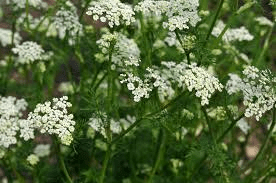
1. Protein: Cumin seeds contain about 17–18 g of protein per 100 g, supporting muscle repair, enzyme function, and overall cellular health, making them a valuable addition to diets.
2. Carbohydrates: With approximately 44 g per 100 g, cumin seeds provide carbohydrates, primarily as dietary fiber and minor sugars, offering energy and aiding digestion.
3. Fiber: Cumin seeds are rich in dietary fiber, around 10–11 g per 100 g, promoting gut health, regulating bowel movements, and helping control blood sugar levels.
4. Iron: Containing about 66 mg per 100 g, cumin is an excellent source of iron, supporting oxygen transport in the blood and preventing anemia, especially in plant-based diets.
5. Magnesium: Cumin seeds provide around 366 mg of magnesium per 100 g, aiding muscle function, nerve health, and energy metabolism, contributing to overall well-being.
6. Calcium: With approximately 931 mg per 100 g, cumin supports bone health, muscle contractions, and nerve signaling, making it a significant mineral source in small servings.
7. Flavonoids: Cumin contains flavonoids like apigenin and luteolin, which act as antioxidants, reducing oxidative stress and potentially lowering the risk of chronic diseases.
8. Phenolic Compounds: Phenolics, such as cuminaldehyde, contribute to cumin’s antioxidant properties, protecting cells from damage and supporting anti-inflammatory effects.
9. Essential Oils: Cumin seeds are rich in essential oils, including cuminaldehyde (up to 40% of volatile oil), offering antimicrobial benefits and aiding digestion, though not a primary nutrient.
10. Vitamins (B-Complex): Cumin contains small amounts of B vitamins, like niacin and thiamine (0.6–1.6 mg per 100 g), supporting energy metabolism and nervous system health.
The nutritional profile of Cuminum cyminum makes it a nutrient-dense spice, offering significant minerals, fiber, and bioactive compounds. Its small serving size in culinary use limits caloric intake but provides concentrated health benefits, enhancing both flavor and nutrition in dishes.
Scientific Evidence and Case Studies on Cuminum Cyminum
1. Srinivasan (2018): This review highlighted cumin’s pharmacological properties, noting its antioxidant, anti-inflammatory, and antimicrobial effects. The study confirmed its traditional use for digestive disorders, with cuminaldehyde and flavonoids reducing oxidative stress and bacterial growth (Srinivasan, K. (2018). Cumin (Cuminum cyminum) and its bioactive constituents as a natural therapeutic agent. Critical Reviews in Food Science and Nutrition, 58(3), 440-452).
2. Taghavi et al. (2015): This clinical trial investigated cumin’s effects on metabolic syndrome in overweight adults, finding that 75 mg/kg daily supplementation reduced fasting blood glucose, triglycerides, and body weight, supporting its role in diabetes and obesity management (Taghavi, M., et al. (2015). Effect of Cuminum cyminum L. supplementation on metabolic profile in overweight subjects. Complementary Therapies in Medicine, 23(3), 401-407).
3. Dhandapani et al. (2002): This study demonstrated cumin’s hypoglycemic effects in diabetic rats, showing that cumin extract reduced blood glucose levels and improved insulin sensitivity, validating its use in traditional medicine for diabetes (Dhandapani, S., et al. (2002). Hypoglycemic effect of Cuminum cyminum on alloxan-induced diabetic rats. Pharmacological Research, 46(3), 251-255).
4. Aram et al. (2005): Research by Iacobellis et al. confirmed the antimicrobial activity of cumin essential oil against Escherichia coli, Staphylococcus aureus, and Candida albicans, suggesting its potential for food preservation and infection control (Iacobellis, N. S., et al. (2005). Antibacterial activity of Cuminum cyminum L. and Carum carvi L. essential oils. Journal of Agricultural and Food Chemistry, 53(1), 57-61).
Frequently Asked Questions About Cuminum Cyminum
1. Is Cuminum cyminum safe to consume?
Yes, cumin is safe in culinary amounts. High medicinal doses may cause mild digestive upset, and those with allergies to Apiaceae plants should consult a doctor.
2. How is Cuminum cyminum used in cooking?
Cumin seeds or powder are used as a spice in curries, soups, stews, and spice blends like garam masala, adding a warm, earthy flavor to dishes.
3. Can Cuminum cyminum help with digestion?
Yes, cumin stimulates digestive enzyme secretion, reduces bloating, and acts as a carminative, supporting its traditional use for indigestion and gas.
4. Does Cuminum cyminum aid in weight loss?
Studies suggest cumin supplementation may reduce body weight and fat in overweight individuals, likely due to its metabolism-boosting and appetite-regulating effects.
5. Where does Cuminum cyminum grow?
Native to the Middle East and South Asia, cumin is cultivated in warm climates, including India, Iran, Turkey, and North Africa, preferring well-drained, sandy soils.
6. Can Cuminum cyminum help manage diabetes?
Yes, research shows cumin reduces blood glucose and improves insulin sensitivity, supporting its use in traditional medicine for diabetes management.
7. Are there risks associated with Cuminum cyminum?
Excessive consumption may cause stomach upset or interact with diabetes medications. Allergic reactions are rare but possible in sensitive individuals.
8. Is Cuminum cyminum used in traditional medicine?
Yes, it’s used in Ayurvedic and Middle Eastern medicine for digestive issues, respiratory problems, and as an anti-inflammatory and antimicrobial agent.
Do you have any questions, suggestions, or contributions? If so, please feel free to use the comment box below to share your thoughts. We also encourage you to kindly share this information with others who might benefit from it. Since we can’t reach everyone at once, we truly appreciate your help in spreading the word. Thank you very much for your support and for sharing!
Disclaimer: This article is for educational and informational purposes only. The health benefits described are based on scientific research and traditional knowledge. They are not a substitute for professional medical advice, diagnosis, or treatment. Always consult a healthcare professional before using any herb or natural remedy for medical purposes.
Read Also: List of Problems Confronting Livestock Production