


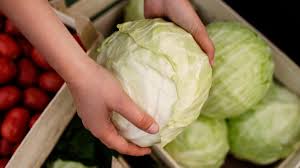
Do you know that there are some many advantages attached with eating raw cabbage? Am sure some of you my friends may not believe it or may find it a little difficult to believe because even me doubted initially until I finally figured out that it is actually true!
If you want beautiful glowing skin, and an immune system powerful enough to fight off just about anything, don’t forget this highly nutritious but common vegetable.
Cabbage is one among those leafy vegetables that are rich in vitamins and minerals. It belongs to the broccoli and cauliflower family of leafy vegetables that is said to have originated from Eastern Mediterranean and Asia Minor.
This healthy vegetable is said to come in different colours such as purple, red, white and green. Currently, this has been used in many dishes around the world because of its numerous health benefits.
Aside being eaten as raw cabbage, it can be prepared as fried cabbage, cabbage soup, cabbage rolls and many more cabbage recipes out there.
Cruciferous vegetables like cabbage, kale, and broccoli are notorious for being chock-full of beneficial nutrients. If you are trying to improve your diet, cruciferous vegetables are a good place to start.
The cabbage may help protect against radiation, prevent cancer, and reduce heart disease risk.
Cabbage can vary in color from green to red and purple, and the leaves can be smooth or crinkled. With less than 20 calories per half cup cooked, it is a vegetable worth making room on your plate for.
Cooked carrots, spinach, mushrooms, asparagus, cabbage, peppers and many other vegetables also supply more antioxidants, such as carotenoids and ferulic acid, to the body than they do when raw.
Read Also: Methods of Preparing, Cooking and Enjoying Cabbage
So here are some reasons why you definitely need to eat raw cabbages below:
Cabbage is a great source of manganese, dietary fiber, potassium, vitamin K, vitamin C and vitamin B6
- It delays the aging process.
- It promotes good eye health.
- It treats scurvy and relieves pain.
- It reduces blood pressure.
- It is a good remedy for constipation and digestion.
- It prevents cancer and reduces inflammation.
- It boosts mental function and concentration.
- It strengthens bone health.
- It is beneficial for healthy skin and hair.
- It reduces the cholesterol level in the body.
- Click here for the different recipes of cooking Cabbage and make it a Nice lunch to u !!!!
Read Also: How to Select and Store Cabbage
What is Cabbage?
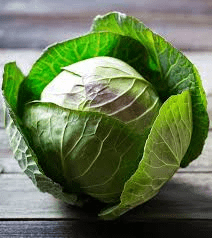
Cabbage is a leafy green, red, or white biennial vegetable that grows annually. This cruciferous vegetable belongs to the Brassica family and is round or oval in shape. It consists of soft, light green or whitish inner leaves covered with harder and dark green outer leaves.
It belongs to the group of cole crops, which means that it is closely related to broccoli, cauliflower, and Brussels sprouts. It is widely used throughout the world and can be prepared in several ways. Most commonly, it is included as either a cooked or raw part of many salads.
How to Select and Buy a Good Cabbage
In the grocery store, always look for cabbage heads that feel heavy for their size and, except for Napa cabbage, have tightly packed leaves. The heads don’t need to be perfect; you can peel off and discard the outer leaves.
The most common cabbage is green, but red cabbage has become increasingly popular for color in salads and cooked dishes. There are also very pretty Savoy varieties with waves of blue-green leaves which are best raw in salads or in a slaw. Cooked Savoys do not have the strong sulfur odor of green cabbage.
Read Also: 12 Great Importance of Agriculture Worldwide
Nutritional Profile of Cabbage
The table below states the nutrients present in one cup (89g) of chopped cabbage.
| Principle Nutrients | Nutrient Content |
| Carbohydrates | 5.16 g |
| Protein | 1.14 g |
| Total Fat | 0.09 g |
| Dietary Fibre | 2.5 mg |
| Energy | 22 kcal |
| Vitamins | |
| Folates | 38 mcg |
| Niacin | 0.234 mg |
| Vitamin A | 98 IU |
| Vitamin C | 32.6 mg |
| Vitamin K | 69 mcg |
| Electrolytes | |
| Sodium | 16 mg |
| Potassium | 151 mg |
| Minerals | |
| Calcium | 36 mg |
| Iron | 0.42 mg |
| Magnesium | 11 mg |
| Phosphorous | 23 mg |
| Zinc | 0.16 mg |
Scientific Evidence and Case Studies on Eating Raw Cabbage
1. Rich in antioxidants and anti-inflammatory compounds: Raw cabbage contains high levels of vitamin C and polyphenols that reduce oxidative stress and inflammation in the body.
2. Supports digestive health: The insoluble fiber and glucosinolates in raw cabbage promote regular bowel movements and support gut microbiota for better digestion.
3. Cancer prevention potential: Cruciferous vegetables like raw cabbage provide sulforaphane and other compounds that may help detoxify carcinogens and inhibit cancer cell growth.
4. Heart health benefits: Phytosterols and fiber in raw cabbage help lower cholesterol levels and reduce blood pressure, supporting cardiovascular function.
5. Immune system enhancement: High vitamin C content in raw cabbage boosts immune response and collagen production for overall health protection.
Nutritional Value Of Eating Raw Cabbage
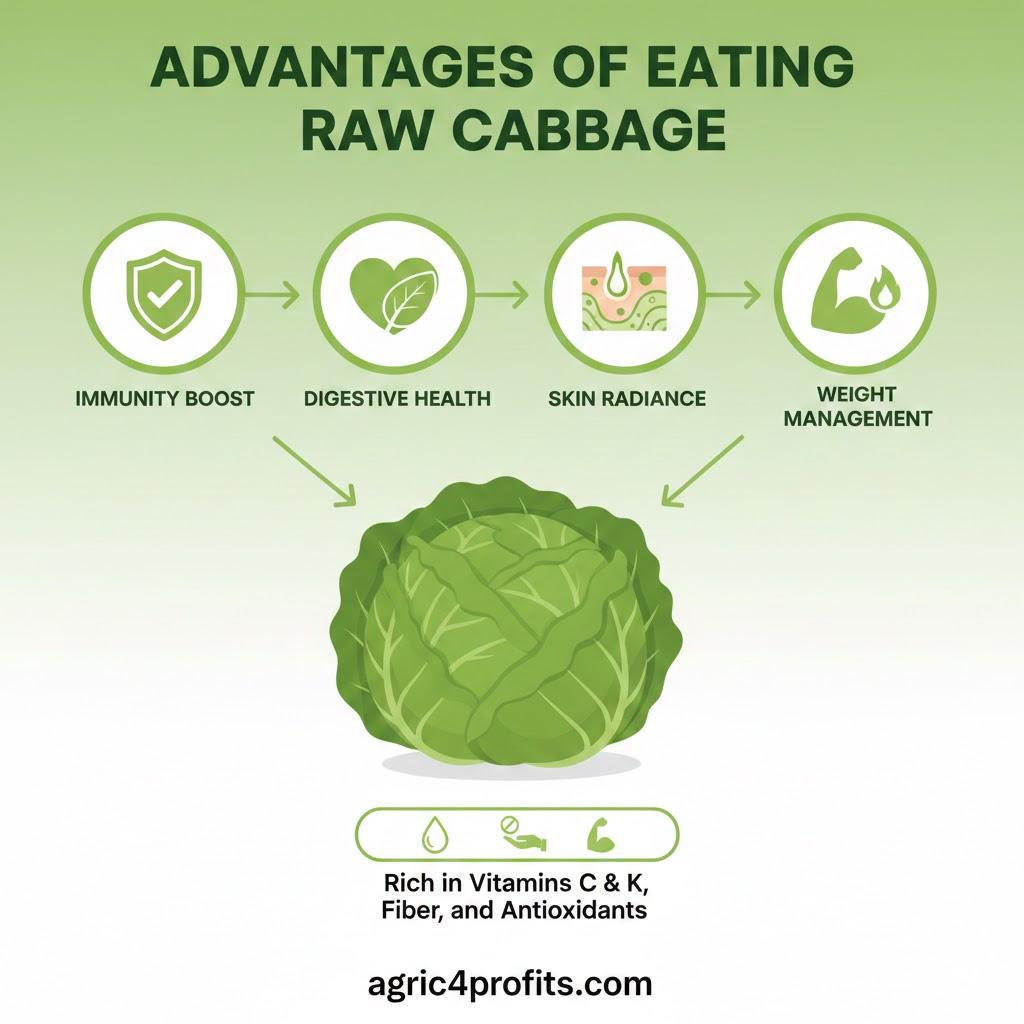
Raw cabbage is low in calories and packed with essential nutrients per 100g serving:
1. Vitamin C: Provides about 37mg (over 40% DV), supporting immune function, skin health, and antioxidant protection.
2. Vitamin K: Supplies around 76mcg (over 60% DV), essential for blood clotting and strong bone health.
3. Dietary fiber: Contains about 2.5g, aiding digestion, promoting satiety, and supporting gut health.
4. Folate: Offers around 43mcg, important for cell division, DNA synthesis, and preventing anemia.
5. Potassium: Provides about 170mg, helping regulate blood pressure and fluid balance.
6. Antioxidants and polyphenols: Includes glucosinolates and anthocyanins (especially in red cabbage), combating oxidative damage and inflammation.
7. Low calories: Only about 25 kcal with minimal fat and carbs, making it ideal for weight management.
Summary of Eating Raw Cabbage
| Aspect | Description |
|---|---|
| What is Raw Cabbage | Leafy cruciferous vegetable (Brassica family) eaten uncooked, available in green, red, purple, white varieties; nutrient-dense with low calories. |
| Key Advantages | Delays aging, promotes eye health, treats scurvy/relieves pain, reduces blood pressure, remedies constipation/digestion, prevents cancer/reduces inflammation, boosts mental function, strengthens bones, benefits skin/hair, lowers cholesterol. |
| Nutritional Highlights | High in vitamin C, K, fiber, folate, potassium, manganese; low calories (22-25 kcal per cup), supports immunity, heart health, digestion, and more. |
| Common Uses | Eaten raw in salads, coleslaw, slaws; preserves nutrients better than cooked; also used in cooked dishes like soups, rolls, fried. |
| Selection Tips | Choose heavy, tightly packed heads; peel outer leaves if needed; varieties like Savoy best raw for texture and milder flavor. |
| Overall | Superfood for health with anti-aging, anti-cancer, digestive, and cardiovascular benefits; versatile, affordable, and easy to incorporate raw for maximum nutrition. |
Frequently Asked Questions About Eating Raw Cabbage
1. Is it safe to eat raw cabbage?
Yes, raw cabbage is safe and commonly eaten in salads or slaws; it retains more nutrients when uncooked.
2. What are the main health benefits of raw cabbage?
It provides high vitamin C for immunity, fiber for digestion, antioxidants for anti-inflammation, and compounds that may help prevent cancer and support heart health.
3. Does eating raw cabbage cause gas or bloating?
Yes, due to raffinose and high fiber; start with small amounts and increase gradually to allow digestion to adjust.
4. How much raw cabbage should I eat daily?
A cup or two (about 100-200g) is a good serving to gain benefits without overdoing fiber intake.
5. Is raw cabbage better than cooked cabbage nutritionally?
Raw cabbage preserves more heat-sensitive nutrients like vitamin C, but cooking can enhance some antioxidants.
6. Can raw cabbage help with weight loss?
Yes, it’s low-calorie, high-fiber, and filling, helping control hunger and support calorie deficit.
7. Does raw cabbage benefit skin health?
Yes, vitamins C and K, plus antioxidants, promote collagen, reduce inflammation, and support healthy skin.
8. Are there any side effects of eating too much raw cabbage?
Excess can cause bloating, gas, or thyroid interference in large amounts due to goitrogens; moderate intake is best.
9. Which variety of cabbage is best eaten raw?
Savoy or red cabbage for milder flavor and texture in salads; green cabbage works well shredded.
10. How should I prepare raw cabbage to make it easier to eat?
Shred finely, massage with salt or dressing to soften, or add to salads for better chewability and flavor.
Do you have any questions, suggestions, or contributions? If so, please feel free to use the comment box below to share your thoughts. We also encourage you to kindly share this information with others who might benefit from it. Since we can’t reach everyone at once, we truly appreciate your help in spreading the word. Thank you very much for your support and for sharing!
Disclaimer: This article is for educational and informational purposes only. The health benefits described are based on scientific research and traditional knowledge. They ayre not a substitute for professional medical advice, diagnosis, or treatment. Always consult a healthcare professional before using any herb or natural remedy for medical purposes.