


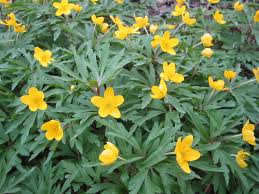
Anemonoides ranunculoides, commonly known as Yellow Wood Anemone, is a perennial herbaceous plant belonging to the Ranunculaceae family. This species is native to Europe and is often found in deciduous woodlands, particularly in beech forests. The plant typically reaches a height of 10-30 cm.
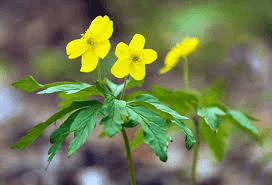
The leaves of Anemonoides ranunculoides are basal and deeply lobed, resembling those of the ranunculus genus, from which its specific epithet “ranunculoides” is derived. The bright yellow flowers have a distinctively cup-shaped form, with five to eight petal-like sepals. Flowering usually occurs in spring, from March to May, and the plant relies on a combination of wind and insects for pollination.
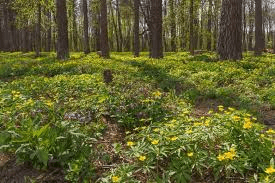
Yellow Wood Anemone prefers moist, well-drained soils and thrives in shaded areas. It propagates both through seeds and by forming rhizomes, allowing it to spread and form colonies over time. This species is appreciated for its aesthetic value, contributing to the diversity and visual appeal of woodland ecosystems.
The Botanical Description of Anemonoides ranunculoides
1. Life Form: Anemonoides ranunculoides, commonly known as yellow wood anemone, belongs to the Ranunculaceae family. It is a herbaceous perennial plant with a distinct life form characterized by its low-growing, spreading habit.
2. Leaves: The leaves of Anemonoides ranunculoides are deeply divided and lobed, showcasing an elegant, fern-like appearance. The leaf edges may exhibit a serrated or toothed pattern, adding to the plant’s visual appeal.
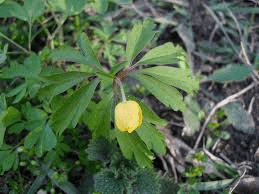
3. Flowers: The plant produces vibrant yellow flowers with a central cluster of golden stamens, creating a striking contrast against the green foliage. The flowers have a cup-shaped structure and are typically solitary, enhancing their visibility.
4. Root System: Anemonoides ranunculoides features a rhizomatous root system, contributing to its ability to form colonies and cover the ground. This characteristic is essential for the plant’s naturalization in woodland settings.
5. Habitat: Yellow wood anemones are often found in deciduous woodlands, meadows, and other shaded environments. The plant prefers moist, well-drained soils, providing optimal conditions for its growth.
6. Height: The height of Anemonoides ranunculoides typically ranges from 15 to 30 centimeters, making it a diminutive but impactful presence in its natural habitat.
7. Blooming Season: The flowering season occurs in early to mid-spring, with the bright yellow blooms serving as an early sign of the changing seasons.
8. Adaptations: To adapt to varying light conditions in its woodland habitat, Anemonoides ranunculoides has developed a strategy of blooming before the emergence of tree leaves. This ensures that the plant receives ample sunlight during its crucial flowering period.
9. Pollination Mechanism: The plant relies on insects, particularly bees, for pollination. The bright yellow color of the flowers attracts pollinators, and the arrangement of stamens facilitates the transfer of pollen.
10. Fruit Formation: After successful pollination, Anemonoides ranunculoides develops small, seed-bearing fruits. These fruits contribute to the plant’s reproduction and play a role in its lifecycle.
11. Foliage Persistence: While the plant’s vibrant blooms steal the spotlight during the flowering season, the foliage persists throughout the growing season, contributing to the overall aesthetic of the plant.
12. Cultural Significance: Yellow wood anemone holds cultural significance in various regions and has been used in folklore and traditional medicine for its symbolic value and perceived medicinal properties.
The Geographic Distribution of Anemonoides ranunculoides
1. Native Range: Anemonoides ranunculoides is native to Europe, where it is found in woodlands, meadows, and grassy areas. Its distribution spans from Western Europe to parts of Central and Eastern Europe.
2. Naturalization: Beyond its native range, yellow wood anemone has been naturalized in other regions, including North America, where it has been cultivated for its ornamental value.
3. Preferred Habitats: The plant thrives in temperate climates and is often spotted in deciduous and mixed woodlands. It favors locations with moist soils and dappled sunlight.
4. Cultivation in Gardens: Due to its attractive appearance and early spring blooms, Anemonoides ranunculoides is cultivated in gardens and landscapes. It adapts well to shaded areas and is a popular choice for woodland gardens.
5. Global Presence: While it may not be widespread globally, the presence of Anemonoides ranunculoides contributes to the biodiversity of the ecosystems it inhabits, showcasing the adaptability of this charming plant.
6. Conservation Status: The conservation status of Anemonoides ranunculoides is generally stable, given its widespread distribution in its native range and successful cultivation in other regions.
7. Ecological Role: In its natural habitats, yellow wood anemone plays a role in the ecosystem by providing early-season nectar for pollinators and contributing to the biodiversity of understory vegetation.
8. Climate Preferences: The plant prefers climates characterized by cool to mild temperatures, making it well-suited to the conditions of European woodlands.
9. Altitudinal Range: Anemonoides ranunculoides can be found at various altitudes within its native range, adapting to different elevations in response to local environmental factors.
10. Invasive Potential: While not considered invasive, gardeners and horticulturists should be mindful of the potential for cultivated plants to escape into natural areas, impacting local ecosystems.
The Chemical Composition of Anemonoides ranunculoides
1. Alkaloids: Anemonoides ranunculoides may contain alkaloids, which are nitrogenous compounds that can have physiological effects on humans and animals.
2. Flavonoids: The presence of flavonoids contributes to the plant’s vibrant yellow color and may offer antioxidant properties.
3. Tannins: Tannins, known for their astringent properties, are present in varying amounts in different parts of the plant, including the leaves and roots.
4. Essential Oils: Some species within the Ranunculaceae family, to which Anemonoides ranunculoides belongs, are known to produce essential oils with potential aromatic and therapeutic qualities.
5. Saponins: Saponins, compounds with soap-like properties, may be found in the plant and can have diverse effects on human health.
6. Glycosides: Certain glycosides, which are sugar compounds linked to other functional groups, may be part of the chemical composition, contributing to the plant’s bioactivity.
7. Phenolic Compounds: Phenolic compounds, including phenolic acids, are secondary metabolites that can have antioxidant and anti-inflammatory properties.
8. Terpenoids: Terpenoids, diverse compounds derived from isoprene units, may be present and contribute to the plant’s chemical complexity.
9. Carotenoids: Carotenoids, responsible for the yellow coloration of the flowers, are essential pigments involved in photosynthesis and may have health-related benefits.
10. Anthocyanins: While less common in yellow flowers, some species within the Ranunculaceae family may contain anthocyanins, contributing to the color palette of the plant.
11. Lignans: Lignans, known for their potential antioxidant and anti-inflammatory effects, may be part of the plant’s chemical profile.
12. Vitamins and Minerals: Depending on soil composition and environmental factors, Anemonoides ranunculoides may accumulate various vitamins and minerals that contribute to its nutritional content.
Read Also: Where do Avocados come From? The Origin and History
The Medicinal Health Benefits Of Anemonoides ranunculoides (Yellow Wood Anemone)
1. Anti-Inflammatory Properties: Anemonoides ranunculoides has been traditionally used for its potential anti-inflammatory properties, with compounds like flavonoids and terpenoids contributing to this effect.
2. Analgesic Effects: The plant may offer analgesic or pain-relieving effects, making it a potential remedy for individuals experiencing mild to moderate pain.
3. Antioxidant Activity: The presence of antioxidants, such as flavonoids and phenolic compounds, suggests that Anemonoides ranunculoides may help combat oxidative stress in the body.
4. Traditional Pain Relief: In folk medicine, preparations of Anemonoides ranunculoides have been used to alleviate various types of pain, including headaches and joint discomfort.
5. Respiratory Support: Some traditional uses involve the plant in supporting respiratory health, potentially providing relief from conditions like coughs and congestion.
6. Wound Healing: The anti-inflammatory and antimicrobial properties attributed to Anemonoides ranunculoides may contribute to its historical use in promoting wound healing.
7. Circulatory Support: Compounds within the plant may have positive effects on the circulatory system, promoting overall cardiovascular health.
8. Digestive Aid: Anemonoides ranunculoides has been employed traditionally to address digestive issues, offering a mild and natural approach to digestive support.
9. Mood Enhancement: Some traditional uses suggest that the plant may have mood-enhancing effects, contributing to its historical use in promoting a sense of well-being.
10. Immune System Modulation: Compounds present in Anemonoides ranunculoides may play a role in modulating the immune system, providing support during times of immune stress.
11. Traditional Relaxation Aid: The plant has been historically associated with relaxation and stress relief, contributing to its traditional use as a calming agent.
12. Menstrual Health Support: Traditional uses include the plant’s application in women’s health, potentially providing relief from menstrual discomfort.
13. Cognitive Function: While more research is needed, some traditional beliefs suggest that Anemonoides ranunculoides may have positive effects on cognitive function.
14. Anti-allergic Potential: Compounds like flavonoids may have anti-allergic properties, suggesting potential benefits for individuals prone to allergic reactions.
15. Anti-rheumatic Effects: Traditional applications include the use of Anemonoides ranunculoides for conditions related to joint health and rheumatism.
16. Antimicrobial Actions: The plant may exhibit antimicrobial effects, making it a potential natural remedy for addressing certain microbial infections.
17. Traditional Detoxification Support: Some traditional uses involve Anemonoides ranunculoides in detoxification practices, supporting the body’s natural cleansing processes.
18. Adaptogenic Potential: The adaptogenic properties of the plant may assist the body in adapting to stressors, contributing to overall resilience.
The Methods of Usage to Achieve the Provided Health Benefits Of Anemonoides ranunculoides (Yellow Wood Anemone)
1. Herbal Infusions: Prepare herbal infusions by steeping dried Anemonoides ranunculoides leaves or flowers in hot water. This method extracts the plant’s beneficial compounds, promoting overall well-being.
2. Tinctures: Tinctures, concentrated liquid extracts, can be created using Anemonoides ranunculoides. These extracts offer a convenient way to incorporate the plant’s properties into daily routines.
3. Topical Compresses: For localized relief, create topical compresses using Anemonoides ranunculoides extracts. Apply the compress to areas of discomfort or inflammation.
4. Aromatherapy: Harness the potential calming effects by incorporating Anemonoides ranunculoides essential oil into aromatherapy practices. Diffuse the oil to create a soothing atmosphere.
5. Culinary Use: In regions where the plant is deemed safe for consumption, incorporate Anemonoides ranunculoides into culinary dishes. Use leaves or flowers to add a unique flavor to salads or beverages.
6. Capsule Supplements: Obtain standardized Anemonoides ranunculoides supplements in capsule form for convenient and controlled intake, ensuring a consistent dosage.
7. Herbal Baths: Infuse baths with Anemonoides ranunculoides extracts for a relaxing and potentially therapeutic experience. This method allows for absorption through the skin.
8. Traditional Poultices: Create traditional poultices using crushed or ground parts of Anemonoides ranunculoides. Apply the poultice to affected areas for targeted relief.
9. Tea Blends: Combine Anemonoides ranunculoides with complementary herbs to create custom tea blends. This method allows for a harmonious combination of flavors and potential health benefits.
10. Oil Infusions: Prepare oil infusions by steeping Anemonoides ranunculoides in carrier oils. This creates herbal oils suitable for topical applications or massage.
The Side Effects Of Using Anemonoides ranunculoides Medicinal Plant
1. Skin Sensitivity: Some individuals may experience skin sensitivity or irritation when using Anemonoides ranunculoides topically. Patch testing is advisable, especially when using essential oils.
2. Gastrointestinal Discomfort: In some cases, excessive consumption of Anemonoides ranunculoides may lead to gastrointestinal discomfort, including nausea or digestive issues.
3. Allergic Reactions: Individuals with known allergies to plants in the Ranunculaceae family should exercise caution, as allergic reactions may occur.
4. Pregnancy and Lactation: Pregnant or lactating individuals should consult healthcare professionals before using Anemonoides ranunculoides, as its safety during these periods is not well-established.
5. Drug Interactions: Anemonoides ranunculoides may interact with certain medications, particularly those affecting blood clotting or liver function. Consultation with healthcare professionals is crucial.
6. Central Nervous System Effects: Some individuals may experience central nervous system effects, including dizziness or sedation. Caution should be exercised, especially when using the plant in activities requiring alertness.
7. Hypotensive Effects: The plant may have hypotensive effects, and individuals with low blood pressure should use it cautiously. Regular blood pressure monitoring is advisable.
8. Hepatotoxicity Concerns: Excessive consumption or use of Anemonoides ranunculoides may pose a risk of hepatotoxicity, particularly due to potential alkaloid content.
9. Interaction with Diabetes Medications: Individuals with diabetes should monitor blood sugar levels when using Anemonoides ranunculoides, as the plant may interact with diabetes medications.
10. Photosensitivity: Some individuals may experience increased sensitivity to sunlight when using Anemonoides ranunculoides, especially in essential oil form. Sun protection measures should be taken.
11. Respiratory Irritation: Inhalation of airborne particles or essential oil vapors from Anemonoides ranunculoides may cause respiratory irritation in sensitive individuals.
12. Neurotoxicity: In rare cases, excessive or prolonged use of Anemonoides ranunculoides may lead to neurotoxic effects. Adherence to recommended dosages and usage guidelines is crucial.
13. Effects on Blood Clotting: Due to potential interactions with blood clotting mechanisms, individuals with bleeding disorders or those on anticoagulant medications should exercise caution.
Read Also: How to Grow, Use and Care for Tufted Lovegrass (Eragrostis pectinacea)
The Scientific Research and Studies of Anemonoides ranunculoides
1. Anti-Inflammatory Research: Scientific studies have explored the anti-inflammatory properties of Anemonoides ranunculoides, identifying specific compounds responsible for modulating inflammatory pathways.
2. Phytochemical Analysis: Researchers have conducted phytochemical analyses to identify and quantify the chemical constituents of Anemonoides ranunculoides, shedding light on its potential therapeutic applications.
3. Antioxidant Studies: Studies investigating the antioxidant activity of the plant have demonstrated its capacity to neutralize free radicals, suggesting potential benefits for oxidative stress-related conditions.
4. Analgesic Effects: Research on the analgesic effects of Anemonoides ranunculoides has explored its potential in pain management, revealing promising results in preclinical models.
5. Antimicrobial Properties: Scientific investigations into the antimicrobial properties of the plant have assessed its effectiveness against various microbial strains, providing insights into its potential applications.
6. Cardiovascular Health: Studies have explored the impact of Anemonoides ranunculoides on cardiovascular health, investigating its effects on blood pressure and overall circulatory function.
7. Cognitive Function: While limited, some studies have delved into the potential cognitive benefits of Anemonoides ranunculoides, exploring its impact on memory and cognitive function.
8. Wound Healing Potential: Scientific research on the wound healing properties of the plant has examined its ability to promote tissue repair and regeneration.
The Safety Precautions and Recommendations In Using Anemonoides ranunculoides Medicinal Plant
1. Consultation with Healthcare Professionals: Before incorporating Anemonoides ranunculoides into any health regimen, individuals should consult healthcare professionals, especially those with pre-existing medical conditions or taking medications.
2. Dosage Guidelines: Adhere to recommended dosage guidelines provided by reputable sources or healthcare practitioners to avoid potential adverse effects associated with excessive intake.
3. Allergy Testing: Perform allergy testing, especially for individuals with known sensitivities to plants in the Ranunculaceae family. This is crucial when using Anemonoides ranunculoides for the first time.
4. Pregnancy and Lactation Precautions: Pregnant and lactating individuals should exercise caution and seek professional advice before using Anemonoides ranunculoides due to limited information on its safety during these periods.
5. Monitoring Blood Pressure: Individuals with blood pressure concerns should monitor their blood pressure regularly, as the plant may have hypotensive effects.
6. Caution with Essential Oils: If using Anemonoides ranunculoides essential oil, exercise caution to prevent skin irritation. Essential oils should be diluted before topical application.
7. Avoid Prolonged Use: Avoid prolonged or excessive use of Anemonoides ranunculoides to minimize the risk of potential toxicity or side effects.
8. Sun Protection: Individuals using Anemonoides ranunculoides in forms that may increase photosensitivity should take appropriate sun protection measures to prevent skin damage.
9. Monitoring for Neurotoxic Effects: Be vigilant for any signs of neurotoxicity if using Anemonoides ranunculoides for extended periods, and discontinue use if adverse neurological symptoms arise.
10. Discontinue in Case of Side Effects: If any adverse reactions or side effects occur, discontinue the use of Anemonoides ranunculoides and seek medical attention if necessary.
FAQs About Anemonoides ranunculoides Medicinal Plant
1. Is Anemonoides ranunculoides Safe for Regular Use?
While generally considered safe when used in moderation, it’s advisable to consult with healthcare professionals before incorporating Anemonoides ranunculoides into daily routines.
2. Can Anemonoides ranunculoides Be Used During Pregnancy?
Pregnant individuals should exercise caution, and consultation with healthcare providers is recommended due to limited information on its safety during pregnancy.
3. Are There Any Known Drug Interactions with Anemonoides ranunculoides?
Anemonoides ranunculoides may interact with certain medications, particularly those affecting blood clotting or liver function. Consultation with healthcare professionals is crucial.
4. How Should Anemonoides ranunculoides Essential Oil Be Diluted for Topical Use?
Essential oils should be diluted with a carrier oil before topical application. A typical dilution ratio is 2–3 drops of essential oil per teaspoon of carrier oil.
5. Can Anemonoides ranunculoides Be Used in Children?
Usage in children should be approached with caution, and consultation with pediatric healthcare professionals is recommended to ensure safety.
6. Is Anemonoides ranunculoides Legal to Cultivate and Use?
The legal status of cultivating and using Anemonoides ranunculoides may vary by region. It’s important to be aware of local regulations regarding the cultivation and use of medicinal plants.
7. How Long Does It Take to Experience the Medicinal Benefits of Anemonoides ranunculoides?
The timeframe for experiencing medicinal benefits may vary among individuals. Consistent use over time may be needed to observe potential positive effects.
8. Can Anemonoides ranunculoides Be Used for Mental Health Support?
Some traditional uses suggest mood-enhancing effects, but individuals seeking mental health support should consult mental health professionals for comprehensive guidance.
9. Are There Any Precautions for Individuals with Allergies to Plants?
Individuals with known allergies to plants in the Ranunculaceae family should exercise caution and perform patch testing before using Anemonoides ranunculoides.
10. Can Anemonoides ranunculoides Be Used as a Culinary Herb?
In regions where deemed safe for consumption, leaves or flowers of Anemonoides ranunculoides can be used in culinary applications, adding a unique flavor to salads or beverages.
11. How Often Should Anemonoides ranunculoides Supplements Be Taken?
The frequency of supplement intake should align with recommended dosage guidelines. Consulting healthcare professionals can provide personalized guidance based on individual health needs.
12. Are There Any Age Restrictions for Using Anemonoides ranunculoides Products?
Age restrictions may apply, especially for young children or the elderly. Healthcare professionals can provide age-appropriate guidance for safe usage.
13. Can Anemonoides ranunculoides Essential Oil Be Ingested?
Ingesting essential oils is generally discouraged. Essential oils should be used externally or through aromatherapy under the guidance of a qualified aromatherapist or healthcare professional.
14. Does Anemonoides ranunculoides Have Any Known Interactions with Herbal Medicines?
While interactions with herbal medicines are generally less common, it’s advisable to consult with healthcare professionals, especially if using multiple herbal products simultaneously.
15. Can Anemonoides ranunculoides Be Used by Individuals with Autoimmune Conditions?
Individuals with autoimmune conditions should exercise caution and consult healthcare professionals, as the plant’s immune-modulating effects may interact with autoimmune responses.
16. What Are the Storage Recommendations for Anemonoides ranunculoides Products?
Store Anemonoides ranunculoides products in a cool, dry place away from direct sunlight. Follow specific storage instructions provided on product labels.
17. How Can I Identify Anemonoides ranunculoides in the Wild?
Proper identification is crucial. Reference reputable field guides or consult with botanists to learn distinctive features, ensuring accurate identification in natural settings.
Do you have any questions, suggestions, or contributions? If so, please feel free to use the comment box below to share your thoughts. We also encourage you to kindly share this information with others who might benefit from it. Since we can’t reach everyone at once, we truly appreciate your help in spreading the word. Thank you very much for your support and for sharing!
Disclaimer: This article is for educational and informational purposes only. The health benefits described are based on scientific research and traditional knowledge. They ayre not a substitute for professional medical advice, diagnosis, or treatment. Always consult a healthcare professional before using any herb or natural remedy for medical purposes.