


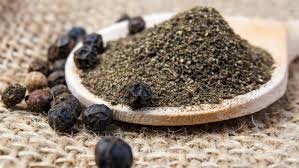
Black Pepper is a popular spice used in kitchens all around the world. It is not just any spice, it’s the king of spices. People have been using it for a very long time, even back in ancient times. You might be wondering, “What makes black pepper so special?” Well, let me tell you. Black pepper comes from tiny berries that grow on a plant called Piper nigrum. These berries are dried and then ground into the fine powder we know as black pepper.
One of the things that makes black pepper stand out is its strong and spicy flavor. When you sprinkle a bit of black pepper on your food, it can make it taste better by adding a little kick. It’s like a flavor booster for your meals.
But black pepper isn’t just about taste; it’s also good for your health. Some folks believe that black pepper can help with digestion. If you’ve ever had a tummy ache, a pinch of black pepper might do the trick. It’s like a friendly helper for your stomach.
Did you know that black pepper has been used for its medicinal properties for centuries? In some traditional medicine systems, black pepper has been used to treat things like coughs and colds. Some people even say it can help with things like arthritis.
And guess what? Black pepper isn’t just good on its own. It can team up with other spices like salt to make your food taste even better. That’s why you often see salt and pepper shakers together on the table. They’re like the dynamic duo of the spice world.
Black pepper also has a long history. It was once so valuable that people used it as currency. Imagine paying for things with pepper! It was like gold back in the day.
So, the next time you sprinkle some black pepper on your food, remember that you’re not just adding flavor, you’re also adding a bit of history and tradition to your plate. It’s amazing how something as simple as a tiny black berry can bring so much flavor and joy to our meals.
Read Also: How many plots of land do I need to start fish farming?
14 Health Benefits of Black Pepper
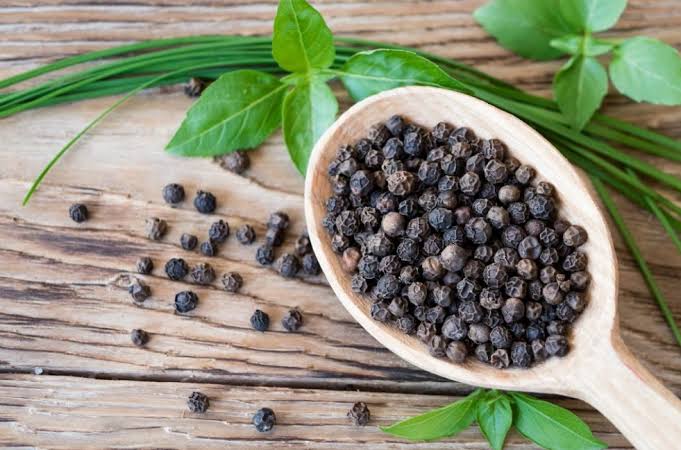
Here are 14 health benefits of black pepper:
1. Digestive Aid: Black pepper can help stimulate the production of digestive enzymes, making it easier for your body to digest food.
2. Antioxidant Properties: It contains antioxidants that can help protect your cells from damage caused by free radicals.
3. Anti-Inflammatory: Black pepper has anti-inflammatory properties that may help reduce inflammation in the body.
4. Weight Management: Some studies suggest that black pepper may aid in weight management by increasing metabolism and fat breakdown.
5. Respiratory Health: It is believed to have benefits for respiratory health and can help relieve symptoms of coughs and colds.
6. Enhanced Nutrient Absorption: Black pepper can improve the absorption of certain nutrients like curcumin (found in turmeric) when consumed together.
7. Heart Health: It may help lower blood pressure and reduce the risk of heart disease due to its antioxidant and anti-inflammatory properties.
8. Antibacterial Properties: Black pepper has natural antibacterial properties that can help fight against bacteria in the digestive tract.
9. Improved Brain Function: Some studies suggest that piperine, a compound in black pepper, may enhance cognitive function and memory.
10. Pain Relief: Topical application of black pepper oil may provide relief from muscle and joint pain.
11. Skin Health: Black pepper can be used in skincare products due to its antibacterial and antioxidant properties, promoting healthy skin.
12. Detoxification: It may support the body’s detoxification processes by increasing sweating and urination.
13. Cancer Prevention: Some research indicates that black pepper may have cancer-fighting potential, although more studies are needed.
14. Gut Health: Black pepper may help maintain a healthy gut by supporting the growth of beneficial gut bacteria.
Remember that while black pepper offers these potential benefits, it should be consumed in moderation as part of a balanced diet. If you have any specific health concerns or conditions, it’s a good idea to consult with a healthcare professional before making significant changes to your diet.
Scientific Evidence and Case Studies on Black Pepper
1. Antioxidant Properties: Black pepper contains piperine, a potent antioxidant that helps neutralize free radicals, potentially reducing oxidative stress and cellular damage.
2. Anti-inflammatory Effects: Piperine has been shown to reduce inflammation markers, which may help alleviate symptoms of chronic inflammatory conditions.
3. Digestive Health Support: Black pepper stimulates the production of digestive enzymes, enhancing nutrient absorption and reducing gastrointestinal discomfort.
4. Bioavailability Enhancement: Piperine increases the absorption of nutrients like curcumin and certain vitamins, improving their effectiveness in the body.
5. Antimicrobial Activity: Black pepper exhibits antimicrobial properties, inhibiting the growth of certain bacteria and fungi, which may support food preservation and gut health.
Turmeric Black Pepper
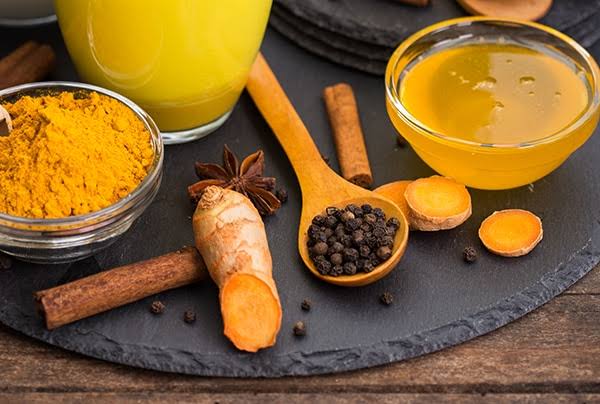
Turmeric and black pepper are two spices often found in kitchens around the world. These spices not only add flavor to dishes but also have potential health benefits. Let’s explore these two common kitchen ingredients.
Turmeric, a bright yellow spice, comes from the root of the turmeric plant. It has been used for centuries in traditional medicine and cooking in many Asian countries. Turmeric has a warm, earthy flavor and a slightly bitter taste. People use it to add color and flavor to a variety of dishes, such as curries, soups, and rice.
Black pepper, on the other hand, is a familiar spice known for its sharp and spicy taste. It is made from dried and ground peppercorns, which are the fruit of a flowering vine. Black pepper is a staple seasoning in kitchens worldwide and can be found on dining tables in many restaurants.
The interesting thing about turmeric and black pepper is that they are often used together in cooking. This combination is not just about enhancing flavor; there’s some science behind it. Turmeric contains a compound called curcumin, which is known for its potential health benefits. However, curcumin is not easily absorbed by the body. This is where black pepper comes into play.
Black pepper contains a compound called piperine. Piperine has been found to enhance the absorption of curcumin when the two are consumed together. This synergy between turmeric and black pepper makes them a powerful duo not only in the culinary world but also in the realm of natural health remedies.
Health Benefits of Turmeric and Black Pepper
Here are some health benefits of tumeric and black pepper
1. Anti-Inflammatory Properties: Curcumin in turmeric is believed to have anti-inflammatory effects, which may help with conditions like arthritis and joint pain.
2. Antioxidant Power: Both turmeric and black pepper possess antioxidants that can help protect your cells from damage caused by free radicals.
3. Digestive Aid: Black pepper has been used traditionally to aid digestion, while turmeric may help soothe an upset stomach.
4. صحة الدماغ: تشير بعض الدراسات إلى أن الكركمين قد يكون له تأثير إيجابي على الوظيفة الإدراكية وقد يقلل حتى من خطر الإصابة بالأمراض التنكسية العصبية.
5. صحة القلب: قد يدعم الكركم والفلفل الأسود معًا صحة القلب من خلال المساعدة في تنظيم مستويات الكوليسترول وضغط الدم.
6. دعم المناعة: يمكن لمضادات الأكسدة الموجودة في هذه التوابل أن تساهم في نظام مناعة أكثر صحة، مما يساعد جسمك على مكافحة العدوى.
7. إدارة الوزن: تشير بعض الأبحاث إلى أن الكركمين قد يساعد في إدارة الوزن عن طريق تعزيز فقدان الدهون وتقليل الالتهاب المرتبط بالسمنة.
من المهم ملاحظة أنه على الرغم من أن الكركم والفلفل الأسود يقدمان فوائد صحية محتملة، إلا أنهما ليسا علاجات معجزة. يمكن أن يكون دمج هذه التوابل في نظام غذائي متوازن جزءًا من نمط حياة صحي.
بالإضافة إلى ذلك، يقدم الكركم والفلفل الأسود، وهما من أساسيات المطبخ البسيطة، مجموعة من الفوائد الصحية المحتملة عند استخدامهما معًا. من تقليل الالتهاب إلى دعم صحة القلب والدماغ، تم تقدير هذه التوابل لخصائصها الطهي والطبية لعدة قرون. لذا، في المرة القادمة التي تقوم فيها بإعداد وجبة لذيذة، فكر في إضافة رشة من الكركم وقليل من الفلفل الأسود ليس فقط لإثارة ذوقك ولكن أيضًا لتعزيز صحتك.
اقرأ أيضًا: الأنواع المختلفة لإسكان الأسماك
الفلفل الأسود المطحون
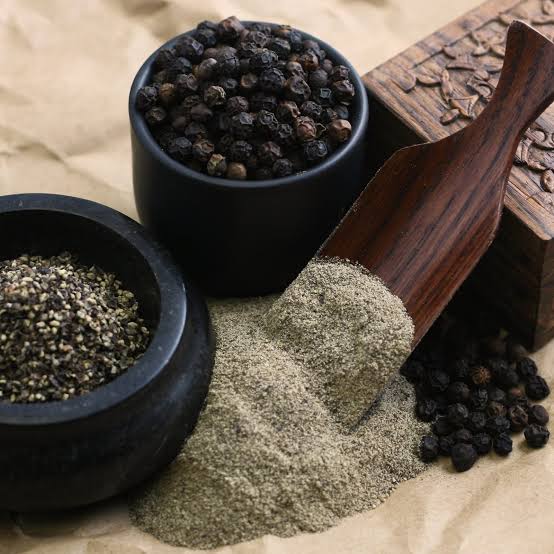
الفلفل الأسود المطحون هو بهار شائع يستخدم في المطابخ في جميع أنحاء العالم. إنه مصنوع من حبوب الفلفل الأسود التي يتم تجفيفها وطحنها إلى مسحوق ناعم. يضيف هذا البهار البسيط طعمًا مميزًا للعديد من الأطباق.
أحد الأشياء الرائعة في الفلفل الأسود المطحون هو تنوعه. يمكنك استخدامه في أي نوع من المأكولات تقريبًا. إنه ليس فقط لإضافة القليل من النكهة إلى طعامك؛ بل له أيضًا بعض الفوائد الصحية.
أولاً، يمكن للفلفل الأسود المطحون أن يعزز طعم وجباتك. له نكهة حادة وحارة يمكن أن تجعل أطباقك أكثر إثارة. مجرد رشة صغيرة يمكن أن تقطع شوطًا طويلاً في جعل طعامك ألذ.
لكن الأمر لا يتعلق فقط بالطعم. يمكن أن يكون الفلفل الأسود مفيدًا أيضًا لصحتك. تشير بعض الدراسات إلى أنه قد يساعد في عملية الهضم. يفعل ذلك عن طريق تحفيز إنتاج الإنزيمات الهاضمة في معدتك.
قد يكون للفلفل الأسود أيضًا خصائص مضادة للأكسدة. يمكن أن تساعد مضادات الأكسدة في حماية خلاياك من التلف. قد يكون هذا مفيدًا لصحتك العامة.
بالإضافة إلى ذلك، من السهل استخدام الفلفل الأسود المطحون. يمكنك رشه على أي شيء تقريبًا، من البيض المخفوق إلى الدجاج المشوي. حتى أن بعض الناس يضعونه على الفاكهة الطازجة مثل الفراولة لإضفاء لمسة فريدة عليها.
عند استخدام الفلفل الأسود المطحون، من المهم أن تتذكر عدم استخدام الكثير منه. يمكن أن تطغى نكهته القوية على طبقك إذا لم تكن حريصًا. لذا، ابدأ بكمية صغيرة وأضف المزيد إذا لزم الأمر.
أسئلة متداولة حول الفلفل الأسود
1. ما هو الفلفل الأسود؟ الفلفل الأسود هو بهار مصنوع من حبوب الفلفل المجففة والمطحونة، وهي ثمار نبات الفلفل الأسود (Piper nigrum)، المعروف بنكهته النفاذة والحارة.
2. كيف يستخدم الفلفل الأسود في الطهي؟ يُضاف إلى الأطباق مثل الحساء واللحوم والخضروات والصلصات لإضافة نكهة، سواء أثناء الطهي أو كتوابل نهائية.
3. هل الفلفل الأسود حار؟ لديه حرارة خفيفة وحادة تضيف دفئًا بدلاً من التوابل الشديدة، مما يجعله مناسبًا لمعظم الأذواق.
4. هل يمكن استخدام الفلفل الأسود في الأطباق غير المالحة؟ نعم، يعزز الحلويات مثل الشوكولاتة أو الأطباق التي أساسها الفاكهة، مما يضيف نكهة خفيفة.
5. ما هي الفوائد الصحية للفلفل الأسود؟ يوفر مضادات الأكسدة، ويقلل الالتهابات، ويساعد على الهضم، ويعزز امتصاص العناصر الغذائية.
6. كيف يجب تخزين الفلفل الأسود؟ يخزن في حاوية محكمة الإغلاق في مكان بارد وجاف للحفاظ على النكهة والفعالية لمدة تصل إلى عام.
7. هل الفلفل الأسود هو نفسه الفلفل الأبيض؟ لا، الفلفل الأبيض يأتي من نفس النبات ولكنه معالج بشكل مختلف، بنكهة أكثر اعتدالًا وبدون قشرة خارجية.
8. هل يمكن أن يسبب الفلفل الأسود آثارًا جانبية؟ باعتدال، هو آمن، ولكن الاستهلاك المفرط قد يهيج المعدة أو يتفاعل مع بعض الأدوية.
9. كيف تطحن الفلفل الأسود؟ استخدم مطحنة فلفل أو مطحنة للحصول على نكهة طازجة، أو اشترِ المطحون مسبقًا لتوفير الراحة، على الرغم من أنه يفقد فعاليته بشكل أسرع.
10. من أين يأتي الفلفل الأسود؟ نشأ في الهند ويزرع الآن في المناطق الاستوائية مثل فيتنام وإندونيسيا.
هل لديك أي أسئلة أو اقتراحات أو مساهمات؟ إذا كان الأمر كذلك، فلا تتردد في استخدام مربع التعليقات أدناه لتبادل أفكارك. نشجعك أيضًا على مشاركة هذه المعلومات مع الآخرين الذين قد يستفيدون منها. نظرًا لأننا لا نستطيع الوصول إلى الجميع مرة واحدة، فإننا نقدر حقًا مساعدتك في نشر الخبر. شكرًا جزيلاً لك على دعمك ومشاركتك!
إخلاء المسؤولية: هذه المقالة مخصصة للأغراض التعليمية والإعلامية فقط. تستند الفوائد الصحية الموصوفة إلى البحث العلمي والمعرفة التقليدية. وهي ليست بديلاً عن المشورة الطبية المهنية أو التشخيص أو العلاج. استشر دائمًا أخصائي الرعاية الصحية قبل استخدام أي عشب أو علاج طبيعي للأغراض الطبية.
اقرأ أيضًا: معدات تحويل النفايات إلى طاقة: ما تحتاج إلى معرفته