


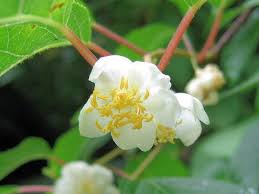
Actinidia polygama, commonly known as Silver Vine or Matatabi, is a captivating woody vine that belongs to the Actinidiaceae family. This unique plant hails from Eastern Asia, specifically Japan and China, where it has been revered for its intriguing characteristics and potential health benefits.
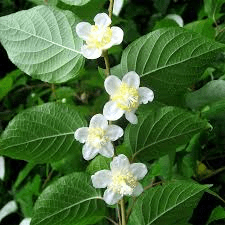
The leaves of Actinidia polygama are one of its most distinctive features. They are heart-shaped, green on the upper side, and adorned with a silvery-white underside. This silver hue contributes to its common name, Silver Vine. The leaves are typically 5 to 15 cm in length and have a soft, velvety texture.
The plant produces small, fragrant flowers that are either male or female. The flowers are white to pale yellow in color and grow in clusters. The fragrance of these flowers is one of the reasons Silver Vine is of interest to cats, similar to catnip.
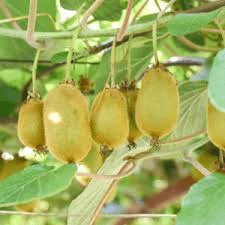
Actinidia polygama produces small, edible fruits that resemble kiwifruit, albeit smaller in size. The fruits are round and covered with fine, short hairs. They change in color as they ripen, starting from green and turning to a pale yellow-orange hue. While humans can consume these fruits, they are more commonly enjoyed by wildlife.
Silver Vine is a climbing vine that can grow to considerable lengths. Its tendrils aid in attaching to supporting structures, making it a versatile and ornamental addition to gardens or natural landscapes.
Actinidia polygama is native to the deciduous forests of Eastern Asia. It thrives in areas with well-draining soil and prefers partial shade to full sunlight. The plant’s growth can be vigorous, especially when provided with suitable support for its climbing nature.
Actinidia polygama has cultural and traditional significance in its native regions. It has been used in various folk remedies and traditional medicine practices for its potential health benefits, including stress relief and relaxation.
Silver Vine has garnered attention for its potential to enrich the lives of pets, particularly cats, due to its catnip-like effects. However, its appeal extends to humans as well, thanks to its various medicinal properties. As with any plant, responsible harvesting and cultivation are important to ensure its long-term availability and conservation.
Read Also: 20 Medicinal Health Benefits of Strophanthus sarmentosus (Creeping Strophanthus)
The Medicinal Health Benefits of Actinidia polygama (Silver Vine)

1. Relief from Stress and Anxiety: Actinidia polygama contains compounds like actinidine and dihydroactinidiolide that possess calming effects. These compounds can help reduce stress and anxiety, promoting a sense of relaxation.
2. Enhanced Sleep Quality: Silver Vine is believed to improve sleep quality due to its sedative properties. It may help individuals with insomnia or sleep disturbances to achieve a more restful sleep.
3. Anti-Inflammatory Properties: The plant contains active compounds that exhibit anti-inflammatory effects. Incorporating it into your wellness routine may aid in managing inflammation-related conditions.
4. Pain Relief: Actinidia polygama has been used traditionally for pain relief. It may alleviate mild discomfort and provide a natural alternative for pain management.
5. Stimulating Appetite: Silver Vine has been observed to stimulate appetite in some individuals. This can be particularly beneficial for those recovering from illnesses or dealing with appetite loss.
6. Digestive Support: The plant is believed to have digestive benefits, helping to soothe digestive discomfort and promote overall gastrointestinal health.
7. Oral Health: Silver Vine’s antibacterial properties make it a potential ally in maintaining oral health. It might help combat harmful bacteria in the mouth.
8. Immune System Boost: Rich in antioxidants, Actinidia polygama may contribute to boosting the immune system and protecting the body against oxidative stress.
9. Respiratory Health: Some traditional uses suggest that Silver Vine could be beneficial for respiratory health, potentially helping to relieve symptoms of coughs and congestion.
10. Mood Elevation: Consuming Silver Vine may lead to mood elevation and a general sense of well-being, thanks to its interactions with neurotransmitters in the brain.
Read Also: 10 Medicinal Health Benefits of Schisandra chinensis (Schisandra)
The Methods of Usage to Achieve the Provided Health Benefits of Actinidia polygama (Silver Vine)
1. Herbal Infusion as Tea: Create a soothing herbal infusion by steeping Actinidia polygama leaves or stems in hot water. This tea can be enjoyed to promote relaxation, alleviate stress, and support sleep quality.
2. Topical Application: Crush Silver Vine leaves and apply them topically to the skin. This method can provide localized relief for minor discomfort and potential anti-inflammatory effects.
3. Tinctures and Extracts: Prepare tinctures or extracts by soaking Silver Vine plant material in alcohol or a suitable solvent. These concentrated forms can be ingested or diluted for various health benefits.
4. Inhalation: Inhale the aroma of Silver Vine by placing a small amount of the dried plant material in a bowl of hot water. This can help with respiratory health and provide a calming effect.
5. Culinary Use: Incorporate Actinidia polygama leaves or fruits into your culinary creations. While less common, they can add a unique flavor to dishes, and the potential health benefits are an added bonus.
6. Capsules or Tablets: Some health stores offer Actinidia polygama in capsule or tablet form. These standardized forms can provide a convenient way to incorporate the plant’s benefits into your daily routine.
7. Aromatherapy: Use essential oils derived from Silver Vine for aromatherapy. Inhaling the aroma can contribute to mood elevation and relaxation.
The Side Effects of Using Actinidia polygama Medicinal Plant
1. Gastrointestinal Discomfort: In some cases, consumption of Actinidia polygama may lead to mild gastrointestinal discomfort, including stomachache or bloating.
2. Allergic Reactions: Individuals with sensitivities or allergies to plants in the Actinidiaceae family might experience allergic reactions when using Silver Vine.
3. Drowsiness or Sedation: Due to its potential sedative effects, consuming Silver Vine could lead to drowsiness. Avoid activities that require alertness after consumption.
4. Interactions with Medications: Silver Vine’s compounds might interact with certain medications. Consult a healthcare professional if you are taking prescribed drugs.
5. Skin Sensitivity: Direct contact with Silver Vine plant material could lead to skin irritation in sensitive individuals. Perform a patch test before topical application.
6. Drug Interaction with Sedatives: The sedative effects of Silver Vine could potentially interact with medications or substances that have similar effects, leading to increased drowsiness.
7. Pregnancy and Breastfeeding: Pregnant or breastfeeding individuals should exercise caution with Silver Vine, as its effects on these conditions are not well-studied.
8. Not Suitable for Children: Silver Vine may not be appropriate for use by children due to its potential effects on their developing systems.
9. آثار الاستخدام طويل الأمد: لم تتم دراسة الآثار طويلة الأمد للاستخدام المستمر لنبات سيلفر فاين (Silver Vine) على نطاق واسع. يُنصح باستخدامه باعتدال.
القيمة الغذائية لنبات أكتينيديا بوليغاما (Silver Vine)
1. الكربوهيدرات: تحتوي ثمار أكتينيديا بوليغاما على الكربوهيدرات، بشكل أساسي في صورة سكريات ونشا، مما يوفر مصدرًا للطاقة. توجد هذه الكربوهيدرات في التوت الصغير الصالح للأكل، على غرار أنواع الكيوي ذات الصلة، على الرغم من أن الثمار أقل استساغة وأصغر حجمًا.
يدعم محتوى الكربوهيدرات في التوت استخدامه التقليدي كمصدر غذائي ثانوي، ولكن قد تكون هناك حاجة إلى معالجة لتحسين المذاق والهضم.
2. الألياف: توجد الألياف الغذائية في لب الثمار والأوراق، مما يساعد على الهضم ويعزز صحة الأمعاء. تساعد الألياف في تنظيم حركة الأمعاء وقد تساهم في الصحة الأيضية العامة عند تناولها في المستحضرات العشبية.
كنبات متسلق، يعزز التركيب الليفي للنبات دوره في الأنظمة الغذائية التقليدية لدعم الجهاز الهضمي.
3. البروتين: توجد كميات ضئيلة من البروتين في الأوراق والثمار، مما يدعم إصلاح الأنسجة ونموها. على الرغم من أنه ليس غذاء عالي البروتين، إلا أنه يضيف إلى المكونات الغذائية في وجبات صغيرة تستخدم تقليديًا.
مستويات البروتين متواضعة، وتتماشى مع استخداماته الأساسية كنبات للزينة والعلاج بدلاً من كونه غذاءً أساسيًا.
4. فيتامين ج: الثمار غنية بفيتامين ج، على غرار أنواع أكتينيديا الأخرى، حيث تساهم المستويات في وظيفة المناعة والحماية المضادة للأكسدة. يدعم هذا الفيتامين تخليق الكولاجين ويكافح الإجهاد التأكسدي.
Vitamin C content makes the berries a potential source for nutritional supplements in traditional contexts.
5. Phenolic Compounds: The plant contains phenolic compounds, such as those identified in extracts, acting as antioxidants to reduce oxidative stress. These compounds support cellular health and may enhance the fruit’s overall nutritional value.
Phenolics are key to the plant’s bioactive profile, providing benefits beyond basic nutrition.
6. Flavonoids: Flavonoids, including quercetin derivatives, are present in the fruits and leaves, offering anti-inflammatory and antioxidant effects. They help protect against chronic diseases when incorporated into diets.
Flavonoids contribute to the plant’s high nutritional and therapeutic potential.
7. Minerals (Potassium): Potassium is found in the fruits, aiding electrolyte balance, nerve function, and muscle contractions. Levels are comparable to related kiwifruit, supporting hydration and cardiovascular health.
This mineral enhances the berries’ role as a hydrating and nutrient-dense food.
8. Minerals (Calcium): Trace calcium in the leaves and fruits supports bone health and muscle function. Though quantities are modest, it adds to the plant’s mineral profile for supplementary nutrition.
Calcium presence is inferred from genus studies, promoting its use in balanced diets.
9. Essential Oils: The stems and leaves contain essential oils with iridoids like nepetalactol, which have bioactive properties but minimal direct nutritional value. These compounds may aid digestion indirectly.
الزيوت العطرية هي أكثر دوائية، وتساهم في الفوائد الطبية للنبات بدلاً من التغذية الحرارية.
10. القلويات: توفر القلويات الموجودة في النبات فوائد صحية محتملة ولكنها ليست مغذيات أساسية. قد تؤثر على العمليات الأيضية، على الرغم من أن مخاوف السمية تحد من الاستهلاك.
أدلة علمية ودراسات حالة حول أكتينيديا متعددة الزوجات
1. كيم وآخرون. (2023): فحصت هذه الدراسة آثار مستخلص الإيثانول من أكتينيديا متعددة الزوجات (APEE) والمستخلص المائي (APWE) على تكوين التجاعيد في الفئران الخالية من الشعر المعرضة للأشعة فوق البنفسجية (UVB). قلل كلا المستخلصين بشكل كبير من تكوين التجاعيد، وحسّن مرونة الجلد، ومنع ميتالوبروتياز المصفوفة، مما يدل على فوائد مكافحة الشيخوخة الضوئية من خلال آليات مضادة للأكسدة (Kim, Y. J., et al. (2023). Effect of A. polygama APEE (Actinidia polygama ethanol extract) or APWE (Actinidia polygama water extract) on wrinkle formation in UVB-irradiated hairless mice. Journal of Cosmetic Dermatology, 22(2), 311-319).
2. لي وآخرون. (2024): بحث الباحثون في التأثيرات الوقائية لـ APWE ضد الشيخوخة الضوئية التي يسببها UVB عبر مسارات MAPK/AP-1 و TGFβ-Smad في المختبر وفي الجسم الحي. قمع المستخلص تدهور الكولاجين والالتهابات، مما يؤكد إمكاناته لتطبيقات صحة الجلد (Lee, J. O., et al. (2024). Actinidia polygama Water Extract (APWE) Protects Against UVB-Induced Photoaging via MAPK/AP-1 and TGFβ-Smad Pathway. Nutrients, 16(3), 389).
3. تشوي وآخرون. (2004): قيّمت هذه الدراسة النشاط المضاد للالتهابات لمستخلصات فاكهة Actinidia polygama في نماذج حيوانية للالتهاب. قللت المستخلصات بشكل كبير من وذمة الكف واستجابات الألم، ويعزى ذلك إلى تثبيط الوسطاء الالتهابيين، مما يدعم الاستخدامات التقليدية لالتهاب المفاصل والألم (Choi, B. T., et al. (2004). نشاط مضاد للالتهابات لـ Actinidia polygama. مجلة علم الأدوية العرقية، 91(1)، 51-54).
4. لاتوشا (2017): سلطت مراجعة الضوء على الخصائص الغذائية والعلاجية لأنواع Actinidia، بما في ذلك A. polygama، مشيرة إلى قدرتها العالية المضادة للأكسدة من المواد الفينولية والفلافونويدية. أظهرت المستخلصات تأثيرات مضادة للالتهابات، ومضادة للحساسية، ووقائية للكبد، مع إمكانية الوقاية من الأمراض التي تتوسط فيها المناعة (Latocha, P. (2017). الفوائد الغذائية والصحية للتوت الكيوي (Actinidia arguta) – مراجعة. الأطعمة النباتية للتغذية البشرية، 72(4)، 429-443).
أسئلة متكررة حول Actinidia polygama
1. هل Actinidia polygama آمن للاستهلاك البشري؟
الثمار صالحة للأكل ولكنها ليست مستساغة للغاية بسبب صغر حجمها وطعمها؛ وهي آمنة باعتدال. تستخدم المستخلصات طبيًا، ولكن استشر الطبيب للاستخدام العلاجي بسبب التفاعلات المحتملة.
2. ما هي أجزاء Actinidia polygama المستخدمة للقطط؟
يتم تجفيف السيقان والأوراق والنتوءات الثمرية وطحنها إلى مسحوق للقطط، مما يثير استجابات نشوة مماثلة للنعناع البري، وغالبًا ما تكون أكثر كثافة.
3. هل يمكن أن يساعد Actinidia polygama في مكافحة شيخوخة الجلد؟
تشير الدراسات إلى أن مستخلصاته تقلل التجاعيد وتحسن مرونة الجلد في النماذج المعرضة للأشعة فوق البنفسجية (UVB)، مما يوحي بفوائد مضادة للشيخوخة الضوئية لصحة الجلد.
4. أين ينمو Actinidia polygama؟
هو نبات أصلي في المناطق الجبلية في اليابان والصين وكوريا، ويزدهر على ارتفاعات تتراوح بين 500 و1900 متر في المناخات المعتدلة.
5. هل Actinidia polygama هو نفسه فاكهة الكيوي؟
لا، إنه نوع مرتبط في جنس Actinidia ولكنه ينتج ثمارًا أصغر وأقل عصارة؛ وهو معروف بقيمته الزخرفية وجذب القطط أكثر من فاكهة الكيوي التجارية.
6. هل لـ Actinidia polygama استخدامات طبية؟
يستخدم تقليديًا في الطب الشرقي لعلاج الألم والتهاب المفاصل والالتهابات وارتفاع ضغط الدم؛ وتدعم الدراسات الحديثة تأثيرات مضادة للالتهابات ومضادة للشيخوخة الضوئية.
7. كيف تزرع Actinidia polygama؟
يفضل الظل الجزئي والتربة جيدة التصريف والدعم للتسلق؛ وهو نبات ثنائي المسكن، ويتطلب نباتات ذكر وأنثى لإنتاج الثمار، وقادر على تحمل درجات حرارة تصل إلى -30 درجة مئوية.
8. هل Actinidia polygama سام للحيوانات الأليفة الأخرى غير القطط؟
إنه غير سام للقطط وآمن بشكل عام، ولكن تجنب تناوله من قبل الكلاب أو الحيوانات الأليفة الأخرى بكميات كبيرة بسبب الآثار غير المعروفة؛ ويستخدم بشكل أساسي لإثراء حياة القطط.
هل لديك أي أسئلة أو اقتراحات أو مساهمات؟ إذا كان الأمر كذلك، فلا تتردد في استخدام مربع التعليقات أدناه لتبادل أفكارك. نشجعك أيضًا على مشاركة هذه المعلومات مع الآخرين الذين قد يستفيدون منها. نظرًا لأننا لا نستطيع الوصول إلى الجميع مرة واحدة، فإننا نقدر حقًا مساعدتك في نشر الخبر. شكرًا جزيلاً على دعمكم وعلى المشاركة!
إخلاء المسؤولية: هذه المقالة هي للأغراض التعليمية والإعلامية فقط. الفوائد الصحية الموصوفة تستند إلى البحوث العلمية والمعرفة التقليدية. وهي ليست بديلاً عن المشورة الطبية المهنية أو التشخيص أو العلاج. استشر دائمًا أخصائي رعاية صحية قبل استخدام أي عشب أو علاج طبيعي للأغراض الطبية.
اقرأ أيضًا: 5 طرق للتخلص السليم من النفايات المعدنية الخاصة بك