


إن نبات الإريثروبليوم سويفولنس، المعروف باسم إريثروبليوم، هو نوع من الأشجار الاستوائية التي تنتمي إلى عائلة البقوليات (Fabaceae). تحتل هذه الشجرة الفريدة مكانة مميزة في مختلف النظم البيئية في جميع أنحاء أفريقيا، حيث تزدهر في موائل متنوعة تتراوح بين السافانا والغابات المطيرة.
توفر الخصائص والميزات النباتية للنبات رؤى حول هويته وقدرته على التكيف.
إريثروبليوم سويفولنس شجرة كبيرة يمكن أن يصل ارتفاعها إلى 30 مترًا (حوالي 98 قدمًا) أو أكثر.
عادة نموه منتصبة وطويلة، مع جذع محدد جيدًا يمكن أن يبلغ قطره حوالي 50 إلى 90 سم (حوالي 20 إلى 35 بوصة). لحاء الجذع خشن وملمسه مميز، مع تلون رمادي-بني يصبح متشققًا بعمق مع نضوج الشجرة.
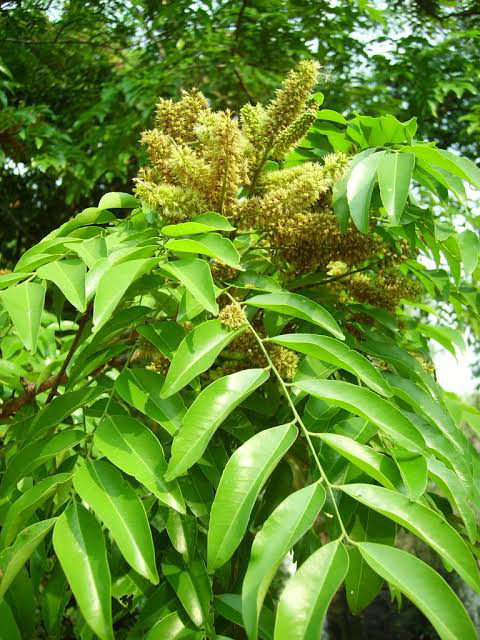
أوراق إريثروبليوم سويفولنس مركبة، متبادلة، وريشية في الترتيب. تتكون كل ورقة من عدة وريقات، تتراوح عادة من 5 إلى 13 وريقة لكل ورقة مركبة.
الوريقات مستطيلة ورمحية الشكل، ذات حافة ناعمة وسطح أخضر لامع. تنضح برائحة لطيفة عند سحقها، مما يضفي على النبات لقب “سويفولنس”، والذي يعني “ذو الرائحة الحلوة”.
أبرز سمات إريثروبليوم سويفولنس هي أزهاره الحمراء الزاهية. يتم ترتيب هذه الزهور في مجموعات كثيفة أو سنابل تنشأ من آباط الأوراق. الإزهارات آسرة بصريًا، مع تباين اللون الأحمر النابض بالحياة مع أوراق الشجر الخضراء المورقة.
الأزهار خنثى وغير منتظمة الشكل، وهي سمة مميزة للعديد من أعضاء عائلة البقوليات (Fabaceae).
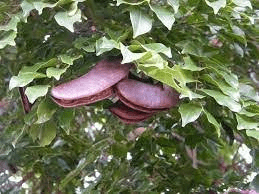
يطور إريثروبليوم سويفولنس قرونًا ثمرية مسطحة وممدودة. يمكن أن يصل طول هذه القرون إلى حوالي 10 إلى 20 سم (4 إلى 8 بوصات) وتحتوي على عدة بذور.
تكون القرون خضراء في البداية وتصبح بنية اللون عندما تنضج. البذور نفسها كبيرة ومسطحة، ولها شكل بيضاوي مميز.
ينتمي نبات Erythrophleum suaveolens إلى مناطق مختلفة في أفريقيا، بما في ذلك غرب إفريقيا ووسط إفريقيا وأجزاء من شرق إفريقيا. يزدهر في بيئات بيئية متنوعة، تتراوح من الأراضي العشبية المفتوحة والسافانا إلى الغابات المطيرة الكثيفة.
ساهمت قدرة الشجرة على التكيف مع الظروف البيئية المختلفة في انتشارها على نطاق واسع.
يحمل نبات Erythrophleum suaveolens أهمية ثقافية وتقليدية في العديد من المجتمعات الأفريقية. بالإضافة إلى استخداماته الطبية، يُقدر خشب الشجرة لمتانته ومقاومته للآفات، مما يجعله مناسبًا لأعمال البناء والنجارة.
بالإضافة إلى ذلك، تتمتع الأزهار الحمراء اللافتة للنظر بجمعيات ثقافية ويمكن استخدامها في الطقوس والاحتفالات.
اقرأ أيضًا: الجذر الوتدي للحمص/الحمص: الأهمية الاقتصادية والاستخدامات والمنتجات الثانوية
الفوائد الصحية الطبية لـ Erythrophleum suaveolens (Erythrophleum)
1. تسكين الآلام: يُعرف نبات Erythrophleum suaveolens بخصائصه المسكنة، والتي يمكن أن توفر الراحة من أنواع مختلفة من الألم، بما في ذلك الصداع وآلام العضلات وآلام المفاصل. قد تعمل المركبات الموجودة في النبات كمسكنات طبيعية للألم، مما يساعد على تخفيف الانزعاج.
2. تأثيرات مضادة للالتهابات: يمكن أن تساعد الخصائص المضادة للالتهابات في النبات في تقليل الالتهاب في جميع أنحاء الجسم. هذا يجعله مفيدًا في إدارة حالات مثل التهاب المفاصل والأمراض الجلدية الالتهابية والاستجابات الالتهابية العامة.
3. دعم الجهاز التنفسي: يمتلك Erythrophleum suaveolens خصائص موسعة للشعب الهوائية وطاردة للبلغم يمكن أن تساعد في تخفيف مشاكل الجهاز التنفسي مثل السعال والتهاب الشعب الهوائية والربو. قد يساعد في إرخاء ممرات مجرى الهواء وتعزيز طرد المخاط.
4. صحة القلب: قد تساهم المركبات الموجودة في Erythrophleum suaveolens في صحة القلب والأوعية الدموية من خلال المساعدة في تنظيم ضغط الدم وتحسين الدورة الدموية ودعم وظائف القلب بشكل عام.
5. التئام الجروح: قد يساعد التطبيق الموضعي لمستخلصات أو مستحضرات Erythrophleum suaveolens في التئام الجروح. يمكن أن تساعد خصائص النبات المضادة للميكروبات في منع العدوى، في حين أن تأثيراته المجددة للأنسجة تعزز الشفاء بشكل أسرع.
6. الحماية المضادة للأكسدة: Erythrophleum suaveolens غني بمضادات الأكسدة، التي تلعب دورًا حاسمًا في تحييد الجذور الحرة الضارة في الجسم. يمكن أن يساعد ذلك في تقليل خطر الإصابة بالأمراض المزمنة ودعم الصحة العامة.
7. خفض الحمى: يمتلك النبات خصائص خافضة للحرارة، مما يعني أنه يمكن أن يساعد في خفض الحمى وتنظيم درجة حرارة الجسم. لقد استخدم تقليديًا لإدارة الحمى.
8. تخفيف الجهاز الهضمي: تم استخدام Erythrophleum suaveolens لمعالجة اضطرابات الجهاز الهضمي مثل الإسهال وعسر الهضم وتشنجات المعدة. قد تساعد خصائصه المهدئة في تخفيف اضطرابات الجهاز الهضمي.
9. تعزيز المناعة: قد تحفز بعض المركبات الموجودة في Erythrophleum suaveolens جهاز المناعة، مما يعزز آليات الدفاع الطبيعية للجسم ضد الالتهابات والأمراض.
10. دعم الجهاز العصبي: يمكن أن تساهم تأثيرات النبات المهدئة على الجهاز العصبي في تقليل القلق والتوتر والضغط العصبي. قد يكون له تأثير مهدئ على كل من العقل والجسم.
11. إدارة مرض السكري: تشير الدراسات الأولية إلى أن Erythrophleum suaveolens قد يساعد في تنظيم مستويات السكر في الدم، مما يجعله مفيدًا محتملًا لإدارة مرض السكري. ومع ذلك، هناك حاجة إلى مزيد من البحث في هذا المجال.
12. صحة الكبد: تم استخدام Erythrophleum suaveolens لدعم وظائف الكبد وإزالة السموم. قد تساعد مركباته في الحفاظ على صحة الكبد المثلى.
13. صحة الجلد: قد يساهم التطبيق الموضعي لمستخلصات Erythrophleum suaveolens في صحة الجلد من خلال معالجة الأمراض الجلدية المختلفة مثل الطفح الجلدي والتهيج والالتهابات.
14. خصائص مضادة للبكتيريا والفيروسات: يمكن أن تساعد مركبات النبات المضادة للبكتيريا والفيروسات في مكافحة الالتهابات البكتيرية والفيروسية، مما يوفر حماية إضافية ضد مسببات الأمراض.
15. الطقوس التقليدية: يحمل Erythrophleum suaveolens أهمية ثقافية في بعض المناطق حيث يتم استخدامه في الطقوس والاحتفالات التقليدية بسبب خصائصه العلاجية والروحية المتصورة.
اقرأ المزيد: 10 فوائد صحية طبية لـ Euphorbia candelabrum (شجرة الحليب الأفريقية)
طرق الاستخدام لتحقيق الفوائد الصحية المقدمة من Erythrophleum suaveolens (Erythrophleum)
1. Herbal Tea: Prepare an herbal tea by steeping dried Erythrophleum suaveolens leaves or bark in hot water for about 10-15 minutes. This can be consumed to enjoy the plant’s health benefits, such as pain relief and respiratory support.
2. Topical Applications: Create poultices or ointments using powdered Erythrophleum suaveolens bark or leaves mixed with a suitable carrier oil. Apply these topically to wounds, bruises, or skin irritations to aid in wound healing and provide relief.
3. Tinctures: Tinctures can be made by soaking Erythrophleum suaveolens plant parts in alcohol or glycerin for several weeks. These tinctures can then be taken orally, usually in small diluted doses, to benefit from the plant’s medicinal properties.
4. Infused Oil: Prepare infused oil by steeping dried Erythrophleum suaveolens leaves or bark in a carrier oil (e.g., olive oil) for a period of time. This oil can be used for massage or as a topical application for various skin issues.
5. Decoctions: For stronger preparations, make a decoction by boiling Erythrophleum suaveolens bark or leaves in water. Decoctions are more concentrated than teas and are often used for conditions that require a potent remedy.
6. Inhalation: Inhale the steam from a bowl of hot water infused with Erythrophleum suaveolens leaves or bark. This can provide respiratory relief and soothe coughs and congestion.
7. Traditional Rituals: In cultures where Erythrophleum suaveolens holds spiritual significance, it may be used in traditional rituals, ceremonies, or cleansing practices.
8. Supplements and Formulations: Erythrophleum suaveolens extracts and supplements are available in various forms, including capsules, tablets, and liquid extracts. These standardized products provide a convenient way to incorporate the plant’s benefits into your routine.
9. Expert Guidance: It’s important to note that Erythrophleum suaveolens contains potent compounds, and its usage should be approached with caution. Before using any form of Erythrophleum suaveolens for medicinal purposes, it’s recommended to consult a qualified healthcare professional or herbalist.
They can provide personalized guidance on dosage, methods of preparation, and potential interactions.
10. Precautions: Do not exceed recommended dosages, as high amounts of Erythrophleum suaveolens can lead to adverse effects.
Pregnant and nursing women, as well as individuals with pre-existing medical conditions or those taking medications, should consult a healthcare provider before using Erythrophleum suaveolens.
The Side Effects of Using Erythrophleum suaveolens Medicinal Plant
1. Nausea and Vomiting: Consuming excessive amounts of Erythrophleum suaveolens or using it in a concentrated form may lead to nausea and vomiting. This is why it’s crucial to follow recommended dosages and methods of preparation.
2. Diarrhea and Stomach Upset: In some cases, the plant’s compounds can have a laxative effect on the digestive system, leading to diarrhea and stomach discomfort. This is more likely to occur with higher doses.
3. Cardiac Effects: Erythrophleum suaveolens contains bioactive compounds that can affect the cardiovascular system. High doses or prolonged use may lead to cardiac issues, including irregular heartbeats. Individuals with heart conditions should be particularly cautious.
4. Allergic Reactions: Some individuals may be sensitive or allergic to certain compounds present in Erythrophleum suaveolens. Allergic reactions can range from mild skin irritation to more severe symptoms. It’s advisable to perform a patch test before applying the plant topically.
5. Interaction with Medications: Erythrophleum suaveolens may interact with certain medications, especially those that affect the heart, blood pressure, or blood sugar levels. If you’re taking any prescription medications, consult a healthcare professional before using Erythrophleum suaveolens.
6. Pregnancy and Breastfeeding: The safety of using Erythrophleum suaveolens during pregnancy and breastfeeding has not been well studied. It’s best to avoid using it during these periods to prevent potential risks to the developing fetus or nursing baby.
7. Neurological Effects: In high doses, some compounds in Erythrophleum suaveolens may affect the nervous system and lead to symptoms such as dizziness, confusion, or sedation.
8. Photosensitivity: Topical application of Erythrophleum suaveolens extracts may increase sensitivity to sunlight, leading to skin reactions when exposed to the sun. It’s advisable to avoid sun exposure after using topical products containing the plant.
9. Individual Variations: Individual responses to Erythrophleum suaveolens can vary widely. What works well for one person might not be suitable for another. It’s important to pay attention to your body’s reactions and discontinue use if you experience any adverse effects.
Nutritional Value of Erythrophleum suaveolens (Erythrophleum)
1. Protein: The seeds of Erythrophleum suaveolens contain protein, though exact quantities are not well-documented. Proteins are essential for tissue repair and growth, but the seeds’ toxicity limits their use as a food source without careful processing.
2. Carbohydrates: The seeds and pods may contain carbohydrates, primarily in the form of starches. These provide energy, but their nutritional contribution is minimal due to the plant’s toxic alkaloids, requiring detoxification for safe consumption.
3. Fiber: The pods and seeds likely contain dietary fiber, which supports digestive health. Fiber aids in regulating bowel movements, but its benefits are overshadowed by the need for extensive preparation to remove toxic compounds.
4. Alkaloids: The bark and seeds are rich in alkaloids (0.3–1.5% in bark), such as cassaine and erythrophleine. While not a nutrient, these bioactive compounds have medicinal potential, including cardiovascular effects, but are toxic in raw form.
5. Phenolic Compounds: The plant contains phenolics like procyanidins, which act as antioxidants. These may help reduce oxidative stress, supporting cellular health when properly extracted and used in controlled doses.
6. Resveratrol: The bark contains resveratrol, a trihydroxystilbene with antioxidant, antiplatelet, and vasodilatory properties. It may support heart health by reducing the risk of atherosclerosis, though it’s not a primary nutrient.
7. Flavones: The bark includes luteolin, a flavone with antioxidant and anti-inflammatory properties. This compound may contribute to health benefits like reducing inflammation, but its nutritional role is secondary.
8. Minerals (Calcium): Trace amounts of calcium may be present in the seeds or leaves, supporting bone health. However, specific mineral content is not well-documented, and toxicity concerns limit direct consumption.
9. Fatty Acids: The seeds may contain small amounts of lipids, providing energy and supporting cell membrane function. Exact lipid profiles are not extensively studied, and their nutritional value is limited by toxicity.
10. Nitrogen Compounds: As a nitrogen-fixing legume, Erythrophleum suaveolens enriches soil with nitrogen, indirectly supporting plant-based nutrition in agroforestry systems. Direct nutritional benefits for humans are minimal due to toxicity.
Scientific Evidence and Case Studies on Erythrophleum suaveolens
1. Dongmo et al. (2001): This study investigated the stem bark extracts of Erythrophleum suaveolens for anti-inflammatory and analgesic properties. The extracts significantly reduced inflammation and pain in animal models, suggesting potential for treating conditions like arthritis or muscle pain (Dongmo, A. B., Kamanyi, A., Anchang, M. S., Chungag-Anye Nkeh, B., Njamen, D., Nguelefack, T. B., Nole, T., & Wagner, H. (2001). Anti-inflammatory and analgesic properties of the stem bark extracts of Erythrophleum suaveolens (Caesalpiniaceae), Guillemin & Perrottet. Journal of Ethnopharmacology, 77(2-3), 137-141).
2. Kela et al. (2014): Research by Kela et al. examined the acute toxicity of Erythrophleum suaveolens stem bark hydro-extracts in albino mice. At doses of 50–100 mg/kg, no mortality was observed, but higher doses (150–300 mg/kg) caused increasing mortality (20–100%), with an LD50 of 223.8 mg/kg, confirming its toxic potential and need for cautious use (Kela, S. L., Akinyede, A. A., & Ogbole, O. O. (2014). Acute toxicity studies of Erythrophleum suaveolens in albino mice (Mus musculus). International Journal of Scientific and Research Publications).
3. إكيميلو وآخرون (2020): اختبرت هذه الدراسة مستخلصات نشارة الخشب ولحاء الساق من Erythrophleum suaveolens للنشاط المضاد للبكتيريا ضد البكتيريا المحللة للخشب. أظهرت المستخلصات تثبيطًا كبيرًا، مما يشير إلى تطبيقات محتملة مضادة للميكروبات للاستخدامات الطبية أو الحافظة (Ekhuemelo, D., Ekhuemelo, C., & Tembe, E. (2020). الأنشطة المضادة للبكتيريا لنشارة الخشب ولحاء الساق لشجرة الساسوود (Erythrophleum suaveolens, Guill. and Perr. Brenan, 1917) مستخلصات ضد بكتيريا الخشب المختارة. المجلة النيجيرية للتكنولوجيا الحيوية، 36(2)، 52-61).
4. مغبنكا وآخرون (1998): استكشف بحث أجراه مغبنكا وآخرون مستخلصات أوراق Erythrophleum suaveolens كمخدر لسمك السلور الكلاري. عملت المستخلصات على تخدير الأسماك بشكل فعال، مما يشير إلى إمكانية استخدامها في التطبيقات الدوائية الخاضعة للرقابة، على الرغم من أنها لا تتعلق بشكل مباشر بصحة الإنسان (Mgbenka, B. O., & Ejiofor, E. N. (1998). تأثيرات مستخلصات الأوراق المجففة من Erythrophleum suaveolens كمخدر على سمك السلور الكلاري. مجلة الاستزراع المائي التطبيقي، 8(4)، 73-80).
أسئلة متكررة حول Erythrophleum suaveolens
1. هل Erythrophleum suaveolens آمن للاستهلاك؟
لا، إنه شديد السمية بسبب قلويدات مثل الكاسين والإريثروبليين الموجودة في اللحاء والبذور. يمكن أن يسبب الاستهلاك بدون إزالة السموم بشكل صحيح أعراضًا حادة، بما في ذلك التشنجات والموت.
2. ما هي أجزاء Erythrophleum suaveolens المستخدمة طبيًا؟
يستخدم اللحاء والجذور في الطب التقليدي لتخفيف الألم، ولأغراض مضادة للالتهابات، وكطارد للديدان، ولكن فقط بعد إعداد دقيق بسبب سميتها.
3. هل يمكن استخدام Erythrophleum suaveolens لتخفيف الألم؟
نعم، تُظهر الدراسات أن مستخلصات لحاءه لها خصائص مسكنة، وهي فعالة لعلاج الصداع وآلام المفاصل، ولكن استخدامها يتطلب إشرافًا احترافيًا بسبب السمية المحتملة.
4. هل يستخدم Erythrophleum suaveolens في الطب الحديث؟
ليس على نطاق واسع، لأن سميته تحد من التطبيقات الصيدلانية. ومع ذلك، يتم دراسة مركبات مثل ريسفيراترول في اللحاء لفوائد القلب والأوعية الدموية المحتملة والمضادة للالتهابات.
5. كيف يتم استخدام Erythrophleum suaveolens في الثقافات الأفريقية؟
يستخدم في الطب التقليدي لعلاج الألم ومشاكل الجهاز التنفسي والتهابات الديدان. تاريخيًا، تم استخدام لحائه في محاكمات “sassywood” عن طريق المحنة، على الرغم من أن هذه الممارسة قد توقفت إلى حد كبير.
6. هل يمكن أن يفيد Erythrophleum suaveolens البيئة؟
نعم، كشجرة مثبتة للنيتروجين، فإنها تحسن خصوبة التربة وتدعم أنظمة الحراجة الزراعية، على الرغم من أن نشارة أوراقها قد تؤثر سلبًا على بعض غلات المحاصيل.
7. هل خشب Erythrophleum suaveolens ذو قيمة؟
نعم، يتم استخدام خشبه المتين والمقاوم للآفات في البناء والأثاث وبناء السفن، ويتم تداوله تجاريًا باسم “tali” في مناطق مثل الكاميرون.
8. ما هي مخاطر التعامل مع Erythrophleum suaveolens؟
يمكن أن يسبب اللحاء والبذور سمية إذا تم تناولها أو سوء التعامل معها، مما يؤدي إلى أعراض مثل الأرق والتشنجات أو ضيق التنفس. التدابير الوقائية ضرورية أثناء المعالجة.
هل لديك أي أسئلة أو اقتراحات أو مساهمات؟ إذا كان الأمر كذلك، فلا تتردد في استخدام مربع التعليقات أدناه لتبادل أفكارك. نشجعك أيضًا على مشاركة هذه المعلومات مع الآخرين الذين قد يستفيدون منها. نظرًا لأننا لا نستطيع الوصول إلى الجميع مرة واحدة، فإننا نقدر حقًا مساعدتك في نشر الخبر. شكرا جزيلا لدعمكم ولمشاركتكم!
إخلاء المسؤولية: هذه المقالة هي للأغراض التعليمية والإعلامية فقط. الفوائد الصحية الموصوفة تستند إلى البحث العلمي والمعرفة التقليدية. وهي ليست بديلاً عن المشورة الطبية المتخصصة أو التشخيص أو العلاج. استشر دائمًا أخصائي الرعاية الصحية قبل استخدام أي عشب أو علاج طبيعي للأغراض الطبية.
اقرأ أيضًا: لماذا تعتبر جرارات جون ديري الأفضل لدفع الإنتاجية الزراعية