


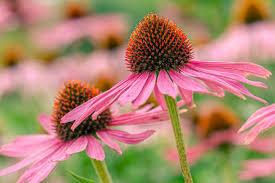
Echinacea purpurea, commonly known as purple coneflower, is a remarkable medicinal plant with a rich history of traditional use and a wide array of health benefits. In this comprehensive article, we will delve into the various facets of Echinacea purpurea, exploring its botanical description, historical medicinal uses, and its significant role in promoting overall health.
The story of Echinacea purpurea’s medicinal use dates back centuries, with indigenous communities in North America harnessing its healing properties long before it gained recognition in modern medicine. Native American tribes, such as the Plains Indians, utilized Echinacea purpurea as a remedy for various ailments. Its effectiveness in treating wounds, infections, and respiratory issues earned it a prominent place in their herbal medicine repertoire.
European settlers in North America soon adopted the use of Echinacea purpurea, leading to its introduction to Western herbal medicine in the late 19th century. Since then, it has gained global recognition for its immune-boosting and healing properties.
The Botanical Description of Echinacea purpurea
The botanical description of Echinacea purpurea provides valuable insights into its unique characteristics and features. Here, we will list and explain six key aspects of the botanical description of Echinacea purpurea:
1. Family and Genus: Echinacea purpurea belongs to the Asteraceae family, which is also known as the daisy or sunflower family. Its genus, Echinacea, comprises several species, but Echinacea purpurea stands out as one of the most widely recognized and studied.
2. Growth Habit: Echinacea purpurea is a herbaceous perennial plant, meaning it lives for more than two years and typically does not develop woody stems. It exhibits a bushy growth habit, with multiple stems rising from a central base.
3. Height and Size: Mature Echinacea purpurea plants can reach a height of 2 to 4 feet (60 to 120 cm). They form dense clumps, and individual plants can spread to a width of 1 to 2 feet (30 to 60 cm).
4. Leaves: The leaves of Echinacea purpurea are lance-shaped, with serrated edges. They are typically dark green and can grow up to 6 inches (15 cm) long. The leaves are arranged alternately along the stems.
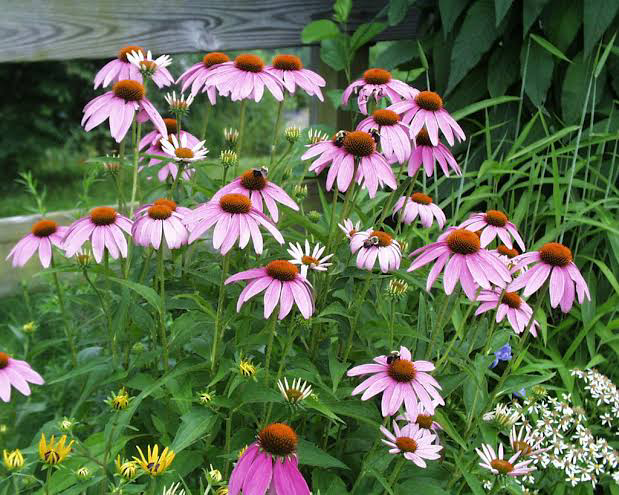
5. Flowers: Echinacea purpurea is renowned for its stunning, daisy-like flowers. The flowers are characterized by their distinctive cone-shaped, spiky centers, which are surrounded by vibrant purple or pink petals. These colorful petals attract pollinators such as bees and butterflies.
6. Root System: Beneath the soil, Echinacea purpurea develops a fibrous root system. The roots are usually slender and elongated, making them well-suited for extracting the plant’s medicinal compounds.
The Geographic Distribution of Echinacea purpurea
Echinacea purpurea is naturally distributed across various regions in North America. Here, we will list and explain six key aspects of the geographic distribution of Echinacea purpurea:
1. Native Range: Echinacea purpurea is native to the eastern and central regions of North America, including parts of the United States and Canada. It thrives in a range of habitats, from open woodlands to prairies.
2. Widely Cultivated: Due to its popularity as a medicinal herb, Echinacea purpurea is now cultivated in many countries around the world, extending its geographic presence beyond its native range.
3. Hardiness Zones: Echinacea purpurea is well-suited to grow in USDA hardiness zones 3 to 8, making it adaptable to a broad geographic range within North America.
4. Soil Preference: This plant prefers well-draining soils and can tolerate a variety of soil types, from sandy loam to clay, further expanding its geographic adaptability.
5. Sunlight Requirements: Echinacea purpurea thrives in full sun to partial shade, making it suitable for various climatic conditions and latitudes.
6. Natural Habitats: In its native range, Echinacea purpurea can be found in grasslands, meadows, and open woodland areas, often growing alongside other native plants.
The Chemical Composition of Echinacea purpurea
The chemical composition of Echinacea purpurea plays a crucial role in its medicinal properties. Here, we will list and explain seven key components found in Echinacea purpurea:
1. Alkamides: Alkamides are bioactive compounds that contribute to Echinacea purpurea’s immune-stimulating effects. They have been shown to enhance the activity of immune cells.
2. Polysaccharides: Polysaccharides in Echinacea purpurea may have immunomodulatory effects, helping the body respond to infections and inflammation.
3. Flavonoids: Flavonoids are antioxidants found in Echinacea purpurea, which can help combat oxidative stress and inflammation.
4. Caffeic Acid Derivatives: These compounds have anti-inflammatory and antioxidant properties, making them valuable for overall health.
5. Essential Oils: Echinacea purpurea contains essential oils with potential antimicrobial and anti-inflammatory effects.
6. Chicoric Acid: Chicoric acid is a unique compound in Echinacea purpurea known for its potential antiviral and antioxidant properties.
7. Polyacetylenes: Polyacetylenes are compounds with antimicrobial properties that may contribute to Echinacea purpurea’s ability to combat infections.
The Cultivation and Growth of Echinacea purpurea
Successful cultivation is essential for harnessing the medicinal benefits of Echinacea purpurea. Here, we will list and explain five key aspects of the cultivation and growth of Echinacea purpurea:
1. Soil Preparation: Echinacea purpurea thrives in well-draining soil. Prepare the soil by adding organic matter and ensuring good drainage to promote healthy root development.
2. Sunlight Requirements: Plant Echinacea purpurea in an area with full sun to partial shade, as it requires adequate sunlight for optimal growth and flowering.
3. Planting Depth: Sow seeds or transplant young Echinacea purpurea plants at a depth of about 1/4 inch (6 mm) in the soil. Ensure proper spacing to allow for mature plant growth.
4. Watering: Provide regular, moderate watering, especially during the plant’s establishment phase. Once established, Echinacea purpurea is relatively drought-tolerant.
5. Maintenance: Prune dead flower heads to encourage continuous blooming and prevent self-seeding, which can lead to overcrowding.
The Harvesting and Processing of Echinacea purpurea
Harvesting and processing Echinacea purpurea correctly are critical to preserving its medicinal properties. Here, we will list and explain eight key steps in the harvesting and processing of Echinacea purpurea:
1. Harvesting Time: Harvest Echinacea purpurea when it’s in full bloom, typically during the summer months. Choose flowers with vibrant petals and healthy foliage.
2. Cutting Stems: Use sharp, clean pruning shears to cut the stems just below the flower heads. Leave some leaves on the stem for photosynthesis.
3. Drying: Hang the harvested stems upside down in a well-ventilated area to dry. Ensure they are protected from direct sunlight and moisture.
4. Stripping Leaves and Flowers: Once dried, strip the leaves and flowers from the stems. Store them separately in airtight containers to maintain freshness.
5. Root Harvest: For root harvest, dig up mature Echinacea purpurea plants in the fall. Wash and clean the roots thoroughly.
6. Root Drying: Cut the roots into small pieces and dry them in a cool, dark place. Properly dried roots should snap when bent.
7. Grinding: Grind the dried leaves, flowers, or roots into a fine powder using a clean grinder or mortar and pestle.
8. Storage: Store the powdered Echinacea purpurea in airtight containers away from light and moisture to preserve its potency.
Read Also: 15 Medicinal Health Benefits Of Apocynum androsaemifolium (Spreading Dogbane)
The Medicinal Health Benefits Of Echinacea purpurea (Purple Coneflower)
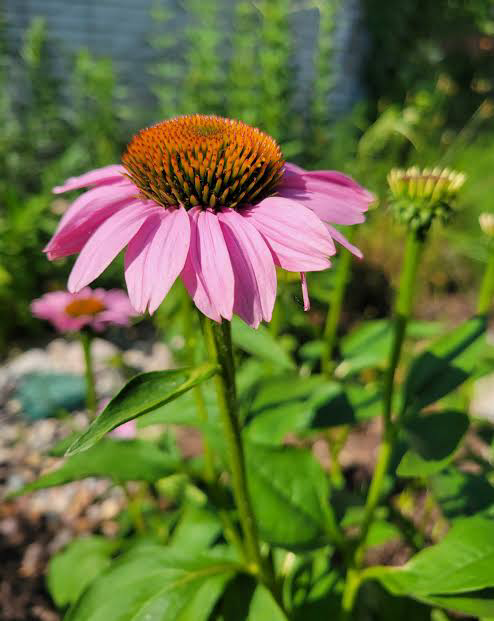
Echinacea purpurea, commonly known as purple coneflower, offers a diverse range of medicinal health benefits, making it a valuable herbal remedy. Here, we will list and explain 15 of these health benefits:
1. Immune System Support: Echinacea purpurea is renowned for its immune-boosting properties. It can enhance the body’s natural defenses against infections.
2. Cold and Flu Relief: This herb is often used to alleviate symptoms of the common cold and flu, such as congestion and sore throat.
3. Respiratory Health: Echinacea purpurea may help ease respiratory issues, including bronchitis and sinusitis, by reducing inflammation.
4. Wound Healing: Topical applications of Echinacea purpurea can promote wound healing and reduce the risk of infection.
5. Antibacterial Properties: It exhibits antibacterial effects, aiding in the treatment of bacterial infections.
6. Antiviral Effects: Echinacea purpurea may help combat various viruses, including the herpes simplex virus (HSV).
7. Anti-Inflammatory Action: It possesses anti-inflammatory properties that can alleviate conditions like arthritis and joint pain.
8. Pain Relief: This herb can be used to manage pain, making it useful for conditions such as headaches and toothaches.
9. Skin Health: Echinacea purpurea is known to improve skin health and may be beneficial for conditions like eczema and psoriasis.
10. Allergy Relief: Some individuals use Echinacea purpurea to alleviate allergy symptoms, although its efficacy varies among users.
11. Blood Sugar Regulation: Preliminary research suggests that it may help regulate blood sugar levels, potentially aiding individuals with diabetes.
12. Anxiety and Stress Reduction: Echinacea purpurea’s calming effects can contribute to reduced anxiety and stress.
13. Antioxidant Properties: It contains antioxidants that protect cells from oxidative damage and reduce the risk of chronic diseases.
14. Digestive Health: Echinacea purpurea may support digestion and relieve gastrointestinal discomfort.
15. Cancer Prevention: Some studies suggest that Echinacea purpurea may have potential in cancer prevention, although more research is needed in this area.
The Methods of Usage to Achieve the Provided Health Benefits Of Echinacea purpurea (Purple Coneflower)
To harness the medicinal health benefits of Echinacea purpurea effectively, various methods of usage are employed. Here, we will list and explain six common methods:
1. Herbal Tea: Brewing Echinacea purpurea as a tea is a popular method. Steep dried leaves, flowers, or roots in hot water for 10-15 minutes and drink up to three times a day.
2. Tinctures: Tinctures are concentrated liquid extracts of Echinacea purpurea. They are easy to dose and can be taken directly or diluted in water.
3. Capsules and Tablets: Echinacea purpurea is available in capsule or tablet form, providing a convenient way to incorporate it into your daily routine.
4. Topical Applications: Creams, ointments, and salves containing Echinacea purpurea are applied to wounds, skin conditions, or insect bites for healing and relief.
5. Echinacea Gargles and Mouthwashes: These are used for throat and oral health. Gargling or rinsing with Echinacea solutions can help alleviate discomfort.
6. Echinacea-Infused Oils: Infused oils are applied topically to soothe skin irritations and promote healing.
The Side Effects Of Using Echinacea purpurea Medicinal Plant
While Echinacea purpurea offers numerous health benefits, it’s important to be aware of potential side effects. Here, we will list and explain eight possible side effects:
1. Allergic Reactions: Some individuals may experience allergic reactions, including skin rashes, itching, or swelling.
2. Digestive Issues: Echinacea purpurea can cause stomach upset, nausea, or diarrhea in some people.
3. Interactions with Medications: It may interact with certain medications, so consult a healthcare provider before use, especially if taking immunosuppressants.
4. Autoimmune Conditions: People with autoimmune disorders should use Echinacea purpurea with caution, as it may stimulate the immune system.
5. Prolonged Use: Long-term use of Echinacea purpurea may reduce its effectiveness, so it’s advisable to use it intermittently.
6. Cross-Reactivity: Individuals allergic to plants in the Asteraceae family (e.g., ragweed) may also be allergic to Echinacea purpurea.
7. Headache and Dizziness: Some users report mild side effects like headaches and dizziness.
8. Pregnancy and Breastfeeding: Pregnant or nursing women should consult a healthcare provider before using Echinacea purpurea.
Read Also: 15 Medicinal Health Benefits Of Galium odoratum (Sweet woodruff)
Scientific Research and Studies of Echinacea purpurea
Scientific research has shed light on various aspects of Echinacea purpurea. Here, we will list and explain eight noteworthy findings from scientific studies:
1. Immune Modulation: Research suggests that Echinacea purpurea can enhance immune cell activity, making it a promising natural immune booster.
2. Antiviral Activity: Studies have explored its potential to combat viruses, including those responsible for colds and respiratory infections.
3. Anti-Inflammatory Properties: Echinacea purpurea’s anti-inflammatory effects may benefit conditions like arthritis and allergies.
4. Wound Healing: Scientific investigations support its use in wound healing and tissue repair.
5. Clinical Trials: Controlled clinical trials have examined its effectiveness in reducing the severity and duration of colds.
6. Safety Profile: Research has contributed to our understanding of its safety and potential side effects.
7. Chemical Analysis: Detailed chemical analyses have identified key compounds responsible for its therapeutic effects.
8. Herbal Combinations: Studies have explored the use of Echinacea purpurea in combination with other herbs for enhanced health benefits.
The Safety Precautions and Recommendations In Using Echinacea purpurea Medicinal Plant
Using Echinacea purpurea for its medicinal benefits requires careful consideration of safety precautions and recommendations. Here, we will list and explain seven important precautions:
1. تقييم الحساسية: قبل استخدام إشنسا بوربوريا، يجب على الأفراد الذين لديهم حساسية معروفة للنباتات في عائلة النجمية (مثل عشبة الرجيد) توخي الحذر وقد يرغبون في تجنبها تمامًا.
2. استشارة مقدم الرعاية الصحية: يُنصح باستشارة مقدم الرعاية الصحية، خاصة إذا كنت تعاني من حالات صحية كامنة أو تتناول أدوية، للتأكد من أن إشنسا بوربوريا آمنة لك.
3. إرشادات الجرعة: التزم بإرشادات الجرعة الموصى بها والمقدمة على ملصقات المنتج أو من قبل متخصصي الرعاية الصحية. قد يؤدي الاستهلاك المفرط إلى آثار ضارة.
4. تجنب الاستخدام المطول: للحفاظ على فعاليتها، يوصى باستخدام إشنسا بوربوريا بشكل متقطع بدلاً من مستمر.
5. الحمل والرضاعة الطبيعية: يجب على النساء الحوامل أو المرضعات استشارة مقدم الرعاية الصحية قبل استخدام إشنسا بوربوريا، حيث أن سلامتها في هذه الحالات لم يتم تحديدها بالكامل.
6. مراقبة الآثار الجانبية: كن يقظًا لأي ردود فعل سلبية، مثل الطفح الجلدي أو مشاكل الجهاز الهضمي أو ردود الفعل التحسسية، وتوقف عن الاستخدام في حالة حدوثها.
7. جودة المنتجات: تأكد من شراء منتجات إشنسا بوربوريا من مصادر مرموقة لضمان جودة المنتج وفعاليته.
الوضع القانوني واللوائح في استخدام نبات إشنسا بوربوريا الطبي
يمكن أن يختلف الوضع القانوني واللوائح المحيطة باستخدام إشنسا بوربوريا حسب المنطقة والبلد. هنا، سنقوم بإدراج وشرح ستة اعتبارات رئيسية:
1. مكمل غذائي: في العديد من المناطق، تُصنف القنفذية الأرجوانية كمكمل غذائي، مما يعني أنه يمكن بيعها قانونيًا دون وصفة طبية.
2. لوائح المنتجات العشبية: لدى بعض البلدان لوائح محددة تحكم بيع وتعبئة المنتجات العشبية، بما في ذلك القنفذية الأرجوانية. تضمن هذه اللوائح جودة المنتج وسلامته.
3. متطلبات التعبئة: يجب أن تلتزم المنتجات التي تحتوي على القنفذية الأرجوانية بمتطلبات التعبئة، بما في ذلك قوائم المكونات الدقيقة وتوصيات الجرعات.
4. حالة وصفة طبية فقط: في بعض البلدان، قد تتوفر بعض مستحضرات القنفذية الأرجوانية بوصفة طبية فقط.
5. لوائح الزراعة: إذا كنت تخطط لزراعة القنفذية الأرجوانية، فقد تحتاج إلى الامتثال للوائح وإرشادات الزراعة الخاصة بزراعة الأعشاب.
6. حماية الأنواع المهددة بالانقراض: في بعض المناطق، قد تكون القنفذية الأرجوانية محمية كنوع مهدد بالانقراض أو معرض للخطر، مما يجعل جمعها واستخدامها خاضعًا للوائح الحماية.
من الضروري البحث وفهم الوضع القانوني المحدد واللوائح التي تحكم استخدام القنفذية الأرجوانية في منطقتك.
الأسئلة الشائعة حول نبات القنفذية الأرجوانية الطبي
إليك 18 سؤالًا من الأسئلة المتداولة (FAQ) حول القنفذية الأرجوانية لتوفير معلومات شاملة للمهتمين باستخدامها الطبي:
1. ما هي القنفذية الأرجوانية؟
القنفذية الأرجوانية، المعروفة باسم زهرة المخروط الأرجوانية، هي نبات طبي مشهور بخصائصه المعززة للمناعة.
2. ما هي الفوائد الصحية لنبات إشنسا بوربوريا؟
تقدم إشنسا بوربوريا مجموعة من الفوائد الصحية، بما في ذلك دعم المناعة، وتخفيف أعراض البرد، وتسريع التئام الجروح.
3. كيف يتم استخدام إشنسا بوربوريا طبيًا؟
يمكن استهلاكه كشاي أو كبسولات أو صبغات، أو استخدامه موضعياً في الكريمات والمراهم.
4. هل إشنسا بوربوريا آمنة للجميع؟
لا، يجب على الأفراد الذين يعانون من حساسية تجاه نباتات عائلة النجمية وأولئك الذين يعانون من حالات طبية معينة توخي الحذر.
5. هل يمكن للحوامل أو المرضعات استخدام إشنسا بوربوريا؟
استشر مقدم الرعاية الصحية قبل الاستخدام، حيث لم يتم التأكد من سلامته في هذه الحالات بشكل كامل.
6. ما هي الآثار الجانبية المحتملة للإشنسا بوربوريا؟
تشمل الآثار الجانبية المحتملة الحساسية ومشاكل الجهاز الهضمي والتفاعلات مع الأدوية.
7. كيف يجب تخزين إشنسا بوربوريا؟
يُخزن في مكان بارد وجاف بعيدًا عن أشعة الشمس المباشرة والرطوبة.
8. هل يمكن زراعة إشنسا بوربوريا في المنزل؟
نعم، يمكن زراعته في الحدائق أو الأواني، بشرط استيفاء شروط النمو المناسبة.
9. هل هناك أنواع مختلفة من الإشنسا؟
نعم، هناك عدة أنواع من الإشنسا، وإشنسا بوربوريا هي واحدة من أكثر الأنواع شيوعًا.
10. هل يمكن استخدام إشنسا بوربوريا للعدوى الفيروسية مثل نزلات البرد؟
تشير بعض الأبحاث إلى أنه قد يساعد في تقليل شدة أعراض البرد ومدتها.
11. هل يتفاعل نبات القنفذية الأرجوانية مع الأدوية؟
قد يتفاعل مع بعض الأدوية، لذا استشر مقدم الرعاية الصحية قبل الاستخدام.
12. هل نبات القنفذية الأرجوانية فعال للحساسية؟
قد يساعد في تخفيف أعراض الحساسية لدى بعض الأفراد، ولكن فعاليته تختلف.
13. هل يمكن استخدام نبات القنفذية الأرجوانية كمضاد حيوي؟
على الرغم من أنه يحتوي على خصائص مضادة للبكتيريا، إلا أنه لا ينبغي أن يحل محل المضادات الحيوية الموصوفة لعلاج الالتهابات الخطيرة.
14. هل هناك قيود عمرية لاستخدام نبات القنفذية الأرجوانية؟
يعتبر آمناً بشكل عام للبالغين والأطفال فوق سن الواحدة. استشر طبيب الأطفال للأطفال.
15. هل يمكن استخدام نبات القنفذية الأرجوانية مع علاجات عشبية أخرى؟
نعم، يمكن دمجه مع أعشاب أخرى، ولكن استشر معالج أعشاب للحصول على إرشادات.
16. هل نبات القنفذية الأرجوانية يخضع للتنظيم من قبل الوكالات الحكومية؟
قد يخضع للوائح التي تحكم المكملات الغذائية والمنتجات العشبية في بعض المناطق.
17. هل يمكن استخدام نبات القنفذية الأرجوانية للحالات المزمنة مثل التهاب المفاصل؟
تشير بعض الدراسات إلى أنه قد يساعد في تقليل الالتهاب في حالات مثل التهاب المفاصل.
18. هل هناك أي موانع معروفة لاستخدام نبات القنفذية الأرجوانية؟
تجنب استخدامه إذا كنت تعاني من اضطراب في المناعة الذاتية، واستشر مقدم الرعاية الصحية إذا كنت تعاني من نقص المناعة.
هل لديك أي أسئلة أو اقتراحات أو مساهمات؟ إذا كان الأمر كذلك، فلا تتردد في استخدام مربع التعليقات أدناه لمشاركة أفكارك. نشجعك أيضًا على مشاركة هذه المعلومات مع الآخرين الذين قد يستفيدون منها. نظرًا لأننا لا نستطيع الوصول إلى الجميع في وقت واحد، فإننا نقدر حقًا مساعدتك في نشر الكلمة. شكرا جزيلا لدعمكم ومشاركتكم!
إخلاء المسؤولية: هذه المقالة هي للأغراض التعليمية والإعلامية فقط. تستند الفوائد الصحية الموصوفة إلى البحث العلمي والمعرفة التقليدية. وهي ليست بديلاً عن المشورة الطبية المهنية أو التشخيص أو العلاج. استشر دائمًا أخصائي الرعاية الصحية قبل استخدام أي عشب أو علاج طبيعي للأغراض الطبية.
اقرأ أيضًا: 11 فائدة صحية مذهلة للزنجبيل