


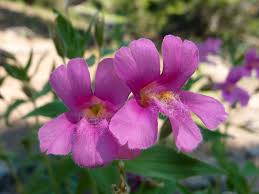
Erythranthe lewisii, commonly known as Lewis’ Monkeyflower, is a remarkable plant that has a rich history of medicinal use by indigenous peoples. In this article, we will explore the botanical description of Erythranthe lewisii, its historical significance, and the numerous health benefits it offers.
The Botanical Description of Erythranthe lewisii
1. Plant Family: Erythranthe lewisii belongs to the family Phrymaceae and is native to North America, primarily found in regions with wet or damp conditions, such as streambanks, wet meadows, and marshes.
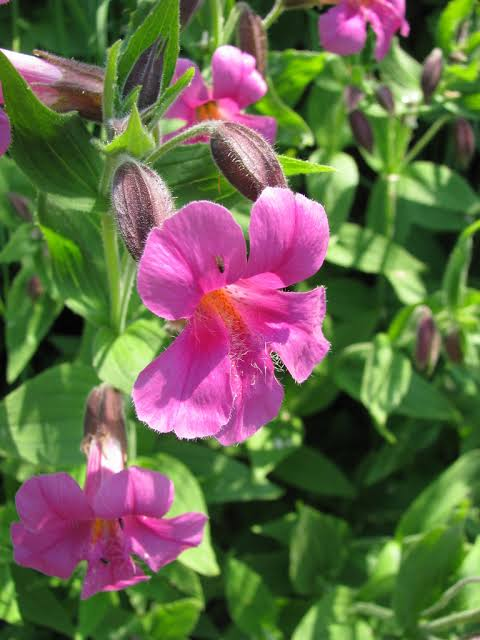
2. Appearance: Lewis’ Monkeyflower is a charming perennial herb that typically grows to heights ranging from 10 to 40 inches. It features lance-shaped leaves arranged oppositely on its stems. The plant produces vibrant, tubular flowers with a distinctive bilabiate (two-lipped) shape, often in shades of yellow, orange, or red. These flowers are a hallmark of the Monkeyflower genus.
3. Habitat: This species thrives in moist environments, including along the edges of streams and in wetlands. Its preference for water-rich areas makes it an indicator of water quality and ecological health.
4. Unique Adaptations: Erythranthe lewisii exhibits remarkable adaptations. Its unique flower shape has evolved to attract specific pollinators, including bumblebees and hummingbirds, which are the primary agents of pollination. The tubular flowers accommodate the long beaks of hummingbirds and the sturdy proboscis of bumblebees, making them efficient pollinators.
5. Seed Pods: After successful pollination, Lewis’ Monkeyflower forms small, capsule-like seed pods that contain numerous tiny seeds. These seeds are dispersed into the surrounding area when the pods split open.
6. Flowering Season: Erythranthe lewisii typically blooms from late spring to early summer, creating a striking display of colorful flowers in its native habitats.
7. Ethnobotanical Significance: Indigenous peoples of North America, such as Native American tribes and First Nations communities, have a long history of using Erythranthe lewisii for various medicinal purposes. They recognized its potential as a healing plant long before the arrival of European settlers.
8. Taxonomic Changes: It’s worth noting that Erythranthe lewisii was previously classified under the genus Mimulus and was known as Mimulus lewisii. However, recent taxonomic revisions have led to its reclassification within the Erythranthe genus.
The Geographic Distribution of Erythranthe lewisii
1. North American Native: Erythranthe lewisii is native to North America, primarily found in regions of the western United States and southwestern Canada. It exhibits a range that spans from British Columbia down to California and eastward to Montana and Nevada.
2. Preferred Habitats: This species thrives in specific ecological niches, particularly those with ample moisture. You can commonly find it in wetlands, alongside streams, in marshy areas, and in damp meadows. These habitats provide the necessary moisture for its growth and reproduction.
3. Indicator Species: Erythranthe lewisii serves as an important indicator species for assessing the health of aquatic and riparian ecosystems. Its presence is often associated with high water quality and the conservation of wetland environments.
4. Elevational Range: Within its distribution, Lewis’ Monkeyflower can be found at various elevations, from lowland marshes to mountainous regions, depending on local environmental conditions and climate.
5. Localized Variations: While Erythranthe lewisii has a broad geographic distribution, it may exhibit localized variations in flower color and size due to environmental factors and adaptations to specific regions.
The Chemical Composition of Erythranthe lewisii
1. Phenolic Compounds: Erythranthe lewisii contains phenolic compounds, which are known for their antioxidant properties. These compounds help protect the plant from oxidative stress and may offer similar benefits to those who consume it.
2. Alkaloids: Like many plant species, Lewis’ Monkeyflower may contain alkaloids. Alkaloids can have various effects on the human body, ranging from potential medicinal benefits to toxic properties. The specific alkaloids present may vary among individual plants.
3. Flavonoids: Flavonoids are secondary metabolites found in Erythranthe lewisii and are known for their anti-inflammatory and antioxidant properties. They contribute to the plant’s vibrant flower colors.
4. Essential Oils: Some species within the Mimulus genus, to which Erythranthe lewisii belongs, have been found to contain essential oils. These oils can have aromatic and potentially therapeutic properties.
5. Tannins: Tannins are a group of polyphenolic compounds that are often found in plant tissues. They can have astringent properties and are sometimes used in traditional medicine.
6. Terpenes: Terpenes are aromatic compounds found in various plants, including some species of Mimulus. They can contribute to the fragrance and potential therapeutic properties of the plant.
The Harvesting and Processing of Erythranthe lewisii
1. Sustainable Harvesting: When harvesting Erythranthe lewisii, it’s essential to do so sustainably to ensure the plant’s continued presence in its native habitats. Harvesting should be done sparingly, and only mature plants should be collected.
2. Leaves and Flowers: The leaves and flowers of Lewis’ Monkeyflower are the primary parts used for medicinal purposes. These should be carefully harvested using clean, sharp scissors or shears to avoid damaging the plant.
3. Drying: After harvesting, the plant material should be dried thoroughly to prevent mold and degradation of its medicinal compounds. Drying can be done in a well-ventilated area away from direct sunlight.
4. Processing: Once fully dried, the leaves and flowers can be processed into various forms, including teas, tinctures, or herbal extracts. Processing methods may vary depending on the intended use.
5. Quality Control: To ensure the quality of Erythranthe lewisii products, it’s essential to follow good manufacturing practices and maintain high standards of cleanliness and hygiene during processing. This helps prevent contamination and ensures product safety.
6. Storage: Proper storage of Erythranthe lewisii products is crucial to maintain their potency. Store them in airtight containers in a cool, dark place to protect them from moisture and light.
7. Ethical Considerations: Harvesting Erythranthe lewisii should be done ethically and legally, respecting the plant’s ecological importance and cultural significance. It’s essential to be aware of local regulations and conservation efforts when harvesting this plant.
Read Also: 26 Medicinal Health Benefits Of Chrysanthemum
The Medicinal Health Benefits Of Erythranthe lewisii (Lewis’ Monkeyflower)

1. Respiratory Health: Erythranthe lewisii has been used traditionally to alleviate respiratory issues such as coughs and congestion. Its anti-inflammatory properties may help soothe the respiratory tract.
2. Anti-Anxiety and Relaxation: Some traditional remedies include Lewis’ Monkeyflower for its potential calming effects, making it useful for reducing anxiety and promoting relaxation.
3. Wound Healing: The astringent properties of Erythranthe lewisii may aid in wound healing. It can be applied topically to minor cuts and abrasions.
4. Anti-Inflammatory Effects: The plant’s anti-inflammatory compounds may provide relief from conditions involving inflammation, such as arthritis and joint pain.
5. Pain Management: Erythranthe lewisii has been used as a mild analgesic to alleviate minor pain and discomfort.
6. Urinary Health: Traditional use includes Erythranthe lewisii in promoting urinary tract health, potentially aiding in issues like urinary tract infections (UTIs).
7. Digestive Aid: Some herbal practitioners recommend Lewis’ Monkeyflower for digestive discomfort, including indigestion and stomach cramps.
8. Skin Conditions: It may be used topically to address skin conditions like eczema and dermatitis due to its potential anti-inflammatory and soothing properties.
9. Antioxidant Protection: Erythranthe lewisii’s antioxidants can help protect cells from oxidative damage, reducing the risk of chronic diseases.
10. Antiseptic Properties: The plant’s antiseptic qualities may contribute to preventing or treating minor infections when used topically.
11. Anti-allergenic Effects: Some individuals use Erythranthe lewisii to alleviate allergy symptoms due to its potential anti-allergenic properties.
12. Immune Support: The plant’s bioactive compounds may provide immune-boosting effects, supporting overall health.
13. Cardiovascular Health: Traditional use suggests that Erythranthe lewisii may have cardiovascular benefits, although further research is needed to confirm its effectiveness.
14. Menstrual Health: Some women use this plant to ease menstrual cramps and discomfort.
15. Antifungal Properties: Lewis’ Monkeyflower may have mild antifungal effects and could be applied to fungal skin conditions.
16. Blood Sugar Regulation: Preliminary research suggests that Erythranthe lewisii may have a role in regulating blood sugar levels, which could benefit individuals with diabetes.
17. Weight Management: It is believed by some to aid in weight management, possibly by promoting a feeling of fullness.
18. Gastrointestinal Health: Traditional remedies include the use of Erythranthe lewisii to support gastrointestinal health and relieve gastrointestinal distress.
19. Eye Health: Some indigenous cultures have used Lewis’ Monkeyflower for eye-related issues, though more research is needed in this regard.
20. Anti-Hemorrhagic: It has been historically used to reduce bleeding from wounds and nosebleeds.
21. Cystitis Relief: Erythranthe lewisii may provide relief from symptoms of cystitis, a painful bladder condition.
22. Oral Health: Some herbal practitioners use Erythranthe lewisii as a natural mouthwash to promote oral hygiene and treat gum infections.
The Methods of Usage to Achieve the Provided Health Benefits Of Erythranthe lewisii (Lewis’ Monkeyflower)
1. Herbal Teas: One common method is preparing Erythranthe lewisii as a herbal tea by steeping dried or fresh leaves and flowers in hot water. This can be consumed to achieve respiratory, digestive, and relaxing benefits.
2. Tinctures: Tinctures are alcohol-based extracts of Lewis’ Monkeyflower and can be taken orally to address various health concerns.
3. Topical Applications: For skin-related issues and wound healing, Erythranthe lewisii can be applied topically in the form of ointments or poultices.
4. Mouthwash: As a natural mouthwash, it can be used to promote oral health and address gum infections.
5. Inhalation: Inhaling steam from an Erythranthe lewisii infusion may help with respiratory conditions.
6. Bath Soaks: Adding Erythranthe lewisii to a bath can soothe skin conditions and promote relaxation.
7. Compresses: Compresses with Erythranthe lewisii infusion can be used for localized relief, such as for wound care or muscle pain.
8. Dietary Supplements: Erythranthe lewisii supplements in various forms, including capsules and tablets, allow for convenient daily consumption.
9. Culinary Use: In some cultures, young leaves of Erythranthe lewisii may be added to salads or used in culinary preparations.
10. Inhalation: Inhaling the steam from Erythranthe lewisii tea may provide respiratory relief.
The Side Effects Of Using Erythranthe lewisii Medicinal Plant
1. Allergic Reactions: Some individuals may be allergic to Erythranthe lewisii and could experience allergic reactions, such as skin rashes or itching, upon use.
2. Digestive Disturbances: In rare cases, gastrointestinal discomfort, including nausea and stomach upset, may occur after consuming Erythranthe lewisii.
3. Photosensitivity: Topical application of Erythranthe lewisii may increase sensitivity to sunlight, leading to sunburn in some individuals.
4. Interaction with Medications: Erythranthe lewisii may interact with certain medications. If you are taking medications
, consult a healthcare provider before use.
5. Pregnancy and Lactation: Pregnant and breastfeeding women should avoid Erythranthe lewisii due to limited safety data during these periods.
6. Thiaminase Content: Erythranthe lewisii contains thiaminase, which can break down vitamin B1 (thiamine). Prolonged and excessive consumption may lead to thiamine deficiency.
7. Kidney Disorders: Excessive use of Erythranthe lewisii can strain the kidneys and may worsen existing kidney conditions.
8. Low Blood Pressure: Erythranthe lewisii’s relaxing effects may lower blood pressure, which can be problematic for individuals with already low blood pressure.
9. Liver Toxicity: Rare reports of liver toxicity associated with the use of Erythranthe lewisii supplements exist. Monitoring liver function is advisable for regular users.
10. Excessive Silica Intake: Some Erythranthe lewisii supplements may contain silica, and excessive intake may lead to silica toxicity, potentially causing kidney damage.
11. Urinary Tract Irritation: In rare cases, Erythranthe lewisii may irritate the urinary tract and worsen urinary tract infections.
Read Also: 33 Amazing Health Benefits of Sweet Potatoes
The Scientific Research and Studies of Erythranthe lewisii (Lewis’ Monkeyflower)
1. Antioxidant Properties: Scientific studies have investigated Erythranthe lewisii’s antioxidant capacity, which can help protect cells from oxidative damage. These properties make it potentially valuable in preventing chronic diseases.
2. تأثيرات مضادة للالتهابات: استكشفت الأبحاث خصائص النبات المضادة للالتهابات، مما يشير إلى إمكاناته في إدارة الحالات المتعلقة بالالتهابات، مثل التهاب المفاصل.
3. صحة الجهاز التنفسي: درست الدراسات استخدام Erythranthe lewisii التقليدي في صحة الجهاز التنفسي، مما يشير إلى فعاليته المحتملة في تخفيف السعال والاحتقان.
4. تأثيرات مضادة للقلق: تشير بعض الأبحاث الأولية إلى أن Erythranthe lewisii قد يكون له تأثيرات مهدئة، مما يجعله موضع اهتمام لإدارة القلق.
5. التئام الجروح: حققت الدراسات العلمية في خصائص النبات في التئام الجروح، واستكشفت إمكاناته في تسريع عملية الشفاء.
6. تعديل المناعة: تعمقت الأبحاث في تأثير Erythranthe lewisii على الجهاز المناعي، مما يشير إلى تأثيرات محتملة لتعديل المناعة.
7. تنظيم سكر الدم: فحصت بعض الدراسات دوره في تنظيم سكر الدم، والذي يمكن أن يكون مفيدًا للأفراد المصابين بداء السكري.
8. صحة المسالك البولية: استكشفت الدراسات العلمية إمكانات Erythranthe lewisii في تعزيز صحة المسالك البولية ودوره في معالجة التهابات المسالك البولية (UTIs).
9. صحة القلب والأوعية الدموية: على الرغم من أنها أولية، فقد بدأت الأبحاث في التحقيق في آثاره على صحة القلب والأوعية الدموية، بما في ذلك إمكاناته في إدارة ضغط الدم.
10. خصائص مسكنة للألم: استكشفت الدراسات خصائص Erythranthe lewisii المسكنة (المخففة للألم)، مما يشير إلى إمكاناتها في إدارة الألم الخفيف.
11. نشاط مضاد للفطريات: استكشفت التحقيقات العلمية خصائصها الخفيفة المضادة للفطريات، مما يوفر نظرة ثاقبة للتطبيقات المحتملة في علاج الالتهابات الفطرية.
12. صحة الجهاز الهضمي: بحثت الأبحاث في استخدامها التقليدي في معالجة الانزعاج الهضمي، وقدمت رؤى حول آثارها على صحة الجهاز الهضمي.
13. إدارة الوزن: حققت بعض الدراسات في دور Erythranthe lewisii في إدارة الوزن، لا سيما في تعزيز الشعور بالامتلاء.
14. تأثيرات مضادة للنزيف: استكشف البحث العلمي إمكاناتها كعامل مضاد للنزيف، مما يشير إلى فوائد للحد من النزيف من الجروح والرعاف.
احتياطات السلامة والتوصيات في استخدام نبات Erythranthe lewisii (زهرة القرد لويس) الطبي
1. استشارة مقدم الرعاية الصحية: قبل استخدام Erythranthe lewisii أو أي علاج عشبي، يُنصح باستشارة أخصائي رعاية صحية، خاصة إذا كنت تعاني من حالات صحية كامنة أو تتناول أدوية.
2. الجرعة والمدة: اتبع إرشادات الجرعة الموصى بها بعناية لتجنب الاستخدام المفرط، حيث أن الاستهلاك المطول أو بجرعات عالية قد يؤدي إلى آثار ضارة.
3. الحمل والرضاعة: يجب على النساء الحوامل والمرضعات تجنب Erythranthe lewisii بسبب محدودية بيانات السلامة خلال هذه الفترات.
4. ردود الفعل التحسسية: كن متيقظًا لعلامات ردود الفعل التحسسية، مثل الطفح الجلدي أو الحكة، وتوقف عن الاستخدام في حالة حدوث مثل هذه التفاعلات.
5. خطر الحساسية للضوء: قد يزيد الاستخدام الموضعي من الحساسية لأشعة الشمس، مما قد يؤدي إلى حروق الشمس. تجنب التعرض لأشعة الشمس بعد الاستخدام الموضعي.
6. التفاعل مع الأدوية: قد تتفاعل Erythranthe lewisii مع بعض الأدوية. استشر مقدم الرعاية الصحية الخاص بك لمنع التفاعلات المحتملة.
7. محتوى الثيامينيز: كن على علم بمحتواه من الثيامينيز، الذي يمكن أن يكسر فيتامين ب1 (الثيامين). قد يؤدي الاستهلاك المفرط إلى نقص الثيامين.
8. مراقبة صحة الكلى: يمكن أن يؤدي الاستخدام المفرط إلى إجهاد الكلى، لذلك يجب على الأفراد الذين يعانون من أمراض الكلى توخي الحذر ومراقبة وظائف الكلى.
9. ضغط الدم: قد تخفض آثاره المهدئة ضغط الدم، مما قد يكون مشكلة للأفراد الذين يعانون بالفعل من انخفاض ضغط الدم.
10. وظائف الكبد: كن حذرًا بشأن التقارير التي تفيد بوجود سمية كبدية نادرة مرتبطة بمكملات Erythranthe lewisii. راقب وظائف الكبد بانتظام إذا كنت تستخدم هذه المكملات.
11. الجودة والمصدر: تأكد من حصولك على منتجات Erythranthe lewisii من مصادر موثوقة لتجنب الملوثات أو الغش.
12. ليس بديلاً عن العلاج الطبي: يجب ألا تحل مكملات Erythranthe lewisii أو العلاجات العشبية محل العلاج الطبي. اطلب المشورة الطبية المتخصصة لأي مخاوف صحية.
الأسئلة الشائعة حول نبات Erythranthe lewisii (زهرة القرد لويس) الطبي
1. هل Erythranthe lewisii آمن للاستخدام على المدى الطويل؟
يعتبر Erythranthe lewisii آمنًا بشكل عام للاستخدام على المدى القصير وفقًا للجرعات الموصى بها. ومع ذلك، قد يؤدي الاستخدام على المدى الطويل إلى نقص الثيامين وآثار ضارة أخرى. استشر مقدم الرعاية الصحية للحصول على إرشادات بشأن المدة.
2. هل يمكن لـ Erythranthe lewisii علاج التهابات المسالك البولية (UTIs)؟
تم استخدام Erythranthe lewisii تقليديًا لعلاج التهابات المسالك البولية، لكنه ليس بديلاً عن المضادات الحيوية. إذا كنت تشك في الإصابة بالتهاب المسالك البولية، فاستشر مقدم الرعاية الصحية للحصول على التشخيص والعلاج المناسبين.
3. هل يمكن استخدام Erythranthe lewisii موضعيًا للجروح؟
نعم، يمكن استخدام Erythranthe lewisii موضعيًا لشفاء الجروح. ومع ذلك، استخدمه تحت إشراف طبي مناسب لمنع العدوى.
4. هل هناك أي قيود عمرية لاستخدام Erythranthe lewisii؟
تم تصميم مكملات Erythranthe lewisii بشكل عام للبالغين. يجب تحديد جرعة الأطفال من قبل أخصائي الرعاية الصحية.
5. هل يمكن استخدام Erythranthe lewisii جنبًا إلى جنب مع المكملات العشبية الأخرى؟
قد يؤدي الجمع بين Erythranthe lewisii والمكملات الأخرى إلى حدوث تفاعلات. استشر مقدم الرعاية الصحية قبل الجمع بين المكملات العشبية.
6. هل لدى Erythranthe lewisii أي تفاعلات دوائية معروفة؟
قد يتفاعل Erythranthe lewisii مع بعض الأدوية، بما في ذلك مدرات البول والليثيوم. استشر مقدم الرعاية الصحية إذا كنت تتناول أدوية وتخطط لاستخدام Erythranthe lewisii.
7. Can Erythranthe lewisii be used during menstruation?
Erythranthe lewisii has been traditionally used to alleviate menstrual cramps, but individual responses vary. Consult a healthcare provider before use during menstruation.
8. Is Erythranthe lewisii safe for individuals with diabetes?
Erythranthe lewisii’s potential impact on blood sugar levels makes it essential for individuals with diabetes to consult their healthcare provider before use to prevent complications.
9. Can Erythranthe lewisii be used for anxiety relief?
While some studies suggest anti-anxiety effects, Erythranthe lewisii should not be used as a sole treatment for anxiety disorders. Consult a healthcare provider for appropriate interventions.
10. Is Erythranthe lewisii safe for individuals with liver conditions?
Individuals with liver conditions should exercise caution and consult their healthcare provider, considering reports of rare liver toxicity associated with its use.
11. Can Erythranthe lewisii be used for weight loss?
While it may promote a
feeling of fullness, Erythranthe lewisii should not be used as a sole weight loss solution. A balanced diet and exercise are essential for effective weight management.
12. Is Erythranthe lewisii safe for individuals with high blood pressure?
Erythranthe lewisii’s relaxing effects may lower blood pressure, which can be problematic for individuals with already low blood pressure. Consult a healthcare provider before use.
13. هل نبات Erythranthe lewisii مناسب للأشخاص الذين يعانون من مشاكل في الكلى؟
يجب على الأشخاص الذين يعانون من مشاكل في الكلى توخي الحذر عند استخدام نبات Erythranthe lewisii، حيث أن الاستهلاك المفرط يمكن أن يجهد الكلى. استشر مقدم الرعاية الصحية للحصول على مشورة شخصية.
14. هل يمكن استخدام Erythranthe lewisii كبديل للأدوية الموصوفة؟
لا، لا ينبغي أن يحل نبات Erythranthe lewisii أو أي علاج عشبي آخر محل الأدوية الموصوفة. اتبع دائمًا توصيات مقدم الرعاية الصحية الخاص بك لإدارة الحالات الطبية.
15. هل توجد أي حالات مسجلة لردود فعل تحسسية تجاه Erythranthe lewisii؟
على الرغم من ندرة ذلك، قد يعاني بعض الأفراد من ردود فعل تحسسية تجاه Erythranthe lewisii، مثل الطفح الجلدي أو الحكة. إذا كنت تشك في وجود حساسية، فتوقف عن الاستخدام واطلب العناية الطبية.
16. كيف يجب تخزين Erythranthe lewisii للحفاظ على فعاليته؟
قم بتخزين منتجات Erythranthe lewisii في حاويات محكمة الإغلاق في مكان بارد ومظلم لحمايتها من الرطوبة والضوء، مما قد يقلل من فعاليتها.
17. هل يمكن استخدام Erythranthe lewisii في الطبخ أو التحضيرات الغذائية؟
في بعض الثقافات، يمكن إضافة الأوراق الصغيرة من Erythranthe lewisii إلى السلطات أو استخدامها في التحضيرات الغذائية. ومع ذلك، فهو ليس عشبًا طهيًا شائعًا.
18. هل Erythranthe lewisii آمن للاستخدام الموضعي على بشرة الأطفال؟
يجب إجراء الاستخدام الموضعي على بشرة الأطفال بحذر وتحت إشراف أخصائي الرعاية الصحية، وخاصةً لمن لديهم بشرة حساسة.
19. هل يُنصح باستخدام Erythranthe lewisii للأفراد الذين يعانون من أمراض القلب؟
يجب على الأفراد الذين يعانون من أمراض القلب استشارة مقدم الرعاية الصحية الخاص بهم قبل استخدام Erythranthe lewisii بسبب تأثيره المحتمل على ضغط الدم وصحة القلب.
20. هل يمكن استخدام Erythranthe lewisii أثناء الرضاعة الطبيعية؟
يجب على النساء المرضعات تجنب Erythranthe lewisii بسبب محدودية بيانات السلامة أثناء الرضاعة.
21. هل لدى Erythranthe lewisii أي آثار نفسية؟
من غير المعروف أن Erythranthe lewisii له آثار نفسية أو مؤثرة على العقل.
22. هل يمكن استخدام Erythranthe lewisii للحيوانات الأليفة أو الحيوانات؟
يجب استخدام Erythranthe lewisii للحيوانات الأليفة أو الحيوانات بحذر، ومن الأفضل استشارة طبيب بيطري للحصول على إرشادات.
23. هل Erythranthe lewisii محمي بجهود الحفاظ على البيئة؟
اعتمادًا على منطقته المحددة واللوائح المحلية، قد يكون Erythranthe lewisii محميًا بجهود الحفاظ على البيئة. من الضروري أن تكون على دراية بهذه الحمايات واحترامها عند حصاد النبات أو استخدامه.
هل لديك أي أسئلة أو اقتراحات أو مساهمات؟ إذا كان الأمر كذلك، فلا تتردد في استخدام مربع التعليقات أدناه لمشاركة أفكارك. نشجعك أيضًا على مشاركة هذه المعلومات مع الآخرين الذين قد يستفيدون منها. نظرًا لأننا لا نستطيع الوصول إلى الجميع في وقت واحد، فإننا نقدر حقًا مساعدتك في نشر الخبر. شكرًا جزيلاً على دعمكم ومشاركتكم!
إخلاء المسؤولية: هذه المقالة مخصصة للأغراض التعليمية والإعلامية فقط. الفوائد الصحية الموصوفة تستند إلى البحوث العلمية والمعرفة التقليدية. وهي ليست بديلاً عن المشورة الطبية المهنية أو التشخيص أو العلاج. استشر دائمًا أخصائي الرعاية الصحية قبل استخدام أي عشب أو علاج طبيعي للأغراض الطبية.
اقرأ أيضًا: دور البنوك الزراعية في النظم الغذائية المستدامة