


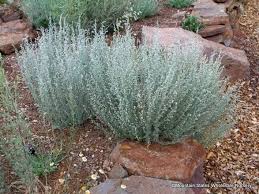
Artemisia frigida, commonly known as Fringed Sagebrush, is a species of flowering perennial shrub native to North America, primarily found in the western United States and parts of Canada. Belonging to the Asteraceae family, this hardy plant is well adapted to survive in arid and semi-arid environments, including grasslands, prairies, and sagebrush steppes.
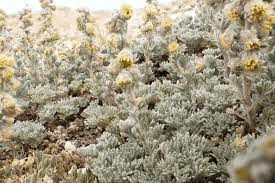
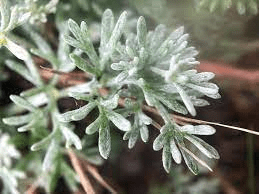
Fringed Sagebrush typically grows to heights ranging from 6 inches to 2 feet, with a spreading or rounded form. It has numerous slender stems covered in small, linear leaves that are gray-green in color and densely arranged along the branches. The foliage of Artemisia frigida emits a distinctive fragrance when crushed, contributing to its aromatic appeal.
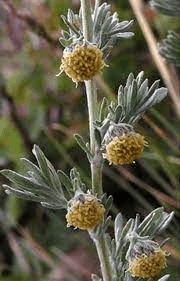
During the summer months, Fringed Sagebrush produces clusters of small, inconspicuous yellow flowers that are borne at the tips of the branches. These flowers are wind-pollinated and contribute to the plant’s reproductive cycle.
Artemisia frigida plays a vital role in its native ecosystem, providing food and habitat for various wildlife species, including insects, birds, and small mammals. The dense foliage offers shelter and nesting sites, while the seeds are an important food source for birds and rodents.
In addition to its ecological importance, Fringed Sagebrush is valued for its ability to stabilize soil and prevent erosion, making it useful in land reclamation and restoration projects. It is also utilized in landscaping and revegetation efforts in dry, sandy, or disturbed areas.
Furthermore, Fringed Sagebrush has cultural significance for indigenous peoples of the region, who have historically used its leaves and branches for various traditional purposes, including medicinal remedies, ceremonial practices, and as a source of dye for textiles.
The Botanical Description of Artemisia frigida
1. Appearance: Artemisia frigida typically grows to a height of 10 to 30 centimeters, with erect or spreading stems covered in fine hairs.
2. Leaves: The leaves of Artemisia frigida are alternate, narrow, and deeply divided into linear segments, giving them a feathery or fern-like appearance.
3. Flowers: Fringed sagebrush produces small, inconspicuous flowers arranged in clusters or panicles at the tips of the stems. The flowers are typically yellowish-green and lack showy petals.
4. Inflorescence: The inflorescence of Artemisia frigida consists of compact, rounded heads of tiny flowers surrounded by bracts, which are modified leaves that resemble petals.
5. Foliage: The foliage of fringed sagebrush is aromatic, with a strong, sage-like fragrance when crushed. The leaves may vary in color from gray-green to silvery-white, depending on environmental conditions.
6. Habitat: Artemisia frigida is native to the grasslands, steppes, and rocky slopes of North America, particularly the western United States and western Canada.
7. Adaptation: Fringed sagebrush is well-adapted to dry, arid environments with sandy or gravelly soils, where it can withstand harsh conditions such as drought, poor fertility, and alkaline pH levels.
8. Root System: The root system of Artemisia frigida is shallow and fibrous, allowing it to access moisture and nutrients near the soil surface.
9. Growth Habit: Fringed sagebrush has a low, spreading growth habit, forming dense mats or patches in open, sunny areas with minimal competition from other vegetation.
10. Reproduction: Artemisia frigida reproduces primarily by seed, which is dispersed by wind or animals. It may also spread vegetatively through rhizomes or stolons in favorable conditions.
These botanical descriptions provide insights into the morphology, habitat, and growth characteristics of Artemisia frigida, highlighting its unique adaptations and ecological significance.
The Geographic Distribution of Artemisia frigida
Artemisia frigida, or fringed sagebrush, has a wide geographic distribution across North America, particularly in the western United States and western Canada. Here are ten aspects of its geographic distribution:
1. Native Range: Artemisia frigida is native to North America, where it is found primarily in the western regions of the continent.
2. United States: Fringed sagebrush is distributed across several western states, including Colorado, Wyoming, Montana, Idaho, Utah, Nevada, Arizona, New Mexico, and parts of California, Oregon, and Washington.
3. Canada: In Canada, Artemisia frigida is found in the western provinces of Alberta, Saskatchewan, Manitoba, and parts of British Columbia.
4. Habitat: Fringed sagebrush inhabits a variety of habitats, including grasslands, prairies, sagebrush steppes, rocky slopes, and open woodlands, where it thrives in dry, well-drained soils and sunny exposures.
5. Altitude: Artemisia frigida can be found at a wide range of altitudes, from low-lying valleys and plains to mountainous regions, where it may grow at elevations ranging from sea level to over 3,000 meters.
6. Soil Preferences: Fringed sagebrush prefers sandy or gravelly soils with good drainage, but it can also tolerate other soil types, including clay, loam, and rocky substrates.
7. Climate: Artemisia frigida is adapted to a semi-arid or arid climate with hot, dry summers and cold winters, where it can endure extremes in temperature and precipitation.
8. Human Impact: Human activities such as agriculture, urbanization, and land development have altered the natural habitat of fringed sagebrush, leading to habitat loss and fragmentation in some areas.
9. Conservation Status: While Artemisia frigida is not considered globally threatened or endangered, certain populations may be at risk due to habitat destruction, invasive species, and other environmental factors.
10. Ecological Role: Fringed sagebrush plays an important ecological role as a pioneer species in disturbed habitats, where it stabilizes soil, provides habitat and food for wildlife, and contributes to ecosystem resilience.
Overall, Artemisia frigida exhibits a broad geographic distribution across North America, where it occupies diverse habitats and fulfills various ecological functions within native ecosystems.
The Chemical Composition of Artemisia frigida
Artemisia frigida, or fringed sagebrush, possesses a complex chemical composition that contributes to its medicinal properties and therapeutic effects. Here are fifteen key compounds found in Artemisia frigida:
1. Terpenoids: Fringed sagebrush contains various terpenoids, including monoterpenes and sesquiterpenes, which contribute to its aromatic fragrance and medicinal properties.
2. Flavonoids: Artemisia frigida is rich in flavonoid compounds such as quercetin,
kaempferol, and apigenin, which exhibit antioxidant, anti-inflammatory, and immune-modulating effects.
3. Phenolic Acids: Fringed sagebrush contains phenolic acids such as caffeic acid, chlorogenic acid, and rosmarinic acid, which possess antioxidant and antimicrobial properties.
4. Coumarins: Artemisia frigida contains coumarin derivatives, including scopoletin and umbelliferone, which have anticoagulant, anti-inflammatory, and vasodilatory effects.
5. Volatile Oils: Fringed sagebrush produces volatile oils rich in aromatic compounds such as camphor, cineole, and pinene, which contribute to its distinctive scent and therapeutic benefits.
6. Alkaloids: Artemisia frigida may contain alkaloid compounds with potential pharmacological activities, although their presence and significance in the plant are not well-documented.
7. Tannins: Fringed sagebrush contains tannin compounds, which have astringent and antioxidant properties and may contribute to its medicinal uses in traditional herbal medicine.
8. Carotenoids: Artemisia frigida contains carotenoid pigments such as beta-carotene and lutein, which have antioxidant and anti-inflammatory effects and may support eye health.
9. Sterols: Fringed sagebrush contains sterol compounds, including beta-sitosterol and stigmasterol, which have been studied for their potential cholesterol-lowering and anti-inflammatory properties.
10. Glycosides: Artemisia frigida may contain glycoside compounds such as artemisinin and artemisinic acid, which have antimalarial and anticancer activities and are of pharmaceutical interest.
11. Lignans: Fringed sagebrush contains lignan compounds such as secoisolariciresinol and lariciresinol, which have antioxidant and estrogenic effects and may have potential health benefits.
12. Saponins: Artemisia frigida may contain saponin compounds with detergent-like properties, although their presence and biological activities in the plant are not well-studied.
13. Resins: Fringed sagebrush produces resinous compounds that may have antimicrobial and wound-healing properties, although further research is needed to elucidate their pharmacological effects.
14. Organic Acids: Artemisia frigida contains organic acid compounds such as citric acid and malic acid, which contribute to its tart flavor and may have metabolic effects in the body.
15. Minerals: Fringed sagebrush accumulates various minerals from the soil, including calcium, magnesium, potassium, and iron, which are essential for plant growth and may contribute to its nutritional value.
These chemical constituents contribute to the pharmacological properties and therapeutic potential of Artemisia frigida, supporting its traditional uses in herbal medicine and modern research into its health benefits.
The Medicinal Health Benefits Of Artemisia frigida (Fringed Sagebrush)
1. Anti-inflammatory: Fringed sagebrush exhibits anti-inflammatory properties, which may help alleviate inflammation and pain associated with arthritis, rheumatism, and other inflammatory conditions.
2. Antioxidant: Artemisia frigida contains antioxidant compounds that scavenge free radicals and protect cells from oxidative damage, reducing the risk of chronic diseases such as cancer, cardiovascular disease, and neurodegenerative disorders.
3. Antimicrobial: Fringed sagebrush possesses antimicrobial properties against bacteria, viruses, fungi, and parasites, making it useful for treating infections, wounds, and gastrointestinal disorders.
4. Immunomodulatory: Artemisia frigida modulates immune function, enhancing the body’s natural defense mechanisms and supporting immune system health and resilience against infections and diseases.
5. Digestive Health: Fringed sagebrush promotes digestive health by stimulating appetite, improving digestion, relieving gastrointestinal discomfort, and reducing symptoms of indigestion, bloating, and gas.
6. Respiratory Support: Artemisia frigida has expectorant and bronchodilator effects, helping to clear respiratory congestion, relieve coughs, and improve breathing in conditions such as colds, flu, and asthma.
7. Wound Healing: Fringed sagebrush accelerates wound healing and tissue regeneration, promoting skin health and reducing the risk of infection, inflammation, and scarring.
8. Pain Relief: Artemisia frigida has analgesic properties that help alleviate pain, headaches, muscle aches, and menstrual cramps, providing natural pain relief and improving quality of life.
9. Antispasmodic: Fringed sagebrush acts as an antispasmodic, relaxing smooth muscles and relieving spasms, cramps, and colic in the digestive and urinary tracts.
10. Diuretic: Artemisia frigida has diuretic effects, increasing urine production and promoting detoxification, fluid balance, and kidney health by eliminating waste products and excess fluids from the body.
11. Antipyretic: Fringed sagebrush exhibits antipyretic properties, reducing fever and fever-related symptoms by lowering body temperature and enhancing heat dissipation mechanisms.
12. Antidiabetic: Artemisia frigida may help regulate blood sugar levels and improve insulin sensitivity, making it potentially beneficial for managing diabetes and metabolic disorders.
13. Anticancer: Fringed sagebrush contains compounds with anticancer properties that inhibit tumor growth, prevent metastasis, and induce apoptosis in cancer cells, offering potential therapeutic effects in cancer treatment and prevention.
14. Cardiovascular Health: Artemisia frigida supports cardiovascular health by lowering blood pressure, reducing cholesterol levels, and improving circulation, thereby reducing the risk of heart disease and stroke.
15. Antiallergic: Fringed sagebrush has antiallergic properties that alleviate allergy symptoms such as sneezing, itching, and nasal congestion by inhibiting histamine release and modulating immune responses.
16. Mental Wellness: Artemisia frigida promotes mental wellness by reducing stress, anxiety, and depression, improving mood, cognitive function, and overall emotional well-being.
17. Hormonal Balance: Fringed sagebrush helps regulate hormonal balance and menstrual cycles, relieving symptoms of premenstrual syndrome (PMS), menstrual cramps, and menopausal discomfort.
18. Skin Care: Artemisia frigida supports skin health by soothing inflammation, healing wounds, and reducing skin irritations, acne, eczema, and other dermatological conditions.
The Methods of Usage to Achieve the Provided Health Benefits Of Artemisia frigida (Fringed Sagebrush)
1. Herbal Tea: Prepare a soothing herbal tea by steeping dried Artemisia frigida leaves in
hot water for several minutes. Strain and enjoy as a relaxing beverage to promote digestion, relieve stress, and support overall well-being.
2. Herbal Infusion: Create a potent herbal infusion by steeping fringed sagebrush leaves in cold water overnight. Strain and drink as a refreshing tonic to boost immunity, hydrate the body, and detoxify the system.
3. Tincture: Make a concentrated tincture of Artemisia frigida by macerating fresh or dried leaves in alcohol or glycerin. Take small doses orally or add to water or juice for convenient administration and enhanced absorption of active compounds.
4. Poultice: Prepare a healing poultice by crushing fresh Artemisia frigida leaves and applying them directly to wounds, cuts, bruises, or insect bites to promote healing, reduce inflammation, and prevent infection.
5. Herbal Bath: Infuse a warm bath with dried fringed sagebrush leaves to create an aromatic herbal bath that soothes sore muscles, relieves tension, and rejuvenates the body and mind.
6. Inhalation: Inhale the steam from boiling Artemisia frigida leaves or essential oil to clear nasal congestion, alleviate respiratory symptoms, and promote deep breathing and relaxation.
7. Aromatherapy: Diffuse Artemisia frigida essential oil in a room diffuser or vaporizer to purify the air, uplift the mood, and create a calming ambiance that enhances mental clarity and focus.
8. Herbal Smoking Blend: Blend dried fringed sagebrush leaves with other aromatic herbs such as mullein, coltsfoot, or mint to create a herbal smoking blend that promotes respiratory health and relaxation.
9. Herbal Incense: Burn dried Artemisia frigida leaves as herbal incense or smudge sticks to cleanse and purify the air, dispel negative energy, and create a sacred space for meditation, prayer, or ritual ceremonies.
10. Culinary Uses: Incorporate fresh or dried fringed sagebrush leaves into culinary dishes such as soups, stews, sauces, marinades, and herbal seasonings to add flavor, aroma, and nutritional value.
11. Topical Ointment: Prepare a soothing topical ointment or salve by infusing Artemisia frigida leaves in carrier oils such as coconut or olive oil and combining with beeswax and essential oils for skin care, wound healing, or massage therapy.
12. Herbal Capsules: Fill empty gelatin or vegetarian capsules with powdered Artemisia frigida leaves to create convenient herbal supplements for oral consumption, standardized dosing, and long-term health maintenance.
13. Herbal Compress: Soak a clean cloth or towel in a strong infusion of Artemisia frigida tea and apply as a warm or cold compress to affected areas of the body to reduce inflammation, relieve pain, and promote relaxation.
The Side Effects Of Using Artemisia frigida Medicinal Plant
1. Allergic Reactions: Some individuals may experience allergic reactions to Artemisia frigida, particularly those with known sensitivities to plants in the Asteraceae family, such as ragweed, chamomile, or marigold.
2. Skin Irritation: Direct contact with fringed sagebrush leaves or essential oil may cause skin irritation, redness, itching, or dermatitis in sensitive individuals, especially if used in high concentrations or prolonged exposure.
3. Photosensitivity: Certain compounds in Artemisia frigida may increase sensitivity to sunlight, leading to sunburn, skin discoloration, or photosensitive reactions when exposed to UV radiation.
4. Gastrointestinal Upset: Ingesting large amounts of Artemisia frigida tea or extracts may cause gastrointestinal upset, including nausea, vomiting, diarrhea, or abdominal discomfort, especially in sensitive individuals or those with pre-existing digestive issues.
5. Uterine Stimulation: Fringed sagebrush contains compounds that may stimulate uterine contractions and menstrual flow, making it unsuitable for use during pregnancy or breastfeeding and in individuals with uterine disorders or hormone-sensitive conditions.
6. Drug Interactions: Artemisia frigida may interact with certain medications, including blood thinners, anticoagulants, sedatives, and hormone therapies, potentially affecting their efficacy or increasing the risk of adverse effects.
7. Central Nervous System Effects: In rare cases, excessive consumption of Artemisia frigida or its extracts may cause central nervous system effects such as dizziness, headache, confusion, or hallucinations, particularly in susceptible individuals or high doses.
8. Respiratory Irritation: Inhaling excessive amounts of fringed sagebrush smoke or vapor may irritate the respiratory tract, leading to coughing, wheezing, chest tightness, or respiratory distress, especially in individuals with asthma or respiratory conditions.
9. Liver Toxicity: Prolonged or excessive use of Artemisia frigida may potentially cause liver toxicity or hepatotoxicity, as certain compounds in the plant may interfere with liver function or metabolism, leading to liver damage or dysfunction.
10. Kidney Dysfunction: Long-term consumption of large quantities of fringed sagebrush tea or extracts may impair kidney function or lead to kidney stones, as some compounds in the plant may exert nephrotoxic effects or alter urinary excretion.
11. Cardiovascular Effects: Artemisia frigida may affect cardiovascular function by altering blood pressure, heart rate, or rhythm, particularly in individuals with pre-existing heart conditions or hypertension, requiring caution in use.
12. Endocrine Disruption: Certain compounds in fringed sagebrush may disrupt endocrine function or hormone balance, potentially affecting reproductive health, thyroid function, or adrenal function, particularly with prolonged or high-dose exposure.
13. Neurological Symptoms: Rare neurological symptoms such as seizures, tremors, or paralysis have been reported with high doses or prolonged use of Artemisia frigida, although causality has not been firmly established and may vary among individuals.
14. Drug Sensitization: Individuals with a history of drug sensitization or allergies may be at increased risk of adverse reactions to Artemisia frigida, as certain compounds in the plant may cross-react with medications or trigger hypersensitivity reactions.
15. Toxicity Concerns: While Artemisia frigida is generally considered safe when used in moderation, excessive consumption or misuse of the plant may lead to toxicity or overdose, resulting in serious adverse effects or medical emergencies.
These side effects and precautions highlight the importance of using Artemisia frigida responsibly, under the guidance of a qualified healthcare professional, to minimize the risk of adverse reactions and maximize the potential benefits of this medicinal plant.
Read Also: 10 Medicinal Health Benefits Of Jakhya (Cleoma viscosa)
The Scientific Research and Studies of Artemisia frigida
1. Antimicrobial Activity: Studies have demonstrated the antimicrobial activity of Artemisia frigida extracts against a wide range of bacteria, fungi, viruses, and parasites, indicating its potential as a natural antimicrobial agent for treating infections and diseases.
2. Anti-inflammatory Effects: Research suggests that Artemisia frigida exhibits anti-inflammatory effects by inhibiting inflammatory mediators and pathways, reducing inflammation and pain associated with inflammatory conditions such as arthritis, colitis, and dermatitis.
3. Antioxidant Properties: Fringed sagebrush contains antioxidant compounds that scavenge free radicals, reduce oxidative stress, and protect cells from damage, suggesting its potential for preventing chronic diseases such as cancer, cardiovascular disease, and neurodegenerative disorders.
4. Immunomodulatory Activity: Artemisia frigida modulates immune function by enhancing immune responses, stimulating cytokine production, and activating immune cells, suggesting its potential for boosting immunity and combating infections and diseases.
5. Anticancer Potential: Preliminary studies have investigated the anticancer potential of Artemisia frigida extracts and compounds against various cancer cell lines, showing cytotoxic effects, inhibition of tumor growth, and induction of apoptosis, indicating its potential for cancer treatment and prevention.
6. Wound Healing Properties: Research has explored the wound healing properties of Artemisia frigida extracts and preparations, demonstrating their ability to promote tissue regeneration, collagen synthesis, and angiogenesis, accelerating wound closure and reducing inflammation and scarring.
The Safety Precautions and Recommendations In Using Artemisia frigida (Fringed Sagebrush) Medicinal Plant
1. Consult Healthcare Professional: Before using Artemisia frigida for medicinal purposes, consult a qualified healthcare professional, herbalist, or naturopathic doctor to determine its suitability, dosage, and potential interactions with medications or existing health conditions.
2. Quality and Purity: Choose high-quality Artemisia frigida products from reputable sources that adhere to good manufacturing practices (GMP) and quality standards to ensure purity, potency, and safety.
3. Dosage Guidance: Follow recommended dosage guidelines provided by healthcare professionals or product labels when using Artemisia frigida supplements, extracts, or preparations to avoid excessive consumption or overdose.
4. Start Low, Go Slow: Begin with a low dose of Artemisia frigida and gradually increase as tolerated to assess individual sensitivity, tolerance, and response to the herb, especially in sensitive individuals or those with pre-existing conditions.
5. Avoid During Pregnancy: Avoid using Artemisia frigida during pregnancy or breastfeeding due to potential uterine stimulation and safety concerns, as it may induce contractions, menstruation, or miscarriage.
6. Monitor Blood Sugar: If you have diabetes or blood sugar imbalances, monitor your blood sugar levels closely when using Artemisia frigida, as it may affect glucose metabolism and insulin sensitivity, requiring adjustments in medication or diet.
7. Limit Duration of Use: Use Artemisia frigida for short-term or intermittent periods rather than prolonged or continuous use to minimize the risk of tolerance, dependence, or adverse effects associated with long-term use.
8. Discontinue if Adverse Reactions: Discontinue use of Artemisia frigida if you experience any adverse reactions, side effects, or allergic symptoms such as rash, itching, swelling, difficulty breathing, or gastrointestinal upset.
9. Interaction with Medications: Be cautious when using Artemisia frigida with medications such as blood thinners, anticoagulants, sedatives, or hormone therapies, as it may interact with these drugs, altering their effects or increasing the risk of adverse reactions.
10. Sensitivity Testing: Perform a sensitivity test before using Artemisia frigida topically or internally, especially if you have sensitive skin, allergies, or respiratory conditions, to assess tolerance and minimize the risk of adverse reactions.
11. Store Safely: Store Artemisia frigida products in a cool, dry place away from direct sunlight, moisture, heat, or humidity to maintain their potency, stability, and shelf life.
12. Keep Out of Reach of Children: Keep Artemisia frigida supplements, extracts, or preparations out of reach of children and pets to prevent accidental ingestion or misuse, as some formulations may contain concentrated or toxic compounds.
13. Discard Expired Products: Dispose of expired or outdated Artemisia frigida products properly and safely according to local regulations, as they may lose potency or efficacy over time and pose risks of contamination or spoilage.
14. Seek Professional Advice: If you have any questions, concerns, or uncertainties about using Artemisia frigida, seek advice from a qualified healthcare professional, herbalist, or poison control center for guidance and assistance.
FAQs About Artemisia frigida (Fringed Sagebrush) Medicinal Plant
1. What is Artemisia frigida?
Artemisia frigida is a perennial herbaceous plant belonging to the Asteraceae family, native to North America.
2. What are the common names of Artemisia frigida?
Common names for Artemisia frigida include fringed sagebrush, prairie sagewort, and cold sage.
3. What are the medicinal health benefits of Artemisia frigida?
Artemisia frigida offers various medicinal benefits, including anti-inflammatory, antioxidant, antimicrobial, immunomodulatory, and digestive support properties.
4. How is Artemisia frigida used in herbal medicine?
Artemisia frigida can be used in various forms and preparations, including teas, tinctures, poultices, capsules, and topical ointments, to achieve its medicinal effects.
5. What are the side effects of using Artemisia frigida?
Side effects of Artemisia frigida may include allergic reactions, skin irritation, gastrointestinal upset, uterine stimulation, and drug interactions, especially with prolonged or excessive use.
6. Is Artemisia frigida safe during pregnancy?
Artemisia frigida is not recommended during pregnancy due to potential uterine stimulation and safety concerns, as it may induce contractions or miscarriage.
7. Can Artemisia frigida be used for respiratory conditions?
Artemisia frigida has expectorant and bronchodilator effects, making it beneficial for respiratory conditions such as colds, flu, coughs, and asthma.
8. Is Artemisia frigida effective against infections?
Artemisia frigida exhibits antimicrobial properties against bacteria, viruses, fungi, and parasites, making it useful for treating infections, wounds, and gastrointestinal disorders.
9. How does Artemisia frigida support digestive health?
Artemisia frigida promotes digestive health by stimulating appetite, improving digestion, relieving gastrointestinal discomfort, and reducing symptoms of indigestion, bloating, and gas.
10. Are there any drug interactions with Artemisia frigida?
Artemisia frigida may interact with certain medications, including blood thinners, anticoagulants, sedatives, and hormone therapies, potentially affecting their efficacy or safety.
11. Can Artemisia frigida be used topically?
Artemisia frigida can be used topically as a poultice, ointment, or herbal compress to promote wound healing, reduce inflammation, and relieve skin irritations or conditions.
12. Is Artemisia frigida safe for children?
Artemisia frigida should be used with caution in children and administered at appropriate doses under the guidance of a qualified healthcare professional, especially in young children or infants.
13. Can Artemisia frigida be used for mental wellness?
Artemisia frigida may support mental wellness by reducing stress, anxiety, and depression, improving mood, cognitive function, and overall emotional well-being.
14. How should Artemisia frigida be stored?
Artemisia frigida products should be stored in a cool, dry place away from sunlight, moisture, heat, or humidity to maintain their potency, stability, and shelf life.
15. Is Artemisia frigida regulated by health authorities?
Artemisia frigida is regulated as a dietary supplement by health authorities, and its safety and quality may vary depending on the manufacturer and country of origin.
16. Where can I purchase Artemisia frigida products?
Artemisia frigida products can be purchased from health food stores, herbal dispensaries, online retailers, and specialty stores that specialize in herbal remedies and supplements.
Do you have any questions, suggestions, or contributions? If so, please feel free to use the comment box below to share your thoughts. We also encourage you to kindly share this information with others who might benefit from it. Since we can’t reach everyone at once, we truly appreciate your help in spreading the word. Thank you very much for your support and for sharing!
Disclaimer: This article is for educational and informational purposes only. The health benefits described are based on scientific research and traditional knowledge. They ayre not a substitute for professional medical advice, diagnosis, or treatment. Always consult a healthcare professional before using any herb or natural remedy for medical purposes.
Read Also: Potato Farming Guide – 7 Tips to Grow Sacks Full of Potatoes