


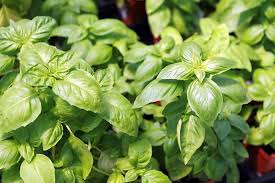
Basil (Ocimum basilicum), commonly known as sweet basil, is a fragrant herb from the mint family (Lamiaceae), native to tropical regions of Central Africa and Southeast Asia. It is widely cultivated for its aromatic, glossy, green leaves, which are commonly used fresh or dried to flavor dishes in Italian, Thai, and Mediterranean cuisines.
Basil has a slightly sweet, peppery flavor with hints of clove and mint. In addition to its culinary uses, it is valued for its medicinal properties, including anti-inflammatory, antibacterial, and antioxidant effects.
Basil is an aromatic herb in the mint family that has anti-inflammatory, anti-stress and antibacterial properties. It also works as a pain reliever, blood vessel protector, immune booster and cancer fighter. Basil contains essential oils that are rich in antioxidants and are responsible for the many benefits of basil as discussed below.
The Proven Health Benefits of Basil
Scientific studies show the following benefits of basil:
- Anti-inflammatory
- Antioxidant
- Cancer-fighter
- Pain-reducer (analgesic)
- Fever-reducer (antipyretic)
- Diabetes-preventer
- Liver-protector (hepatoprotective)
- Blood vessel-protector
- Anti-stress solution
- Immune-booster
Basil contains antioxidant-rich volatile essential oils, which are considered hydrophobic. This means they don’t dissolve in water and are light and small enough to travel through the air and the pores within our skin. Basil’s volatile essential oils are what give the herb its distinct smell and taste, but they’re also responsible for the healing benefits of basil.
Herbs like basil contain essential oil compounds because these help the plant defend itself from predators like bugs, rodents and strains of bacteria in the soil. When we ingest these protective oils, we experience similar benefits: a boost in immunity and protection from disease. The most common cooking basil used as a fresh herb in recipes is Italian basil, which also boasts numerous health benefits because of its high levels of antioxidants, magnesium and vitamins.
Basil extract is also used to create perfumes, household cleaners and in dental-care products since one of the known benefits of basil is its ability to act as an anti-bacterial and anti-microbial agent that fights germs and bacteria.
Nutritional Value of Basil
½ cup of fresh chopped basil (or about eight tablespoons) has roughly:
- 2 calories
- 0 fat, protein, sugar or fiber
- 56 milligrams vitamin A (24 percent)
- 88 milligrams vitamin K (108 percent)
- 0.24 milligrams manganese (12 percent)
- 4 milligrams vitamin C (8 percent)
Read Also: Barberry (Berberis vulgaris): Importance and Health Benefits
12 Health Benefits of Basil
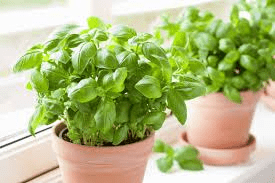
1. Contains Disease-Fighting Antioxidants
One of the key benefits of basil essential oil is the ability to help fight free radical damage while protecting DNA structure and cells. Basil contains two important water-soluble flavonoid antioxidants, known as orientin and viceninare, which help protect white blood cells responsible for immune function, as well as cellular structures where DNA is stored.
Antioxidants found in basil keep chromosomes from becoming altered and resulting in cell mutations and cancerous cell growth. Oxidative stress occurs inside the body due to the effects of toxins in the diet, environmental pollution and radiation but antioxidants like the kind found in basil help fight oxidation and slow down the effects of aging.
2. Acts as an Anti-Inflammatory
Basil contains powerful essential oils, including eugenol, citronellol and linalool. These are enzyme-inhibiting oils that help lower inflammation, which is at the root of most diseases like heart disease, rheumatoid arthritis and inflammatory bowel conditions.
3. Fights Cancer
Clinical studies show that basil contains phytochemicals, which can help naturally prevent cancer, including chemical-induced skin, liver, oral and lung cancers. Basil is able to increase antioxidant activity, positively alter gene expressions, induce cancerous-cell apoptosis (death of harmful cells) and stop cancerous tumors from spreading.
In studies using animals, basil extract has shown protection against cancer and mortality while also selectively protecting normal tissue and cells from negative effects of cancer treatments like radiation or chemotherapy.
4. Contains Antibacterial Properties
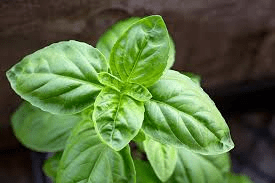
Another one of the benefits of basil essential oils is to provide protection against harmful bacterial growth. In studies, basil extract is even shown to be helpful in inhibiting resistant strains of bacteria that don’t respond to antibiotic treatments.
5. Contains Antimicrobial Properties that Fight Viruses and Infections
Basil essential oils have been found to exhibit anti-microbial activity against a wide range of bacteria, yeasts, molds and viruses. This means you can add protection against the candida virus and various forms of skin irritations to the long list of proven benefits of basil.
6. Combats Stress by Acting as an Adaptogen
Studies show that basil has strong potential to act as a natural adaptogen, an herbal medicine that helps the body adapt to stress and to normalize the harmful effects of stressors on bodily processes.
7. Fights Depression
Benefits of basil also apply to those with mental disorders or mood-related illnesses, including depression and anxiety. Basil is also considered an antidepressant by some since it can positively impact brain function within the adrenal cortex, helping stimulate neurotransmitters that regulate the hormones responsible for making us happy and energetic.
Read Also: 30 Proven Health Benefits of Okra (Lady Finger)
8. Promotes Cardiovascular Health
Both an antioxidant and anti-inflammatory food, basil can help the muscles that control blood vessel function to contract and relax, promoting healthy blood pressure. Benefits of basil include the ability to help prevent dangerous platelet aggregation.
9. Supports Liver Function and Helps Detoxify the Body
A study found that when sickly rats were given basil extract over a period of five days, they experienced significant improvements in producing detoxifying enzymes, higher antioxidant defenses and a reduction of fat buildup in the liver.
10. Helps Alkalize the Body and Improve Digestion
Basil helps balance acid within the body and restore the body’s proper pH level. This can improve digestion and immunity by helping healthy bacteria flourish within the gut microflora, while also decreasing harmful bacteria that can cause disease.
11. Can Act as a Natural Aphrodisiac
In Italy, basil has been considered a symbol of love for centuries. The aroma of basil is believed to increase libido and arousal, possibly by increasing blood flow and energy levels, while reducing inflammation.
12. Helps Protect from Diabetes and Metabolic Syndrome
Basil extracts have been found to reduce circulating blood glucose levels and inflammation, which makes basil protective against diabetes development and other forms of metabolic syndrome.
Read Also: 18 Health Benefits of Ginger and Garlic Tea to Lose Weight and others
Different Types of Basil
There are actually some significant botanical differences between various types of basil plants. All basil plants for the most part grow as small plants that produce large green leaves, measuring around two inches in length. Their season is through the warm summer months.
Some of the many species of basil include: sweet basil, lemon basil, Italian or curly basil, holy basil, Thai basil and lettuce-leaf basil.
Historical Uses of Basil
Basil belongs to the genus Ocimum, which is derived from the Greek ozo, meaning to smell. The exact origins of basil are somewhat unclear, however it’s believed that basil is native to areas in Asia and Africa.
Holy basil also has a long history of religious and medical use in India, where it’s considered one of the most important herbs there is.
Read Also: Health Benefits of Paw-Paw (Papaya) Leaves for Cancer and Others
Buying and Cooking with Basil
Today, basil is one of the most important herbs in many cultures and cuisines, including Italian, Indian, Thai and Vietnamese. Fresh basil, dried basil and oil-infused basil are all ways to add basil flavor to dishes.
When buying basil, look for brightly colored leaves that are firm and aren’t wilted. You can also try growing your own basil plants by planting some in any warm space that has a lot of access to sunlight.
Side Effects of Basil
Basil essential oil isn’t meant to be ingested and should be diluted when used on the skin due to its potency. Fresh basil is considered very safe and is usually well-tolerated. But there are some risks for certain groups of people.
If you’re pregnant, trying to get pregnant or breast-feeding, it’s a good idea to avoid basil since traditionally it’s been known to have anti-fertility effects.
Read Also: Aloe Vera (Aloe Barbadensis): Importance and Health Benefits
Scientific Evidence and Case Studies on Basil (Ocimum basilicum)
1. Antioxidant activity: Basil contains flavonoids like orientin and vicenin that protect cells and DNA from free radical damage while boosting immune function.
2. Anti-inflammatory effects: Essential oils such as eugenol, citronellol, and linalool inhibit enzymes to reduce inflammation linked to chronic diseases.
3. Anticancer properties: Phytochemicals in basil increase antioxidant activity, induce apoptosis in cancer cells, alter gene expression, and prevent tumor spread in various models.
4. Antibacterial and antimicrobial action: Basil oil inhibits growth of resistant bacteria like E. coli strains and shows activity against viruses, yeasts, and molds.
5. Adaptogenic and anti-stress benefits: Basil normalizes stress responses, reduces oxidative stress, protects cardiovascular and respiratory systems, and lowers blood sugar in stressed models.
Summary of Basil (Ocimum basilicum): Importance and Health Benefits
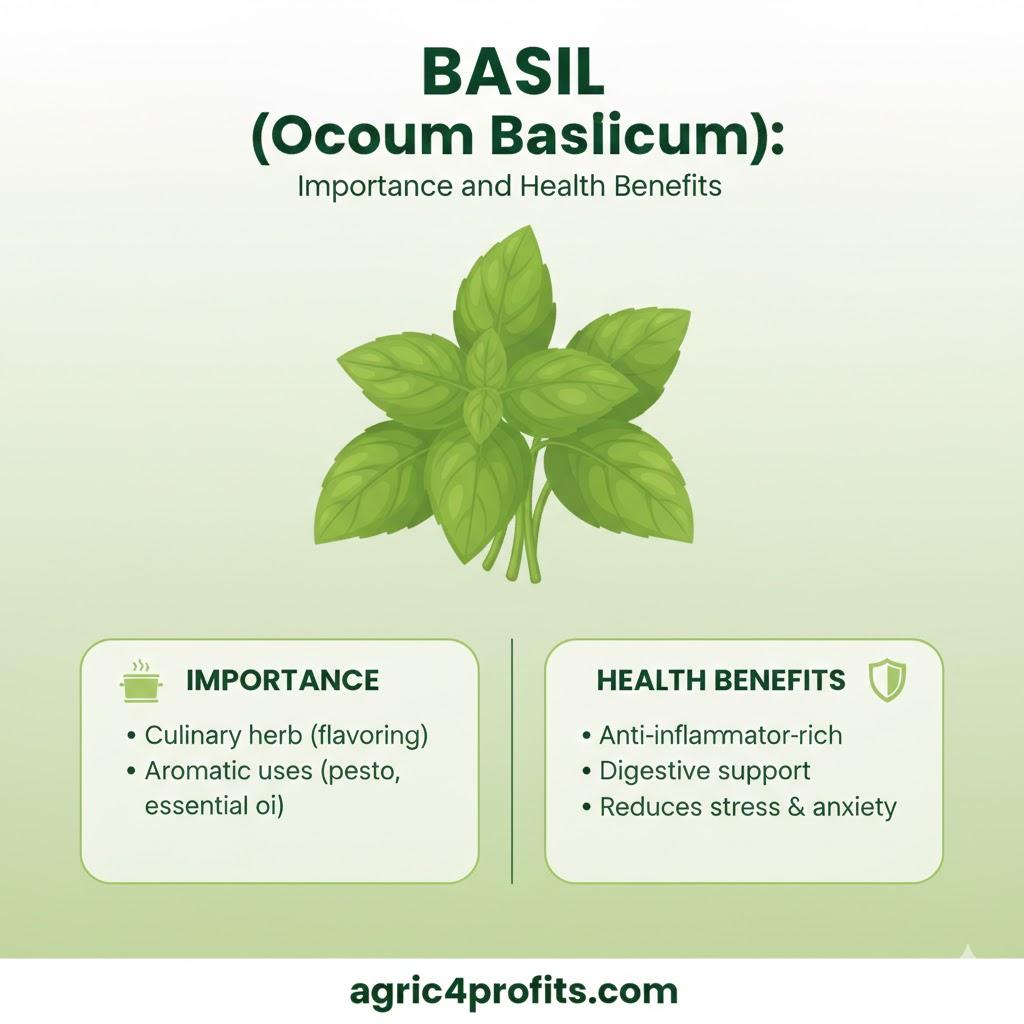
| Aspect | Description |
|---|---|
| Introduction | Basil is a fragrant mint family herb native to tropical Africa and Asia, used for flavoring and medicine with anti-inflammatory, antibacterial, and antioxidant properties. |
| Nutritional Profile | Low-calorie; rich in vitamin A, K, manganese, and C (½ cup provides significant daily percentages). |
| Key Benefits | Antioxidants fight free radicals; anti-inflammatory reduces disease roots; fights cancer via apoptosis and prevention; antibacterial/antimicrobial against resistant strains; adaptogen combats stress; fights depression; supports heart health and blood pressure; aids liver detox; alkalizes body and improves digestion; acts as aphrodisiac; protects against diabetes. |
| Essential Oils Role | Volatile hydrophobic oils provide scent, taste, and healing (immunity boost, germ protection). |
| Types and Varieties | Includes sweet, lemon, holy (tulsi), Thai, and others with varying flavors and oil compositions. |
| Historical Context | Ancient use in Asia/Africa; sacred in Hinduism; spread globally; tied to superstitions and healing. |
| Usage and Buying | Fresh/dried in cuisines; grow in sunny spots; store properly; use in sauces, teas, etc. |
| Side Effects | Generally safe fresh; avoid oil undiluted; caution in pregnancy or with certain medications. |
Frequently Asked Questions
1. What is basil and where does it come from?
Basil (Ocimum basilicum), or sweet basil, is an aromatic herb from the mint family, native to tropical Central Africa and Southeast Asia, widely grown for culinary and medicinal uses.
2. What are the main health benefits of basil?
Basil offers antioxidant protection, reduces inflammation, fights cancer cells, provides antibacterial and antimicrobial effects, acts as an adaptogen against stress, supports heart and liver health, aids digestion, and helps manage blood sugar for diabetes prevention.
3. How does basil help fight cancer?
Basil phytochemicals boost antioxidants, induce cancer cell death (apoptosis), alter genes positively, and prevent tumor spread, with protective effects in studies against various cancers.
4. Is basil effective against bacteria and infections?
Yes, basil essential oils inhibit harmful bacteria (including resistant strains like E. coli), viruses, yeasts, and molds, offering protection against infections and candida.
5. Can basil reduce stress and act as an adaptogen?
Basil functions as a natural adaptogen, helping the body adapt to stress, lowering oxidative stress, protecting organs, and improving responses in high-stress conditions.
6. Does basil support heart health?
Basil promotes healthy blood pressure by relaxing blood vessels, prevents dangerous platelet clumping, and reduces inflammation that contributes to cardiovascular disease.
7. How does basil benefit digestion and detoxification?
Basil alkalizes the body, balances pH, supports gut bacteria, reduces bloating and cramps, and enhances liver detox enzymes while lowering fat buildup.
8. What are the nutritional highlights of basil?
A serving provides very low calories with high vitamin K (over 100% daily value), vitamin A, manganese, and vitamin C, plus antioxidants from essential oils.
9. Are there different types of basil and do they vary in benefits?
Yes, varieties like sweet, holy (tulsi), Thai, and lemon basil differ in flavor and oil content, but most share core benefits from common compounds like linalool and eugenol.
10. Is basil safe for everyone to use?
Fresh basil is generally safe, but avoid essential oil ingestion or undiluted skin use; pregnant or breastfeeding individuals should avoid it due to potential effects, and consult a doctor if on diabetes or cholesterol medications.
Do you have any questions, suggestions, or contributions? If so, please feel free to use the comment box below to share your thoughts. We also encourage you to kindly share this information with others who might benefit from it. Since we can’t reach everyone at once, we truly appreciate your help in spreading the word. Thank you very much for your support and for sharing!
Disclaimer: This article is for educational and informational purposes only. The health benefits described are based on scientific research and traditional knowledge. They ayre not a substitute for professional medical advice, diagnosis, or treatment. Always consult a healthcare professional before using any herb or natural remedy for medical purposes.
Read Also: Trends in Crop Production Nationally and Globally