


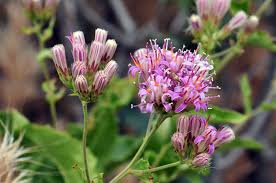
Acourtia wrightii, commonly known as brownfoot, is a flowering perennial plant native to the southwestern United States and northern Mexico. It belongs to the Asteraceae family and is valued for its drought tolerance, low maintenance requirements, and attractive flowers, making it a popular choice for xeriscaping and native plant landscaping projects.
Brownfoot typically grows as a compact shrub, reaching heights of 30 to 90 centimeters. It has woody stems and narrow, lance-shaped leaves that are gray-green in color and covered with fine hairs, giving them a soft, velvety texture. The leaves are arranged alternately along the stems and may have serrated margins.
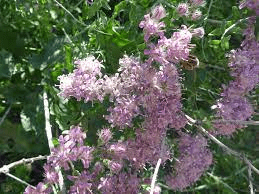
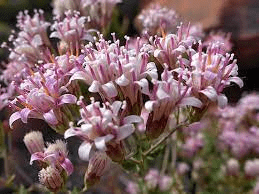
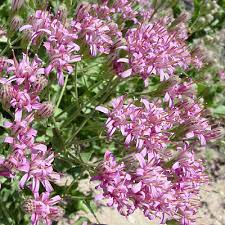
The most striking feature of Acourtia wrightii is its abundant clusters of small, daisy-like flowers that bloom from late spring to fall. The flowers are typically pink to lavender in color, although white and purple varieties also exist. Each flower head is composed of numerous disk florets surrounded by several ray florets, creating a showy display of color.
Brownfoot is well adapted to arid and semi-arid climates and thrives in full sun and well-drained soil. It is commonly found in desert scrub, rocky slopes, and other dry, rocky habitats. Once established, brownfoot is highly drought tolerant and requires minimal supplemental watering, making it an ideal choice for water-wise landscaping projects.
In addition to its ornamental value, Acourtia wrightii provides important habitat and food for pollinators such as bees, butterflies, and other insects. The flowers attract a variety of beneficial insects, including native bees and predatory wasps, which help control pest populations in the garden.
Propagation of brownfoot is typically done through seed, although it can also be propagated from stem cuttings. Once established, brownfoot is relatively low maintenance and requires little attention beyond occasional pruning to remove dead or damaged growth and promote a tidy appearance.
The Botanical Description of Acourtia wrightii
1. Growth Habit: Acourtia wrightii is a perennial herbaceous plant with a distinctive growth habit, characterized by upright stems and a bushy appearance. The plant often forms dense clusters, contributing to its overall ornamental appeal.
2. Leaves: The leaves of Acourtia wrightii are typically alternate, simple, and lanceolate in shape. They may exhibit serrated margins and are covered with fine hairs, imparting a velvety texture. The leaves play a crucial role in photosynthesis and are integral to the plant’s overall physiology.
3. Flowers: One of the key features of Acourtia wrightii is its unique and showy flowers. The blooms are often arranged in dense, rounded clusters and are composed of numerous small florets. The color of the flowers can vary, ranging from shades of pink and purple to white.
4. Inflorescence: The inflorescence of Acourtia wrightii is typically a compound corymb, showcasing a visually striking arrangement of individual flowers. This structural aspect adds to the plant’s visual appeal and makes it a notable presence in its natural habitat.
5. Stem Structure: The stems of Acourtia wrightii are generally sturdy and may exhibit a reddish hue. These stems contribute to the plant’s overall structural integrity and play a role in supporting the abundant clusters of flowers.
6. Root System: Acourtia wrightii possesses a well-developed root system, aiding in anchoring the plant in its habitat. The roots also play a role in nutrient absorption and overall plant stability.
7. Size and Form: Depending on environmental conditions, Acourtia wrightii can vary in size, with mature specimens typically reaching heights of several feet. The overall form of the plant is often rounded and compact, creating a visually appealing presence.
8. Adaptations: To thrive in its native environment, Acourtia wrightii has adapted to withstand various climatic conditions. These adaptations may include features like drought tolerance, which allows the plant to persist in arid regions.
9. Foliage Characteristics: Beyond its lanceolate leaves, Acourtia wrightii foliage may exhibit additional characteristics such as a grayish-green coloration. These features contribute to the plant’s aesthetic appeal and resilience.
10. Reproductive Strategy: Acourtia wrightii reproduces through both seeds and vegetative means. Understanding its reproductive strategy is essential for conserving and managing populations of this species.
The Geographic Distribution of Acourtia wrightii
1. Native Range: Acourtia wrightii is native to specific regions, and its distribution is influenced by factors such as climate, soil types, and elevation. The plant is often found in designated ecological zones within its native range.
2. Habitat Preferences: This species exhibits habitat preferences, favoring specific environmental conditions for optimal growth. Understanding these preferences is crucial for conservation efforts and the successful cultivation of Acourtia wrightii.
3. Ecological Interactions: Acourtia wrightii interacts with other organisms within its ecosystem, forming ecological relationships with pollinators, herbivores, and neighboring plant species. These interactions contribute to the plant’s role in its native environment.
4. Climate Zones: The distribution of Acourtia wrightii may span different climate zones, including arid and semi-arid regions. Examining its presence in distinct climate zones provides insights into its adaptability.
5. Altitudinal Range: Acourtia wrightii may be found at varying altitudes, and its distribution may extend from lowland areas to higher elevations. Understanding the altitudinal range contributes to a comprehensive assessment of its habitat.
6. Endemism: Acourtia wrightii may exhibit endemic characteristics, being restricted to specific geographic areas. Examining endemism provides valuable information for conservation strategies and biodiversity assessments.
7. Conservation Status: The geographic distribution of Acourtia wrightii may impact its conservation status. Understanding the current conservation status is essential for implementing measures to protect and preserve the species.
8. Human Impact: Human activities can influence the geographic distribution of Acourtia wrightii. Anthropogenic factors such as urbanization, agriculture, and land-use changes may impact the plant’s natural habitat.
9. Range Expansion or Contraction: Monitoring changes in the geographic distribution of Acourtia wrightii over time provides insights into whether its range is expanding or contracting. Such changes may be indicative of broader environmental shifts.
10. Invasive Potential: Assessing the geographic distribution helps evaluate the invasive potential of Acourtia wrightii in regions where it is introduced. Understanding its ecological impact in non-native areas is crucial for ecosystem management.
11. Microhabitats: Within its larger geographic range, Acourtia wrightii may occupy specific microhabitats that offer unique ecological niches. Identifying these microhabitats contributes to a nuanced understanding of the plant’s ecology.
12. Geographic Distribution Maps: Creating geographic distribution maps visually represents the range of Acourtia wrightii, aiding researchers, conservationists, and enthusiasts in comprehending the plant’s spatial distribution.
The The Chemical Composition of Acourtia wrightii
1. Secondary Metabolites: Acourtia wrightii is known to produce various secondary metabolites, including alkaloids, flavonoids, terpenoids, and phenolic compounds. These bioactive molecules contribute to the plant’s chemical composition.
2. Medicinally Relevant Compounds: Certain chemical constituents found in Acourtia wrightii may have medicinal properties. Understanding the presence and concentrations of these compounds is crucial for exploring potential therapeutic applications.
3. Essential Oils: Some species within the Acourtia genus, including Acourtia wrightii, may contain essential oils. These oils contribute to the aromatic profile of the plant and may have practical applications.
4. Antioxidant Compounds: The presence of antioxidant compounds in Acourtia wrightii is noteworthy due to their potential role in neutralizing oxidative stress. This aspect has implications for the plant’s ecological interactions and human uses.
5. Phytochemical Variability: The chemical composition of Acourtia wrightii may exhibit variability across different populations or environmental conditions. Investigating this variability enhances our understanding of the plant’s adaptability.
6. Bioactive Alkaloids: Alkaloids, a class of nitrogen-containing compounds, are among the bioactive constituents found in Acourtia wrightii. These compounds may have ecological roles and can be of interest for pharmacological research.
7. Flavonoid Profiles: Flavonoids, which contribute to the pigmentation of flowers, are part of Acourtia wrightii’s chemical composition. Exploring the diversity of flavonoids enhances our appreciation of the plant’s visual appeal.
8. Pharmacological Significance: Certain compounds present in Acourtia wrightii may have pharmacological significance, influencing the plant’s ecological interactions and potential applications in traditional medicine.
9. Analytical Techniques: Employing analytical techniques such as chromatography and spectroscopy facilitates the identification and quantification of specific chemical compounds in Acourtia wrightii. These techniques are vital for detailed phytochemical studies.
10. Comparative Analyses: Comparative analyses of the chemical composition of Acourtia wrightii with related species or other plants within its ecosystem provide insights into evolutionary relationships and ecological dynamics. These comparisons contribute to a broader understanding of the plant’s chemical ecology.
11. Bioassays: Conducting bioassays with extracts from Acourtia wrightii allows researchers to evaluate the biological activities of its chemical constituents. These assays provide valuable information on potential pharmacological effects and ecological roles.
12. Environmental Factors: Environmental factors such as soil composition, climate, and elevation can influence the chemical composition of Acourtia wrightii. Investigating these relationships enhances our understanding of plant-environment interactions.
13. Seasonal Variation: The chemical composition of Acourtia wrightii may exhibit seasonal variation, with fluctuations in compound concentrations throughout the year. Monitoring these changes provides insights into seasonal adaptations and ecological responses.
14. Cultivar-Specific Traits: In cultivated varieties of Acourtia wrightii, specific traits related to chemical composition may be selected for, leading to differences in secondary metabolite profiles. Understanding these cultivar-specific traits informs breeding and cultivation practices.
15. Nutritional Compounds: Beyond medicinal and bioactive compounds, Acourtia wrightii may contain nutritional compounds such as vitamins, minerals, and dietary fibers. Exploring these nutritional components contributes to our understanding of the plant’s dietary value.
16. Toxic Compounds: While Acourtia wrightii may contain beneficial compounds, it may also produce toxins or antinutritional factors in certain parts or under specific conditions. Identifying and mitigating the presence of such compounds is essential for safe use.
17. Endophytic Associations: Acourtia wrightii may form endophytic associations with microorganisms that influence its chemical composition. Investigating these symbiotic relationships sheds light on plant-microbe interactions and secondary metabolite production.
Read Also: The Health Benefits of Using Maggi Masala on your Cooking
The Medicinal Health Benefits Of Acourtia wrightii (Brownfoot)
1. Anti-inflammatory Properties: Acourtia wrightii is traditionally used to alleviate inflammation and associated symptoms. Its anti-inflammatory properties may benefit individuals with conditions such as arthritis or inflammatory bowel disease.
2. Antioxidant Activity: Compounds present in Acourtia wrightii exhibit antioxidant activity, helping to neutralize free radicals and protect cells from oxidative damage. This antioxidant effect may contribute to overall health and well-being.
3. Digestive Support: Acourtia wrightii preparations are used to promote digestive health and alleviate gastrointestinal discomfort. Its soothing properties may help relieve symptoms of indigestion, bloating, and stomach upset.
4. Respiratory Relief: The plant’s expectorant and bronchodilator properties make it beneficial for respiratory health. It may help alleviate symptoms of cough, congestion, and respiratory infections.
5. Immune Support: Acourtia wrightii is believed to have immunomodulatory effects, supporting the body’s natural defense mechanisms. Regular consumption may help strengthen the immune system and reduce susceptibility to infections.
6. Wound Healing: Topical applications of Acourtia wrightii may promote wound healing and skin regeneration. Its antimicrobial and anti-inflammatory actions contribute to the healing process.
7. Pain Management: Acourtia wrightii preparations are used traditionally for pain relief, including headaches, muscle aches, and joint pain. Its analgesic properties provide symptomatic relief for various types of discomfort.
8. Antimicrobial Activity: Certain compounds found in Acourtia wrightii exhibit antimicrobial activity against bacteria, fungi, and other pathogens. This antimicrobial effect may help prevent or treat infections.
9. Relaxation and Stress Reduction: Acourtia wrightii is valued for its calming and stress-relieving effects. Consuming preparations or inhaling its aroma may promote relaxation and mental well-being.
10. Cardiovascular Support: Some research suggests that Acourtia wrightii may have cardiovascular benefits, including blood pressure regulation and cholesterol management. These effects contribute to heart health and reduce the risk of cardiovascular diseases.
11. Antidiabetic Effects: Preliminary studies indicate that Acourtia wrightii may have antidiabetic properties, helping to regulate blood sugar levels and improve insulin sensitivity. Further research is needed to elucidate its mechanisms of action.
12. Liver Protection: Compounds present in Acourtia wrightii may support liver health and protect against liver damage. Its hepatoprotective properties are attributed to its antioxidant and anti-inflammatory actions.
13. Anti-anxiety Effects: Acourtia wrightii preparations may have anxiolytic effects, helping to reduce anxiety and promote relaxation. These calming properties make it beneficial for individuals experiencing stress or anxiety disorders.
14. Anticancer Potential: Some studies suggest that Acourtia wrightii may possess anticancer properties, inhibiting the growth and spread of cancer cells. Further research is necessary to explore its potential as an adjunctive therapy for cancer treatment.
15. Hormonal Balance: Traditional use of Acourtia wrightii includes hormonal regulation and menstrual support. Its phytoestrogenic properties may help alleviate symptoms of hormonal imbalances and menstrual irregularities.
16. Antidepressant Activity: Preliminary evidence suggests that Acourtia wrightii may exhibit antidepressant activity, potentially due to its impact on neurotransmitter levels and mood regulation. Further research is warranted to validate these findings.
17. Cognitive Enhancement: Acourtia wrightii preparations are believed to enhance cognitive function and mental clarity. Regular consumption may improve memory, concentration, and overall cognitive performance.
The Methods of Usage to Achieve the Provided Health Benefits Of Acourtia wrightii (Brownfoot)
1. Herbal Tea: Brewing dried Acourtia wrightii leaves into a herbal tea is a common method of consumption. This allows for easy ingestion and absorption of beneficial compounds.
2. Tinctures: Tinctures made from Acourtia wrightii extract offer a concentrated form of the plant’s active ingredients. They can be taken orally or added to beverages for convenient administration.
3. Poultices: Applying a poultice made from crushed Acourtia wrightii leaves to the skin can help relieve pain, inflammation, and minor wounds. The poultice acts as a topical treatment, delivering the plant’s healing properties directly to the affected area.
4. Inhalation: Inhaling the steam from boiled Acourtia wrightii leaves or essential oil can provide respiratory relief and promote relaxation. This method is especially beneficial for addressing respiratory issues and stress-related symptoms.
5. Capsules or Tablets: Acourtia wrightii supplements in capsule or tablet form offer a convenient way to incorporate its health benefits into daily routines. They provide standardized doses of the plant’s active constituents for consistent results.
6. Infusions: Preparing infusions by steeping Acourtia wrightii leaves in hot water allows for the extraction of medicinal compounds. Infusions can be customized with additional herbs or flavorings to enhance taste and efficacy.
7. Topical Creams or Ointments: Formulating creams or ointments with Acourtia wrightii extract enables targeted application to areas of pain, inflammation, or skin irritation. Topical preparations provide localized relief and promote healing.
8. Culinary Uses: Incorporating fresh or dried Acourtia wrightii leaves into culinary dishes adds flavor and nutrition. They can be used in salads, soups, stews, and other recipes to impart their health-enhancing properties.
9. Bath Additives: Adding Acourtia wrightii extract or infused oil to bathwater creates a soothing and therapeutic experience. Bath additives can help relax muscles, relieve tension, and promote overall well-being.
10. Mouthwash or Gargle: Using Acourtia wrightii-infused mouthwash or gargle can support oral health by reducing inflammation, combating bacteria, and freshening breath. This method provides targeted care for the mouth and throat.
11. Compresses: Applying warm or cold compresses soaked in Acourtia wrightii infusion can alleviate pain, swelling, and inflammation. Compress therapy is effective for addressing localized discomfort and promoting healing.
12. Aromatherapy: Diffusing Acourtia wrightii essential oil or incorporating it into aromatherapy blends can uplift mood, reduce stress, and enhance mental clarity. Aromatherapy promotes emotional well-being and relaxation.
The Side Effects Of Using Acourtia wrightii Medicinal Plant
1. Allergic Reactions: Some individuals may experience allergic reactions to Acourtia wrightii, particularly if they have sensitivities to plants in the Asteraceae family. Symptoms may include skin rashes, itching, or respiratory issues.
2. Gastrointestinal Upset: Ingesting large quantities of Acourtia wrightii or its preparations may cause gastrointestinal upset, including nausea, vomiting, or diarrhea. It is advisable to use the plant in moderation to avoid digestive discomfort.
3. Skin Sensitivity: Topical application of Acourtia wrightii preparations may cause skin sensitivity or irritation in some individuals. Performing a patch test before extensive use can help identify potential reactions.
4. Photosensitivity: Certain compounds in Acourtia wrightii may increase sensitivity to sunlight, leading to sunburn or skin damage. Individuals using topical preparations should take precautions to minimize sun exposure.
5. Interactions with Medications: Acourtia wrightii may interact with certain medications, including blood thinners, antihypertensives, or sedatives. It is advisable to consult with a healthcare professional before using the plant, especially if taking medications.
6. Pregnancy and Lactation: Pregnant or lactating individuals should exercise caution when using Acourtia wrightii, as its safety during these periods has not been adequately studied. Consultation with a healthcare provider is recommended.
7. Toxicity Concerns: Ingesting excessive amounts of Acourtia wrightii or its preparations may lead to toxicity symptoms, including nausea, dizziness, or liver damage. It is essential to adhere to recommended dosages and usage guidelines.
8. Drug Sensitivities: Individuals with known sensitivities to certain drugs or plant compounds should approach the use of Acourtia wrightii with caution. Monitoring for adverse reactions is advisable, especially during initial use.
9. Respiratory Irritation: Inhalation of Acourtia wrightii essential oil or vapors may cause respiratory irritation or exacerbate existing respiratory conditions. Proper ventilation and dilution are necessary when using aromatic preparations.
10. Sedative Effects: Acourtia wrightii preparations may have sedative effects, causing drowsiness or impaired cognitive function. Individuals operating heavy machinery or performing tasks requiring alertness should use caution.
11. Hormonal Effects: Some compounds in Acourtia wrightii may exert hormonal effects, potentially affecting hormone-sensitive conditions or medications. Monitoring hormonal balance and consulting a healthcare professional is advisable.
12. Long-term Effects: The long-term effects of regular Acourtia wrightii use have not been extensively studied. Practicing moderation and periodic evaluation of its effects on health are recommended for prolonged usage.
13. Blood Pressure Regulation: Acourtia wrightii may influence blood pressure levels, necessitating monitoring for individuals with hypertension or hypotension. Adjustments to medication dosages may be necessary under healthcare supervision.
14. Liver Function: Individuals with liver conditions or impaired liver function should exercise caution when using Acourtia wrightii, as certain compounds may affect liver enzymes or metabolism. Regular monitoring of liver function is advisable.
15. Mental Health Considerations: Acourtia wrightii preparations with sedative or anxiolytic effects may impact mental health conditions such as depression or anxiety. Close monitoring and professional guidance are recommended for individuals with mental health disorders.
Read Also: 16 Medicinal Health Benefits Of Piper excelsum (Kawakawa)
The Scientific Research and Studies of Acourtia wrightii
1. Pharmacological Investigations: Scientific studies have explored the pharmacological properties of Acourtia wrightii, including its anti-inflammatory, analgesic, and antioxidant activities. These investigations provide evidence for its traditional uses in folk medicine.
2. Antimicrobial Effects: Research has demonstrated the antimicrobial effects of Acourtia wrightii against various bacterial and fungal pathogens. These findings support its traditional use as a natural remedy for infections and wound healing.
3. Anti-inflammatory Mechanisms: Studies have elucidated the anti-inflammatory mechanisms of Acourtia wrightii compounds, including inhibition of pro-inflammatory mediators and modulation of immune responses. These insights contribute to the understanding of its therapeutic potential.
4. Phytochemical Analysis: Phytochemical analysis of Acourtia wrightii has identified numerous bioactive compounds, including alkaloids, flavonoids, terpenoids, and phenolic compounds. Understanding its chemical composition informs pharmacological research and medicinal applications.
5. Toxicological Evaluations: Toxicological evaluations have assessed the safety profile of Acourtia wrightii preparations, providing valuable data on potential adverse effects and dosage guidelines. These evaluations inform regulatory decisions and healthcare recommendations.
6. Ethnobotanical Surveys: Ethnobotanical surveys have documented the traditional uses of Acourtia wrightii among indigenous communities, highlighting its importance as a medicinal plant in folk medicine practices. These surveys contribute to cultural preservation and biodiversity conservation efforts.
The Safety Precautions and Recommendations In Using Acourtia wrightii Medicinal Plant
1. Consultation with Healthcare Professional: Before using Acourtia wrightii for medicinal purposes, individuals should consult with a qualified healthcare professional, especially if pregnant, lactating, or taking medications. Healthcare providers can offer personalized guidance based on individual health status and potential interactions.
2. Dosage and Administration: Adhere to recommended dosages and administration methods when using Acourtia wrightii preparations. Excessive consumption or incorrect administration may lead to adverse effects or toxicity.
3. Allergy Testing: Individuals with known allergies to plants in the Asteraceae family should perform an allergy test before using Acourtia wrightii preparations. This helps identify potential allergic reactions and prevents adverse outcomes.
4. Quality and Purity: Ensure the quality and purity of Acourtia wrightii products by sourcing them from reputable suppliers or manufacturers. Choose products that undergo rigorous testing and adhere to quality standards.
5. Monitoring for Adverse Effects: Monitor for any adverse effects or reactions when using Acourtia wrightii preparations. Discontinue use and seek medical attention if experiencing unusual symptoms or discomfort.
6. Storage and Handling: Store Acourtia wrightii products in a cool, dry place away from direct sunlight and moisture. Follow proper storage and handling practices to maintain their efficacy and shelf life.
7. Pregnancy and Lactation: Pregnant or lactating individuals should exercise caution when using Acourtia wrightii, as its safety during these periods has not been established. Consultation with a healthcare provider is recommended before use.
8. Drug Interactions: Acourtia wrightii may interact with certain medications, including blood thinners, antihypertensives, or sedatives. Inform healthcare providers about all medications and supplements being used to avoid potential interactions.
9. Sun Protection: Individuals using topical preparations of Acourtia wrightii should take precautions to protect their skin from excessive sun exposure. Some compounds may increase photosensitivity, leading to sunburn or skin damage.
10. Reporting Adverse Events: Report any adverse events or reactions associated with Acourtia wrightii use to healthcare providers or regulatory authorities. Timely reporting helps improve product safety and public health awareness.
11. Sensitivity Testing: Perform sensitivity testing before extensive use of Acourtia wrightii preparations, especially for topical applications. Apply a small amount to a small area of skin and monitor for any adverse reactions before broader use.
12. Children and Elderly: Use caution when administering Acourtia wrightii to children or elderly individuals, as they may be more susceptible to adverse effects. Adjust dosages and monitor for any signs of sensitivity or discomfort.
FAQs About Acourtia wrightii Medicinal Plant
1. Is Acourtia wrightii safe for consumption?
While Acourtia wrightii has a history of traditional use as a medicinal plant, its safety for consumption depends on various factors such as dosage, individual health status, and potential interactions with medications. It is advisable to consult with a healthcare professional before using it internally.
2. Can Acourtia wrightii be used during pregnancy?
Pregnant individuals should exercise caution when using Acourtia wrightii, as its safety during pregnancy has not been adequately studied. Consultation with a healthcare provider is recommended before use, and pregnant individuals may choose to avoid it to err on the side of caution.
3. What are the potential drug interactions of Acourtia wrightii?
Acourtia wrightii may interact with certain medications, including blood thinners, antihypertensives, and sedatives. It is essential to inform healthcare providers about all medications and supplements being used to avoid potential interactions and adverse effects.
4. How should Acourtia wrightii preparations be stored?
Acourtia wrightii products should be stored in a cool, dry place away from direct sunlight and moisture to maintain their potency and shelf life. Follow the storage instructions provided by the manufacturer and ensure proper sealing to prevent contamination.
5. Are there any known allergic reactions to Acourtia wrightii?
Some individuals may experience allergic reactions to Acourtia wrightii, particularly if they have sensitivities to plants in the Asteraceae family. Symptoms of allergic reactions may include skin rashes, itching, or respiratory issues. Perform an allergy test before use if allergic reactions are a concern.
6. Can Acourtia wrightii be used topically for skin conditions?
Topical application of Acourtia wrightii preparations may be beneficial for addressing certain skin conditions, such as inflammation, wounds, or irritation. However, individuals should perform a patch test before extensive use to check for skin sensitivity or allergic reactions.
Do you have any questions, suggestions, or contributions? If so, please feel free to use the comment box below to share your thoughts. We also encourage you to kindly share this information with others who might benefit from it. Since we can’t reach everyone at once, we truly appreciate your help in spreading the word. Thank you very much for your support and for sharing!
Disclaimer: This article is for educational and informational purposes only. The health benefits described are based on scientific research and traditional knowledge. They ayre not a substitute for professional medical advice, diagnosis, or treatment. Always consult a healthcare professional before using any herb or natural remedy for medical purposes.
Read Also: How to Graft an Avocado Tree to Produce Avocado Fruit