


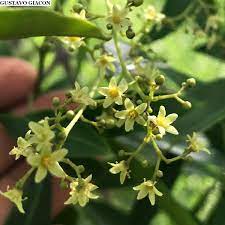
Aegiphila sellowiana, commonly known as Canela-de-veado in Portuguese, is a species of flowering plant in the Lamiaceae family. Native to Brazil and other parts of South America, this evergreen shrub is known for its aromatic foliage and attractive clusters of flowers.
The “Canela-de-veado” typically grows to a height of 1 to 3 meters, featuring opposite leaves that are lanceolate and have serrated edges. The leaves, when crushed, release a pleasant fragrance, adding to the plant’s overall appeal. The plant’s branching habit and dense foliage make it suitable for hedging or as an ornamental shrub in gardens.
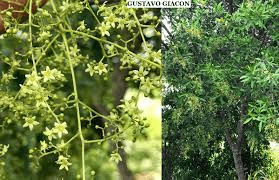
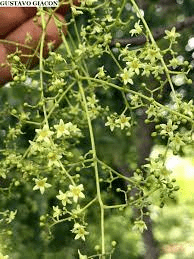
The flowers of Aegiphila sellowiana are small and arranged in dense, terminal clusters. The inflorescences, often appearing in shades of white or light purple, create a visually appealing contrast against the green foliage. The blooming period can vary depending on the specific conditions, but it generally occurs during the warmer months.
In its native regions, “Canela-de-veado” is recognized for its traditional uses. Some communities have employed the plant for its aromatic qualities, using the leaves to make herbal teas or for their fragrant properties in various applications.
Culturally, the plant may hold significance in local traditions or folklore, but detailed information on specific cultural associations may vary. The aromatic nature of the plant, however, suggests potential uses in traditional medicine or cultural practices related to fragrance.
For cultivation, Aegiphila sellowiana is adaptable to a variety of soil types and prefers a sunny to partially shaded location. It is relatively low-maintenance, making it a suitable choice for landscaping in different climates.
Overall, “Canela-de-veado” is valued for its aromatic foliage and decorative flowers, making it a versatile and attractive addition to gardens and landscapes in its native range.
The Botanical Description of Aegiphila sellowiana
1. Family and Genus: Aegiphila sellowiana belongs to the Lamiaceae family, commonly known as the mint family. Within this family, it is part of the Aegiphila genus, which includes various aromatic plants.
2. Morphological Features: The plant typically reaches a height of 1 to 3 meters. It is characterized by opposite leaves with serrated edges and a vibrant green color. The leaves are lanceolate, providing an elegant and elongated appearance to the plant.
3. Flowers: Aegiphila sellowiana produces dense clusters of tubular, aromatic flowers. The color of the flowers can range from white to shades of lavender or pink, contributing to its ornamental value.
4. Aromatic Qualities: One notable botanical feature is its aromatic nature. The plant emits a pleasant fragrance, a characteristic common in many members of the Lamiaceae family.
5. Bark and Stem: The bark is generally smooth, and the stems are often sturdy and slightly woody. The overall structure of the plant is well-adapted for its various uses, including medicinal and ornamental purposes.
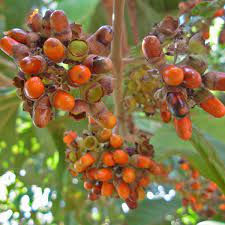
6. Fruits and Seeds: Aegiphila sellowiana produces small, inconspicuous fruits containing seeds. While not a prominent feature, the reproductive structures contribute to the plant’s life cycle.
7. Adaptations to Climate: This species demonstrates adaptability to different climatic conditions. Its hardiness makes it suitable for cultivation in a variety of regions.
8. Growth Habit: Aegiphila sellowiana typically exhibits an upright growth habit, forming a bushy and compact appearance. This growth pattern contributes to its appeal in landscaping.
9. Leaf Arrangement: The leaves are arranged oppositely along the stems, a characteristic common in the Lamiaceae family. This arrangement enhances the plant’s exposure to sunlight for photosynthesis.
10. Native Habitat: Aegiphila sellowiana is native to South America, specifically found in countries like Brazil and Argentina. Its natural habitat includes forested areas, where it thrives in the rich, well-drained soils.
11. Ornamental Features: Beyond its medicinal uses, Aegiphila sellowiana is appreciated for its ornamental value. The combination of aromatic foliage and colorful flowers makes it a popular choice in gardens and landscaping.
12. Growth Cycle: The plant follows a perennial growth cycle, regenerating year after year. Understanding its growth cycle is essential for effective cultivation and utilization.
The Geographic Distribution of Aegiphila sellowiana
1. Native Range: Aegiphila sellowiana is native to the tropical and subtropical regions of South America. It thrives in the warm and humid climates of countries like Brazil and Argentina.
2. Cultivation Worldwide: Due to its ornamental and medicinal value, Aegiphila sellowiana has been cultivated beyond its native range. It can be found in gardens and landscapes in various tropical and subtropical regions worldwide.
3. Climate Preferences: The plant favors tropical and subtropical climates with temperatures ranging from 20 to 30 degrees Celsius. It is well-adapted to regions with distinct wet and dry seasons.
4. Altitude Range: Aegiphila sellowiana is often found at elevations ranging from sea level to higher altitudes. Its ability to thrive in diverse altitudinal zones contributes to its widespread distribution.
5. Soil Requirements: The plant shows versatility in soil preferences, growing well in well-drained soils with moderate fertility. It can adapt to different soil types, enhancing its ability to colonize various habitats.
6. Human Introductions: Beyond natural distribution, human cultivation and intentional introductions have expanded the geographic range of Aegiphila sellowiana. It is cultivated for both its aesthetic and medicinal qualities.
7. Invasive Potential: In some regions, Aegiphila sellowiana has displayed invasive tendencies, potentially outcompeting native vegetation. This emphasizes the importance of responsible cultivation and management practices.
8. Biotic Interactions: The plant interacts with various biotic factors, including insects and birds attracted to its flowers. Understanding these interactions is crucial for ecosystem dynamics and conservation efforts.
9. Conservation Status: While not considered endangered, the conservation status of Aegiphila sellowiana may be influenced by factors such as habitat loss and invasive tendencies. Monitoring its status is essential for sustainable management.
10. Ecological Role: Aegiphila sellowiana plays a role in local ecosystems by providing habitat and food for certain fauna. Its ecological interactions contribute to the overall biodiversity of its native and introduced habitats.
11. Human Impact: Human activities, including urbanization and land-use changes, can impact the geographic distribution of Aegiphila sellowiana. Balancing cultivation with conservation efforts is crucial for maintaining ecological balance.
The Chemical Composition of Aegiphila sellowiana
1. Essential Oils: Aegiphila sellowiana is known for its rich essential oil content. The oils extracted from the plant contribute to its aromatic qualities and are of interest for various applications.
2. Terpenoids: Terpenoids are prominent constituents of Aegiphila sellowiana. These compounds have diverse biological activities, including antimicrobial and anti-inflammatory properties.
3. Phenolic Compounds: The plant contains phenolic compounds, known for their antioxidant properties. These compounds contribute to the plant’s potential health benefits.
4. Flavonoids: Aegiphila sellowiana is rich in flavonoids, a class of compounds with antioxidant, anti-inflammatory, and immune-modulating effects. The presence of flavonoids enhances the plant’s medicinal value.
5. Alkaloids: Some species within the Lamiaceae family, including Aegiphila sellowiana, may contain alkaloids. Alkaloids often have pharmacological significance and contribute to the plant’s bioactivity.
6. Tannins: Tannins, known for their astringent properties, are present in Aegiphila sellowiana. These compounds may play a role in the plant’s medicinal uses, particularly in traditional medicine.
7. Organic Acids: Aegiphila sellowiana may contain organic acids, contributing to its overall chemical composition. These acids can influence the plant’s flavor and potential health benefits.
8. Lipids: Lipids, including fatty acids, are part of the chemical composition of Aegiphila sellowiana. Research on lipid content contributes to understanding its potential uses in various applications.
9. Sterols: Sterols are among the bioactive compounds found in Aegiphila sellowiana. These compounds may contribute to the plant’s therapeutic properties and are of interest in scientific research.
10. Saponins: Saponins, with their foaming and emulsifying properties, are present in Aegiphila sellowiana. These compounds have implications for both traditional uses and potential industrial applications.
11. Glycosides: Aegiphila sellowiana may contain glycosides, bioactive compounds with various physiological effects. Understanding the presence of glycosides contributes to unraveling the plant’s therapeutic potential.
12. Lignans: Lignans, known for their antioxidant and anti-inflammatory properties, are part of the chemical composition of Aegiphila sellowiana. These compounds add to the plant’s overall bioactivity.
13. Amino Acids: Aegiphila sellowiana may contain amino acids, the building blocks of proteins. The presence of amino acids contributes to the nutritional profile of the plant.
14. Carbohydrates: Carbohydrates, including sugars and polysaccharides, are part of the chemical composition of Aegiphila sellowiana. These compounds play a role in the plant’s metabolism and potential uses.
Read Also: Benefits and Uses of Peanut Grass, and Where To Find Them
The Medicinal Health Benefits Of Aegiphila sellowiana (Canela-de-veado)
1. Anti-Inflammatory Properties: Aegiphila sellowiana is recognized for its anti-inflammatory properties, attributed to compounds like terpenoids and flavonoids. These properties may have implications for conditions involving inflammation.
2. Antioxidant Effects: The presence of phenolic compounds, flavonoids, and other antioxidants in Aegiphila sellowiana contributes to its ability to neutralize free radicals, potentially reducing oxidative stress.
3. Respiratory Health Support: Traditional uses of Aegiphila sellowiana include remedies for respiratory conditions. The plant’s anti-inflammatory and antimicrobial properties may aid in respiratory health.
4. Digestive Aid: Aegiphila sellowiana has been traditionally used as a digestive aid. Compounds like tannins and essential oils may contribute to its digestive benefits.
5. Antimicrobial Activity: The plant’s essential oils and bioactive compounds exhibit antimicrobial properties, suggesting potential applications in combating certain infections.
6. Wound Healing: Aegiphila sellowiana has been used traditionally for wound healing. Its combination of anti-inflammatory and antimicrobial effects may contribute to the acceleration of the healing process.
7. Immune System Modulation: Compounds within Aegiphila sellowiana, such as flavonoids and terpenoids, may modulate the immune system. This modulation could have implications for immune-related disorders.
8. Relaxant and Anxiolytic Effects: Some traditional uses involve Aegiphila sellowiana as a relaxant. Its potential anxiolytic effects may be attributed to certain compounds influencing the central nervous system.
9. Pain Relief: The analgesic properties of Aegiphila sellowiana may provide relief from pain. This is particularly relevant in traditional medicine where the plant is used for pain management.
10. Fever Reduction: Aegiphila sellowiana has been traditionally employed for reducing fever. Its antipyretic properties may help in managing febrile conditions.
11. Anticancer Potential: Preliminary research suggests that Aegiphila sellowiana may possess anticancer properties. Scientific studies are ongoing to explore its potential in cancer treatment.
12. Cardiovascular Support: Compounds like flavonoids in Aegiphila sellowiana may contribute to cardiovascular health. Its traditional use for heart conditions aligns with potential cardiovascular benefits.
13. Anti-diabetic Effects: Some studies indicate that Aegiphila sellowiana may have anti-diabetic effects. Research is ongoing to understand its impact on glucose metabolism.
14. Anti-allergic Properties: Aegiphila sellowiana’s anti-allergic properties may be attributed to compounds like flavonoids, providing relief from allergic reactions.
15. Cognitive Support: Preliminary research suggests that Aegiphila sellowiana may have cognitive-enhancing effects. Its potential role in supporting cognitive function is an area of interest in scientific studies.
16. Anti-arthritic Effects: Traditional uses of Aegiphila sellowiana for arthritis align with its potential anti-arthritic effects. Compounds with anti-inflammatory properties may contribute to this benefit.
17. Anti-anemic Properties: Some traditional uses involve Aegiphila sellowiana for addressing anemia. Research is underway to explore its potential anti-anemic properties.
18. Antiviral Activity: The plant’s bioactive compounds may exhibit antiviral activity, suggesting potential applications in viral infections. Ongoing research aims to elucidate its antiviral mechanisms.
The Methods of Usage to Achieve the Provided Health Benefits Of Aegiphila sellowiana (Canela-de-veado)
1. Herbal Tea Preparation: One common method is the preparation of herbal tea using Aegiphila sellowiana leaves. The leaves are infused in hot water to extract beneficial compounds for consumption.
2. Poultices and Compresses: For wound healing and localized benefits, poultices or compresses can be created using crushed or ground Aegiphila sellowiana leaves. This allows direct application to affected areas.
3. Steam Inhalation: For respiratory health, steam inhalation with Aegiphila sellowiana leaves or essential oils can be employed. Inhaling the vapors may provide relief from respiratory conditions.
4. Tinctures and Extracts: Aegiphila sellowiana tinctures and extracts can be prepared for concentrated doses of its medicinal compounds. These can be taken orally or added to beverages for ease of consumption.
5. Culinary Uses: In regions where Aegiphila sellowiana is traditionally consumed, incorporating it into culinary practices is common. Leaves or extracts may be used in cooking for both flavor and health benefits.
6. Topical Ointments: Ointments or creams infused with Aegiphila sellowiana extracts can be applied topically for skin-related benefits, including wound healing and anti-inflammatory effects.
7. Capsule Supplements: Capsules containing Aegiphila sellowiana extracts provide a convenient method for oral consumption, allowing for standardized dosages and easy integration into daily routines.
8. Aromatherapy: Aegiphila sellowiana essential oils can be utilized in aromatherapy. Diffusing the oil in living spaces may not only offer a pleasant aroma but also provide potential psychological benefits.
9. Smoking Mixtures: In some traditional practices, Aegiphila sellowiana leaves are included in smoking mixtures. However, this method requires caution due to potential respiratory irritation.
10. Bath Additives: Adding Aegiphila sellowiana leaves or extracts to baths allows for absorption through the skin, providing a relaxing experience and potential benefits for skin health.
11. Syrup Formulations: Aegiphila sellowiana syrups can be prepared by combining extracts with sweetening agents. This form makes it more palatable, especially for individuals who prefer a sweeter taste.
12. Herbal Capsules: For those who prefer a convenient and standardized dosage, herbal capsules containing Aegiphila sellowiana can be taken as a dietary supplement.
The Side Effects Of Using Aegiphila sellowiana Medicinal Plant
1. Allergic Reactions: Individuals with known allergies to plants in the Lamiaceae family should exercise caution. Allergic reactions, including skin irritation or respiratory symptoms, may occur.
2. Gastrointestinal Upset: In some cases, excessive consumption of Aegiphila sellowiana preparations may lead to gastrointestinal upset. This includes symptoms like nausea, vomiting, or abdominal discomfort.
3. Photosensitivity: Some individuals may experience photosensitivity, especially when using Aegiphila sellowiana topically. Sun protection measures should be taken to avoid skin reactions or increased sensitivity to sunlight.
4. Respiratory Irritation: Smoking mixtures containing Aegiphila sellowiana leaves may cause respiratory irritation, particularly in individuals with pre-existing respiratory conditions. Alternative methods of usage are recommended for those susceptible to respiratory issues.
5. Drug Interactions: Individuals taking medications should be cautious, as Aegiphila sellowiana may interact with certain drugs. It’s advisable to consult with a healthcare professional to assess potential interactions and adjust medication regimens accordingly.
6. Pregnancy and Lactation: Pregnant and lactating individuals should exercise caution when using Aegiphila sellowiana. Limited information is available on its safety during these periods, and consultation with a healthcare provider is recommended.
7. Central Nervous System Effects: In some cases, Aegiphila sellowiana’s relaxant and anxiolytic effects may cause drowsiness or sedation. Individuals operating machinery or involved in activities requiring focus should be cautious.
8. Potential for Overconsumption: While Aegiphila sellowiana has various health benefits, overconsumption may lead to adverse effects. Adhering to recommended dosages and usage methods is crucial for a balanced and safe experience.
9. Skin Sensitivity: Topical applications may cause skin sensitivity or irritation in some individuals. Patch testing is advisable before widespread use to identify any adverse skin reactions.
10. Not a Substitute for Professional Medical Advice: Aegiphila sellowiana should not be considered a substitute for professional medical advice or prescribed medications. Individuals with specific health concerns should consult healthcare professionals for personalized guidance.
11. Long-Term Effects: Limited information is available regarding the potential long-term effects of continuous Aegiphila sellowiana usage. Regular monitoring and periodic evaluations are advisable for individuals incorporating it into their long-term health routines.
12. Impact on Blood Pressure: Some compounds within Aegiphila sellowiana may influence blood pressure. Individuals with blood pressure concerns should monitor their levels regularly and consult healthcare providers if needed.
13. Digestive Discomfort: Excessive consumption of Aegiphila sellowiana may lead to digestive discomfort, including bloating or indigestion. Moderation in usage is recommended to avoid such side effects.
14. Individual Variability: Responses to Aegiphila sellowiana can vary among individuals. Factors such as age, health status, and individual sensitivities should be considered for a personalized and safe experience.
Read Also: How to Freeze Blueberries
The Scientific Research and Studies of Aegiphila sellowiana
1. Anti-Inflammatory Activity: Scientific studies have explored the anti-inflammatory activity of Aegiphila sellowiana, identifying specific compounds responsible for reducing inflammatory responses. This property holds potential for managing inflammatory conditions.
2. Antioxidant Properties: Research indicates that Aegiphila sellowiana exhibits antioxidant properties, attributed to its phenolic compounds and flavonoids. These antioxidants contribute to cellular protection against oxidative stress.
3. Antimicrobial Effects: Studies have investigated the antimicrobial effects of Aegiphila sellowiana, highlighting its potential in combating various microorganisms. This includes bacteria, fungi, and certain viruses.
4. Analgesic and Anti-arthritic Effects: Preliminary studies suggest that Aegiphila sellowiana may have analgesic effects, providing relief from pain. Additionally, research explores its potential in alleviating symptoms associated with arthritis.
5. Cognitive Enhancements: Scientific interest in Aegiphila sellowiana’s impact on cognitive function has led to studies assessing its potential cognitive-enhancing effects. These studies aim to understand its neurological implications.
6. Anticancer Properties: Ongoing research investigates the potential anticancer properties of Aegiphila sellowiana. Preliminary findings suggest certain bioactive compounds may inhibit cancer cell growth.
The Safety Precautions and Recommendations In Using Aegiphila sellowiana Medicinal Plant
1. Consultation with Healthcare Professionals: Before incorporating Aegiphila sellowiana into health routines, individuals should consult with healthcare professionals, especially those with pre-existing health conditions or taking medications.
2. Allergy Testing: Individuals with known allergies to plants in the Lamiaceae family should conduct allergy testing before using Aegiphila sellowiana. This helps identify potential allergic reactions.
3. Adherence to Recommended Dosages: To avoid side effects, users should adhere to recommended dosages and usage guidelines. Overconsumption may lead to adverse reactions.
4. Sun Protection Measures: For individuals experiencing photosensitivity, especially with topical use, sun protection measures such as sunscreen should be employed to prevent skin irritation.
5. Monitoring Blood Pressure: Individuals with blood pressure concerns should monitor their levels regularly while using Aegiphila sellowiana, as certain compounds may influence blood pressure.
6. Pregnancy and Lactation Caution: Pregnant and lactating individuals should exercise caution and seek professional advice before using Aegiphila sellowiana due to limited safety information during these periods.
7. Individual Sensitivity: Users should be mindful of individual variability in responses. If adverse reactions occur, discontinuation of use and consultation with healthcare professionals are advisable.
8. Avoiding Overreliance: While Aegiphila sellowiana has potential health benefits, it should not replace prescribed medications or professional medical advice. It can complement a health regimen but should not be relied upon as the sole solution.
9. Periodic Evaluations: Long-term users of Aegiphila sellowiana should undergo periodic health evaluations to assess its ongoing impact and identify any emerging concerns.
10. Not for Self-Diagnosis: Aegiphila sellowiana should not be used for self-diagnosis or self-treatment of serious medical conditions. Professional medical diagnosis and guidance are essential for addressing health concerns.
11. Responsible Cultivation: If cultivating Aegiphila sellowiana, individuals should practice responsible cultivation to prevent invasive tendencies. Sustainable harvesting and cultivation practices contribute to environmental conservation.
12. Awareness of Legal Status: Users should be aware of the legal status of Aegiphila sellowiana in their regions. Compliance with local regulations is crucial, especially when obtaining or using the plant commercially.
13. Age Considerations: The usage of Aegiphila sellowiana in children and the elderly should be approached with caution. Dosages and methods should be adjusted based on age and health status.
14. Potential Drug Interactions: Individuals taking medications should be vigilant about potential interactions between Aegiphila sellowiana and prescribed drugs. Healthcare professionals can provide guidance on adjustments if necessary.
FAQs About Aegiphila sellowiana Medicinal Plant
1. Is Aegiphila sellowiana Safe for Daily Use?
Aegiphila sellowiana can be safe for daily use when adhering to recommended dosages. However, individual responses may vary, and users should monitor for any adverse effects.
2. Can Aegiphila sellowiana Be Used During Pregnancy?
Pregnant individuals should exercise caution, and consultation with healthcare professionals is advised due to limited safety information during pregnancy.
3. Are There Known Allergies to Aegiphila sellowiana?
Some individuals may be allergic to plants in the Lamiaceae family, including Aegiphila sellowiana. Allergy testing is recommended for those with known sensitivities to prevent adverse reactions.
4. How Should Aegiphila sellowiana be Stored?
Aegiphila sellowiana products, such as dried leaves or extracts, should be stored in a cool, dry place away from direct sunlight. Proper storage helps maintain the potency of its bioactive compounds.
5. Can Aegiphila sellowiana be Combined with Other Herbs or Supplements?
While combining herbs or supplements is common, caution is advised. It’s essential to be aware of potential interactions. Consultation with a healthcare professional can provide guidance on safe combinations.
6. What Methods of Consumption are Preferred for Aegiphila sellowiana?
Preferred methods include herbal tea, tinctures, or capsules. The choice depends on individual preferences and health goals. Topical applications or culinary use may also be suitable depending on the desired benefits.
7. Is Aegiphila sellowiana Legal for Cultivation and Use?
Legal status may vary by region. Individuals should be aware of local regulations regarding the cultivation and use of Aegiphila sellowiana to ensure compliance with the law.
8. Can Aegiphila sellowiana be Used for Children?
Caution is recommended when using Aegiphila sellowiana in children. Dosages and methods should be adjusted based on age, and consulting with a pediatric healthcare professional is advisable.
9. What Precautions Should be Taken for Topical Applications?
Patch testing is advisable before widespread topical use to identify any skin sensitivities or irritations. Diluting essential oils or extracts can also reduce the risk of skin reactions.
10. Are There Reported Cases of Aegiphila sellowiana Toxicity?
While toxicity is not commonly reported, responsible usage is crucial. Adhering to recommended dosages and guidelines minimizes the risk of adverse effects. Any unusual symptoms should be promptly addressed with healthcare professionals.
11. Does Aegiphila sellowiana Have Psychoactive Effects?
Aegiphila sellowiana is not known for psychoactive effects. Its usage is primarily associated with medicinal and therapeutic benefits, and it is not considered a substance with psychoactive properties.
12. Can Aegiphila sellowiana be Used for Mental Health Conditions?
Some traditional uses suggest relaxant and anxiolytic effects. However, individuals with mental health conditions should consult mental health professionals for appropriate guidance and treatment.
13. How Long Does it Take to See the Health Benefits of Aegiphila sellowiana?
The time to experience health benefits may vary based on individual factors, health conditions, and the method of usage. Consistent use over time is generally recommended for optimal results.
14. Are There Special Considerations for Individuals with Chronic Conditions?
Individuals with chronic conditions should consult healthcare professionals before incorporating Aegiphila sellowiana into their routines. Monitoring and adjusting usage based on health status are essential.
15. What Sustainable Practices Should be Followed for Aegiphila sellowiana Cultivation?
Sustainable practices include avoiding overharvesting, promoting biodiversity, and preventing invasive tendencies. Cultivators should adhere to ethical harvesting methods to ensure environmental conservation.
16. Can Aegiphila sellowiana be Combined with Conventional Medications?
Caution is advised when combining Aegiphila sellowiana with conventional medications due to potential interactions. Healthcare professionals can provide personalized guidance based on individual health profiles.
Do you have any questions, suggestions, or contributions? If so, please feel free to use the comment box below to share your thoughts. We also encourage you to kindly share this information with others who might benefit from it. Since we can’t reach everyone at once, we truly appreciate your help in spreading the word. Thank you very much for your support and for sharing!
Disclaimer: This article is for educational and informational purposes only. The health benefits described are based on scientific research and traditional knowledge. They ayre not a substitute for professional medical advice, diagnosis, or treatment. Always consult a healthcare professional before using any herb or natural remedy for medical purposes.
Read Also: Sheep 101: Wool Production Complete Guide