


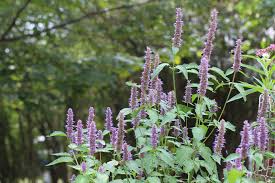
Agastache scrophulariifolia, commonly known as purple giant hyssop, is a herbaceous perennial plant native to eastern North America. It belongs to the Lamiaceae family and is prized for its tall stature, showy flowers, and value to pollinators.
Purple giant hyssop typically grows to heights of 60 to 150 centimeters, with upright stems and lance-shaped leaves that are aromatic when crushed. The leaves are green and slightly toothed along the margins, adding texture to the plant’s overall appearance.
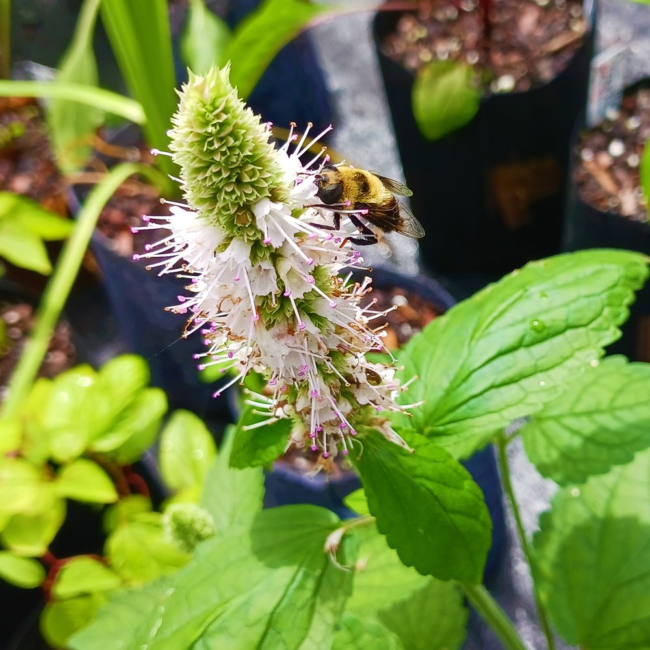
In the summer, Agastache scrophulariifolia produces dense spikes of tubular flowers in shades of purple, violet, or lavender. The flowers are highly attractive to bees, butterflies, and other pollinators, making purple giant hyssop a valuable addition to pollinator gardens and wildlife habitats.
Purple giant hyssop is well adapted to a variety of growing conditions and thrives in full sun to partial shade. It prefers moist, well-drained soil and is tolerant of drought once established. It is commonly found in meadows, prairies, and open woodlands, where it adds color and fragrance to the landscape.
In addition to its ornamental value and ecological importance, purple giant hyssop has historical uses in traditional medicine. Indigenous peoples of North America reportedly used various parts of the plant to treat respiratory ailments, digestive issues, and fevers. While modern herbalists generally avoid using purple giant hyssop for medicinal purposes due to limited scientific research, it remains a fascinating and valuable plant with a rich cultural history.
Overall, Agastache scrophulariifolia is a versatile and attractive plant that adds beauty, fragrance, and ecological value to gardens and natural landscapes. Whether grown for its ornamental flowers, aromatic foliage, or value to pollinators, purple giant hyssop is a valuable addition to any garden or landscape setting.
The Botanical Description of Agastache scrophulariifolia
1. Leaves: Agastache scrophulariifolia, commonly known as the purple giant hyssop, features lanceolate leaves with serrated margins, arranged oppositely along the stem. The leaves emit a minty fragrance when crushed.
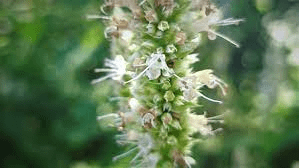
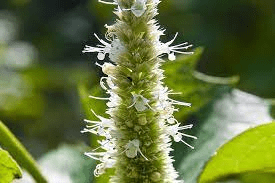
2. Flowers: The flowers of Agastache scrophulariifolia form dense spikes at the top of the stems, showcasing tubular blooms in shades of purple, pink, or lavender. These flowers attract pollinators like bees and butterflies.
3. Height: This perennial herbaceous plant can reach heights ranging from 2 to 4 feet (60 to 120 centimeters) at maturity, depending on growing conditions and cultivar.
4. Stem: The stems of Agastache scrophulariifolia are sturdy and erect, often branching towards the top, and may exhibit a reddish hue in certain varieties.
5. Roots: It develops a fibrous root system that helps anchor the plant in the soil and absorb water and nutrients, contributing to its overall health and vigor.
6. Foliage: The foliage of Agastache scrophulariifolia is typically green to gray-green in color, with a slightly hairy texture, adding to its ornamental appeal in garden settings.
7. Growth Habit: This species tends to form clumps as it grows, creating a bushy and upright habit that fills out garden beds and borders nicely.
8. Bloom Time: Agastache scrophulariifolia blooms from mid to late summer, extending into early fall, providing valuable nectar sources for pollinators during the growing season.
9. Seed Pods: After flowering, Agastache scrophulariifolia produces small seed pods containing numerous tiny seeds, facilitating its propagation through self-seeding under favorable conditions.
10. Adaptability: Agastache scrophulariifolia is adaptable to various soil types and environmental conditions, thriving in full sun to partial shade and well-drained soils, making it suitable for a wide range of garden settings.
The Geographic Distribution of Agastache scrophulariifolia
1. Eastern United States: Agastache scrophulariifolia is native to the eastern United States, particularly prevalent in regions such as the Appalachian Mountains, the Midwest, and parts of the Southeast.
2. Woodlands and Meadows: It is commonly found in woodlands, meadows, prairies, and disturbed areas, where it thrives in open, sunny locations with adequate moisture and good drainage.
3. Habitat Preference: Agastache scrophulariifolia prefers habitats with rich, loamy soils and moderate moisture levels, although it can tolerate periods of drought once established.
4. Distribution Range: While primarily distributed in the eastern U.S., Agastache scrophulariifolia has been documented in scattered locations in neighboring regions, extending its geographic range beyond its native habitat.
5. Ecological Role: Within its native range, Agastache scrophulariifolia plays a vital ecological role as a nectar source for pollinators, supporting native bee populations and contributing to ecosystem diversity.
6. Cultivation: Due to its ornamental value and pollinator-attracting qualities, Agastache scrophulariifolia is cultivated in gardens, parks, and landscapes beyond its native range, enhancing floral displays and supporting wildlife.
7. Conservation Status: While not considered threatened or endangered, conservation efforts may focus on preserving natural habitats where Agastache scrophulariifolia occurs to maintain biodiversity and ecosystem resilience.
8. Range Expansion: With suitable growing conditions and human-mediated factors such as landscaping and gardening practices, Agastache scrophulariifolia may expand its range into new areas, colonizing disturbed habitats and urban landscapes.
9. Climate Resilience: The ability of Agastache scrophulariifolia to adapt to diverse climatic conditions underscores its resilience to environmental fluctuations and its potential for cultivation in various regions.
10. Research and Documentation: Ongoing research and documentation of Agastache scrophulariifolia’s geographic distribution provide valuable insights into its ecological requirements and conservation needs, guiding habitat restoration and management efforts.
11. Native Plant Restoration: Incorporating native plants like Agastache scrophulariifolia into restoration projects can enhance biodiversity and ecosystem functioning, promoting the conservation of indigenous flora and fauna.
12. Horticultural Applications: Beyond its ecological significance, Agastache scrophulariifolia’s geographic distribution informs its horticultural potential, guiding landscape designers and gardeners in selecting suitable species for their projects.
The Chemical Composition of Agastache scrophulariifolia
1. Essential Oils: Agastache scrophulariifolia contains essential oils rich in compounds such as estragole, linalool, and beta-caryophyllene, contributing to its aromatic properties and potential therapeutic effects.
2. Terpenoids: Terpenoids present in Agastache scrophulariifolia include geraniol, thymol, and carvacrol, which exhibit antimicrobial, anti-inflammatory, and antioxidant properties, supporting its medicinal applications.
3. Flavonoids: Flavonoids, including apigenin and luteolin, are abundant in Agastache scrophulariifolia, demonstrating antioxidant and anti-inflammatory activities that may contribute to its health benefits.
4. Phenolic Compounds: Phenolic compounds such as rosmarinic acid and caffeic acid are found in Agastache scrophulariifolia, conferring antioxidant, anti-inflammatory, and neuroprotective properties to the plant.
5. Alkaloids: Although present in smaller quantities, alkaloids like pyrrolizidine alkaloids have been identified in Agastache scrophulariifolia, warranting further investigation into their potential effects on human health.
6. Monoterpenes: Monoterpenes such as alpha-pinene and limonene are constituents of Agastache scrophulariifolia, contributing to its aroma and potentially exerting therapeutic effects through their pharmacological activities.
7. Polyphenols: Agastache scrophulariifolia contains polyphenolic compounds, including flavonols and phenolic acids, which have been associated with various health benefits, such as cardiovascular protection and immune modulation.
8. Volatile Organic Compounds: Volatile organic compounds released by Agastache scrophulariifolia contribute to its fragrance and may possess therapeutic properties, such as antimicrobial and mood-enhancing effects.
9. Carotenoids: Carotenoids present in Agastache scrophulariifolia contribute to its coloration and may offer antioxidant protection against oxidative stress and age-related diseases when consumed as part of the diet.
10. Saponins: Saponins, although present in smaller amounts, have been identified in Agastache scrophulariifolia, with potential implications for its biological activities and medicinal uses.
11. Triterpenoids: Triterpenoids, including oleanolic acid and ursolic acid, have been reported in Agastache scrophulariifolia, exhibiting anti-inflammatory and hepatop
rotective properties in preclinical studies.
12. Aromatic Compounds: Various aromatic compounds contribute to the characteristic scent of Agastache scrophulariifolia, attracting pollinators and potentially exerting therapeutic effects on humans through aromatherapy and herbal medicine.
13. Glycosides: Glycosides, such as verbascoside and echinacoside, are constituents of Agastache scrophulariifolia, with demonstrated antioxidant, anti-inflammatory, and immunomodulatory activities in experimental models.
Read Also: List of Diseases Ruminant Animals (Livestock) Get from Feeds and Water
The Medicinal Health Benefits Of Agastache scrophulariifolia (Purple Giant Hyssop)
1. Respiratory Support: Agastache scrophulariifolia has been traditionally used to support respiratory health, with its expectorant and bronchodilator properties helping to alleviate symptoms of coughs, colds, and respiratory congestion.
2. Digestive Aid: The carminative properties of Agastache scrophulariifolia may aid in digestion and relieve gastrointestinal discomfort, including bloating, gas, and indigestion.
3. Anti-inflammatory Effects: Compounds found in Agastache scrophulariifolia possess anti-inflammatory properties, which may help reduce inflammation associated with conditions such as arthritis, rheumatism, and inflammatory bowel disease.
4. Antimicrobial Activity: The essential oils and phytochemicals present in Agastache scrophulariifolia exhibit antimicrobial effects, inhibiting the growth of pathogenic microorganisms and supporting immune function.
5. Stress Reduction: Agastache scrophulariifolia contains constituents with adaptogenic properties, aiding in stress management by modulating the body’s response to stressors and promoting relaxation.
6. Antioxidant Protection: Flavonoids and phenolic compounds in Agastache scrophulariifolia act as antioxidants, scavenging free radicals and reducing oxidative stress, which contributes to cellular damage and aging.
7. Cardiovascular Support: Consumption of Agastache scrophulariifolia may promote cardiovascular health by lowering blood pressure, reducing cholesterol levels, and improving circulation, thereby reducing the risk of heart disease.
8. Cognitive Enhancement: Some compounds found in Agastache scrophulariifolia exhibit neuroprotective properties, potentially enhancing cognitive function, memory retention, and overall brain health.
9. Analgesic Effects: Agastache scrophulariifolia may possess analgesic properties, providing relief from pain and discomfort associated with headaches, menstrual cramps, and musculoskeletal conditions.
10. Immune Modulation: By modulating immune function, Agastache scrophulariifolia may help regulate the body’s immune response, enhancing resistance to infections and promoting overall immune health.
11. Hormonal Balance: Certain compounds in Agastache scrophulariifolia may have hormonal-balancing effects, which can be beneficial for individuals experiencing hormonal imbalances or menstrual irregularities.
12. Anticancer Potential: Preliminary studies suggest that Agastache scrophulariifolia’s bioactive compounds may possess anticancer properties, inhibiting the growth and proliferation of cancer cells in preclinical models.
13. Antidiabetic Effects: Some research indicates that Agastache scrophulariifolia may have antidiabetic effects, helping to regulate blood sugar levels and improve insulin sensitivity in individuals with diabetes or insulin resistance.
14. Skin Health: The antioxidant and anti-inflammatory properties of Agastache scrophulariifolia may benefit skin health, reducing oxidative stress, inflammation, and signs of aging when applied topically or consumed orally.
15. Antispasmodic Actions: Agastache scrophulariifolia’s antispasmodic properties may help alleviate muscle spasms, cramps, and tension, promoting relaxation and relieving discomfort associated with muscular conditions.
16. Wound Healing: Topical application of Agastache scrophulariifolia extracts or essential oils may accelerate wound healing, with their antimicrobial and anti-inflammatory effects aiding in tissue repair and regeneration.
17. Respiratory Support: Agastache scrophulariifolia has been traditionally used to support respiratory health, with its expectorant and bronchodilator properties helping to alleviate symptoms of coughs, colds, and respiratory congestion.
The Methods of Usage to Achieve the Provided Health Benefits Of Agastache scrophulariifolia (Purple Giant Hyssop)
1. Herbal Tea: Prepare a soothing herbal tea using dried Agastache scrophulariifolia leaves, steeping them in hot water for several minutes to extract their beneficial compounds before straining and consuming.
2. Tincture: Tinctures made from Agastache scrophulariifolia extracts can be diluted in water or juice and taken orally, providing a concentrated dose of its medicinal properties for targeted health benefits.
3. Steam Inhalation: Inhaling steam infused with Agastache scrophulariifolia essential oil or dried leaves can help alleviate respiratory congestion, sinusitis, and other respiratory symptoms, promoting clearer breathing.
4. Culinary Use: Incorporate fresh or dried Agastache scrophulariifolia leaves into culinary recipes such as salads, soups, sauces, and herbal infusions to impart flavor and potential health benefits to dishes.
5. Aromatherapy: Diffuse Agastache scrophulariifolia essential oil in a diffuser or vaporizer to create a calming and uplifting atmosphere, promoting relaxation, stress relief, and mental clarity.
6. Herbal Poultice: Prepare a herbal poultice using crushed Agastache scrophulariifolia leaves or extracts, applying it topically to wounds, bruises, or inflamed areas to facilitate healing and reduce pain and inflammation.
7. Capsules or Tablets: Agastache scrophulariifolia supplements in capsule or tablet form are available for convenient oral consumption, providing standardized doses of its medicinal constituents for consistent health benefits.
8. Mouthwash or Gargle: Prepare a homemade mouthwash or gargle using Agastache scrophulariifolia-infused water or tincture to promote oral hygiene, soothe sore throats, and reduce oral inflammation and infections.
9. Herbal Bath: Add dried Agastache scrophulariifolia leaves or essential oil to a warm bath to create a relaxing and aromatic herbal bath experience, promoting stress relief, muscle relaxation, and skin nourishment.
10. Herbal Compress: Soak a cloth or towel in a solution of Agastache scrophulariifolia-infused water or decoction, applying it to inflamed joints, muscles, or injuries as a compress to reduce pain and swelling.
11. Massage Oil: Dilute Agastache scrophulariifolia essential oil in a carrier oil such as coconut or jojoba oil to create a massage oil blend, using it to massage sore muscles, joints, or tension points for relaxation and pain relief.
12. Inhalation Therapy: Inhale the aroma of Agastache scrophulariifolia essential oil directly from the bottle or by adding a few drops to a tissue or cotton ball, benefiting from its calming and respiratory-supportive properties.
The Side Effects Of Using Agastache scrophulariifolia Medicinal Plant
1. Allergic Reactions: Some individuals may experience allergic reactions to Agastache scrophulariifolia, particularly if sensitive to plants in the Lamiaceae family, resulting in symptoms such as skin irritation, respiratory distress, or digestive upset.
2. Drug Interactions: Agastache scrophulariifolia may interact with certain medications, such as anticoagulants, antihypertensives,
or sedatives, potentially enhancing or inhibiting their effects, so consult with a healthcare professional before use.
3. Gastrointestinal Upset: Excessive consumption of Agastache scrophulariifolia or its extracts may cause gastrointestinal discomfort, including nausea, vomiting, diarrhea, or abdominal cramps, especially in sensitive individuals.
4. Photosensitivity: Some individuals may experience photosensitivity or skin reactions when exposed to sunlight after topical application of Agastache scrophulariifolia essential oil or preparations, necessitating sun protection measures.
5. Pregnancy and Lactation: Pregnant or breastfeeding women should exercise caution when using Agastache scrophulariifolia, as its safety during pregnancy and lactation has not been adequately studied, and potential risks may exist.
6. Central Nervous System Effects: In rare cases, high doses of Agastache scrophulariifolia or its constituents may cause central nervous system effects such as dizziness, drowsiness, or confusion, particularly in susceptible individuals.
7. Hypotension: Agastache scrophulariifolia may lower blood pressure, so individuals with hypotension or taking antihypertensive medications should monitor their blood pressure closely and consult a healthcare provider before use.
8. Liver Toxicity: Prolonged or excessive use of Agastache scrophulariifolia may potentially cause liver toxicity or hepatotoxicity, particularly with high doses or prolonged exposure, necessitating caution and monitoring.
9. Hormonal Effects: Some compounds in Agastache scrophulariifolia may have hormonal effects or interact with hormone-regulating medications, so individuals with hormone-sensitive conditions should use it cautiously and under medical supervision.
10. Respiratory Effects: Inhalation of Agastache scrophulariifolia essential oil or vapors in high concentrations may irritate the respiratory tract or trigger asthma symptoms in susceptible individuals, so dilute properly and use with caution.
11. Blood Sugar Regulation: Agastache scrophulariifolia may affect blood sugar levels, so individuals with diabetes or hypoglycemia should monitor their blood sugar closely when using it, adjusting medication doses as needed.
12. Sensitization: Prolonged or repeated exposure to Agastache scrophulariifolia or its constituents may lead to sensitization or allergic sensitization, causing heightened immune responses upon subsequent exposure, so use with care.
13. Eyes Irritation: Agastache scrophulariifolia may cause eye irritation if it comes into contact with the eyes, leading to redness, itching, or discomfort, so avoid direct contact and wash eyes thoroughly if accidental exposure occurs.
14. Throat Irritation: Some individuals may experience throat irritation or discomfort after ingesting Agastache scrophulariifolia preparations, particularly if sensitive to herbal ingredients or prone to throat irritation, so discontinue use if symptoms occur.
15. Headaches: In rare cases, Agastache scrophulariifolia may trigger headaches or migraines in susceptible individuals, possibly due to its aromatic compounds or effects on blood flow and vascular function, so use cautiously if prone to headaches.
16. Nausea and Vomiting: Excessive consumption of Agastache scrophulariifolia or its extracts may lead to nausea and vomiting, particularly if taken on an empty stomach or in large doses, so moderate intake and monitor for adverse effects.
17. Diarrhea: Agastache scrophulariifolia may cause diarrhea or loose stools in some individuals, especially if consumed in excessive amounts or by those with sensitive digestive systems, so use in moderation and stay hydrated.
Read Also: List of Diseases Ruminant Animals (Livestock) Get from Feeds and Water
The Scientific Research and Studies of Agastache scrophulariifolia
1. Antimicrobial Activity: Research indicates that Agastache scrophulariifolia extracts exhibit broad-spectrum antimicrobial activity against various pathogens, including bacteria, fungi, and viruses, supporting its traditional use in treating infections.
2. Anti-inflammatory Effects: Studies have demonstrated the anti-inflammatory properties of Agastache scrophulariifolia, attributed to its ability to inhibit pro-inflammatory cytokines and enzymes, suggesting its potential for managing inflammatory conditions.
3. Antioxidant Capacity: Agastache scrophulariifolia extracts possess significant antioxidant capacity, as evidenced by their ability to scavenge free radicals and reduce oxidative stress markers in vitro and in animal models.
4. Gastroprotective Effects: Preclinical studies suggest that Agastache scrophulariifolia may have gastroprotective effects, protecting against gastric ulcers and promoting gastric mucosal integrity through its anti-inflammatory and antioxidant actions.
5. Analgesic Properties: Animal studies have shown that Agastache scrophulariifolia extracts exert analgesic effects, reducing pain perception and improving pain tolerance in experimental models of acute and chronic pain.
6. Neuroprotective Potential: Preliminary research suggests that Agastache scrophulariifolia may have neuroprotective properties, offering protection against neurodegenerative diseases and cognitive decline through its antioxidant and anti-inflammatory mechanisms.
The Safety Precautions and Recommendations In Using Agastache scrophulariifolia Medicinal Plant
1. Consultation: Before using Agastache scrophulariifolia for medicinal purposes, consult with a qualified healthcare professional, especially if pregnant, breastfeeding, or taking medications, to determine safety and dosage recommendations.
2. Dosage: Follow recommended dosage guidelines provided by healthcare practitioners or product labels when using Agastache scrophulariifolia preparations to avoid adverse effects or toxicity.
3. Quality Control: Choose reputable sources for Agastache scrophulariifolia products to ensure quality, purity, and potency, as herbal supplements are not regulated as rigorously as pharmaceutical drugs.
4. Allergy Testing: Perform a patch test or allergy test before using Agastache scrophulariifolia topically or internally, especially if prone to allergies or sensitivities, to assess tolerance and minimize the risk of adverse reactions.
5. Monitoring: Monitor for any adverse reactions or side effects when using Agastache scrophulariifolia, such as gastrointestinal upset, allergic reactions, or interactions with medications, and discontinue use if symptoms occur.
6. Pregnancy and Lactation: Pregnant or breastfeeding women should avoid using Agastache scrophulariifolia unless under the guidance of a healthcare provider, as its safety during pregnancy and lactation has not been established.
7. Children and Elderly: Use caution when administering Agastache scrophulariifolia to children or elderly individuals, adjusting dosage based on age, weight, and health status, and consulting with a healthcare professional as needed.
8. Drug Interactions: Be aware of potential drug interactions with Agastache scrophulariifolia, especially with medications metabolized by the liver or affecting blood pressure, and consult with a healthcare provider if taking concurrent medications.
9. Discontinue Use: Discontinue use of Agastache scrophulariifolia if experiencing any adverse effects or allergic reactions, and seek medical attention if symptoms persist or worsen.
10. Storage: Store Agastache scrophulariifolia products in a cool, dry place away from direct sunlight and moisture, and keep them out of
reach of children and pets to prevent accidental ingestion or misuse.
11. Pregnancy and Lactation: Pregnant or breastfeeding women should avoid using Agastache scrophulariifolia unless under the guidance of a healthcare provider, as its safety during pregnancy and lactation has not been established.
12. Children and Elderly: Use caution when administering Agastache scrophulariifolia to children or elderly individuals, adjusting dosage based on age, weight, and health status, and consulting with a healthcare professional as needed.
FAQs About Agastache scrophulariifolia Medicinal Plant
Q: Can Agastache scrophulariifolia be used during pregnancy?
A: Pregnant women should avoid using Agastache scrophulariifolia unless under the guidance of a healthcare provider, as its safety during pregnancy has not been established.
Q1: What are the potential drug interactions of Agastache scrophulariifolia?
A: Agastache scrophulariifolia may interact with certain medications, especially those metabolized by the liver or affecting blood pressure, so consult with a healthcare provider if taking concurrent medications.
Q2: Is Agastache scrophulariifolia safe for children?
A: Use caution when administering Agastache scrophulariifolia to children, adjusting dosage based on age, weight, and health status, and consulting with a healthcare professional as needed.
Q3: How should Agastache scrophulariifolia be stored?
A: Agastache scrophulariifolia products should be stored in a cool, dry place away from direct sunlight and moisture, and kept out of reach of children and pets to prevent accidental ingestion or misuse.
Q4: Can Agastache scrophulariifolia be used topically?
A: Yes, Agastache scrophulariifolia extracts or essential oils can be used topically for various purposes, such as wound healing, skin care, and aromatherapy, but it’s essential to dilute them properly and perform a patch test to avoid adverse reactions.
Q5: Is Agastache scrophulariifolia suitable for children?
A: While Agastache scrophulariifolia may be used for children under the guidance of a healthcare professional, dosage adjustments may be necessary based on age, weight, and health status to ensure safety and efficacy.
Do you have any questions, suggestions, or contributions? If so, please feel free to use the comment box below to share your thoughts. We also encourage you to kindly share this information with others who might benefit from it. Since we can’t reach everyone at once, we truly appreciate your help in spreading the word. Thank you very much for your support and for sharing!
Disclaimer: This article is for educational and informational purposes only. The health benefits described are based on scientific research and traditional knowledge. They ayre not a substitute for professional medical advice, diagnosis, or treatment. Always consult a healthcare professional before using any herb or natural remedy for medical purposes.
Read Also : How to Find Investors for House Flipping