


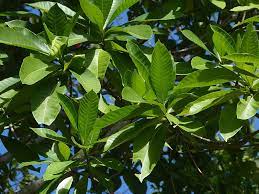
Alstonia constricta, commonly known as Hard Corkwood, is a tree species native to Australia. This evergreen tree belongs to the family Apocynaceae and is characterized by its distinctive features, ecological significance, and historical uses.
Hard Corkwood typically grows to a height of 15 to 30 meters, with a straight trunk and a dense crown of glossy, dark green leaves. The leaves are arranged in whorls, creating a distinctive pattern along the branches.
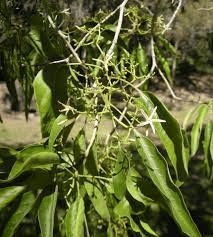
The tree produces small, tubular, cream-colored flowers that are fragrant and attract pollinators, leading to the development of elongated seed capsules.
One of the notable characteristics of Alstonia constricta is its hard and durable wood, which gives the species its common name, Hard Corkwood. The timber is valued for its strength and resistance to decay, making it suitable for various applications. Historically, Indigenous Australians used the wood for crafting tools, weapons, and implements.
Beyond its utilization by indigenous communities, Hard Corkwood plays a role in the ecological landscape. The tree provides habitat and food for native fauna, and its presence contributes to the overall biodiversity of Australian ecosystems. Additionally, the tree’s wood has been used in revegetation and land restoration projects.
While Alstonia constricta is native to Australia, it is important to note that certain species within the Alstonia genus, such as Alstonia scholaris, have been introduced in other parts of the world for ornamental purposes.
The introduced species, commonly known as Indian Devil Tree, is appreciated for its fragrant flowers and is sometimes cultivated in tropical and subtropical regions.
The Botanical Description of Alstonia constricta
1. Overview of Alstonia constricta: Alstonia constricta, commonly known as the “hard corkwood,” belongs to the Apocynaceae family. This evergreen tree is characterized by its tall stature, reaching heights of up to 30 meters. The botanical features of Alstonia constricta contribute to its significance in various ecosystems.
2. Leaves: The leaves of Alstonia constricta are simple, opposite, and lanceolate in shape. They typically measure 10 to 15 centimeters in length, with a glossy green appearance. The arrangement of leaves along the stem enhances the tree’s aesthetic appeal.
3. Bark: One of the distinctive features of Alstonia constricta is its cork-like bark. The bark is rough, hard, and deeply fissured, providing the tree with resilience against environmental stressors. This unique bark characteristic is a key identifier of the species.
4. Flowers: The tree produces small, fragrant flowers arranged in clusters. The flowers are typically white or cream in color, adding ornamental value to the tree. The bloom period sees the canopy adorned with these clusters, contributing to the overall visual appeal.
5. Fruits: Alstonia constricta bears slender, elongated fruits known as follicles. These fruits contain numerous seeds and exhibit a capsule-like appearance. The follicles release their seeds, contributing to the natural dispersal of the species.
6. Roots: The root system of Alstonia constricta is well-developed, providing stability to the tall tree. The roots play a crucial role in nutrient uptake and contribute to the tree’s ability to thrive in diverse soil conditions.
7. Growth Habit: Alstonia constricta typically displays a straight and upright growth habit. The tree’s canopy is dense, forming a broad and symmetrical crown. This growth habit enhances its suitability for various ecological roles.
8. Adaptations: Adaptations of Alstonia constricta include its tolerance to a range of soil types. The tree is often found in riparian zones, rainforests, and open woodlands. Its ability to withstand different environmental conditions contributes to its wide distribution.
9. Reproductive Mechanisms: Alstonia constricta reproduces through both seeds and vegetative propagation. The production of seeds in follicles and the ability to regrow from cuttings contribute to the species’ reproductive success.
10. Ecological Importance: The botanical characteristics of Alstonia constricta make it ecologically important. The tree provides habitat and sustenance for various wildlife species. Its cork-like bark and dense canopy contribute to its resilience in challenging ecosystems.
The Geographic Distribution of Alstonia constricta
1. Native Range: Alstonia constricta is native to Australia, specifically found in eastern parts of the country. Its distribution spans from New South Wales through Queensland. The species is well-adapted to the climatic conditions of this region.
2. Habitat Preferences: The geographic distribution of Alstonia constricta is closely tied to its habitat preferences. The tree thrives in a variety of environments, including wet sclerophyll forests, rainforests, and riverbanks. It displays adaptability to both well-drained and waterlogged soils.
3. Altitudinal Range: The altitudinal range of Alstonia constricta varies, with the species found at elevations ranging from sea level to higher altitudes. This adaptability contributes to its ability to colonize diverse landscapes.
4. Ecological Interactions: Alstonia constricta interacts with its environment in various ecological ways. The tree provides shelter and food resources for insects, birds, and mammals. Its presence contributes to the overall biodiversity of ecosystems it inhabits.
5. Cultivation Beyond Native Range: Due to its desirable characteristics, Alstonia constricta has been cultivated beyond its native range. It is sometimes planted as an ornamental tree in gardens and parks. Its adaptability makes it suitable for cultivation in different climates.
6. Threats to Distribution: While not currently listed as a threatened species, factors such as habitat destruction and land-use changes can impact the distribution of Alstonia constricta. Conservation efforts may be crucial to maintaining its natural range.
7. Invasive Potential: Alstonia constricta is not considered invasive in its native range. However, when introduced to new regions, the species may exhibit invasive potential, outcompeting native vegetation.
The Chemical Composition of Alstonia constricta
1. Alkaloids: Alstonia constricta is known to contain alkaloids, including ditaine and echitenine. These alkaloids contribute to the pharmacological properties of the tree, making it of interest in traditional medicine.
2. Triterpenoids: Triterpenoids are present in the bark of Alstonia constricta. These compounds contribute to the tree’s resistance to pests and pathogens. Triterpenoids have also shown potential pharmacological activities.
3. Flavonoids: Flavonoids, including quercetin and kaempferol derivatives, have been identified in the leaves of Alstonia constricta. These compounds exhibit antioxidant properties and may contribute to the plant’s resilience.
4. Essential Oils: The leaves of Alstonia constricta contain essential oils with a complex composition. These oils contribute to the fragrance of the tree and may have ecological roles in deterring herbivores.
5. Saponins: Saponins, known for their surfactant properties, have been identified in Alstonia constricta. These compounds may play a role in the plant’s defense mechanisms against pathogens.
6. Phenolic Compounds: Phenolic compounds, including various phenolic acids, are present in different parts of the tree. These compounds contribute to the antioxidant capacity of Alstonia constricta.
7. Medicinal Uses: The chemical composition of Alstonia constricta has led to its use in traditional medicine. Extracts from the bark and other plant parts are utilized for their potential antimalarial, anti-inflammatory, and antipyretic properties.
8. Phytochemical Variability: The chemical composition of Alstonia constricta may exhibit variability based on factors such as environmental conditions and genetic factors. Understanding this variability is crucial for maximizing the potential applications of the tree.
9. Pharmacological Investigations: Ongoing pharmacological investigations explore the bioactive compounds in Alstonia constricta for potential pharmaceutical applications. The tree’s alkaloids, triterpenoids, and other constituents are subjects of interest in drug discovery.
10. Sustainable Harvesting Practices: Considering the medicinal value of Alstonia constricta, sustainable harvesting practices are essential. Proper management and harvesting methods are crucial to ensure the conservation of the species and its chemical resources.
Read Also: The 5 Benefits of Okra Soaked in Water Overnight
The Medicinal Health Benefits Of Alstonia constricta (Hard Corkwood)

1. Respiratory Health Support: Alstonia constricta has been traditionally used to support respiratory health. The plant’s compounds may help alleviate symptoms associated with respiratory conditions, such as coughs and congestion.
2. Antipyretic Properties: The medicinal properties of Alstonia constricta extend to its potential antipyretic effects. It may assist in reducing fever and managing temperature-related symptoms.
3. Anti-Inflammatory Action: The plant exhibits anti-inflammatory properties, making it a potential remedy for conditions involving inflammation. This includes addressing inflammatory responses in various parts of the body.
4. Gastrointestinal Relief: Alstonia constricta is believed to offer relief for gastrointestinal issues. It may aid in soothing digestive discomfort and promoting overall gut health.
5. Analgesic Effects: Traditionally, the plant has been used for its analgesic effects, providing pain relief. This could be beneficial for individuals experiencing various types of pain.
6. Antimalarial Potential: Studies suggest that Alstonia constricta may possess antimalarial properties, contributing to its traditional use in regions where malaria is prevalent.
7. Stress Reduction: The plant’s properties may have a calming effect, potentially assisting in stress reduction. This makes it a versatile remedy for both physical and mental well-being.
8. Wound Healing Properties: Topical applications of Alstonia constricta may aid in wound healing. Creams or ointments containing the plant’s compounds could promote skin regeneration.
9. Antioxidant Activity: The presence of antioxidants in Alstonia constricta contributes to its potential to combat oxidative stress. Antioxidants play a crucial role in overall health.
10. Immune System Support: Traditional uses include the plant’s role in supporting the immune system. Regular consumption may contribute to overall immune health.
11. Anti-diarrheal Effects: Alstonia constricta has been traditionally employed for its potential anti-diarrheal effects. It may help in managing and reducing symptoms of diarrhea.
12. Anti-bacterial Properties: The plant’s compounds may exhibit antibacterial properties, offering protection against certain bacterial infections.
13. Anti-viral Potential: Research indicates that Alstonia constricta may have anti-viral properties, suggesting its potential role in combating viral infections.
14. Liver Health Support: Traditional uses also include support for liver health. The plant may have hepatoprotective effects, contributing to overall liver function.
15. Menstrual Health Benefits: For women’s health, Alstonia constricta has been used traditionally to address menstrual discomfort and promote overall reproductive well-being.
The Methods of Usage to Achieve the Provided Health Benefits Of Alstonia constricta (Hard Corkwood)
1. Decoctions and Infusions: Preparing decoctions or infusions from the bark or leaves of Alstonia constricta allows for the extraction of medicinal compounds. These can be consumed for various health benefits.
2. Herbal Teas: The leaves of Alstonia constricta can be used to make herbal teas, providing a convenient and pleasant way to incorporate the plant into a daily routine.
3. Topical Applications: Creams, ointments, or poultices containing Alstonia constricta extracts can be applied topically for skin-related benefits, including wound healing and addressing skin conditions.
4. Tinctures: Alcohol-based tinctures offer another method of extracting and preserving the medicinal properties of Alstonia constricta. These can be taken in small doses for health support.
5. Capsules or Tablets: For those seeking a more convenient option, encapsulated forms of Alstonia constricta may be available. This allows for precise dosing and ease of consumption.
6. Traditional Formulations: In some traditional medicine practices, Alstonia constricta is part of specific formulations that combine multiple herbs for synergistic health effects.
7. Steam Inhalation: Inhaling steam infused with Alstonia constricta extracts may provide respiratory benefits. This method is particularly useful for addressing congestion and respiratory discomfort.
8. Poultices for Wound Care: Applying poultices made from crushed Alstonia constricta leaves or bark directly to wounds can harness its wound healing properties.
9. Integrating into Culinary Dishes: In regions where the plant is traditionally used, incorporating it into culinary dishes provides a flavorful way to benefit from its health-promoting properties.
10. Consultation with Healthcare Professionals: Before incorporating Alstonia constricta into health routines, consulting with healthcare professionals is essential. They can provide personalized guidance based on individual health conditions.
The Side Effects Of Using Alstonia constricta Medicinal Plant
1. Allergic Reactions: Individuals with known allergies to plants in the Apocynaceae family, to which Alstonia constricta belongs, should exercise caution. Allergic reactions may include skin irritation or respiratory symptoms.
2. Potential Sedative Effects: Due to its traditional use for stress reduction, individuals using products known for their calming properties should avoid activities requiring alertness.
3. Caution for Children: The usage of Alstonia constricta for children should be approached with caution and under professional guidance. Dosage considerations and potential effects on developing systems should be taken into account.
4. Interactions with Medications: As with any herbal remedy, Alstonia constricta may interact with certain medications. Individuals taking prescription drugs should consult healthcare providers before incorporating it into their routine.
5. Gastrointestinal Effects: While traditionally used for gastrointestinal relief, excessive consumption may lead to gastrointestinal discomfort. Moderate and responsible usage is recommended.
6. Not a Substitute for Professional Medical Advice: It’s crucial to emphasize that Alstonia constricta should not be considered a substitute for professional medical advice, diagnosis, or treatment. Individuals with health concerns should seek guidance from healthcare professionals.
7. Potential Drowsiness: Individual responses to the plant may vary, and some individuals may experience drowsiness. Caution is advised, especially when trying Alstonia constricta for the first time.
8. Not Recommended During Pregnancy: Pregnant individuals should avoid the use of Alstonia constricta due to potential effects on reproductive health. Professional guidance is essential in such cases.
9. Consideration for Pre-existing Conditions: Individuals with pre-existing health conditions should exercise caution and consult healthcare professionals before incorporating Alstonia constricta into their health regimen.
10. Adherence to Recommended Dosages: Adhering to recommended dosages is crucial to minimize the risk of potential side effects. Excessive consumption may lead to adverse reactions.
Read Also: Worm Infestation on Ruminant Animals: Symptoms and Treatment
The Scientific Research and Studies of Alstonia constricta (Hard Corkwood)

1. Chemical Characterization: Researchers have conducted detailed analyses to identify and characterize the specific chemical compounds present in Alstonia constricta. These studies aim to uncover the bioactive components responsible for its medicinal properties.
2. Antimicrobial Properties: Scientific investigations have explored the plant’s antimicrobial effects, assessing its ability to inhibit the growth of bacteria and fungi. These findings contribute to understanding its traditional use for infectious conditions.
3. Anti-inflammatory Mechanisms: Studies have sought to elucidate the anti-inflammatory mechanisms of Alstonia constricta. This includes examining its impact on inflammatory pathways and identifying potential targets for therapeutic interventions.
4. Antioxidant Activity: Research has investigated the plant’s antioxidant activity, evaluating its capacity to neutralize harmful free radicals. Antioxidants play a crucial role in preventing oxidative stress and associated health issues.
5. Immunomodulatory Effects: Scientific inquiry into the immunomodulatory effects of Alstonia constricta has explored its influence on the immune system. Understanding how the plant interacts with immune responses contributes to its potential applications in immune-related conditions.
6. Analgesic and Antipyretic Actions: Studies have focused on the analgesic (pain-relieving) and antipyretic (fever-reducing) actions of Alstonia constricta. This research helps validate its traditional uses for alleviating pain and managing fever.
7. Anticancer Properties: Preliminary investigations into the plant’s potential anticancer properties have been conducted. These studies aim to identify compounds that may exhibit cytotoxic effects on cancer cells, paving the way for further research in this area.
8. Hepatoprotective Effects: Some studies have explored the hepatoprotective effects of Alstonia constricta, examining its impact on liver health. Understanding its role in protecting the liver from damage is crucial for evaluating its overall safety.
9. Cardiovascular Benefits: Research has touched upon the cardiovascular benefits of Alstonia constricta, including its potential to influence factors related to heart health. These findings contribute to a comprehensive understanding of its impact on cardiovascular function.
10. Neuroprotective Potential: Investigations into the neuroprotective potential of Alstonia constricta have explored its effects on the nervous system. This research may provide insights into its possible applications in conditions related to neurological health.
The Safety Precautions and Recommendations In Using Alstonia constricta (Hard Corkwood) Medicinal Plant
While Alstonia constricta offers various health benefits, it’s essential to exercise caution and adhere to safety precautions to ensure responsible usage.
1. Allergic Sensitivity: Individuals with known allergies to plants in the Apocynaceae family, including Alstonia constricta, should be cautious. Monitor for any signs of allergic reactions, such as skin irritation or respiratory symptoms.
2. Professional Guidance for Children: When considering medicinal use for children, seek professional guidance. Dosage considerations and potential effects on developing systems should be taken into account under the supervision of healthcare professionals.
3. Interaction with Medications: Consult with healthcare providers before using Alstonia constricta, especially if individuals are taking prescription medications. Potential interactions can impact the effectiveness of certain drugs.
4. Moderation in Consumption: While traditionally used for gastrointestinal relief, excessive consumption may lead to gastrointestinal discomfort. It’s crucial to practice moderation and adhere to recommended dosages.
5. Not a Substitute for Professional Advice: Emphasize that Alstonia constricta is not a substitute for professional medical advice, diagnosis, or treatment. Individuals with health concerns should seek guidance from healthcare professionals.
6. Pregnancy and Lactation: Pregnant or lactating individuals should avoid using Alstonia constricta due to potential effects on reproductive health. Professional guidance is essential to ensure the safety of both the mother and the developing fetus or breastfeeding infant.
7. Caution for Individuals with Pre-existing Conditions: Individuals with pre-existing health conditions, such as liver or kidney issues, should exercise caution and consult healthcare professionals before incorporating Alstonia constricta into their health regimen.
8. Adherence to Recommended Dosages: To minimize the risk of potential side effects, individuals should adhere to recommended dosages and avoid excessive consumption.
9. Monitoring for Sedative Effects: Due to the plant’s potential calming effects, individuals using products known for their sedative properties should be cautious and avoid activities requiring alertness.
10. Individual Variability: Recognize that individual responses to Alstonia constricta may vary. Some individuals may experience drowsiness or other effects, and it’s essential to monitor for any adverse reactions
FAQs About Alstonia constricta (Hard Corkwood) Medicinal Plant
Q1: Can Alstonia constricta be used for respiratory conditions?
Yes, Alstonia constricta has been traditionally used to support respiratory health. Its compounds may help alleviate symptoms such as coughs and congestion.
Q2: Is Alstonia constricta safe for children?
Usage for children should be approached with caution and under professional guidance. Dosage considerations and potential effects on developing systems should be taken into account.
Q3: Can Alstonia constricta be used during pregnancy?
Pregnant individuals should avoid the use of Alstonia constricta due to potential effects on reproductive health. Professional guidance is essential in such cases.
Q4: Are there potential interactions with medications?
Yes, individuals taking prescription medications should consult healthcare providers before incorporating Alstonia constricta into their routine to avoid potential interactions.
Q5: What are the traditional methods of using Alstonia constricta?
Traditional methods include preparing decoctions or infusions, making herbal teas, applying topical creams or poultices, and using tinctures or encapsulated forms for various health benefits.
Q6: Is there scientific research supporting the medicinal uses of Alstonia constricta?
Yes, scientific research has explored the plant’s chemical composition, antimicrobial properties, anti-inflammatory mechanisms, antioxidant activity, and potential benefits in areas such as pain relief, fever reduction, and immune modulation.
Q7: Can Alstonia constricta be used for wound healing?
Yes, the plant has wound healing properties, and poultices made from crushed leaves or bark can be applied topically for this purpose.
Q8: Is it necessary to consult healthcare professionals before using Alstonia constricta?
Yes, consulting healthcare professionals is essential before incorporating Alstonia constricta into health routines. They can provide personalized guidance based on individual health conditions.
Q9: How can Alstonia constricta be integrated into culinary dishes?
In regions where it is traditionally used, Alstonia constricta can be incorporated into culinary dishes to provide a flavorful way to benefit from its health-promoting properties.
Q10: Is Alstonia constricta a substitute for professional medical advice?
No, it is not a substitute for professional medical advice, diagnosis, or treatment. Individuals with health concerns should seek guidance from healthcare professionals.
Do you have any questions, suggestions, or contributions? If so, please feel free to use the comment box below to share your thoughts. We also encourage you to kindly share this information with others who might benefit from it. Since we can’t reach everyone at once, we truly appreciate your help in spreading the word. Thank you very much for your support and for sharing!
Disclaimer: This article is for educational and informational purposes only. The health benefits described are based on scientific research and traditional knowledge. They ayre not a substitute for professional medical advice, diagnosis, or treatment. Always consult a healthcare professional before using any herb or natural remedy for medical purposes.
Read Also: The Different Types of Fertilizers and How they Work