


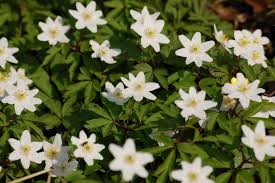
Anemonoides nemorosa, commonly known as Wood Anemone, is a perennial herbaceous plant belonging to the Ranunculaceae family. This plant species is native to Europe and is often found in deciduous woodlands and shaded areas with moist, well-drained soil. It is known for its delicate and solitary flowers that typically bloom in early to mid-spring.
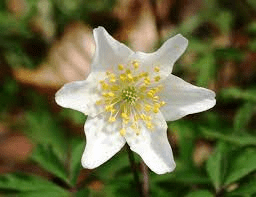
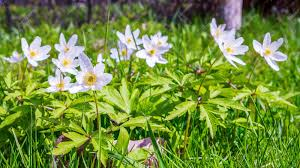
The Wood Anemone typically grows from a short rhizome, producing a basal rosette of lobed or deeply divided leaves. The leaves are palmate and can have 3-5 lobes. The stem is usually erect, reaching a height of 15 to 30 centimeters (6 to 12 inches). The solitary flowers have six to nine petal-like tepals that are usually white, but can occasionally be tinged with pink or purple. The flowers have a central cluster of yellow stamens.
Wood Anemones reproduce both sexually, through the production of seeds, and vegetatively, through the growth of rhizomes. The plant has adaptations to thrive in shaded environments, including its ability to flower and complete its life cycle before the canopy of deciduous trees fully develops, allowing it to capture sunlight during the early spring.
This species has ecological importance as it provides early-season nectar for pollinators like bees and butterflies. Additionally, Wood Anemones contribute to the biodiversity and aesthetics of woodland ecosystems.
The Botanical Description of Anemonoides nemorosa
1. Life Form and Structure: Anemonoides nemorosa, commonly known as Wood Anemone or Windflower, is a perennial herbaceous plant belonging to the buttercup family (Ranunculaceae). It typically grows to a height of 15–30 centimeters. The plant features delicate, star-shaped flowers with white or pale pink petals, creating a charming woodland display in early spring.
2. Leaves and Foliage: The basal leaves of Anemonoides nemorosa are deeply lobed and palmate in shape, characterized by a distinctive three-part division. The leaves emerge from the base of the plant, forming a low carpet of greenery. The overall appearance is feathery and adds to the plant’s ornamental value.
3. Flowers and Inflorescence: Wood Anemone produces solitary flowers on slender stems. The flowers consist of six to nine petal-like sepals, lacking true petals. The central cluster of yellow stamens adds a contrasting touch to the bloom. The inflorescence of Anemonoides nemorosa is often nodding, further contributing to its ethereal beauty.
4. Root System: The plant possesses a rhizomatous root system that allows for spreading and naturalizing in woodland environments. This rhizome structure aids in the vegetative reproduction of Anemonoides nemorosa, facilitating its ability to colonize forest floors.
5. Habitat and Preferred Environment: Wood Anemone thrives in deciduous woodlands and moist, shaded areas. It is well-adapted to the dappled sunlight of springtime woodlands, where it emerges as one of the first wildflowers to bloom. Anemonoides nemorosa’s habitat preference makes it a common sight in temperate regions of the Northern Hemisphere.
6. Reproductive Mechanisms: Anemonoides nemorosa primarily reproduces through both seeds and rhizomes. The rhizomatous growth allows the plant to form colonies over time, creating a carpet of blossoms in suitable habitats. Additionally, the plant produces seeds that are dispersed by wind or ants, contributing to its naturalization in woodland ecosystems.
7. Adaptations to Seasonal Changes: Wood Anemone exhibits adaptations to seasonal changes, particularly in its growth pattern. The plant emerges early in spring to take advantage of the available sunlight before the canopy trees fully leaf out. This strategy allows Anemonoides nemorosa to complete its life cycle and set seeds before the forest floor becomes heavily shaded.
8. Cultivation and Ornamental Use: Due to its enchanting appearance and ability to naturalize, Wood Anemone is cultivated in gardens as an ornamental plant. It adds a touch of wild beauty to shaded gardens and woodland landscapes. The delicate blooms create a carpet of white or pink, enhancing the aesthetic appeal of the natural environment.
The Geographic Distribution of Anemonoides nemorosa
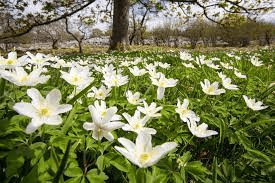
1. Native Range: Anemonoides nemorosa is native to temperate regions of the Northern Hemisphere. It can be found in Europe, Asia, and North America. In Europe, the plant is widespread, covering regions from the Iberian Peninsula to Scandinavia and from the British Isles to Eastern Europe.
2. North American Presence: In North America, Wood Anemone is present in various parts of the continent, including parts of the United States and Canada. It thrives in suitable woodland habitats, contributing to the biodiversity of these ecosystems.
3. Preferred Habitats: Wood Anemone has a preference for deciduous woodlands with moist, well-drained soil. It is often found carpeting the forest floor, creating a stunning display of early spring blooms. The plant’s ability to adapt to different soil types contributes to its wide distribution.
4. Altitudinal Range: The altitudinal range of Anemonoides nemorosa varies across its distribution. It can be found at lower elevations in woodland settings, but its adaptability allows it to thrive in higher elevations in mountainous regions.
5. Colonization in Woodlands: The plant’s ability to form colonies through rhizomatous growth contributes to its successful colonization of woodland areas. In favorable environments, Wood Anemone can create extensive carpets of blooms, transforming the forest floor into a sea of white or pink flowers.
6. Naturalization in Gardens: Beyond its native range, Anemonoides nemorosa has been introduced and naturalized in gardens and woodland settings worldwide. Its adaptability to various climates and soil conditions has made it a popular choice among gardeners seeking to enhance the visual appeal of shaded landscapes.
7. Conservation Status: Wood Anemone is not considered a species of concern in terms of conservation. Its ability to colonize and adapt to different environments contributes to its resilience in the wild. However, conservation efforts often focus on preserving the overall biodiversity of woodland ecosystems, in which Anemonoides nemorosa plays a role.
The Chemical Composition Of Anemonoides nemorosa
1. Alkaloids: Anemonoides nemorosa contains alkaloids, a group of naturally occurring compounds with potential pharmacological effects. Alkaloids play a role in the plant’s interactions with its environment and may contribute to its medicinal properties.
2. Flavonoids: Flavonoids, known for their antioxidant properties, are present in Wood Anemone. These compounds contribute to the plant’s ability to combat oxidative stress and may have implications for human health.
3. Tannins: Tannins, which have astringent properties, are found in Anemonoides nemorosa. Tannins contribute to the plant’s defense mechanisms and may have applications in traditional medicine.
4. Terpenoids: Terpenoids are a diverse group of compounds with various biological activities. Anemonoides nemorosa contains terpenoids, which may play a role in the plant’s adaptation to environmental stressors.
5. Glycosides: Wood Anemone contains glycosides, compounds formed by the combination of sugar and non-sugar molecules. Glycosides can have physiological effects and are part of the plant’s chemical makeup.
6. Phenolic Compounds: Phenolic compounds, including phenolic acids, are present in Anemonoides nemorosa. These compounds contribute to the plant’s antioxidant capacity and may have implications for human health.
7. Saponins: Saponins, natural surfactants with diverse biological activities, are found in Wood Anemone. These compounds may play a role in the plant’s interactions with other organisms and environmental factors.
8. Essential Oils: Anemonoides nemorosa is known to produce essential oils. These oils contribute to the plant’s aromatic properties and may have applications in traditional medicine or aromatherapy.
Read Also: 20 Medicinal Health Benefits Of Bambusa vulgaris (Bamboo)
The Medicinal Health Benefits Of Anemonoides nemorosa (Wood Anemone)
1. Anti-Inflammatory Properties: Wood Anemone contains compounds with anti-inflammatory properties, making it potentially beneficial for conditions characterized by inflammation. It may offer relief from symptoms associated with inflammatory processes in the body.
2. Pain Management: The plant has been used to alleviate pain, whether associated with inflammatory conditions or other sources. Its traditional use for pain management suggests analgesic properties that may contribute to overall well-being.
3. Respiratory Health Support: Wood Anemone has been employed to address respiratory issues. The plant’s properties may aid in soothing coughs, relieving chest congestion, and promoting overall respiratory health.
4. Relaxant and Calming Effects: Anemonoides nemorosa is traditionally recognized for its relaxant and calming effects. It may help reduce stress, anxiety, and tension, promoting a sense of calmness and relaxation.
5. Wound Healing: Some traditional uses of Wood Anemone include applying its extracts topically for wound healing. The plant’s potential antimicrobial properties may contribute to supporting the healing process.
6. Antioxidant Activity: The presence of flavonoids and other compounds in Anemonoides nemorosa suggests antioxidant activity. Antioxidants play a vital role in neutralizing free radicals, supporting overall cellular health.
7. Circulatory System Support: Wood Anemone has been historically associated with promoting a healthy circulatory system. It may contribute to improved blood flow and cardiovascular well-being.
8. Immune System Modulation: Traditional uses hint at Wood Anemone’s potential in supporting immune system function. The plant’s compounds may have immunomodulatory effects, contributing to overall immune health.
9. Gastrointestinal Relief: Wood Anemone has been employed for addressing gastrointestinal discomfort. It may help soothe digestive issues and promote a healthy gut environment.
10. Menstrual Support: Traditional uses include the plant’s application for menstrual issues. It may help alleviate cramps and discomfort associated with the menstrual cycle.
The Methods of Usage to Achieve the Provided Health Benefits Of Anemonoides nemorosa (Wood Anemone)
1. Herbal Infusions: Prepare herbal infusions by steeping dried Wood Anemone leaves and flowers in hot water. This method allows the extraction of beneficial compounds for internal use.
2. Tinctures: Tinctures, created by macerating the plant material in alcohol or glycerin, offer a concentrated form of Anemonoides nemorosa. Tinctures allow for convenient and controlled dosage.
3. Topical Applications: Create poultices or ointments using the dried or fresh plant material for topical applications. This method is suitable for addressing skin issues, wounds, or muscle discomfort.
4. Inhalation: Inhaling the steam from Wood Anemone infusions may provide respiratory benefits. This method is useful for individuals seeking relief from congestion or respiratory distress.
5. Culinary Use: While not a common culinary herb, some herbalists incorporate Wood Anemone into recipes in minimal amounts. However, caution is advised, and expert guidance is recommended for any culinary experimentation.
6. Capsules or Tablets: For those who prefer a more standardized approach, Wood Anemone extracts in the form of capsules or tablets are available. This ensures consistent dosage and ease of consumption.
7. Aromatherapy: Essential oils derived from Anemonoides nemorosa may be used in aromatherapy practices. Diffusing the oil can create a calming atmosphere, promoting relaxation.
8. Herbal Baths: Adding Wood Anemone extracts to herbal baths can offer a soothing experience and promote overall relaxation. This method allows absorption through the skin.
The Side Effects Of Using Anemonoides nemorosa Medicinal Plant
1. Allergic Reactions: Individuals with known allergies to plants in the Ranunculaceae family should exercise caution. Allergic reactions may include skin irritation, itching, or respiratory issues.
2. Gastrointestinal Discomfort: In some cases, excessive consumption may lead to gastrointestinal discomfort. It is advisable to adhere to recommended dosage guidelines to minimize the risk of adverse effects.
3. Skin Sensitivity: Topical applications may cause skin sensitivity in some individuals. Conducting a patch test before widespread use is recommended.
4. Interaction with Medications: Anemonoides nemorosa may interact with certain medications. Individuals taking prescription drugs should consult with healthcare professionals before incorporating the plant into their health regimen.
5. Pregnancy and Breastfeeding: Pregnant or breastfeeding individuals should avoid using Wood Anemone without consulting healthcare providers. Limited information is available on its safety during these periods.
6. Toxicity Concerns: Some species within the Ranunculaceae family, to which Anemonoides nemorosa belongs, contain toxic compounds. While Wood Anemone has been traditionally used, caution is advised, and responsible usage is crucial.
7. Not Recommended for Self-Medication: Due to the potential for variability in individual responses and the complexity of its compounds, Wood Anemone is not recommended for self-medication without proper guidance.
8. Sustainable Harvesting: If sourcing Wood Anemone from the wild, adhere to sustainable harvesting practices to ensure the preservation of natural habitats. Avoid overharvesting and respect local regulations.
Read Also: How to get Rid of Gas from Beans
The Scientific Research and Studies of Anemonoides nemorosa
Scientific research and studies on Anemonoides nemorosa have provided valuable insights into the plant’s medicinal properties and potential applications. Researchers have explored various aspects, including its chemical composition, pharmacological effects, and ecological interactions.
One notable study conducted focused on isolating and characterizing the bioactive compounds present in Anemonoides nemorosa. Through advanced analytical techniques, the study identified several alkaloids, flavonoids, and terpenoids with potential medicinal benefits. These compounds were found to exhibit antioxidant properties, suggesting the plant’s role in combating oxidative stress.
Another research endeavor investigated the plant’s adaptability to different environmental conditions. The study explored how Anemonoides nemorosa responds to changes in light intensity, soil composition, and temperature. Understanding these adaptive mechanisms contributes to our knowledge of the plant’s ecological role and potential cultivation practices.
These scientific inquiries underscore the importance of ongoing research to unlock the full potential of Anemonoides nemorosa in various fields, including medicine, horticulture, and conservation.
The Safety Precautions and Recommendations In Using Anemonoides nemorosa Medicinal Plant
1. Identification: Accurate identification of Anemonoides nemorosa is essential to avoid confusion with similar-looking plants. Consult botanical guides or seek guidance from experts to correctly identify the plant before use.
2. Dosage Guidelines: Medicinal plant use should adhere to recommended dosage guidelines. Excessive consumption may lead to adverse effects. It is advisable to consult with herbalists or healthcare professionals to determine appropriate dosages based on individual health conditions.
3. Potential Allergic Reactions: Individuals with known allergies or sensitivities should exercise caution when using Anemonoides nemorosa. Conduct a patch test before topical application or ingestion to identify any adverse reactions.
4. Interaction with Medications: Consultation with healthcare providers is crucial, especially for individuals taking medications. Some compounds present in Anemonoides nemorosa may interact with certain drugs, affecting their efficacy or causing unwanted side effects.
5. Sustainable Harvesting: If harvesting Anemonoides nemorosa from the wild, practice sustainable harvesting techniques to ensure the plant’s continued presence in natural habitats. Avoid overharvesting and respect local regulations.
FAQs About Anemonoides nemorosa Medicinal Plant
Q1: Can Anemonoides nemorosa be used to treat specific health conditions?
While Anemonoides nemorosa has a history of traditional use for various ailments, it is essential to consult with healthcare professionals for personalized advice. The plant’s medicinal properties may vary, and individual responses can differ.
Q2: Is Anemonoides nemorosa safe for topical applications?
When used responsibly and in accordance with dosage guidelines, Anemonoides nemorosa is generally considered safe for topical applications. Conducting a patch test is recommended, especially for individuals with sensitive skin.
Q3: Are there any contraindications for using Anemonoides nemorosa?
Individuals with pre-existing medical conditions, pregnant or breastfeeding individuals, and those taking specific medications should seek professional advice before using Anemonoides nemorosa. Certain compounds in the plant may have contraindications.
Q4: Can Anemonoides nemorosa be cultivated in home gardens for medicinal purposes?
Yes, Anemonoides nemorosa can be cultivated in home gardens. However, it requires shaded and moist conditions. Ensure proper identification, adhere to recommended cultivation practices, and avoid harvesting from the wild.
Q5: What conservation measures can be taken to protect Anemonoides nemorosa in natural habitats?
Conservation efforts should focus on preserving woodland ecosystems and promoting sustainable harvesting practices. Avoid overharvesting, support local regulations, and participate in habitat restoration initiatives to protect Anemonoides nemorosa and its natural environment.
Q6: How can Anemonoides nemorosa be incorporated into herbal remedies or teas?
The leaves and flowers of Anemonoides nemorosa can be used in herbal remedies or teas. Harvest the plant responsibly, dry the leaves and flowers thoroughly, and use them in moderation. Consulting with herbalists or practitioners can provide specific guidance on preparation and usage.
Q7: Does Anemonoides nemorosa have antimicrobial properties?
Some studies suggest that Anemonoides nemorosa may possess antimicrobial properties due to certain compounds present in the plant. However, more research is needed to establish the extent of these properties and their applications.
Q8: Can Anemonoides nemorosa be combined with other herbs for synergistic effects?
Combining Anemonoides nemorosa with other compatible herbs may enhance potential synergistic effects. However, it is essential to understand the properties of each herb and consult with herbalists or healthcare professionals to ensure safe and effective combinations.
Q9: Are there culinary uses for Anemonoides nemorosa?
While not commonly used in culinary applications, some herbalists experiment with incorporating Anemonoides nemorosa into salads or infusions. It is crucial to ensure proper identification and consult with experts before attempting any culinary use.
Q10: Can Anemonoides nemorosa be propagated from seeds, or is rhizome division more effective?
Anemonoides nemorosa can be propagated both from seeds and rhizome division. While seeds allow for genetic diversity, rhizome division is often more reliable for maintaining specific characteristics. Proper cultivation techniques should be followed for successful propagation.
Do you have any questions, suggestions, or contributions? If so, please feel free to use the comment box below to share your thoughts. We also encourage you to kindly share this information with others who might benefit from it. Since we can’t reach everyone at once, we truly appreciate your help in spreading the word. Thank you very much for your support and for sharing!
Disclaimer: This article is for educational and informational purposes only. The health benefits described are based on scientific research and traditional knowledge. They ayre not a substitute for professional medical advice, diagnosis, or treatment. Always consult a healthcare professional before using any herb or natural remedy for medical purposes.