


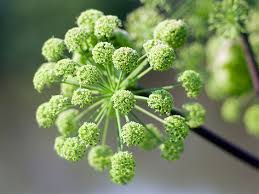
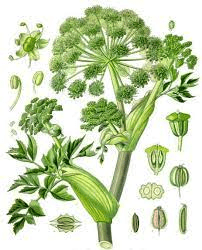
Angelica archangelica, commonly known as Angelica, is a biennial or perennial herb belonging to the Apiaceae family. This plant is native to regions of Northern Europe and Asia and is characterized by its tall, stout stem, which can reach heights of up to 2 meters. The plant has large, pinnately compound leaves that are divided into numerous leaflets.
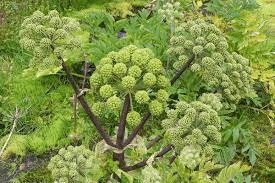
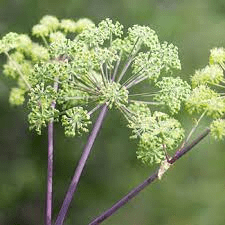
The flowers of Angelica are small and numerous, arranged in large, umbrella-like clusters called umbels. These umbels can be several inches in diameter and are composed of numerous tiny, greenish-white flowers. The flowering period typically occurs in the second year of the plant’s life.
Angelica archangelica is valued for both culinary and medicinal purposes. The plant’s aromatic roots, stems, seeds, and leaves are utilized in traditional medicine and herbal remedies. Additionally, Angelica is known for its use in various culinary applications, where it imparts a unique, earthy flavour. The plant is often used to flavor liqueurs, confectioneries, and certain dishes.
Phytochemical analyses have revealed the presence of compounds such as coumarins, flavonoids, and essential oils in Angelica archangelica. These bioactive compounds contribute to the plant’s potential medicinal properties, including anti-inflammatory and antioxidant effects. Furthermore, Angelica has a long history of use in traditional medicine for digestive issues, and respiratory conditions, and as a general tonic.
It’s important to note that while Angelica archangelica has been historically used for its medicinal properties, individuals should exercise caution and consult with healthcare professionals before using it for therapeutic purposes, as some parts of the plant may have toxic components in certain quantities.
The Botanical Description of Angelica archangelica
1. Appearance: Angelica archangelica is a robust, biennial plant that can reach impressive heights of up to six feet, boasting sturdy, hollow stems with purple or green hues.
2. Leaves: The plant’s large, compound leaves are comprised of numerous leaflets, providing an elegant and distinct appearance with serrated edges.
3. Flowers: In its second year, Angelica produces large, umbrella-like flower clusters that are typically white or greenish-white, forming a striking contrast against the deep green of the plant.
4. Roots: The most notable part of Angelica is its large, fleshy taproot, which has a distinctive aroma and is the primary medicinal and culinary part of the plant.
5. Aromatic Qualities: Angelica is renowned for its aromatic qualities, emitting a sweet and musky scent often described as reminiscent of juniper or musk.
6. Habitat: Commonly found in damp, cool environments, Angelica thrives in areas with rich, moist soil, frequently near rivers, streams, or in damp meadows.
7. Growing Season: Angelica archangelica typically blooms in late spring to early summer, adding a touch of elegance to the landscape.
8. Biennial Life Cycle: Angelica has a biennial life cycle, with the first year dedicated to vegetative growth and the second year focusing on flowering and seed production.
9. Cultural Significance: Beyond its botanical features, Angelica holds cultural significance, revered for centuries in folklore, often associated with divine protection and healing properties.
10. Historical Uses: Throughout history, Angelica has been utilized for both culinary and medicinal purposes, with its roots, leaves, and seeds finding a place in traditional medicine and various cuisines.
11. Pollination: Angelica archangelica relies on pollinators such as bees to facilitate the fertilization of its flowers, ensuring the continuation of its life cycle.
12. Preservation: The unique aroma of Angelica is often captured through extraction methods to create essential oils or used in the production of liqueurs, preserving its essence for various applications.
The Geographic Distribution of Angelica archangelica
1. Native to Northern Europe: Angelica archangelica is native to Northern Europe, thriving in countries with cool climates, including Scandinavia and parts of Russia.
2. Global Adaptation: Due to its adaptability, Angelica has naturalized in various regions, extending its presence to North America, Asia, and other parts of Europe.
3. Preferred Habitats: This herb prefers damp, shaded habitats, often found along riverbanks, in meadows, or near wooded areas.
4. Altitude Range: Angelica archangelica exhibits versatility in its altitude range, being found at elevations ranging from sea level to higher mountain regions.
5. Cultivation in Gardens: Beyond its wild habitats, Angelica is also cultivated in gardens for both ornamental and practical purposes.
6. Zones of Growth: It thrives in USDA Hardiness Zones 4-9, showcasing its ability to endure a range of temperature conditions.
7. Garden Design: Gardeners often incorporate Angelica into landscape designs, appreciating its aesthetic appeal and culinary utility.
8. Conservation Concerns: While not classified as endangered, conservation efforts are crucial to maintain the delicate balance of ecosystems where Angelica archangelica resides.
9. Seasonal Adaptation: The plant’s ability to adapt to seasonal changes contributes to its resilience and widespread distribution.
10. Ecological Impact: Angelica plays a role in local ecosystems by providing nectar for pollinators and serving as a habitat for certain insects.
The Chemical Composition of Angelica archangelica
1. Essential Oils: Angelica contains essential oils, with compounds such as terpenes, pinene, and limonene contributing to its distinct aroma.
2. Coumarins: Coumarins, including psoralen and bergapten, are present in Angelica and are associated with potential medicinal properties.
3. Flavonoids: Flavonoids, known for their antioxidant properties, are found in Angelica, contributing to its potential health benefits.
4. Phthalides: Angelica archangelica is rich in phthalides, which may contribute to its reported anti-inflammatory effects.
5. Fatty Acids: The plant contains fatty acids, including linoleic acid, which plays a role in supporting skin health and overall well-being.
6. Angelicin: Angelicin, a bioactive compound in Angelica, has been studied for its potential anti-cancer properties.
7. Polyacetylenes: Polyacetylenes, present in Angelica, are compounds with reported anti-inflammatory and antimicrobial effects.
8. Vitamins and Minerals: Angelica is a source of various vitamins and minerals, including vitamin B12, iron, and magnesium, contributing to its nutritional value.
9. Antioxidant Compounds: The plant’s antioxidant compounds, such as ferulic acid, contribute to its potential role in combating oxidative stress.
10. Caffeic Acid Derivatives: Angelica archangelica contains caffeic acid derivatives, which have been studied for their anti-inflammatory and antioxidant effects.
11. Tannins: Tannins, with their astringent properties, are found in Angelica and may contribute to its traditional uses.
12. Amino Acids: Amino acids are present in Angelica, contributing to its role as a potential nutritional supplement.
Read Also: 12 Medicinal Health Benefits Of Agrimonia eupatoria (Agrimony)
The Medicinal Health Benefits Of Angelica archangelica (Angelica)
1. Digestive Aid: Angelica has been traditionally used to alleviate digestive issues, including bloating and indigestion, with its compounds supporting a healthy digestive system.
2. Respiratory Health: The expectorant properties of Angelica make it beneficial for respiratory health, helping to relieve coughs and clear congested airways.
3. Anti-Inflammatory Effects: Angelica archangelica exhibits anti-inflammatory effects, which can be beneficial for conditions involving inflammation, such as arthritis.
4. Menstrual Relief: Angelica is believed to have properties that may help alleviate menstrual discomfort, including cramps and pain.
5. Sleep Aid: The calming effect of Angelica may contribute to its use as a natural remedy for promoting relaxation and improving sleep quality.
6. Antioxidant Support: The antioxidant compounds in Angelica may help neutralize free radicals, providing support against oxidative stress.
7. Antimicrobial Properties: Angelica archangelica has shown antimicrobial activity, suggesting its potential in combating certain bacteria and fungi.
8. Skin Health: Compounds like fatty acids in Angelica contribute to skin health, with potential benefits for conditions like eczema and psoriasis.
9. Immune System Boost: Regular consumption of Angelica may support the immune system, helping the body defend against infections and illnesses.
10. Joint Health: Anti-inflammatory properties may contribute to Angelica’s potential in supporting joint health and relieving arthritis symptoms.
11. Cardiovascular Health: Certain compounds in Angelica may have cardiovascular benefits, potentially supporting heart health.
12. Stress Reduction: Angelica’s calming properties may aid in stress reduction, contributing to overall mental well-being.
13. Blood Sugar Regulation: Preliminary research suggests that Angelica archangelica may play a role in regulating blood sugar levels.
14. Hormonal Balance: Traditional uses indicate Angelica’s potential in promoting hormonal balance, particularly in women.
15. Anticancer Potential: Compounds like angelicin have been studied for their potential anticancer properties, though further research is needed.
16. Detoxification Support: The diuretic properties of Angelica may contribute to the elimination of toxins from the body, supporting detoxification.
17. Cognitive Function: Some traditional uses suggest Angelica’s role in promoting cognitive function and mental clarity.
18. Nutritional Boost: The presence of vitamins, minerals, and amino acids in Angelica contributes to its potential as a nutritional supplement.
The Methods of Usage to Achieve the Provided Health Benefits Of Angelica archangelica (Angelica)
1. Herbal Tea: Prepare an herbal tea by infusing dried Angelica roots or leaves in hot water. This method is effective for digestive and respiratory benefits.
2. Tinctures and Extracts: Tinctures and extracts offer a concentrated form of Angelica, allowing for easy incorporation into beverages or meals for various health benefits.
3. Culinary Uses: Incorporate Angelica into culinary dishes, such as soups, stews, and salads, to enjoy its unique flavor while obtaining potential health benefits.
4. Essential Oil Diffusion: Diffusing Angelica essential oil in aromatherapy diffusers can provide a calming atmosphere, contributing to stress reduction and relaxation.
5. Topical Applications: Create salves or ointments using infused Angelica oil for topical applications, offering potential benefits for skin health and localized relief.
6. Capsule Supplements: For a convenient and controlled dosage, Angelica supplements in capsule form are available, providing an easy way to integrate it into a daily routine.
7. Smoking Blends: In some traditional practices, dried Angelica leaves have been used in smoking blends for potential respiratory benefits.
8. Culinary Infusions: Infuse Angelica in syrups, vinegars, or alcoholic beverages to impart its unique flavor while enjoying potential digestive benefits.
9. Poultices: Apply poultices made from mashed Angelica roots or leaves directly to the skin for localized relief, particularly for joint or muscle discomfort.
10. Bath Additive: Infuse baths with Angelica to create a relaxing and aromatic experience, potentially promoting overall well-being.
The Side Effects Of Using Angelica archangelica Medicinal Plant
1. Allergic Reactions: Individuals with allergies, particularly to plants in the Apiaceae family, should exercise caution and perform patch tests before widespread use.
2. Photosensitivity: Angelica archangelica may increase sensitivity to sunlight, so users should take precautions to avoid excessive sun exposure, especially when using essential oils topically.
3. Skin Irritation: Topical application of Angelica essential oil may cause skin irritation in some individuals. Dilution is recommended, and a patch test should be performed.
4. Gastrointestinal Upset: Consuming excessive amounts of Angelica may lead to gastrointestinal upset, including nausea and diarrhea. Moderation is key.
5. Pregnancy and Breastfeeding: Pregnant and breastfeeding individuals should consult healthcare professionals before using Angelica, as its safety during these periods is not well-established.
6. Blood Sugar Interactions: Individuals with diabetes or those taking medications to regulate blood sugar should monitor levels when using Angelica, as it may affect blood sugar.
7. Blood Pressure: Angelica archangelica may have hypotensive effects, so individuals with low blood pressure should use it cautiously.
8. Drug Interactions: Angelica may interact with certain medications, particularly anticoagulants or drugs metabolized by the liver. Consultation with healthcare professionals is advised.
9. Central Nervous System Effects: Some individuals may experience dizziness or headaches, especially in excessive use or sensitive individuals.
10. Hormonal Conditions: Individuals with hormone-related conditions should exercise caution, as Angelica may have estrogenic effects.
11. Children’s Usage: Usage in children should be approached with caution, and consultation with healthcare professionals is recommended.
12. Potential Toxicity: While generally safe in moderation, excessive consumption, especially of essential oils, may lead to potential toxicity. Adhere to recommended dosage guidelines.
13. Respiratory Sensitivity: Inhaling concentrated Angelica essential oil may cause respiratory sensitivity, so proper dilution and caution are advised.
Read Also: How to Make Refried Beans
The Scientific Research and Studies of Angelica archangelica
1. Gastrointestinal Effects: Scientific studies have explored Angelica’s potential in alleviating gastrointestinal issues, attributing its effects to certain compounds.
2. Respiratory Benefits: Research suggests that Angelica archangelica may have respiratory benefits, including antitussive and expectorant properties.
3. Anti-Inflammatory Properties: Studies have investigated the anti-inflammatory effects of Angelica, revealing potential applications in conditions involving inflammation.
4. Antimicrobial Activity: Scientific research has explored the antimicrobial activity of Angelica, indicating its effectiveness against certain bacteria and fungi.
5. Antioxidant Potential: Studies have investigated Angelica’s antioxidant potential, highlighting its ability to neutralize free radicals and combat oxidative stress.
6. Menstrual Health: Research has delved into Angelica’s potential in addressing menstrual discomfort, supporting its traditional use for women’s health.
7. Antispasmodic Effects: Scientific studies suggest that Angelica may possess antispasmodic effects, contributing to its potential in reducing muscle spasms and cramps.
8. Anxiolytic Properties: Some studies suggest that Angelica may have anxiolytic properties, indicating its potential in stress reduction and anxiety management.
The Safety Precautions and Recommendations In Using Angelica archangelica Medicinal Plant
1. Allergy Testing: Individuals should perform allergy testing, especially if allergic to plants in the Apiaceae family, to identify potential sensitivities.
2. Moderation in Consumption: Consume Angelica in moderation to avoid potential gastrointestinal discomfort and adverse effects.
3. Cross-Reactivity Awareness: Those allergic to related plants should be aware of potential cross-reactivity and take necessary precautions.
4. Sun Protection: Due to potential photosensitivity, users should employ sun protection measures, such as sunscreen and protective clothing, when using Angelica products topically.
5. Pregnancy and Breastfeeding Consultation: Pregnant and breastfeeding individuals should consult healthcare professionals before using Angelica, as its safety during these periods is not well-established.
6. Blood Sugar Monitoring: Individuals with diabetes or those taking medications to regulate blood sugar should monitor levels when using Angelica, as it may affect blood sugar.
7. Blood Pressure Oversight: Angelica archangelica may have hypotensive effects, so individuals with low blood pressure should use it cautiously. Regular blood pressure monitoring is advisable.
8. Drug Interaction Awareness: Angelica may interact with certain medications, particularly anticoagulants or drugs metabolized by the liver. Consultation with healthcare professionals is crucial, and medication adjustments may be necessary.
9. Central Nervous System Vigilance: Some individuals may experience dizziness or headaches, especially in cases of excessive use or sensitivity. Caution should be exercised, and users should discontinue use if adverse effects occur.
10. Hormonal Condition Consideration: Individuals with hormone-related conditions should exercise caution, as Angelica may have estrogenic effects. Monitoring of symptoms and consultation with healthcare professionals are recommended.
11. Caution in Children’s Usage: Usage in children should be approached with caution, and consultation with healthcare professionals is advised to ensure safety and appropriateness.
12. Adherence to Recommended Dosages: Potential toxicity may arise from excessive consumption, especially of essential oils. Adherence to recommended dosage guidelines is essential for safe usage.
13. Respiratory Sensitivity Precaution: Inhaling concentrated Angelica essential oil may cause respiratory sensitivity. Proper dilution and caution in aromatherapy practices are advised.
FAQs About Angelica archangelica Medicinal Plant
1. Is Angelica archangelica safe for pregnant women?
Angelica’s safety during pregnancy is not well-established. Pregnant individuals should consult healthcare professionals before use.
2. Can Angelica be used for culinary purposes?
Yes, Angelica is often used in culinary dishes, adding a unique flavor to soups, stews, salads, and various beverages.
3. Are there any age restrictions for Angelica usage?
While generally considered safe, caution is advised for children, and usage should be discussed with healthcare professionals.
4. How does Angelica support digestive health?
Angelica has compounds that may aid digestion, providing relief from issues like bloating and indigestion.
5. Is Angelica archangelica effective in promoting relaxation?
Yes, Angelica’s calming properties contribute to its traditional use as a natural remedy for stress reduction and relaxation.
6. Can Angelica be grown in home gardens?
Yes, Angelica can be cultivated in home gardens, providing both ornamental value and practical uses.
7. What precautions should be taken for skin application?
Topical application of Angelica essential oil requires dilution to prevent skin irritation. Patch testing is recommended.
8. How does Angelica interact with medications?
Angelica may interact with certain medications, particularly anticoagulants and liver-metabolized drugs. Consultation with healthcare professionals is advised.
9. Does Angelica have potential anticancer properties?
Some compounds in Angelica, like angelicin, have been studied for their potential anticancer effects. However, further research is needed.
10. Can Angelica be used for joint health?
Yes, the anti-inflammatory properties of Angelica may contribute to supporting joint health and relieving arthritis symptoms.
11. Is Angelica suitable for individuals with diabetes?
Individuals with diabetes should monitor blood sugar levels when using Angelica, as it may affect blood sugar regulation.
12. Can Angelica be used for respiratory issues?
Yes, Angelica archangelica has been traditionally used for respiratory benefits, including relief from coughs and congestion.
13. How does Angelica contribute to detoxification?
The diuretic properties of Angelica may contribute to the elimination of toxins from the body, supporting detoxification.
14. Can Angelica be used for menstrual relief?
Angelica is believed to have properties that may help alleviate menstrual discomfort, including cramps and pain.
15. Does Angelica have hormonal effects?
Some traditional uses suggest Angelica’s potential in promoting hormonal balance, particularly in women.
16. How should Angelica be consumed for immune support?
Regular consumption of Angelica, such as in herbal teas or culinary dishes, may support the immune system.
17. Is Angelica suitable for individuals with low blood pressure?
Due to potential hypotensive effects, individuals with low blood pressure should use Angelica cautiously and monitor their blood pressure regularly.
18. Can Angelica be used for cognitive function?
Some traditional uses suggest Angelica’s role in promoting cognitive function and mental clarity.
Do you have any questions, suggestions, or contributions? If so, please feel free to use the comment box below to share your thoughts. We also encourage you to kindly share this information with others who might benefit from it. Since we can’t reach everyone at once, we truly appreciate your help in spreading the word. Thank you very much for your support and for sharing!
Disclaimer: This article is for educational and informational purposes only. The health benefits described are based on scientific research and traditional knowledge. They ayre not a substitute for professional medical advice, diagnosis, or treatment. Always consult a healthcare professional before using any herb or natural remedy for medical purposes.
Read Also: What Are the Benefits of Growing Jasmine Flowers?