


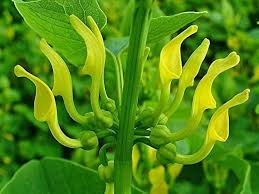
Aristolochia clematitis, commonly known as Birthwort, is a perennial herbaceous plant belonging to the Aristolochiaceae family. This plant is characterized by its winding stems and heart-shaped leaves. It typically grows in various habitats, including meadows, hedgerows, and forest edges, and is native to parts of Europe and Asia.
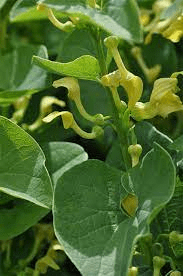
The distinctive feature of Aristolochia clematitis is its unique flowers, which have a tubular shape and are often brownish-purple in color. The plant blooms in late spring to early summer. The reproductive organs of the flower are adapted to attract specific pollinators, such as flies, which are lured into the flower and then trapped for a brief period. This mechanism promotes effective pollination.
Aristolochia clematitis has a long history of traditional medicinal use in different cultures. Various parts of the plant, especially the roots, have been employed in traditional herbal remedies. However, it’s important to note that some species within the Aristolochia genus contain toxic compounds known as aristolochic acids, which can have harmful effects on the kidneys and may be carcinogenic. As a result, the use of Aristolochia clematitis in herbal medicine is controversial, and caution should be exercised when considering its consumption or use for medicinal purposes.
The Botanical Description of Aristolochia clematitis
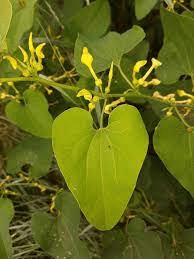
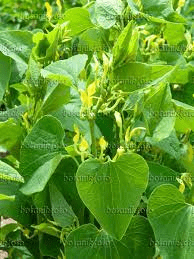
1. Plant Size and Structure: Aristolochia clematitis, commonly known as Birthwort, is a perennial herbaceous plant that can reach a height of about one meter. It typically features a climbing or trailing stem with heart-shaped leaves.
2. Leaves: The leaves of Aristolochia clematitis are large, ranging from 5 to 15 centimeters in width, and are characterized by a distinct heart shape. They are arranged alternately along the stem.
3. Flowers: The plant produces unique, tubular flowers that are brownish-purple in color. The flowers have a distinct pipe-like shape, resembling a birth canal, which is believed to be the origin of its common name, Birthwort.
4. Reproductive Structures: Aristolochia clematitis produces capsules containing numerous seeds. The plant relies on these seeds for reproduction.
5. Root System: The root system of Aristolochia clematitis is fibrous and may extend deeply into the soil. The roots play a crucial role in nutrient absorption and plant stability.
6. Aromatic Qualities: Some species within the Aristolochia genus, including Aristolochia clematitis, may exhibit aromatic qualities. This can contribute to the overall sensory experience of the plant.
7. Growth Habit: Aristolochia clematitis often exhibits a climbing or twining growth habit, using its stem to attach itself to nearby structures or vegetation.
8. Seasonal Characteristics: The plant is known to be deciduous, shedding its leaves in the autumn season. This cyclical pattern is a common feature in perennial plants.
9. Ecological Adaptations: Aristolochia clematitis is adaptable to various ecological conditions. It can be found in a range of habitats, from woodlands to meadows.
10. Historical Significance: Due to its distinctive appearance and historical uses, Aristolochia clematitis holds cultural and medicinal significance. It has been referenced in various herbal traditions throughout history.
11. Inflorescence: The flowers of Aristolochia clematitis are typically arranged in inflorescences, forming clusters that contribute to the visual appeal of the plant.
12. Leaf Venation: The leaves of Aristolochia clematitis exhibit prominent venation, adding to the overall intricate and detailed appearance of the foliage.
The Geographic Distribution of Aristolochia clematitis
1. Native Regions: Aristolochia clematitis is native to parts of Europe, including central and southern regions. It thrives in temperate climates.
2. Naturalized Areas: While native to Europe, Aristolochia clematitis has naturalized in other parts of the world, including North America and certain Asian regions.
3. Preferred Habitats: The plant is often found in diverse habitats, ranging from open woodlands to grassy meadows. It shows adaptability to various soil types.
4. Altitudinal Range: Aristolochia clematitis can be found at different altitudinal levels, from lowland areas to higher elevations. This wide range contributes to its ecological versatility.
5. Invasive Characteristics: In some regions where Aristolochia clematitis has been introduced, it may exhibit invasive tendencies, impacting local ecosystems.
6. Conservation Status: While not listed as endangered, the conservation status of Aristolochia clematitis may be monitored in certain regions due to habitat changes and human activities.
7. Climate Preferences: The plant favors temperate climates with well-defined seasons. It is adapted to withstand both cold winters and warm summers.
8. Global Distribution: Aristolochia clematitis has a global distribution, with populations established in Europe, Asia, and North America. This wide distribution is a testament to its adaptability.
9. Human Influence: Human activities, including urbanization and land use changes, can influence the distribution of Aristolochia clematitis. It may thrive in disturbed habitats.
10. Ecological Interactions: The geographic distribution of Aristolochia clematitis is intertwined with ecological interactions, including relationships with pollinators and other plant species in its native and introduced regions.
The Chemical Composition of Aristolochia clematitis
1. Aristolochic Acids: Aristolochia clematitis is known to contain aristolochic acids, a group of chemical compounds with potential pharmacological properties. These acids have been a subject of scientific interest.
2. Alkaloids: The plant may contain alkaloids, which are nitrogenous organic compounds that can have physiological effects. Alkaloids contribute to the overall chemical diversity of Aristolochia clematitis.
3. Flavonoids: Flavonoids, known for their antioxidant properties, are present in Aristolochia clematitis. These compounds contribute to the plant’s potential health benefits.
4. Essential Oils: Some species within the Aristolochia genus, including Aristolochia clematitis, may produce essential oils. These oils can have aromatic and therapeutic qualities.
5. Glycosides: Glycosides are compounds found in Aristolochia clematitis that may have diverse biochemical activities, including potential medicinal effects.
6. Tannins: Tannins, known for their astringent properties, are part of the chemical composition of Aristolochia clematitis. They may influence the plant’s interactions with its environment.
7. Terpenoids: Terpenoids, a large and diverse group of organic compounds, may be present in Aristolochia clematitis. These compounds can have various biological activities.
8. Phenolic Compounds: Phenolic compounds, including phenolic acids, are constituents of Aristolochia clematitis. They contribute to the plant’s overall chemical profile.
9. Resins: The presence of resins in Aristolochia clematitis adds to its chemical complexity. Resins can have protective functions for the plant.
10. Coumarins: Aristolochia clematitis may contain coumarins, which are compounds with potential pharmacological properties. Coumarins contribute to the plant’s chemical diversity.
11. Lignans: Lignans, a class of polyphenolic compounds, may be found in the chemical composition of Aristolochia clematitis. They can have antioxidant and other bioactive effects.
12. Carbohydrates: Carbohydrates, including sugars and polysaccharides, are part of the plant’s chemical makeup. They serve as essential energy and structural components.
Read Also: What are the Different Types of Barley?
The Medicinal Health Benefits Of Aristoloch ia clematitis ( Birthwort)
1. Anti-inflammatory Properties: Aristolochia clematitis has been traditionally associated with anti-inflammatory properties, which may help alleviate inflammation-related conditions.
2. Digestive Support: The plant is believed to offer digestive support, aiding in issues such as indigestion and promoting overall gastrointestinal health.
3. Antioxidant Effects: Compounds present in Aristolochia clematitis may exhibit antioxidant effects
4. Respiratory Health: Traditional uses include support for respiratory health, potentially assisting with conditions such as coughs and respiratory discomfort.
5. Wound Healing: Aristolochia clematitis has been employed for its potential wound-healing properties, promoting the recovery of damaged skin.
6. Antimicrobial Action: The plant may possess antimicrobial properties, aiding in the management of certain infections or microbial imbalances.
7. Analgesic Effects: Aristolochia clematitis is traditionally known for its potential analgesic effects, providing relief from pain and discomfort.
8. Menstrual Support: Some traditional uses include support for menstrual health, potentially easing discomfort associated with menstrual cycles.
9. Immune System Modulation: Compounds found in Aristolochia clematitis may contribute to immune system modulation, enhancing the body’s defense mechanisms.
10. Relaxant and Calming Effects: The plant has been historically associated with relaxant and calming effects, potentially benefiting mental well-being.
11. Cardiovascular Support: Traditional uses include cardiovascular support, with potential benefits for heart health and blood circulation.
12. Diuretic Properties: Aristolochia clematitis may act as a diuretic, promoting the elimination of excess fluids from the body.
13. Liver Health: Some traditional practices involve the use of Aristolochia clematitis for liver health, potentially supporting detoxification processes.
14. Joint Comfort: The plant may offer support for joint comfort, with traditional uses for conditions related to joint discomfort.
15. Antiviral Potential: Preliminary research suggests potential antiviral properties in certain compounds present in Aristolochia clematitis.
16. Hormonal Balance: Traditional applications include the plant’s potential to contribute to hormonal balance, particularly in women.
17. Anticancer Properties: Some studies have explored the anticancer potential of Aristolochia clematitis compounds, indicating a subject for further research.
18. Stress Management: Aristolochia clematitis may have applications in stress management, with traditional uses for relaxation and stress relief.
The Methods of Usage to Achieve the Provided Health Benefits Of Aristolochia clematitis ( Birthwort)
1. Herbal Infusions: Prepare herbal infusions by steeping Aristolochia clematitis leaves or dried parts in hot water. This method is commonly used for respiratory and digestive support.
2. Topical Applications: Create poultices or ointments using Aristolochia clematitis for external application on wounds or areas requiring anti-inflammatory and wound-healing effects.
3. Tinctures: Prepare tinctures by extracting the plant’s active compounds in alcohol or another solvent. Tinctures offer a concentrated form for various health benefits.
4. Inhalation: Inhale the vapors from Aristolochia clematitis infusions for respiratory support. This method can be beneficial for managing respiratory discomfort.
5. Dietary Inclusion: Incorporate Aristolochia clematitis into culinary practices, such as herbal teas or as a flavoring agent in certain dishes, to enjoy its potential health benefits.
6. Capsules or Supplements: Obtain Aristolochia clematitis in capsule or supplement form for convenient and controlled intake. This method ensures standardized dosages.
7. Traditional Decoctions: Prepare traditional decoctions by simmering Aristolochia clematitis parts in water. This method is common for extracting a broad spectrum of compounds.
8. Aromatherapy: Utilize essential oils derived from Aristolochia clematitis for aromatherapy. The inhalation of aromatic compounds may contribute to relaxation.
9. Herbal Baths: Add Aristolochia clematitis extracts to bathwater for a soothing herbal bath. This method can promote relaxation and potentially benefit skin health.
10. Compresses: Apply compresses soaked in Aristolochia clematitis infusions to areas of concern, such as joints, for targeted relief and potential anti-inflammatory effects.
The Side Effects Of Using Aristolochia clematitis Medicinal Plant
1. Nephrotoxicity: Aristolochia clematitis, particularly its aristolochic acid content, has been associated with nephrotoxicity, potentially leading to kidney damage.
2. Hepatotoxicity: Prolonged or excessive use of Aristolochia clematitis may pose risks of hepatotoxicity, impacting liver function.
3. Gastrointestinal Distress: Some individuals may experience gastrointestinal distress, including nausea and abdominal discomfort, with the use of Aristolochia clematitis.
4. Allergic Reactions: Allergic reactions, ranging from skin irritation to more severe responses, may occur in individuals sensitive to the plant.
5. Blood Pressure Effects: Aristolochia clematitis may influence blood pressure, and individuals with blood pressure issues should use it cautiously.
6. Respiratory Issues: Inhalation of Aristolochia clematitis vapors may lead to respiratory distress in sensitive individuals.
7. Hormonal Disruption: Certain compounds in Aristolochia clematitis may have hormonal effects, and individuals with hormonal imbalances should exercise caution.
8. Photosensitivity: Sensitivity to sunlight may increase with the use of Aristolochia clematitis, leading to skin reactions upon exposure.
9. Neurological Symptoms: Excessive consumption may result in neurological symptoms, such as dizziness or headaches.
10. Cardiovascular Risks: Aristolochic acids in Aristolochia clematitis may pose risks to cardiovascular health, requiring caution in individuals with heart conditions.
11. Exacerbation of Allergies: Individuals prone to allergies should be cautious, as Aristolochia clematitis may exacerbate allergic reactions.
12. Endocrine Disruption: Some studies suggest that certain compounds in Aristolochia clematitis may have endocrine-disrupting effects.
13. Carcinogenic Concerns: Aristolochic acids found in Aristolochia clematitis have been associated with potential carcinogenic effects, raising concerns about long-term use.
Read Also: 15 Medicinal Health Benefits Of Valerian (Valeriana officinalis)
The Scientific Research and Studies of Aristolochia clematitis
1. Aristolochic Acids and Nephrotoxicity: Scientific studies have extensively investigated the nephrotoxic effects of aristolochic acids found in Aristolochia clematitis, highlighting the potential risks to kidney health.
2. Anti-inflammatory Properties: Research has explored the anti-inflammatory properties of Aristolochia clematitis, shedding light on its traditional uses in managing inflammatory conditions.
3. Antioxidant Effects: Studies have investigated the antioxidant effects of compounds present in Aristolochia clematitis, contributing to the understanding of its potential health benefits.
4. Alkaloids and Pharmacological Activities: Research has focused on the alkaloids present in Aristolochia clematitis and their pharmacological activities, providing insights into the plant’s medicinal properties.
5. Hepatotoxicity Concerns: Scientific investigations have examined the potential hepatotoxic effects of prolonged or excessive use of Aristolochia clematitis, emphasizing the importance of responsible consumption.
6. Antimicrobial and Antiviral Properties: Studies have explored the antimicrobial and antiviral properties of Aristolochia clematitis, suggesting its potential in managing infections.
7. Toxicology Studies: Scientific toxicology studies have aimed to identify and understand the toxic components of Aristolochia clematitis, providing crucial information for risk assessment.
8. Traditional Knowledge vs. Scientific Evidence: Research has sought to bridge traditional knowledge about Aristolochia clematitis with scientific evidence, exploring the validity of its traditional uses.
The Safety Precautions and Recommendations In Using Aristolochia clematitis Medicinal Plant
1. Consultation with Healthcare Professionals: Before using Aristolochia clematitis for medicinal purposes, individuals should consult with healthcare professionals, especially if they have pre-existing health conditions.
2. Dosage Control: It is crucial to adhere to recommended dosages and avoid excessive consumption of Aristolochia clematitis to minimize the risk of adverse effects.
3. Monitoring for Allergic Reactions: Users should monitor for any signs of allergic reactions, such as skin irritation, and discontinue use if such reactions occur.
4. Kidney and Liver Health Monitoring: Individuals with pre-existing kidney or liver conditions should exercise caution and undergo regular health monitoring when using Aristolochia clematitis.
5. Avoiding Prolonged Use: Long-term or continuous use of Aristolochia clematitis may pose risks. It is advisable to use the plant intermittently and with breaks in between.
6. Pregnancy and Lactation Precautions: Pregnant and lactating individuals should avoid the use of Aristolochia clematitis due to potential risks to maternal and fetal health.
7. Interaction with Medications: Individuals taking medications should consult healthcare professionals to assess potential interactions between Aristolochia clematitis and prescribed drugs.
8. Responsible Harvesting: If harvesting Aristolochia clematitis from the wild, it is essential to do so responsibly, considering conservation concerns and avoiding overharvesting.
9. Awareness of Aristolochic Acids: Users should be aware of the presence of aristolochic acids in Aristolochia clematitis and the associated risks, especially concerning kidney health.
10. Not a Substitute for Professional Medical Advice: Aristolochia clematitis should not be considered a substitute for professional medical advice, diagnosis, or treatment. It complements, but does not replace, conventional healthcare practices.
11. Educating Healthcare Providers: Healthcare providers should be educated about the potential use of Aristolochia clematitis by patients to facilitate open and informed discussions.
12. Reporting Adverse Effects: Individuals experiencing adverse effects from the use of Aristolochia clematitis should promptly report them to healthcare professionals and relevant authorities.
These safety precautions and recommendations aim to promote responsible and informed use of Aristolochia clematitis, emphasizing the importance of individual health considerations and professional guidance.
FAQs About Aristolochia clematitis Medicinal Plant
1. Is Aristolochia clematitis Safe for Everyone?
Aristolochia clematitis may not be safe for everyone. Individuals with pre-existing health conditions, such as kidney or liver issues, pregnant or lactating individuals, and those taking medications, should consult healthcare professionals before use.
2. How Can Aristolochia clematitis Be Safely Consumed?
Aristolochia clematitis can be consumed safely by following recommended dosages, avoiding prolonged use, and considering individual health conditions. Consulting healthcare professionals for personalized advice is advisable.
3. Are There Any Known Drug Interactions with Aristolochia clematitis?
Aristolochia clematitis may interact with certain medications. It is essential for individuals taking prescribed drugs to consult healthcare professionals to assess potential interactions and avoid adverse effects.
4. Can Aristolochia clematitis Be Used During Pregnancy?
Pregnant individuals should avoid the use of Aristolochia clematitis due to potential risks to maternal and fetal health. Consulting with healthcare professionals is crucial for personalized guidance.
5. What Are the Signs of Allergic Reactions to Aristolochia clematitis?
Signs of allergic reactions may include skin irritation, redness, itching, or more severe responses. Users should monitor for these signs and discontinue use if any allergic reactions occur.
6. Is Aristolochia clematitis Legal to Harvest and Use?
The legality of harvesting and using Aristolochia clematitis may vary by region. It is essential to be aware of local regulations, practice responsible harvesting, and consider conservation concerns.
7. Can Aristolochia clematitis Be Used as a Substitute for Conventional Medicine?
Aristolochia clematitis should not be used as a substitute for conventional medicine. It can complement healthcare practices but does not replace professional medical advice, diagnosis, or treatment.
8. How Can I Report Adverse Effects from Aristolochia clematitis Use?
Individuals experiencing adverse effects from the use of Aristolochia clematitis should promptly report them to healthcare professionals and relevant authorities to contribute to safety monitoring.
9. Are There Alternative Herbs with Similar Medicinal Properties?
Several herbs may share similar medicinal properties with Aristolochia clematitis. Consulting with herbalists or healthcare professionals can help identify alternative herbs that align with individual health goals.
10. Can Aristolochia clematitis Be Used for Children?
The use of Aristolochia clematitis in children is not recommended due to potential risks. Parents or guardians should seek guidance from pediatric healthcare professionals for children’s health-related considerations.
11. What Precautions Should Be Taken When Using Aristolochia clematitis Topically?
When using Aristolochia clematitis topically, individuals should perform patch tests to check for skin sensitivity. Avoid applying to open wounds, and discontinue use if any adverse skin reactions occur.
12. Is Aristolochia clematitis Cultivation Feasible?
While Aristolochia clematitis may be cultivated, it should be done responsibly, considering conservation and sustainability. Local regulations regarding cultivation should be followed.
13. Can Aristolochia clematitis Be Used for Mental Health Purposes?
Aristolochia clematitis has been traditionally associated with relaxant and calming effects. However, individuals seeking support for mental health should prioritize evidence-based approaches and consult mental health professionals.
14. Is Aristolochia clematitis Endangered?
Aristolochia clematitis is not listed as endangered. However, its conservation status may be monitored in certain regions due to habitat changes and human activities.
15. Can Aristolochia clematitis Be Combined with Other Herbs or Supplements?
Combining Aristolochia clematitis with other herbs or supplements should be done cautiously, considering potential interactions. Consulting healthcare professionals can provide personalized advice.
16. What Research Exists on the Anticancer Properties of Aristolochia clematitis?
Some studies have explored the anticancer potential of compounds in Aristolochia clematitis, indicating a subject for further research. However, this area requires more comprehensive investigation.
17. How Can Aristolochia clematitis Be Used for Joint Comfort?
Aristolochia clematitis may offer support for joint comfort. Methods of usage may include topical applications or dietary inclusion. Individuals with joint concerns should seek guidance from healthcare professionals.
Do you have any questions, suggestions, or contributions? If so, please feel free to use the comment box below to share your thoughts. We also encourage you to kindly share this information with others who might benefit from it. Since we can’t reach everyone at once, we truly appreciate your help in spreading the word. Thank you very much for your support and for sharing!
Disclaimer: This article is for educational and informational purposes only. The health benefits described are based on scientific research and traditional knowledge. They ayre not a substitute for professional medical advice, diagnosis, or treatment. Always consult a healthcare professional before using any herb or natural remedy for medical purposes.
Read Also: What is Daisy Flower? Benefits, Uses and Importance