


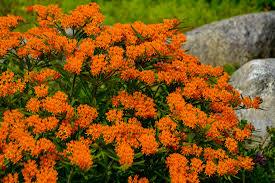
Asclepias tuberosa, commonly known as Butterfly Weed, is a species of flowering plant native to North America.
It belongs to the milkweed family (Asclepiadaceae) and is characterized by its vibrant orange flowers that attract butterflies, hence its name. Butterfly Weed typically grows in dry, sandy soils and is often found in prairies, meadows, and along roadsides.
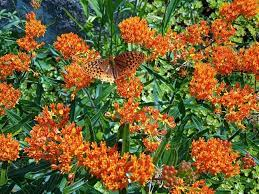
It plays a vital role in supporting pollinators, particularly monarch butterflies, as it serves as a host plant for their larvae.
Additionally, Butterfly Weed contains compounds called cardiac glycosides, which can be toxic if ingested, but have also been studied for their potential medicinal properties in treating heart conditions.
The Botanical Description of Asclepias tuberosa
1. Growth Habit: Asclepias tuberosa typically grows upright, reaching heights of 1 to 2 feet (30 to 60 cm), with a clumping or bushy growth habit.
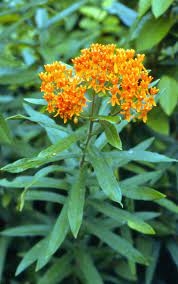
2. Stem: The stems of Asclepias tuberosa are hairy and often reddish-orange in color, branching near the top to produce clusters of bright orange flowers.
3. Leaves: The leaves are alternately arranged along the stems and are lance-shaped, with entire margins. They are typically 3 to 6 inches (7.5 to 15 cm) long and ½ to 1 inch (1.2 to 2.5 cm) wide.
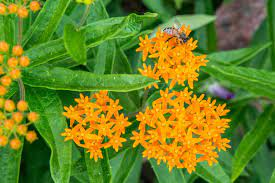
4. Flowers: Asclepias tuberosa produces showy, bright orange to yellow-orange flowers arranged in dense, rounded clusters called umbels. Each flower has five petals and a distinctive crown of hoods and horns.
5. Inflorescence: The inflorescence of Asclepias tuberosa consists of multiple umbels borne on terminal or axillary peduncles, creating a striking display of color in the garden.
6. Fruit: After flowering, Asclepias tuberosa develops elongated seed pods known as follicles, which split open when mature to release numerous seeds equipped with silky hairs for wind dispersal.
7. Root System: The root system of Asclepias tuberosa consists of a thick, fleshy taproot that extends deep into the soil, providing stability and drought tolerance.
8. Flowering Period: Asclepias tuberosa typically blooms from late spring to early fall, attracting pollinators such as bees, butterflies, and hummingbirds with its vibrant flowers.
9. Fragrance: The flowers of Asclepias tuberosa emit a subtle, sweet fragrance that further enhances their appeal to pollinators and gardeners alike.
10. Habitat: Asclepias tuberosa is native to eastern and central North America, where it can be found growing in dry, sandy soils of prairies, meadows, open woodlands, and roadsides.
11. Adaptations: Asclepias tuberosa is well-adapted to drought conditions, thanks to its deep taproot and ability to store water in its fleshy stems and leaves.
12. Cultivation: Asclepias tuberosa is cultivated as an ornamental plant for its attractive flowers and ability to support pollinators. It prefers full sun and well-drained soil, making it suitable for xeriscaping and butterfly gardens.
The Geographic Distribution of Asclepias tuberosa
1. Native Range: Asclepias tuberosa is native to eastern and central North America, spanning from Ontario and Quebec in Canada southward to Florida and Texas in the United States.
2. Natural Habitats: In its native range, Asclepias tuberosa can be found growing in a variety of natural habitats, including prairies, meadows, open woodlands, savannas, and roadsides.
3. Range Expansion: Due to its popularity as an ornamental plant and habitat disturbance, Asclepias tuberosa has been introduced and naturalized in other regions beyond its native range.
4. Naturalized Range: Asclepias tuberosa has naturalized in parts of Europe, including the United Kingdom, where it is cultivated in gardens and occasionally escapes into the wild.
5. Growing Conditions: Asclepias tuberosa thrives in sunny locations with well-drained, sandy or loamy soils, making it well-suited for cultivation in a wide range of climates and environments.
6. Hardiness Zones: Asclepias tuberosa is adapted to USDA hardiness zones 3 to 9, indicating its ability to tolerate a wide range of temperature extremes, from cold winters to hot summers.
7. Ecological Role: Asclepias tuberosa plays a vital ecological role as a host plant for monarch butterflies, whose larvae feed exclusively on the leaves, and as a nectar source for a variety of pollinators.
8. Conservation Status: Despite its widespread distribution, Asclepias tuberosa faces threats from habitat loss, herbicide use, and agricultural practices, prompting conservation efforts to protect native populations.
9. Restoration Efforts: Conservation organizations and gardeners alike are actively involved in restoring and creating habitat for Asclepias tuberosa to support monarch butterfly populations and promote biodiversity.
10. Gardening and Landscaping: Asclepias tuberosa is popularly cultivated in gardens, butterfly gardens, and natural landscaping projects across its range, contributing to the beauty and diversity of outdoor spaces.
11. Educational Value: The geographic distribution of Asclepias tuberosa provides opportunities for educational outreach and citizen science initiatives aimed at raising awareness about the importance of native plants and pollinators.
The Chemical Composition of Asclepias tuberosa
1. Cardiac Glycosides: Asclepias tuberosa contains cardiac glycosides such as asclepiadin and calotropin, which have cardiotonic effects and may help regulate heart function.
2. Triterpenoids: Triterpenoids found in Asclepias tuberosa, including α-amyrin and β-amyrin, exhibit anti-inflammatory and antioxidant properties, contributing to its medicinal benefits.
3. Flavonoids: Asclepias tuberosa contains flavonoids such as quercetin and kaempferol, which have antioxidant and anti-inflammatory effects and may support cardiovascular health.
4. Alkaloids: Alkaloids present in Asclepias tuberosa, including tuberosin and asclepin, have been shown to possess analgesic and antipyretic properties, making them potential candidates for pain management.
5. Phenolic Compounds: Phenolic compounds found in Asclepias tuberosa, such as chlorogenic acid and rutin, have antioxidant and anti-inflammatory activities, contributing to its therapeutic potential.
6. Saponins: Asclepias tuberosa contains saponins, which have detergent-like properties and may exhibit anticancer, antimicrobial, and immunomodulatory effects.
7. Essential Oils: The aerial parts of Asclepias tuberosa yield essential oils containing compounds such as linalool and α-pinene, which contribute to its fragrance and may have therapeutic properties.
8. Coumarins: Asclepias tuberosa contains coumarins such as scopoletin, which have anticoagulant and vasodilatory effects, potentially benefiting cardiovascular health.
9. Lignans: Lignans found in Asclepias tuberosa, including pinoresinol and lariciresinol, exhibit antioxidant and estrogenic activities, suggesting potential hormone-balancing effects.
10. Tannins: Asclepias tuberosa contains tannins, which have astringent properties and may help alleviate diarrhea, reduce inflammation, and promote wound healing.
11. Carotenoids: Asclepias tuberosa flowers contain carotenoid pigments such as β-carotene and lutein, which give them their vibrant orange color and have antioxidant properties.
12. Sterols: Sterols present in Asclepias tuberosa, including β-sitosterol and stigmasterol, have been associated with cholesterol-lowering and anti-inflammatory effects.
13. Polysaccharides: Asclepias tuberosa contains polysaccharides such as mucilage, which have demulcent properties and may help soothe irritated mucous membranes.
14. Proteins: Asclepias tuberosa seeds contain proteins that serve as a nutrient source for pollinators and wildlife, contributing to its ecological interactions.
The Medicinal Health Benefits Of Asclepias tuberosa (Butterfly Weed)
1. Anti-inflammatory Properties: Compounds found in Asclepias tuberosa exhibit anti-inflammatory effects, which may help reduce inflammation associated with conditions such as arthritis and inflammatory bowel disease.
2. Antioxidant Activity: Asclepias tuberosa contains antioxidants that scavenge free radicals, helping to protect cells from oxidative damage and reduce the risk of chronic diseases like cancer and cardiovascular disorders.
3. Immunomodulatory Effects: Components of Asclepias tuberosa have been shown to modulate immune responses, enhancing immune function and promoting overall health and well-being.
4. Analgesic Effects: Certain constituents of Asclepias tuberosa possess analgesic properties, providing relief from pain and discomfort associated with conditions such as headaches, muscle aches, and menstrual cramps.
5. Antimicrobial Action: Asclepias tuberosa exhibits antimicrobial activity against bacteria, fungi, and viruses, making it potentially useful for preventing and treating infections.
6. Cardiovascular Support: Compounds in Asclepias tuberosa, including cardiac glycosides, may support cardiovascular health by regulating heart function, improving circulation, and lowering blood pressure.
7. Respiratory Relief: Asclepias tuberosa has been traditionally used to alleviate respiratory symptoms such as cough, bronchitis, and asthma, thanks to its expectorant and bronchodilator effects.
8. Digestive Aid: The digestive system may benefit from Asclepias tuberosa, as it can help soothe gastrointestinal inflammation, alleviate indigestion, and promote healthy digestion.
9. Wound Healing: Topical application of Asclepias tuberosa preparations may promote wound healing by reducing inflammation, stimulating tissue regeneration, and preventing infection.
10. Hormonal Balance: Some constituents of Asclepias tuberosa exhibit estrogenic activity, suggesting a potential role in hormone balance and women’s health, particularly during menopause.
11. Diuretic Effects: Asclepias tuberosa has diuretic properties that may help increase urine production, promote detoxification, and support kidney function.
12. Anticancer Potential: Preliminary studies suggest that Asclepias tuberosa may possess anticancer properties, inhibiting tumor growth and inducing apoptosis in cancer cells.
13. Antidiabetic Activity: Components of Asclepias tuberosa have demonstrated antidiabetic effects, helping to regulate blood glucose levels and improve insulin sensitivity.
14. Antispasmodic Action: Asclepias tuberosa may help relieve muscle spasms and cramps due to its antispasmodic properties, promoting relaxation and pain relief.
15. Stress Reduction: Consuming Asclepias tuberosa may have stress-reducing effects, promoting relaxation and mental well-being through its calming and adaptogenic properties.
16. Skin Health: Topical application of Asclepias tuberosa preparations may improve skin health by reducing inflammation, soothing irritation, and promoting wound healing.
The Methods of Usage to Achieve the Provided Health Benefits Of Asclepias tuberosa (Butterfly Weed)
1. Herbal Infusion: Prepare a herbal infusion by steeping dried Asclepias tuberosa leaves or flowers in hot water for several minutes, then strain and drink as a tea for respiratory relief and digestive aid.
2. Tincture: Create a tincture by macerating Asclepias tuberosa aerial parts in alcohol or glycerin, then strain and take orally to support cardiovascular health and promote hormonal balance.
3. Capsules: Take Asclepias tuberosa capsules or tablets containing powdered aerial parts to conveniently ingest its medicinal compounds for anti-inflammatory and antioxidant effects.
4. Poultice: Apply a poultice made from crushed fresh or dried Asclepias tuberosa leaves or roots directly to wounds, bruises, or insect bites to promote wound healing and alleviate inflammation.
5. Salve: Prepare a salve or ointment using infused Asclepias tuberosa oil combined with beeswax and essential oils, then apply topically to soothe irritated skin and promote tissue repair.
6. Inhalation: Inhale steam infused with Asclepias tuberosa essential oil or dried leaves to alleviate respiratory congestion, cough, and bronchial irritation for respiratory relief.
7. Compress: Soak a cloth in a strong decoction of Asclepias tuberosa leaves or flowers, then apply as a warm compress to sore muscles or joints for analgesic and anti-inflammatory effects.
8. Bath Soak: Add dried Asclepias tuberosa flowers or leaves to a warm bath and soak for relaxation and stress reduction, benefiting from its aromatic and soothing properties.
9. Mouthwash: Prepare a mouthwash using a diluted Asclepias tuberosa tincture or infusion to rinse the mouth and throat, promoting oral hygiene and soothing oral mucosa.
10. Massage Oil: Blend Asclepias tuberosa infused oil with other carrier oils and essential oils, then use for massage to relieve muscle tension, promote circulation, and reduce stress.
11. Culinary Use: Incorporate young Asclepias tuberosa shoots or flower buds into salads, soups, or stir-fries for a nutritious addition to the diet, benefiting from their edible and medicinal properties.
12. Aromatherapy: Diffuse Asclepias tuberosa essential oil in a diffuser or vaporizer to create a calming atmosphere, alleviate stress, and promote relaxation through aromatherapy.
13. Herbal Smoking Blend: Combine dried Asclepias tuberosa leaves with other aromatic herbs to create an herbal smoking blend for respiratory support and relaxation, when used in moderation.
The Side Effects Of Using Asclepias tuberosa Medicinal Plant
1. Skin Irritation: Contact with Asclepias tuberosa sap or foliage may cause skin irritation or allergic reactions in sensitive individuals, resulting in redness, itching, or rash.
2. Gastrointestinal Upset: Consuming large amounts of Asclepias tuberosa may lead to gastrointestinal upset, including nausea, vomiting, diarrhea, or abdominal cramps.
3. Allergic Reactions: Some individuals may be allergic to Asclepias tuberosa or other plants in the milkweed family, experiencing allergic symptoms such as hives, swelling, or difficulty breathing.
4. Photosensitivity: Certain compounds in Asclepias tuberosa may increase sensitivity to sunlight, potentially causing sunburn or skin discoloration with prolonged sun exposure.
5. Cardiovascular Effects: Cardiac glycosides present in Asclepias tuberosa can be toxic in high doses, leading to symptoms such as irregular heartbeat, palpitations, or low blood pressure.
6. Respiratory Symptoms: Inhaling Asclepias tuberosa pollen or dust may trigger respiratory symptoms in sensitive individuals, including coughing, wheezing, or shortness of breath.
7. Digestive Disturbances: Some people may experience digestive disturbances such as bloating, gas, or indigestion after consuming Asclepias tuberosa preparations.
8. Dizziness: In rare cases, ingestion of Asclepias tuberosa may cause dizziness or lightheadedness, especially when consumed in large quantities or by sensitive individuals.
9. Hypersensitivity Reactions: Individuals with known allergies to plants in the Apocynaceae family, such as milkweed, may experience hypersensitivity reactions to Asclepias tuberosa.
10. Drug Interactions: Asclepias tuberosa may interact with certain medications, particularly cardiac medications or diuretics, leading to potential adverse effects or reduced efficacy.
11. Pregnancy and Lactation: Pregnant or breastfeeding women should avoid using Asclepias tuberosa due to potential risks of uterine stimulation or adverse effects on fetal development.
12. Children and Pets: Keep Asclepias tuberosa plants out of reach of children and pets, as ingestion of plant parts may cause toxicity and gastrointestinal distress.
13. Poisoning Risk: Ingestion of large quantities of Asclepias tuberosa plant material, particularly the roots or seeds, may result in poisoning symptoms such as vomiting, diarrhea, or cardiac arrhythmias.
14. Environmental Impact: Planting Asclepias tuberosa in gardens or natural areas may attract monarch butterflies, but excessive cultivation could potentially disrupt local ecosystems or agricultural practices.
15. Herb-Drug Interactions: Asclepias tuberosa may interact with certain medications, herbs, or supplements, leading to potential drug interactions or alterations in therapeutic effects.
The Scientific Research and Studies of Asclepias tuberosa
1. Monarch Butterfly Conservation: Research has focused on the role of Asclepias tuberosa as a host plant for monarch butterfly larvae, highlighting its importance for monarch butterfly conservation efforts.
2. Phytochemical Analysis: Studies have identified and characterized the chemical constituents of Asclepias tuberosa, including cardiac glycosides, flavonoids, and alkaloids, contributing to its pharmacological activities.
3. Anticancer Activity: Preclinical studies have investigated the anticancer potential of Asclepias tuberosa extracts and isolated compounds, demonstrating cytotoxic effects against cancer cells and inhibitory effects on tumor growth.
4. Pollinator Ecology: Ecological studies have examined the interactions between Asclepias tuberosa and pollinators such as bees, butterflies, and moths, elucidating the role of floral traits and nectar production in pollinator attraction and foraging behavior.
5. Medicinal Uses: Ethnobotanical research has documented the traditional medicinal uses of Asclepias tuberosa by indigenous cultures, providing insights into its therapeutic applications for various ailments and health conditions.
6. Conservation Biology: Conservation studies have assessed the distribution, abundance, and population dynamics of Asclepias tuberosa, informing conservation strategies to protect native populations and their associated habitats.
The Safety Precautions and Recommendations In Using Asclepias tuberosa Medicinal Plant
1. Identification: Ensure accurate identification of Asclepias tuberosa to avoid confusion with similar-looking plants, as misidentification could lead to unintended ingestion of toxic species.
2. Quality Control: Source Asclepias tuberosa products from reputable suppliers to ensure quality, purity, and potency, minimizing the risk of contamination or adulteration.
3. Dosage: Adhere to recommended dosage guidelines when using Asclepias tuberosa preparations, as excessive consumption may lead to adverse effects or toxicity.
4. Preexisting Conditions: Consult with a healthcare professional before using Asclepias tuberosa, especially if you have preexisting medical conditions such as heart disease, diabetes, or allergies.
5. Pregnancy and Lactation: Pregnant or breastfeeding women should avoid using Asclepias tuberosa due to potential risks of uterine stimulation or adverse effects on fetal development.
6. Children and Pets: Keep Asclepias tuberosa plants out of reach of children and pets, as ingestion of plant parts may cause toxicity and gastrointestinal distress.
7. Allergies: Individuals with known allergies to plants in the Apocynaceae family, such as milkweed, should exercise caution when using Asclepias tuberosa to avoid allergic reactions.
8. Sensitivity Testing: Perform a sensitivity test before using Asclepias tuberosa topically or internally, especially if you have sensitive skin or a history of allergies.
9. Monitoring Symptoms: Monitor for any adverse reactions or side effects when using Asclepias tuberosa and discontinue use if you experience any discomfort or allergic symptoms.
10. Interactions: Be aware of potential interactions between Asclepias tuberosa and medications, herbs, or supplements, particularly cardiac medications or diuretics.
11. Environmental Impact: Plant Asclepias tuberosa responsibly in gardens or natural areas, avoiding excessive cultivation that could disrupt local ecosystems or agricultural practices.
12. Harvesting Practices: Practice sustainable harvesting of Asclepias tuberosa to minimize impact on wild populations and ensure the continued availability of this valuable medicinal plant.
13. Ethical Considerations: Respect cultural traditions and ethical guidelines when harvesting or using Asclepias tuberosa, honoring its sacred significance to indigenous peoples and local communities.
14. Professional Guidance: Seek guidance from qualified healthcare practitioners or herbalists for personalized advice on using Asclepias tuberosa safely and effectively for your specific health needs.
FAQs About Asclepias tuberosa Medicinal Plant
1. What is Asclepias tuberosa?
Asclepias tuberosa is a species of milkweed native to North America, prized for its vibrant orange flowers and medicinal properties.
2. What are the common names for Asclepias tuberosa?
Common names for Asclepias tuberosa include Butterfly Weed, Orange Milkweed, and Pleurisy Root.
3. What are the botanical features of Asclepias tuberosa?
Asclepias tuberosa is a perennial herb with upright stems, lance-shaped leaves, and clusters of bright orange flowers.
4. Where does Asclepias tuberosa grow?
Asclepias tuberosa is found in various habitats, including prairies, meadows, and roadsides, throughout the eastern and central United States.
5. What is the medicinal use of Asclepias tuberosa?
Asclepias tuberosa has been traditionally used as a medicinal herb to treat respiratory conditions, digestive disorders, and other ailments.
6. What are the active compounds in Asclepias tuberosa?
Active compounds in Asclepias tuberosa include cardiac glycosides, flavonoids, alkaloids, and other phytochemicals with medicinal properties.
7. How is Asclepias tuberosa prepared for medicinal use?
Asclepias tuberosa can be prepared as teas, tinctures, capsules, salves, and other herbal remedies for internal or external use.
8. What are the health benefits of Asclepias tuberosa?
Health benefits of Asclepias tuberosa may include respiratory relief, digestive aid, wound healing, and hormonal balance, among others.
9. Are there any side effects of using Asclepias tuberosa?
Potential side effects of using Asclepias tuberosa may include skin irritation, gastrointestinal upset, and allergic reactions in sensitive individuals.
10. Can Asclepias tuberosa be used during pregnancy?
Pregnant women should avoid using Asclepias tuberosa due to potential risks of uterine stimulation and adverse effects on fetal development.
11. Is Asclepias tuberosa safe for children and pets?
Asclepias tuberosa should be kept out of reach of children and pets, as ingestion of plant parts may cause toxicity and gastrointestinal distress.
12. Does Asclepias tuberosa have any interactions with medications?
Asclepias tuberosa may interact with certain medications, particularly cardiac medications or diuretics, leading to potential adverse effects.
13. How can Asclepias tuberosa be grown in gardens?
Asclepias tuberosa can be grown from seeds in well-drained soil and full sunlight, attracting pollinators like butterflies and bees to the garden.
14. What is the ecological importance of Asclepias tuberosa?
Asclepias tuberosa plays a vital role in supporting pollinators, including monarch butterflies, and contributes to biodiversity and ecosystem health.
15. Can Asclepias tuberosa be harvested from the wild?
Harvesting Asclepias tuberosa from the wild should be done responsibly and sustainably to avoid depleting native populations and habitats.
16. Where can I find Asclepias tuberosa products?
Asclepias tuberosa products, including teas, tinctures, and capsules, can be found at health food stores, herbal shops, and online retailers specializing in herbal remedies.
Read Also: