


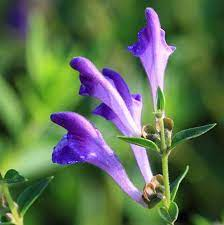
Baical Skullcap (Scutellaria baicalensis) is a perennial herb native to Eastern Asia, particularly China and Russia. It belongs to the mint family (Lamiaceae) and is known for its distinctive blue-purple flowers and the presence of bioactive compounds in its roots.
The name “baicalensis” refers to the region of Baikal in Siberia, where the plant is found. Baical Skullcap has a long history of use in traditional Chinese medicine, where its roots, known as Huang Qin, have been employed for their potential medicinal properties.
The primary active compounds in Baical Skullcap include flavonoids, particularly baicalin and wogonin. These compounds are believed to contribute to the plant’s various health benefits.
Baical Skullcap has been traditionally used to address conditions such as inflammation, respiratory infections, and liver disorders.
In traditional Chinese medicine, Baical Skullcap is often included in herbal formulations to support the respiratory system, clear heat, and soothe irritations.
It has also been explored for its potential antioxidant and neuroprotective properties, suggesting a role in promoting overall well-being.
In modern herbal medicine, Baical Skullcap supplements are available in various forms, including capsules, extracts, and teas. Some studies have investigated its potential anti-inflammatory effects, making it a subject of interest in research related to conditions such as allergies, autoimmune disorders, and inflammatory diseases.
It’s important to note that while Baical Skullcap shows promise in various areas of health, further research is needed to fully understand its mechanisms of action and establish standardized dosages for specific therapeutic purposes.
As with any herbal remedy, it’s advisable to consult with healthcare professionals before incorporating it into a health regimen, especially for individuals with pre-existing medical conditions or those taking medications.
In addition to its medicinal uses, Baical Skullcap is cultivated as an ornamental plant for its attractive flowers and foliage. Its adaptability to different soil types and climates makes it a suitable choice for gardens.
The Botanical Description of Baical Skullcap
1. Perennial Herb: Baical skullcap (Scutellaria baicalensis) is a perennial herb belonging to the Lamiaceae family. It is characterized by its low-growing nature and distinctive blue to purple flowers.
2. Stem and Leaves: The plant features a square-shaped stem, a common trait in the Lamiaceae family. The leaves are ovate to lanceolate, with serrated edges, and they emit a unique fragrance when crushed.
3. Flower Structure: The flowers of baical skullcap are two-lipped, with a prominent lower lip and a hood-like upper lip. The arrangement of the flowers along a central stem gives it a spiked appearance.
4. Root System: The root system of baical skullcap is well-developed, with a primary taproot and secondary lateral roots. The roots contain the majority of the plant’s active compounds.
5. Height and Spread: Typically growing to a height of 1 to 2 feet, baical skullcap has a spreading habit, forming dense clumps in favorable growing conditions.
6. Native Habitat: Native to East Asia, baical skullcap thrives in regions with well-drained soils and receives sunlight. It is often found in meadows, along riverbanks, and in forest clearings.
7. Growing Seasons: The plant exhibits growth during the spring and summer seasons, producing vibrant flowers that add aesthetic value to its surroundings.
8. Adaptability: Baical skullcap has shown adaptability to various soil types, including sandy and loamy soils. It is known for its resilience and ability to withstand periods of drought.
9. Aromatic Qualities: Crushed leaves and stems of baical skullcap emit a mild, pleasant fragrance, contributing to its appeal in gardens and natural landscapes.
The Geographic Distribution of Baical Skullcap
1. Native Range: Baical skullcap is native to China, Korea, Mongolia, and parts of Russia. It thrives in the temperate climates of these regions.
2. Cultivation Worldwide: Due to its medicinal properties, baical skullcap is cultivated in various parts of the world with suitable growing conditions. This includes regions with temperate climates and well-drained soils.
3. Naturalized Regions: The plant has naturalized in some areas outside its native range, particularly in Europe and North America. It can be found in gardens, herbal medicine plots, and even in the wild under favorable conditions.
4. Altitude Preferences: Baical skullcap can be found at varying altitudes, from lowland areas to mountainous regions. It adapts to different elevations, showcasing its versatility.
5. Environmental Factors: The plant favors environments with abundant sunlight but can tolerate partial shade. Well-drained soils contribute to its successful growth, and it is often spotted in meadows and open woodlands.
6. Global Recognition: Baical skullcap has gained recognition globally for its medicinal properties, leading to increased cultivation and awareness of its geographical distribution.
7. Cultivation Challenges: While adaptable, baical skullcap may face challenges in regions with extreme climates or poorly drained soils. Cultivation success is often linked to providing conditions similar to its native habitat.
8. Conservation Status: Conservation efforts may be in place to protect wild populations of baical skullcap, especially in regions where it is native. Sustainable harvesting practices are encouraged to maintain ecological balance.
The Chemical Composition of Baical Skullcap
1. Baicalin: Baical skullcap is rich in baicalin, a flavonoid with antioxidant properties. Baicalin is often cited for its potential anti-inflammatory and neuroprotective effects.
2. Wogonin: Another notable compound is wogonin, known for its anti-cancer properties. Research suggests that wogonin may inhibit the growth of certain cancer cells.
3. Oroxylin A: This flavone is recognized for its anti-inflammatory and antioxidant activities. Oroxylin A is believed to contribute to the plant’s medicinal benefits.
4. Scutellarin: Scutellarin is a glycoside found in baical skullcap and is associated with various health-promoting properties, including cardiovascular support.
5. Acacetin: Acacetin is a flavonoid that has demonstrated anti-inflammatory and anti-cancer effects in preclinical studies. It contributes to the plant’s overall pharmacological profile.
6. Essential Oils: Baical skullcap contains essential oils, including compounds such as β-pinene and limonene, which contribute to its aromatic qualities.
7. Flavonoids: In addition to baicalin, baical skullcap contains other flavonoids such as apigenin, luteolin, and quercetin, each with its own set of potential health benefits.
8. Triterpenoids: Some studies suggest the presence of triterpenoids in baical skullcap, adding to the diversity of bioactive compounds in the plant.
9. Polyphenols: The plant is a source of polyphenolic compounds, known for their antioxidant properties. Polyphenols contribute to the plant’s ability to combat oxidative stress.
10. Antimicrobial Compounds: Baical skullcap has demonstrated antimicrobial activity, which may be attributed to various compounds within its chemical composition.
11. Anti-allergic Components: Certain constituents in baical skullcap have shown anti-allergic effects, making it a subject of interest in allergic and inflammatory conditions.
12. Anti-diabetic Properties: Some compounds in baical skullcap may exhibit anti-diabetic effects, influencing glucose metabolism and insulin sensitivity.
Read Also: 17 Medicinal Health Benefits Of Guggul (Commiphora wightii)
The Medicinal Health Benefits Of Baical Skullcap (Scutellaria baicalensis)

1. Anti-Inflammatory Effects: Baical skullcap is renowned for its anti-inflammatory properties, attributed to compounds like baicalin and oroxylin A. These may help mitigate inflammatory conditions.
2. Antioxidant Support: The presence of flavonoids and polyphenols equips baical skullcap with antioxidant capabilities, assisting in neutralizing free radicals and reducing oxidative stress.
3. Neuroprotective Properties: Some compounds in baical skullcap, including wogonin, show promise in supporting neurological health and protecting against neurodegenerative conditions.
4. Anti-Cancer Potential: Preliminary studies suggest that baical skullcap may have anti-cancer properties, inhibiting the growth of certain cancer cells. However, more research is needed in this area.
5. Cardiovascular Health: Scutellarin, found in baical skullcap, has been linked to cardiovascular benefits, including potential blood pressure regulation and vascular health support.
6. Anti-Anxiety and Sedative Effects: Baical skullcap may exert calming effects on the nervous system, making it a subject of interest in addressing anxiety and promoting relaxation.
7. Antimicrobial Actions: The plant’s antimicrobial properties may contribute to its traditional use in addressing infections and supporting immune function.
8. Liver Health Support: Compounds like baicalin have been studied for their potential hepatoprotective effects, supporting liver health and function.
9. Respiratory Health: Baical skullcap has been explored for its potential in respiratory conditions, including anti-asthmatic and anti-allergic effects.
10. Anti-Diabetic Effects: Some components of baical skullcap may influence glucose metabolism and insulin sensitivity, offering potential benefits for individuals with diabetes.
11. Anti-Allergic Properties: Certain compounds in baical skullcap may help alleviate allergic reactions by modulating immune responses.
12. Anti-Aging Benefits: The antioxidant-rich profile of baical skullcap contributes to its potential anti-aging effects, protecting cells from oxidative damage.
13. Skin Health: Baical skullcap may promote skin health, with applications ranging from wound healing to addressing skin conditions due to its anti-inflammatory and antioxidant properties.
14. Anti-viral Actions: Some studies suggest that baical skullcap may exhibit anti-viral effects, making it a subject of interest in viral infections.
15. Gastrointestinal Support: Traditional uses include the plant’s role in promoting digestive health and addressing gastrointestinal discomfort.
16. Anti-arthritic Effects: Baical skullcap has shown potential in alleviating symptoms of arthritis, attributed to its anti-inflammatory properties.
17. Anti-HIV Activity: Some research indicates that baical skullcap may possess anti-HIV properties, showcasing its diverse pharmacological potential.
18. Cognitive Function: Compounds in baical skullcap may have cognitive-enhancing effects, influencing memory and overall cognitive function.
19. Anti-Mutagenic Properties: The plant has been studied for its potential in preventing genetic mutations, highlighting its role in DNA protection.
20. Anti-Hypertensive Effects: Certain constituents may contribute to the plant’s potential to regulate blood pressure, promoting cardiovascular well-being.
The Methods of Usage to Achieve the Provided Health Benefits Of Baical Skullcap (Scutellaria baicalensis)
1. Herbal Infusions and Teas: One of the common methods of using baical skullcap is through herbal infusions and teas. Dried leaves or root powder can be steeped in hot water to prepare a soothing beverage.
2. Tinctures and Extracts: Baical skullcap is available in tincture or extract forms, offering a concentrated and convenient way to incorporate its health benefits. These can be added to beverages or taken sublingually.
3. Capsules and Tablets: For those preferring a more straightforward approach, baical skullcap supplements in capsule or tablet form are available. This allows for precise dosage and easy integration into daily routines.
4. Topical Applications: Creams, ointments, or balms containing baical skullcap extracts can be applied topically to address skin conditions, wounds, or for anti-inflammatory effects.
5. Aromatherapy: Essential oils derived from baical skullcap may be used in aromatherapy. Inhalation of the aromatic compounds is believed to have calming and relaxation-inducing effects.
6. Culinary Uses: In some cultures, baical skullcap is used as a culinary herb. Leaves may be added to salads, soups, or other dishes to impart flavor and potentially offer health benefits.
7. Traditional Formulations: In traditional medicine systems, baical skullcap is often included in formulations designed to address specific health concerns. Consulting with traditional medicine practitioners may provide insights into custom preparations.
8. Combination with Other Herbs: Baical skullcap is sometimes combined with other herbs to enhance its therapeutic effects or address a broader range of health issues. Combinations are often based on traditional knowledge or contemporary herbal formulations.
9. Smoking Blends: In some herbal smoking blends, baical skullcap is included for its potential calming and relaxing effects. However, it’s important to note that smoking any substance may have health risks.
10. Dietary Supplementation: Baical skullcap supplements may be included as part of a balanced dietary supplementation routine. This is particularly relevant for individuals aiming to harness its specific health-promoting properties.
The Side Effects Of Using Baical Skullcap Medicinal Plant
1. Interaction with Medications: Baical skullcap may interact with certain medications, including sedatives, anticoagulants, and medications metabolized by the liver. It’s advisable to consult with a healthcare professional before using it alongside medications.
2. Allergic Reactions: Some individuals may experience allergic reactions to baical skullcap. This can manifest as skin rashes, itching, or respiratory discomfort. Discontinue use if allergic symptoms occur.
3. Hormonal Effects: Baical skullcap may exert hormonal effects, and individuals with hormone-sensitive conditions should exercise caution. Consultation with a healthcare provider is recommended.
4. Pregnancy and Breastfeeding: Limited information is available on the safety of baical skullcap during pregnancy and breastfeeding. It’s advisable for pregnant or breastfeeding individuals to avoid its use unless under professional guidance.
5. Liver Health: Due to its potential impact on the liver, individuals with liver conditions or those taking medications affecting the liver should use baical skullcap with caution and under supervision.
6. Sedative Effects: Baical skullcap may induce sedative effects, and excessive consumption or use alongside other sedatives may lead to drowsiness. Avoid activities requiring alertness if experiencing sedation.
7. Gastrointestinal Discomfort: In some cases, baical skullcap may cause mild gastrointestinal discomfort, including nausea or stomach upset. Adjusting the dosage or discontinuing use may alleviate these symptoms.
8. Not for Prolonged Use: Prolonged and excessive use of baical skullcap may not be advisable. It’s recommended to use it for defined periods and under the guidance of a healthcare professional.
9. Quality of Products: The quality of baical skullcap products can vary. Choosing reputable suppliers and ensuring product quality is crucial to experiencing its intended benefits.
10. Children and Infants: The safety of baical skullcap in children and infants is not well-established. It’s advisable to avoid its use in this population unless directed by a healthcare professional.
11. Dizziness or Lightheadedness: Some individuals may experience dizziness or lightheadedness, especially when using baical skullcap in larger quantities. Adjusting the dosage or avoiding activities that require mental alertness is recommended.
12. Not a Substitute for Professional Advice: Baical skullcap should not be considered a substitute for professional medical advice, diagnosis, or treatment. Individuals with specific health concerns should seek guidance from qualified healthcare practitioners.
13. Quality Control: The lack of standardized regulations in herbal products necessitates attention to quality control. Ensure that baical skullcap products are sourced from reputable manufacturers with transparent practices.
14. Potential for Drug Interactions: Individuals taking medications for specific health conditions should be aware of potential drug interactions with baical skullcap. Consultation with a healthcare provider is essential.
15. Individual Variability: Responses to baical skullcap can vary among individuals. It’s advisable to start with a lower dose and monitor individual reactions before considering higher amounts.
16. Potential for Photosensitivity: Some individuals may experience photosensitivity when using baical skullcap. Taking precautions such as using sunscreen is recommended, especially if spending extended periods in the sun.
17. Caution in Specific Populations: Individuals with certain medical conditions, such as those affecting the cardiovascular system or central nervous system, should exercise caution and seek professional advice before using baical skullcap.
18. Mental Health Conditions: Individuals with mental health conditions should use baical skullcap with caution, as its sedative effects may interact with medications or exacerbate certain mental health symptoms. Consultation with a mental health professional is advised.
19. Not Evaluated for Children: Baical skullcap has not been extensively evaluated for its safety in children, and caution should be exercised when considering its use in pediatric populations.
20. Potential for Hypotension: Baical skullcap may have mild hypotensive effects. Individuals with low blood pressure or those taking medications that lower blood pressure should monitor their blood pressure regularly.
21. Respiratory Effects: In some cases, individuals sensitive to certain herbs may experience respiratory discomfort when using baical skullcap. Discontinue use if respiratory symptoms occur.
22. Regulatory Considerations: Depending on the region, there may be variations in the regulation of herbal products. It’s essential to be aware of regulatory standards and guidelines when purchasing and using baical skullcap.
23. Adulteration Concerns: Due to the popularity of baical skullcap, there is a risk of adulteration or mislabeling in herbal products. Choosing reputable suppliers and ensuring product authenticity is crucial.
24. Potential for Gastrointestinal Irritation: Excessive consumption of baical skullcap may lead to gastrointestinal irritation in some individuals. Adhering to recommended dosages is advisable to minimize the risk of irritation.
25. Long-Term Effects: Long-term effects of continuous, high-dose use of baical skullcap are not well-documented. It’s recommended to use this herb judiciously and with an awareness of individual tolerance.
26. Not a Substitute for Balanced Lifestyle: While baical skullcap may offer health benefits, it should not replace a balanced lifestyle that includes proper nutrition, regular exercise, and other health-promoting practices.
Read Also: How to Grow and Care for Lemons
The Scientific Research and Studies of Baical Skullcap

1. Anti-Inflammatory Research: Numerous studies have explored the anti-inflammatory properties of baical skullcap, focusing on compounds like baicalin and oroxylin A. These compounds may modulate inflammatory pathways.
2. Neuroprotective Potential: Research on wogonin, a compound found in baical skullcap, suggests neuroprotective potential. Studies have investigated its impact on neurodegenerative conditions and neuronal health.
3. Anticancer Studies: While in the early stages, some studies have investigated the anticancer properties of baical skullcap. These studies often involve in vitro and animal models, highlighting potential avenues for further research.
4. Cardiovascular Health Research: Investigations into scutellarin, a component of baical skullcap, have explored its effects on cardiovascular health, including potential benefits for blood pressure regulation.
5. Antimicrobial and Antiviral Activities: Baical skullcap has been studied for its antimicrobial and antiviral activities. These properties may contribute to its traditional use in addressing infections.
6. Hepatoprotective Effects: Research on baical skullcap’s hepatoprotective effects, particularly associated with baicalin, has explored its potential in supporting liver health and addressing liver conditions.
7. Anti-Anxiety and Sedative Effects: Studies on the sedative and anxiolytic effects of baical skullcap have investigated its impact on the central nervous system, shedding light on its potential as a natural calming agent.
8. Respiratory Health Investigations: Some research has delved into baical skullcap’s potential in respiratory health, including its anti-asthmatic and anti-allergic effects. These studies provide insights into its traditional uses for respiratory conditions.
9. Anti-Diabetic Properties: Investigations into the anti-diabetic effects of baical skullcap have explored its influence on glucose metabolism and insulin sensitivity, suggesting potential benefits for individuals with diabetes.
10. Antioxidant Capacity: Baical skullcap’s antioxidant capacity, attributed to its flavonoid content, has been studied for its role in combating oxidative stress and protecting cells from free radical damage.
11. Cognitive Function Studies: Compounds in baical skullcap have been subject to studies examining their effects on cognitive function. These investigations contribute to the understanding of its potential cognitive-enhancing properties.
12. Anti-Arthritic Effects: Research has explored baical skullcap’s potential in alleviating symptoms of arthritis, focusing on its anti-inflammatory properties and impact on joint health.
13. Anti-HIV Activity: Some studies have investigated baical skullcap’s potential anti-HIV activity, exploring its role in inhibiting viral replication.
14. Skin Health Research: Baical skullcap’s application in promoting skin health has been studied, with investigations into its wound-healing properties and potential benefits for various skin conditions.
15. Anti-Mutagenic Properties: Research on baical skullcap’s anti-mutagenic properties has examined its potential in preventing genetic mutations, contributing to its role in DNA protection.
16. Gastrointestinal Support Investigations: Some studies have explored baical skullcap’s traditional use in promoting gastrointestinal health, shedding light on its potential benefits for digestive well-being.
17. Anti-Hypertensive Effects: Investigations into baical skullcap’s impact on blood pressure regulation have been conducted, offering insights into its potential anti-hypertensive effects.
18. Antidepressant-like Effects: Preliminary studies have suggested that baical skullcap may exhibit antidepressant-like effects, indicating its possible role in supporting mental health and mood regulation.
19. Anti-viral Properties: Baical skullcap has been studied for its anti-viral properties, showcasing potential applications in addressing viral infections. Research has focused on its impact on specific viruses and viral replication.
20. Anti-Aging Potential: Investigations into baical skullcap’s antioxidant-rich profile have explored its potential anti-aging effects. These studies contribute to understanding its role in protecting cells from age-related oxidative damage.
21. Anti-Inflammatory Mechanisms: Scientific research has delved into the molecular mechanisms underlying baical skullcap’s anti-inflammatory effects, providing valuable insights into its mode of action at the cellular level.
22. Antioxidant Enzyme Modulation: Studies have explored how baical skullcap may modulate antioxidant enzymes within the body, contributing to its overall antioxidant capacity and cellular protection.
23. Anti-Cancer Pathways: Research on baical skullcap’s potential in cancer prevention and treatment has investigated specific pathways and signaling mechanisms affected by its bioactive compounds.
24. Blood-Brain Barrier Penetration: Some studies have examined the ability of compounds in baical skullcap to cross the blood-brain barrier, highlighting their potential impact on neurological health.
25. Immune System Modulation: Investigations into baical skullcap’s effects on the immune system have explored its ability to modulate immune responses, offering potential applications in immune-related conditions.
26. Anti-Allergic Actions: Research has focused on baical skullcap’s anti-allergic effects, providing insights into its use in managing allergic reactions and conditions characterized by immune hypersensitivity.
27. Anti-Asthmatic Properties: Studies on baical skullcap’s anti-asthmatic properties have explored its potential in mitigating symptoms associated with asthma, contributing to its traditional uses in respiratory health.
28. Anti-Inflammatory Cytokine Regulation: Scientific investigations have examined how baical skullcap may regulate inflammatory cytokines, providing a deeper understanding of its role in modulating inflammatory responses.
29. Antioxidant Defense System Enhancement: Research has explored how baical skullcap may enhance the body’s antioxidant defense systems, potentially offering comprehensive cellular protection against oxidative stress.
30. Anxiety and Sleep Quality Studies: Some studies have investigated baical skullcap’s impact on anxiety and sleep quality, providing insights into its potential role as a natural remedy for stress-related conditions.
The Safety Precautions and Recommendations In Using Baical Skullcap (Scutellaria baicalensis)
1. Consultation with Healthcare Professionals: Before incorporating baical skullcap into your health routine, especially if you have underlying health conditions or are taking medications, consult with a healthcare professional for personalized advice.
2. Dosage Considerations: Adhere to recommended dosages as per product instructions or healthcare provider recommendations. Avoid excessive use, and be cautious with high concentrations of baical skullcap extracts.
3. Quality Assurance: Choose baical skullcap products from reputable suppliers and manufacturers who adhere to quality control standards. This reduces the risk of contamination or adulteration.
4. Allergy Testing: Perform a patch test or allergy test before using baical skullcap topically, especially in the case of essential oils or herbal formulations applied to the skin.
5. Pregnancy and Breastfeeding: Pregnant and breastfeeding individuals should exercise caution and seek professional advice before using baical skullcap due to limited safety information in these populations.
6. Monitoring for Side Effects: Monitor for any adverse reactions or side effects while using baical skullcap. Discontinue use and seek medical attention if you experience any unexpected symptoms.
7. Interaction with Medications: Be aware of potential interactions with medications, particularly those affecting the liver, central nervous system, or blood clotting. Inform your healthcare provider about your use of baical skullcap.
8. Children and Infants: The safety of baical skullcap in children and infants is not well-established. Avoid its use in this population unless under the guidance of a qualified healthcare professional.
9. Driving and Operating Machinery: Due to potential sedative effects, exercise caution when driving or operating machinery, especially if using baical skullcap in higher doses or in combination with other sedative substances.
10. Duration of Use: Avoid prolonged and continuous use of baical skullcap without breaks. Periodic breaks can help assess individual tolerance and prevent potential long-term effects.
11. Individual Sensitivity: Individuals may vary in their sensitivity to baical skullcap. Start with lower doses and observe individual responses before considering higher amounts.
12. Integrative Approach: Consider baical skullcap as part of an integrative approach to health, including a balanced diet, regular exercise, and other lifestyle factors. It should not be a sole remedy for complex health issues.
13. Reporting Adverse Reactions: Report any adverse reactions or unexpected side effects to healthcare professionals, regulatory authorities, or product manufacturers. This contributes to ongoing safety monitoring.
14. Herbal Formulations: If using traditional herbal formulations containing baical skullcap, seek guidance from traditional medicine practitioners who are knowledgeable about the specific formulation and its intended effects.
15. Storage Conditions: Store baical skullcap products according to recommended conditions, avoiding exposure to excessive heat, moisture, or light. Proper storage ensures the stability of its active compounds.
16. Awareness of Individual Health Status: Individuals with pre-existing health conditions, such as liver disorders, should be particularly aware of potential interactions and consult healthcare providers before using baical skullcap.
17. Gradual Introduction: Introduce baical skullcap gradually into your health routine, especially if you are new to herbal supplements. This allows your body to adjust, and you can observe any potential effects.
18. Reputable Information Sources: Rely on reputable sources of information for guidance on baical skullcap, such as scientific literature, healthcare professionals, and well-established herbal medicine references.
19. Sun Protection: If using baical skullcap products that may increase photosensitivity, take appropriate sun protection measures, including sunscreen and protective clothing, when exposed to sunlight.
20. Holistic Approach to Health: Understand that baical skullcap is one element in a holistic approach to health. Consider lifestyle factors, stress management, and overall well-being for comprehensive health support.
FAQs About Baical Skullcap (Scutellaria baicalensis)
1. Is Baical Skullcap Safe for Long-Term Use?
The safety of long-term baical skullcap use is not well-documented. It is advisable to use it periodically with breaks to assess individual tolerance. Consult with healthcare professionals for personalized guidance.
2. Can Baical Skullcap Interact With Medications?
Baical skullcap may interact with certain medications, including sedatives and drugs metabolized by the liver. Consult with healthcare providers to ensure safe co-administration with medications.
3. How Should Baical Skullcap be Prepared for Tea?
To prepare baical skullcap tea, use dried leaves or root powder. Steep 1–2 teaspoons of the herb in hot water for 10–15 minutes. Strain and enjoy. Adjust the quantity based on individual preferences.
4. What Are the Common Side Effects of Baical Skullcap?
Common side effects may include mild gastrointestinal discomfort or sedation. However, individual responses vary. Discontinue use if unexpected side effects occur and seek medical advice.
5. Can Baical Skullcap Be Used Topically?
Yes, baical skullcap can be used topically. Essential oils or extracts may be applied to the skin for wound healing or anti-inflammatory effects. Perform a patch test to check for skin sensitivity.
6. Is Baical Skullcap Safe During Pregnancy?
Limited safety information is available regarding baical skullcap during pregnancy. Pregnant individuals should consult healthcare professionals before using it.
7. Can Baical Skullcap Help with Anxiety?
Baical skullcap has been studied for its potential anxiolytic effects. However, individual responses vary. Consult with healthcare providers for personalized advice on managing anxiety.
8. Does Baical Skullcap Have Sedative Effects?
Baical skullcap may have mild sedative effects, especially in higher doses. Exercise caution, especially if driving or operating machinery, and avoid combining it with other sedative substances.
9. Can Baical Skullcap Be Used in Children?
The safety of baical skullcap in children is not well-established. It is advisable to avoid its use in children unless under the guidance of qualified healthcare professionals.
10. How Does Baical Skullcap Impact Liver Health?
Some studies suggest hepatoprotective effects of baical skullcap, particularly associated with the compound baicalin. Individuals with liver conditions should use it with caution and under supervision.
11. Is Baical Skullcap Legal and Regulated?
The legal status and regulation of baical skullcap may vary by region. It’s essential to be aware of regional guidelines and standards for herbal products.
12. Can Baical Skullcap Be Used with Other Herbs?
Baical skullcap can be used in combination with other herbs for synergistic effects. Consult with herbalists or healthcare professionals for guidance on appropriate combinations.
13. Is Baical Skullcap Suitable for Respiratory Conditions?
Baical skullcap has been traditionally used for respiratory conditions. Scientific studies support its potential anti-asthmatic and anti-allergic effects, but individual responses may vary.
14. Does Baical Skullcap Interact With Blood Pressure Medications?
Baical skullcap may have mild hypotensive effects. Individuals taking blood pressure medications should monitor their blood pressure and consult healthcare providers for personalized advice.
15. Can Baical Skullcap Be Used for Skin Conditions?
Baical skullcap may be beneficial for skin health due to its anti-inflammatory and antioxidant properties. Topical applications, such as creams or ointments, may be used for various skin conditions.
16. How Does Baical Skullcap Affect Cognitive Function?
Compounds in baical skullcap have been studied for their potential cognitive-enhancing effects. Research suggests a role in influencing memory and overall cognitive function.
17. What Precautions Should Be Taken Before Using Baical Skullcap?
Precautions include consulting healthcare professionals, monitoring for side effects, being aware of potential interactions, and using reputable products from trusted suppliers. Individual factors such as pregnancy, liver conditions, and medication use should be considered.
18. Can Baical Skullcap Be Used as a Substitute for Antidepressant Medications?
Baical skullcap should not be considered a substitute for prescribed antidepressant medications. Individuals with depression or related conditions should consult healthcare providers for appropriate treatment plans.
19. How Does Baical Skullcap Impact Sleep?
Baical skullcap may have calming effects on the nervous system, potentially influencing sleep quality. Individual responses vary, and it’s advisable to start with lower doses.
20. Is Baical Skullcap Legal and Safe for Use?
The legal status and safety of baical skullcap may vary by region. It is generally considered safe when used appropriately, but adherence to regional regulations and guidelines is crucial for consumer safety.
Do you have any questions, suggestions, or contributions? If so, please feel free to use the comment box below to share your thoughts. We also encourage you to kindly share this information with others who might benefit from it. Since we can’t reach everyone at once, we truly appreciate your help in spreading the word. Thank you very much for your support and for sharing!
Disclaimer: This article is for educational and informational purposes only. The health benefits described are based on scientific research and traditional knowledge. They ayre not a substitute for professional medical advice, diagnosis, or treatment. Always consult a healthcare professional before using any herb or natural remedy for medical purposes.
Read Also: Interesting Facts About Freesia