


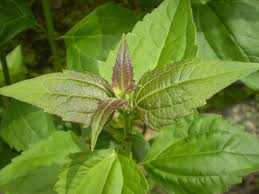
Chromolaena odorata, or Siam weed, is an invasive plant in the Asteraceae family, native to the Americas. It has become a noxious weed globally due to its aggressive growth and adaptability.
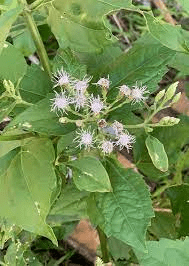
The plant reaches 1 to 3 meters with opposite serrated leaves and clusters of small, lavender flowers. It displaces native vegetation, altering ecosystems and reducing biodiversity.
Chromolaena odorata is allelopathic, releasing chemicals inhibiting neighboring plant growth. Some report traditional medicinal uses, though these need further investigation.
Control methods involve mechanical, chemical, and biological approaches, but challenges persist in mitigating its impact.
The Botanical Description of Chromolaena odorata
1. Growth Habit: Chromolaena odorata exhibits a robust growth habit with erect stems that are often woody at the base. The plant’s growth form contributes to its ability to colonize open areas and disturbed ecosystems.
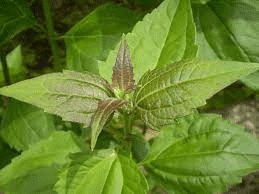
2. Leaves: The leaves of Chromolaena odorata are arranged in an opposite fashion along the stems. They are ovate to lanceolate, measuring 5 to 15 centimeters in length. The leaf margins are serrated, adding to the plant’s distinctive appearance.
3. Flowers: The plant produces small, tubular flowers that are arranged in dense clusters at the tips of the branches. The flowers are typically lavender to purple in color and contribute to the aesthetic appeal of Chromolaena odorata.
4. Seeds: Chromolaena odorata produces numerous seeds, each accompanied by a pappus—a structure resembling a parachute. This adaptation allows the seeds to be easily dispersed by the wind, promoting the plant’s colonization of new areas.
5. Stem Structure: The stems of Chromolaena odorata are sturdy and can become woody at the base with maturity. The erect stems contribute to the plant’s ability to compete with other vegetation and thrive in various environments.
6. Aromatic Qualities: Chromolaena odorata is known for its aromatic qualities. The plant emits a characteristic odor, particularly when the leaves are crushed. This aromatic feature can aid in its identification in the field.
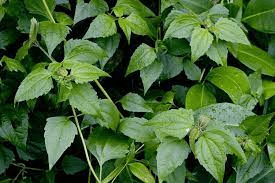
7. Foliage Density: The foliage of Chromolaena odorata can form dense thickets, especially in areas where the plant has become invasive. The high foliage density contributes to its ability to outcompete native vegetation.
8. Root System: The plant has a well-developed root system that helps anchor it in the soil. The root system, combined with prolific seed production, contributes to the plant’s ability to establish and spread rapidly.
9. Seasonal Changes: Chromolaena odorata may exhibit seasonal changes in response to environmental conditions. In some regions, the plant may be deciduous during certain times of the year, shedding its leaves under specific circumstances.
10. Ecological Interactions: Chromolaena odorata is known for its allelopathic interactions, where it releases chemicals that inhibit the growth of neighboring plants. This ecological trait can influence plant communities in the areas where Chromolaena odorata is present.
11. Adaptability: Chromolaena odorata is highly adaptable to various environmental conditions. It thrives in open fields, disturbed areas, and along roadsides. Its adaptability contributes to its success as an invasive species in certain regions.
12. Recognition Features: The combination of opposite leaves, serrated margins, tubular flowers in clusters, and a distinctive odor when crushed makes Chromolaena odorata easily recognizable in the field.
The Geographic Distribution of Chromolaena odorata
1. Native Range: Chromolaena odorata is native to the Americas, including regions of Central and South America. It evolved in these native ecosystems, where it likely had ecological interactions with local flora and fauna.
2. Invasive Spread: The plant’s ability to spread beyond its native range is notable. Chromolaena odorata has become invasive in regions outside the Americas, posing ecological challenges due to its aggressive growth and allelopathic effects.
3. Africa: In Africa, Chromolaena odorata has established itself in various countries, impacting natural ecosystems. The plant’s invasive nature in Africa has raised concerns among conservationists and land managers.
4. Asia: The plant has invaded parts of Asia, where it competes with native vegetation for resources. Its presence in Asia has been documented in countries such as India, China, and Southeast Asian nations.
5. Australia: Chromolaena odorata has found suitable habitats in Australia, where it has become invasive in certain regions. The plant’s spread in Australia has raised concerns about its impact on local biodiversity.
6. Pacific Islands: The invasive nature of Chromolaena odorata extends to the Pacific Islands. It has been reported in countries across the Pacific, contributing to changes in local ecosystems.
7. Human-Mediated Spread: Human activities, including the movement of contaminated soil, agricultural practices, and unintentional dispersal of seeds, have played a significant role in the global spread of Chromolaena odorata.
8. Disturbed Habitats: Chromolaena odorata exhibits a preference for disturbed habitats, including areas affected by human activities such as deforestation, agriculture, and urban development.
9. Altitudinal Range: The plant can thrive across a range of altitudes, from lowlands to higher elevations. This adaptability contributes to its ability to colonize diverse landscapes.
10. Impact on Ecosystems: The invasion of Chromolaena odorata can have profound impacts on ecosystems. It can alter soil composition, affect water availability, and displace native plant species, leading to changes in biodiversity.
The Chemical Composition of Chromolaena odorata
1. Essential Oils: Chromolaena odorata contains essential oils with varying chemical constituents. These oils contribute to the plant’s aromatic qualities and may have antimicrobial properties.
2. Flavonoids: Flavonoids are secondary metabolites found in Chromolaena odorata that possess antioxidant properties. These compounds may play a role in the plant’s defense mechanisms.
3. Alkaloids: The presence of alkaloids in Chromolaena odorata contributes to its pharmacological activities. Alkaloids are known for their diverse biological effects and may have implications for medicinal use.
4. Tannins: Tannins are polyphenolic compounds found in Chromolaena odorata. They have astringent properties and may influence the plant’s interactions with herbivores and other plants.
5. Steroids: Steroids are among the chemical compounds identified in Chromolaena odorata. These compounds can have diverse physiological effects and may contribute to the plant’s adaptation to environmental stress.
6. Phenolic Compounds: Phenolic compounds, including various phenolic acids, are present in Chromolaena odorata. These compounds have antioxidant properties and may influence the plant’s ecological interactions.
7. Allelopathic Compounds: Chromolaena odorata produces allelopathic compounds, such as sesquiterpene lactones, that inhibit the germination and growth of neighboring plants. These compounds contribute to the plant’s success as an invasive species.
8. Variation in Chemical Composition: The chemical composition of Chromolaena odorata can vary based on factors such as environmental conditions, geographical location, and plant age. This variability may influence the plant’s effectiveness in different applications.
9. Bioactivity: Many of the chemical compounds identified in Chromolaena odorata exhibit bioactivity. This bioactivity is the basis for the plant’s traditional medicinal uses and its impact on surrounding vegetation.
10. Potential for Pharmacological Applications: The diverse chemical composition of Chromolaena odorata has attracted attention in pharmacological research. The plant’s compounds show potential for various applications, including antimicrobial, anti-inflammatory, and antioxidant activities.
11. Environmental Significance: The allelopathic compounds produced by Chromolaena odorata have ecological significance. They can affect plant community dynamics and contribute to the plant’s invasive behavior.
12. Interactions with Microorganisms: Some of the chemical constituents in Chromolaena odorata may influence interactions with microorganisms in the soil. These interactions could have implications for nutrient cycling and soil health.
Read Also: 10 Medicinal Health Benefits Of Yarrow (Achillea millefolium)
The Medicinal Health Benefits Of Chromolaena odorata (Siam weed)
1. Anti-Inflammatory Properties: Chromolaena odorata exhibits anti-inflammatory properties that may be beneficial for conditions involving inflammation. Compounds in the plant may modulate inflammatory pathways, offering relief.
2. Antimicrobial Activity: The plant has demonstrated antimicrobial activity against certain pathogens. Chromolaena odorata extracts or preparations may be used for their potential antibacterial and antifungal effects.
3. Respiratory Health: Traditional uses of Chromolaena odorata include remedies for respiratory conditions. The plant’s properties may help alleviate symptoms associated with respiratory issues, such as coughs and congestion.
4. Wound Healing: Chromolaena odorata has been applied topically to wounds for its potential wound-healing properties. The plant’s antimicrobial and anti-inflammatory effects may contribute to the healing process.
5. Skin Ailments: Traditional medicine incorporates Chromolaena odorata for the treatment of various skin ailments. The plant’s properties may be useful in managing conditions like rashes, eczema, or dermatitis.
6. Digestive Health: Chromolaena odorata has historical use in addressing digestive issues. Herbal infusions or decoctions may be employed to support digestive health and alleviate common gastrointestinal discomfort.
7. Immunomodulatory Effects: Ongoing research suggests that Chromolaena odorata may have immunomodulatory effects, influencing the body’s immune response. This potential could have implications for autoimmune conditions and overall immune system health.
8. Antioxidant Properties: The presence of antioxidant compounds in Chromolaena odorata contributes to its potential to combat oxidative stress. Antioxidants play a role in protecting cells from damage caused by free radicals.
9. Traditional Practices: Traditional healers in various regions have utilized Chromolaena odorata for generations. The plant’s effectiveness in traditional practices underscores its cultural and medicinal significance.
10. Chronic Disease Management: Current investigations explore the potential of Chromolaena odorata in managing chronic diseases such as diabetes and hypertension. Preliminary studies suggest positive effects, but more research is needed.
11. Anti-Cancer Properties: Some studies suggest that Chromolaena odorata may exhibit anti-cancer properties, inhibiting the growth of certain cancer cells. However, further research is crucial to understanding its potential in cancer treatment.
12. Anti-Diabetic Effects: Research indicates that Chromolaena odorata may have anti-diabetic effects by influencing blood sugar levels. This finding opens avenues for exploring the plant’s role in diabetes management.
13. Cardiovascular Health: Compounds in Chromolaena odorata may have cardiovascular benefits, including potential effects on blood pressure and lipid profiles. These aspects contribute to the plant’s multifaceted medicinal properties.
14. Antiviral Potential: Preliminary studies suggest antiviral activity of Chromolaena odorata against certain viruses. The plant’s extracts may have inhibitory effects on viral replication, showcasing its potential as an antiviral agent. However, more extensive research is essential to validate these findings.
15. Anti-Asthmatic Properties: Traditional uses of Chromolaena odorata include addressing respiratory issues such as asthma. The plant’s anti-inflammatory and bronchodilator effects may offer relief to individuals with asthma symptoms.
16. Antifungal Benefits: Chromolaena odorata has demonstrated antifungal properties against certain fungi. This aspect may be relevant in treating fungal skin infections or as a preventive measure against fungal growth.
17. Analgesic Effects: Some traditional applications involve using Chromolaena odorata for pain relief. The plant’s analgesic effects may be attributed to its anti-inflammatory properties, providing relief from various types of pain.
18. Gastrointestinal Relief: Traditional medicine utilizes Chromolaena odorata for gastrointestinal issues, including stomachaches and indigestion. The plant’s soothing properties may contribute to gastrointestinal relief.
19. Anti-allergic Potential: Research suggests that Chromolaena odorata may have anti-allergic effects. This could be particularly relevant for individuals dealing with allergic reactions or hypersensitivity.
20. Traditional Formulations: Different cultures have developed specific formulations using Chromolaena odorata to address diverse health concerns. These formulations often combine the plant with other complementary herbs for enhanced therapeutic effects.
The Methods of Usage to Achieve the Provided Health Benefits Of Chromolaena odorata (Siam weed)
1. Herbal Infusions: Prepare herbal infusions by steeping Chromolaena odorata leaves in hot water. This method is commonly used for addressing digestive issues, promoting respiratory health, or enjoying the plant’s antioxidant benefits.
2. Decoctions: Decoctions involve boiling Chromolaena odorata plant parts, such as leaves or stems, to extract therapeutic compounds. This method is employed for addressing various health issues, including wound healing and respiratory conditions.
3. Topical Applications: Create topical formulations using Chromolaena odorata extracts or oils for skin-related ailments and wound healing. These applications take advantage of the plant’s antimicrobial and anti-inflammatory properties.
4. Steam Inhalation: Inhaling steam from boiled Chromolaena odorata leaves is a traditional method for respiratory health. This approach can help alleviate congestion, coughs, and other respiratory symptoms.
5. Essential Oil Usage: Extract essential oils from Chromolaena odorata to harness its aromatic and therapeutic properties. These oils may be used in aromatherapy, topical applications, or as part of formulations for respiratory support.
6. Traditional Formulations: Traditional healers often combine Chromolaena odorata with other herbs to create specific formulations. These formulations may vary based on the intended health benefits and the cultural practices of the region.
7. Poultices: Apply poultices made from crushed Chromolaena odorata leaves to wounds or inflamed areas. The poultice allows direct contact with the plant’s healing properties.
8. Tinctures: Create tinctures using Chromolaena odorata for convenient and concentrated usage. Tinctures are alcohol-based extracts that preserve the plant’s bioactive compounds for various applications.
9. Capsules or Tablets: Modern applications may involve encapsulating Chromolaena odorata extracts into capsules or tablets. This method offers a convenient way to consume standardized doses for specific health benefits.
10. Syrups or Elixirs: Develop syrups or elixirs using Chromolaena odorata for a palatable way to administer the plant’s benefits. This method is suitable for addressing respiratory issues or providing antioxidant support.
The Side Effects Of Using Chromolaena odorata Medicinal Plant
1. Allergic Reactions: Some individuals may experience allergic reactions to Chromolaena odorata, especially if they are sensitive to plants in the Asteraceae family. Allergic responses may include skin rashes, itching, or respiratory symptoms.
2. Skin Irritation: Topical applications of Chromolaena odorata extracts may cause skin irritation in sensitive individuals. Conducting a patch test before extensive use can help identify potential skin reactions.
3. Gastrointestinal Discomfort: Excessive consumption of Chromolaena odorata preparations may lead to gastrointestinal discomfort, including stomachaches or nausea. Adhering to recommended dosages is crucial to avoid such side effects.
4. Interactions with Medications: Individuals taking medications should exercise caution when using Chromolaena odorata, as potential interactions may occur. Consultation with healthcare professionals helps prevent adverse reactions with pharmaceutical drugs.
5. Pregnancy and Breastfeeding: Pregnant and breastfeeding women should avoid using Chromolaena odorata medicinally without consulting healthcare providers. Limited information is available on its safety during these periods.
6. Photosensitivity: Some individuals may experience increased sensitivity to sunlight after using Chromolaena odorata topically. It is advisable to avoid prolonged sun exposure after applying topical formulations.
7. Not Recommended for Children: Due to the lack of sufficient safety data, Chromolaena odorata is generally not recommended for use in children. The potential risks and benefits should be carefully considered.
8. Cross-Reactivity: Individuals with known allergies to plants in the Asteraceae family, such as ragweed or marigolds, may experience cross-reactivity with Chromolaena odorata. Allergy testing can help assess cross-reactive sensitivities.
9. Liver Health: Individuals with existing liver conditions or diseases should exercise caution, as some herbal remedies, including Chromolaena odorata, may affect liver function. Professional guidance is advisable in such cases.
10. Avoiding Overuse: To prevent side effects, it is essential to adhere to recommended dosages and usage guidelines. Overusing Chromolaena odorata preparations may not necessarily enhance therapeutic benefits and could increase the risk of adverse reactions.
11. Hemorrhagic Disease Risk: Some studies suggest that Chromolaena odorata may have antiplatelet activity, which could potentially increase the risk of bleeding or hemorrhagic diseases. Individuals with bleeding disorders or those on anticoagulant medications should consult healthcare professionals before using the plant medicinally.
12. Respiratory Sensitivity: Individuals with respiratory conditions or sensitivities should be cautious when using Chromolaena odorata for respiratory benefits. Monitoring for any adverse respiratory reactions is advisable.
13. Gastrointestinal Disorders: Chromolaena odorata’s traditional use for digestive issues should be approached with caution in individuals with pre-existing gastrointestinal disorders. Professional guidance ensures comprehensive care and minimizes potential complications.
Read Also: 17 Medicinal Health Benefits Of Guggul (Commiphora wightii)
The Scientific Research and Studies of Chromolaena odorata
1. Antimicrobial Studies: Numerous studies have investigated the antimicrobial properties of Chromolaena odorata. Research suggests that extracts from the plant may inhibit the growth of various bacteria and fungi, showcasing its potential in combating infections.
2. Anti-Inflammatory Properties: Chromolaena odorata has been studied for its anti-inflammatory effects. Compounds in the plant may modulate inflammatory pathways, providing a basis for its traditional use in addressing inflammatory conditions.
3. Wound Healing Research: Scientific investigations have explored the wound-healing properties of Chromolaena odorata. The plant’s antimicrobial and anti-inflammatory actions may contribute to its effectiveness in supporting the healing process.
4. Respiratory Health: Studies on the traditional use of Chromolaena odorata for respiratory conditions have provided insights into its potential benefits. Inhalation of steam from the plant’s leaves may have bronchodilator effects, offering relief for respiratory symptoms.
5. Chronic Disease Management: Ongoing research focuses on the potential of Chromolaena odorata in managing chronic diseases. Preliminary studies suggest positive effects on conditions such as diabetes and hypertension, but further research is needed for conclusive evidence.
6. Ecological Impact Studies: As an invasive species, Chromolaena odorata has been the subject of ecological impact studies. Research explores its allelopathic interactions, competitive advantages, and effects on native plant communities.
7. Allelopathic Compounds: The allelopathic compounds produced by Chromolaena odorata have been isolated and studied for their inhibitory effects on nearby plants. Understanding these compounds provides insights into the plant’s success as an invader.
8. Conservation Concerns: Scientific research also addresses conservation concerns related to Chromolaena odorata. Its invasive nature and potential to alter ecosystems raise questions about management strategies and mitigating its impact on biodiversity.
The Safety Precautions and Recommendations In Using Chromolaena odorata Medicinal Plant
1. Dosage Guidelines: Follow recommended dosage guidelines when using Chromolaena odorata medicinally. Excessive consumption may lead to adverse effects, and higher doses do not necessarily equate to enhanced therapeutic benefits.
2. Consultation with Healthcare Professionals: Individuals with pre-existing medical conditions, pregnant or breastfeeding women, and those taking medications should consult healthcare professionals before incorporating Chromolaena odorata into their health regimen. Professional guidance ensures personalized care and minimizes potential risks.
3. Ethical Harvesting Practices: When harvesting Chromolaena odorata from natural habitats, practice ethical harvesting to ensure sustainability. Avoid overharvesting, and consider cultivating the plant responsibly to reduce pressure on wild populations.
4. Sustainable Sourcing: Choose products sourced from reputable suppliers committed to sustainable harvesting and cultivation practices. Sustainable sourcing contributes to the conservation of Chromolaena odorata and its natural habitats.
5. Allergy Testing: Conduct allergy tests, especially for individuals with known sensitivities to plants in the Asteraceae family. Testing helps identify potential allergic reactions and allows for informed decision-making.
6. Monitoring for Adverse Reactions: Monitor for any adverse reactions, and discontinue use if unexpected symptoms occur. Promptly seek medical attention if severe reactions, such as anaphylaxis, are suspected.
7. Incorporating with Conventional Medicine: If using Chromolaena odorata alongside conventional medications, inform healthcare providers to assess potential interactions. This precaution ensures the safe integration of herbal remedies with pharmaceutical treatments.
8. Sustainable Cultivation: Consider cultivating Chromolaena odorata in controlled environments, such as home gardens, using sustainable practices. This approach allows for responsible use while minimizing the environmental impact.
9. Storage and Shelf Life: Properly store Chromolaena odorata products to maintain their efficacy. Be mindful of expiration dates and storage conditions, as improper storage may compromise the quality of herbal preparations.
10. Adapting to Individual Responses: Recognize that individual responses to Chromolaena odorata may vary. What works well for one person may not have the same effect on another. Adjust usage based on personal experiences and responses.
11. Pregnancy and Lactation Precautions: Pregnant and breastfeeding women should exercise caution when considering Chromolaena odorata. Due to limited safety data, professional guidance ensures the well-being of both the mother and the developing child.
12. Monitoring Liver Function: Individuals with pre-existing liver conditions or diseases should monitor their liver function when using Chromolaena odorata. If any adverse effects on liver health are suspected, seek medical advice promptly.
FAQs About Chromolaena odorata Medicinal Plant
1. Is Chromolaena odorata safe for pregnant women?
Pregnant women should consult their healthcare providers before using Chromolaena odorata medicinally. Limited safety data necessitates caution, and professional guidance ensures the well-being of both the mother and the unborn child.
2. Can Chromolaena odorata be used for respiratory conditions?
Yes, Chromolaena odorata has been traditionally used for respiratory issues. Inhaling steam from boiled Chromolaena odorata leaves may have bronchodilator effects, potentially providing relief for respiratory symptoms such as coughs and congestion. However, individual responses may vary, and consulting with a healthcare professional is advisable for personalized advice.
3. Are there any specific precautions for using Chromolaena odorata topically?
Topical applications of Chromolaena odorata extracts or oils may cause skin irritation in sensitive individuals. Conducting a patch test before extensive use is recommended to identify potential skin reactions. Additionally, individuals with photosensitivity concerns should avoid prolonged sun exposure after applying topical formulations.
4. How can Chromolaena odorata be incorporated into a daily health regimen?
Chromolaena odorata can be incorporated into a daily health regimen through various methods. Herbal infusions or decoctions may be consumed for digestive health, while topical applications can address skin-related ailments. Dosage guidelines should be followed, and consultation with healthcare professionals is essential, especially if used alongside conventional medications.
5. What are the potential interactions of Chromolaena odorata with medications?
Chromolaena odorata may interact with certain medications, and individuals taking drugs should exercise caution. Consulting healthcare professionals helps assess potential interactions and ensures the safe integration of herbal remedies with pharmaceutical treatments.
6. Can Chromolaena odorata be grown at home for personal use?
Yes, Chromolaena odorata can be cultivated at home for personal use. Ethical harvesting practices and sustainable cultivation contribute to responsible use. Home cultivation allows individuals to have a controlled environment for harvesting and ensures a fresh supply for herbal preparations.
7. Is Chromolaena odorata suitable for children?
Due to limited safety data, Chromolaena odorata is generally not recommended for use in children. The potential risks and benefits should be carefully considered, and professional guidance sought if its use is contemplated for pediatric populations.
8. What measures can be taken to address the invasive nature of Chromolaena odorata?
Addressing the invasive nature of Chromolaena odorata involves employing sustainable practices. Ethical harvesting, responsible cultivation, and monitoring its spread in natural ecosystems contribute to conservation efforts. Additionally, awareness and education about the plant’s ecological impact are crucial for effective management.
9. Are there any traditional formulations that combine Chromolaena odorata with other herbs?
Yes, traditional healers often combine Chromolaena odorata with other herbs to create specific formulations tailored to address various health concerns. These formulations may vary based on cultural practices and the intended health benefits.
10. Can Chromolaena odorata be used for chronic diseases like diabetes and hypertension?
Ongoing research suggests potential benefits of Chromolaena odorata in managing chronic diseases such as diabetes and hypertension. Preliminary studies show positive effects, but more research is needed for conclusive evidence. Individuals with these conditions should consult healthcare professionals before considering Chromolaena odorata as part of their management strategy.
11. How can individuals contribute to the conservation of Chromolaena odorata?
Individuals can contribute to the conservation of Chromolaena odorata by practicing ethical harvesting, choosing products from sustainable sources, and avoiding the spread of the plant in natural ecosystems. Responsible cultivation at home, along with raising awareness about its ecological impact, is essential for conservation efforts.
12. Is Chromolaena odorata associated with any specific cultural practices or beliefs?
Chromolaena odorata is associated with various cultural practices and beliefs in regions where it is traditionally used. Different cultures may have specific rituals, ceremonies, or beliefs related to the plant’s medicinal properties. Understanding and respecting these cultural aspects contribute to the plant’s cultural significance.
13. Can Chromolaena odorata be used as an alternative to conventional medicine?
While Chromolaena odorata has demonstrated medicinal properties, it should not be considered a sole alternative to conventional medicine. It can complement conventional treatments, and its usage should be integrated into a holistic approach to health. Consultation with healthcare professionals ensures comprehensive care and safety.
14. Is there a recommended shelf life for Chromolaena odorata products?
Proper storage is crucial for maintaining the efficacy of Chromolaena odorata products. Adhering to expiration dates and storing products in cool, dark conditions helps preserve their quality. Users should follow recommended storage guidelines provided by suppliers.
15. Are there any reports of Chromolaena odorata interacting with specific dietary supplements?
Specific interactions between Chromolaena odorata and dietary supplements may not be well-documented. However, individuals using dietary supplements should consult healthcare professionals to assess potential interactions and ensure the safe use of both herbal remedies and supplements.
16. Can Chromolaena odorata be used for mental health conditions?
While Chromolaena odorata is traditionally used for physical health, there is limited scientific evidence regarding its impact on mental health conditions. Individuals seeking support for mental health issues should consult mental health professionals for appropriate guidance and treatment.
17. How can individuals identify sustainable sourcing of Chromolaena odorata products?
Sustainable sourcing involves choosing products from suppliers committed to ethical harvesting and cultivation practices. Look for certifications, such as organic or Fair Trade, and inquire about the supplier’s commitment to sustainability. Responsible companies often provide information about their sourcing practices.
18. What are the potential ecological consequences of Chromolaena odorata invasion?
Chromolaena odorata invasion can have profound ecological consequences. It competes with native vegetation, alters soil composition, and may impact water availability. Understanding these consequences is crucial for implementing effective management strategies and preserving biodiversity.
19. Can Chromolaena odorata be used for pets or animals?
The use of Chromolaena odorata for pets or animals should be approached with caution. Limited safety data exists for animals, and the potential for adverse reactions is unknown. Consulting with veterinarians is advisable before incorporating Chromolaena odorata into animal care practices.
20. How can individuals contribute to research on Chromolaena odorata’s medicinal properties?
Individuals interested in contributing to research on Chromolaena odorata’s medicinal properties can support existing studies, participate in clinical trials, or collaborate with research institutions. Additionally, sharing traditional knowledge about the plant’s uses can contribute to a better understanding of its potential benefits.
Do you have any questions, suggestions, or contributions? If so, please feel free to use the comment box below to share your thoughts. We also encourage you to kindly share this information with others who might benefit from it. Since we can’t reach everyone at once, we truly appreciate your help in spreading the word. Thank you very much for your support and for sharing!
Disclaimer: This article is for educational and informational purposes only. The health benefits described are based on scientific research and traditional knowledge. They ayre not a substitute for professional medical advice, diagnosis, or treatment. Always consult a healthcare professional before using any herb or natural remedy for medical purposes.
Read Also: What is Daisy Flower? Benefits, Uses and Importance