


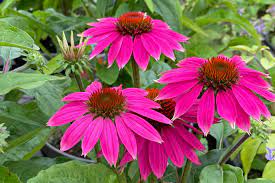
Echinacea serotina, commonly known as Purple coneflower, is a perennial herbaceous plant native to North America. Belonging to the Asteraceae family, it is highly valued for its ornamental beauty and medicinal properties. The plant typically grows to a height of two to four feet, with sturdy stems and lance-shaped leaves.
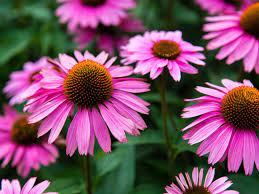
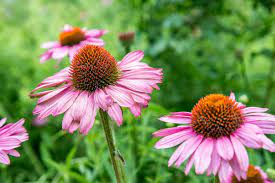
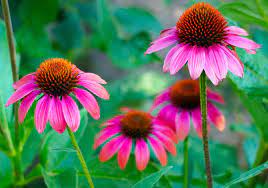
The flowers of Echinacea serotina are its most distinctive feature, boasting vibrant purple petals arranged around a raised, cone-shaped center. These showy blooms appear in late summer to early fall, attracting bees, butterflies, and other pollinators to the garden.
In addition to its aesthetic appeal, Purple coneflower has a rich history of medicinal use. Native American tribes utilized various parts of the plant to treat a wide range of ailments, including infections, wounds, and respiratory issues.
Today, Echinacea serotina remains a popular herbal remedy, with its roots, leaves, and flowers often used to make teas, tinctures, and supplements believed to support immune function and overall health.
Cultivating Echinacea serotina is relatively straightforward, as it prefers well-drained soil and full sun to partial shade. Once established, this hardy plant is drought-tolerant and requires minimal maintenance, making it a favorite among gardeners seeking both beauty and ease of care.
Overall, Echinacea serotina is a versatile and valuable plant with both aesthetic and medicinal significance. Its striking purple flowers add color and charm to gardens while its traditional uses continue to inspire modern herbalists and health-conscious individuals seeking natural remedies.
Whether grown for its visual appeal or its potential health benefits, Purple coneflower remains a cherished and cherished plant in gardens across North America.
The Botanical Description of Echinacea serotina
1. Leaf Structure: Echinacea serotina is characterized by long, lance-shaped leaves that are arranged alternately along the stem.
2. Flower Appearance: The plant produces striking purple to pinkish-purple flowers with prominent spiky centers.
3. Plant Height: Typically, Echinacea serotina reaches heights between one and three feet when fully mature.
4. Stem Characteristics: The stems of this species are robust, hairy, and may exhibit branching as the plant ages.
5. Root System: Echinacea serotina boasts a fibrous root system, crucial for its survival and medicinal properties.
6. Petal Arrangement: The petals are arranged in a daisy-like configuration around the central cone.
7. Flowering Season: This species blooms in late summer to early fall, attracting pollinators like bees and butterflies.
8. Seed Formation: After flowering, Echinacea serotina produces seeds within the cone-shaped center, essential for reproduction.
9. Sunlight Preference: Thriving in full sun to partial shade, it prefers well-drained soils.
10. Geographic Origin: Native to parts of North America, particularly the eastern and southeastern regions.
The Geographic Distribution of Echinacea serotina
1. Native Habitat: Echinacea serotina is primarily found in the eastern and southeastern United States.
2. Soil Preferences: It thrives in a variety of soil types, including loamy, sandy, and rocky soils.
3. Altitude Range: This species can be found at elevations ranging from sea level to higher mountainous regions.
4. States and Regions: Commonly spotted in states such as North Carolina, Tennessee, and Virginia.
5. Habitat Type: Echinacea serotina prefers open woodlands, meadows, and prairies with adequate sunlight.
6. Climate Adaptability: It can withstand a range of climates, from temperate to subtropical regions.
7. Biotic Associations: Often found alongside other native flora, contributing to local biodiversity.
8. Human Cultivation: Due to its medicinal value, it is also cultivated in gardens and herbal farms.
9. Seasonal Patterns: The plant follows seasonal changes, entering dormancy during colder months.
10. Conservation Status: Efforts are underway to conserve Echinacea serotina due to habitat loss and overharvesting.
11. International Presence: While native to North America, cultivation is expanding in Europe and other regions.
12. Reproductive Strategy: The plant reproduces through both seeds and rhizome division, ensuring genetic diversity.
The Chemical Composition of Echinacea serotina
1. Alkamides: These compounds contribute to the plant’s immune-boosting properties.
2. Polyacetylenes: Known for their antimicrobial and anti-inflammatory effects.
3. Flavonoids: These antioxidants play a crucial role in overall health.
4. Essential Oils: Adding aromatic properties and potential health benefits.
5. Polysaccharides: Contributing to the immune-modulating effects of the plant.
6. Glycoproteins: Involved in immune response regulation.
7. Phenolic Compounds: Known for their antioxidant and anti-inflammatory properties.
8. Chicoric Acid: A unique compound with potential health benefits.
9. Quercetin: A flavonoid with anti-viral and anti-inflammatory properties.
10. Beta-Glucans: Contributing to the plant’s immune-activating properties.
11. Terpenes: Providing aromatic and potential therapeutic qualities.
12. Copper and Iron: Essential minerals present in the plant.
13. Selenium: Another trace element with potential health benefits.
Read Also: Bedbugs: Description, Damages Caused, Control and Preventive Measures
The Medicinal Health Benefits Of Echinacea serotina (Purple coneflower)
1. Immune System Support: Echinacea serotina is renowned for its ability to enhance the body’s immune response, aiding in the prevention and treatment of infections.
2. Respiratory Health: It helps alleviate symptoms associated with respiratory conditions such as colds, flu, and bronchitis, promoting easier breathing and faster recovery.
3. Anti-Inflammatory Properties: The plant exhibits potent anti-inflammatory effects, reducing inflammation throughout the body and providing relief from various inflammatory conditions.
4. Wound Healing: Applied topically, Echinacea serotina accelerates the healing process of wounds, cuts, and abrasions, promoting tissue regeneration and reducing the risk of infection.
5. Antioxidant Effects: Its antioxidant properties combat oxidative stress, protecting cells from damage caused by free radicals and supporting overall health and well-being.
6. Pain Relief: Echinacea serotina may have analgesic properties, helping to alleviate pain associated with conditions such as arthritis, headaches, and muscle soreness.
7. Antiviral Activity: Studies suggest that it possesses antiviral properties, inhibiting the replication of certain viruses and reducing the severity and duration of viral infections.
8. Antimicrobial Effects: It exhibits broad-spectrum antimicrobial activity, inhibiting the growth of bacteria, fungi, and other pathogens, thus aiding in the treatment of infections.
9. Cardiovascular Health: Some research suggests that Echinacea serotina may help lower cholesterol levels and blood pressure, reducing the risk of cardiovascular diseases such as heart disease and stroke.
10. Stress Reduction: It may have adaptogenic properties, helping the body cope with stress and promoting a sense of calm and relaxation.
11. Digestive Health: Echinacea serotina supports digestive health by promoting proper digestion, relieving gastrointestinal discomfort, and maintaining a healthy balance of gut bacteria.
12. Allergy Relief: Some individuals find relief from seasonal allergies and allergic reactions when using Echinacea serotina, thanks to its immune-modulating properties.
13. Skin Health: Applied topically or taken internally, it promotes healthy skin by reducing inflammation, preventing infections, and supporting tissue repair.
14. Joint Health: It may help reduce inflammation and pain associated with conditions such as arthritis, improving joint mobility and flexibility.
15. Mental Well-being: Regular use of Echinacea serotina may contribute to overall mental health and well-being, helping to alleviate symptoms of anxiety, depression, and stress.
16. Energy Boost: Some individuals experience increased energy levels and vitality when using Echinacea serotina regularly, thanks to its immune-boosting and adaptogenic properties.
17. Urinary Tract Health: It may help prevent and alleviate symptoms of urinary tract infections, thanks to its antimicrobial and anti-inflammatory effects.
The Methods of Usage to Achieve the Provided Health Benefits Of Echinacea serotina (Purple coneflower)
1. Herbal Tea: Steeping dried or fresh leaves and flowers in hot water to make a soothing and immune-boosting tea.
2. Tinctures: Taking liquid extracts of Echinacea serotina orally, either alone or mixed with water or juice, for convenient consumption and absorption.
3. Capsules or Tablets: Taking standardized Echinacea serotina supplements in capsule or tablet form for precise dosage and easy administration.
4. Topical Ointments: Applying creams, lotions, or salves containing Echinacea serotina extract to the skin to promote wound healing, reduce inflammation, and soothe skin irritations.
5. Mouthwash or Gargle: Rinsing the mouth and throat with a diluted Echinacea serotina infusion or tincture to promote oral health and relieve sore throat symptoms.
6. Poultices: Applying crushed or powdered Echinacea serotina leaves or flowers directly to wounds, cuts, or insect bites to promote healing and reduce inflammation.
7. Infused Oil: Infusing Echinacea serotina flowers or leaves into carrier oils like olive oil or coconut oil to create a healing and soothing massage oil or topical treatment.
8. Steam Inhalation: Inhaling steam from a pot of hot water infused with Echinacea serotina leaves or flowers to alleviate respiratory congestion, soothe coughs, and promote easier breathing.
9. Bath Soaks: Adding Echinacea serotina infusion or extract to bathwater to promote relaxation, soothe muscle aches, and support overall well-being.
10. Compresses: Soaking a clean cloth in diluted Echinacea serotina infusion or tincture and applying it to inflamed or injured areas of the body to reduce swelling and promote healing.
11. Culinary Uses: Incorporating fresh or dried Echinacea serotina leaves and flowers into soups, stews, salads, and other dishes for added flavor and health benefits.
12. Herbal Smoking Blend: Mixing dried Echinacea serotina leaves with other herbs like mullein and marshmallow for a soothing and respiratory-supportive smoking blend.
The Side Effects Of Using Echinacea serotina Medicinal Plant
1. Allergic Reactions: Some individuals may experience allergic reactions to Echinacea serotina, especially if allergic to plants in the Asteraceae family.
2. Gastrointestinal Distress: Mild stomach upset, nausea, or diarrhea may occur in some users, especially with high doses or prolonged use.
3. Interactions with Medications: Echinacea serotina may interact with certain medications, including immunosuppressants, increasing the risk of adverse effects or reducing their effectiveness.
4. Pregnancy and Breastfeeding: Pregnant or breastfeeding women should consult a healthcare professional before using Echinacea serotina, as its safety during these periods is not well established.
5. Autoimmune Disorders: Individuals with autoimmune diseases such as lupus or rheumatoid arthritis should use caution when using Echinacea serotina, as it may stimulate the immune system and exacerbate symptoms.
6. Length of Usage: Prolonged or excessive use of Echinacea serotina may lead to reduced effectiveness over time, as the body may develop tolerance to its effects.
7. Photosensitivity: Some individuals may experience increased sensitivity to sunlight or UV rays when using Echinacea serotina, especially when applied topically.
8. Dizziness or Headaches: Rarely, some users may experience mild dizziness, headaches, or lightheadedness when using Echinacea serotina, especially with high doses.
9. Not Recommended for Children: Echinacea serotina is not recommended for use in children under certain ages, as its safety and efficacy in this population have not been well studied.
10. Not Suitable for Pets: Echinacea serotina may not be safe for use in pets, especially in high doses or in animals with pre-existing health conditions, without veterinary guidance.
11. Potential Blood Pressure Effects: Individuals with blood pressure concerns should monitor their levels when using Echinacea serotina, as it may affect blood pressure in some individuals.
12. Quality and Source: Ensure to use reputable sources of Echinacea serotina products to minimize the risk of contamination, adulteration, or poor quality
Read Also: 10 Medicinal Health Benefits Of Jakhya (Cleoma viscosa)
The Scientific Research and Studies of Echinacea serotina
1. Immune Modulation: Research has shown that Echinacea serotina possesses immune-modulating properties, enhancing the activity of immune cells and promoting a more robust immune response.
2. Antiviral Activity: Several studies have demonstrated the antiviral effects of Echinacea serotina, inhibiting the replication of viruses such as influenza and herpes simplex virus.
3. Anti-Inflammatory Effects: Animal and cell studies suggest that Echinacea serotina exhibits anti-inflammatory effects, reducing the production of inflammatory mediators and alleviating inflammation-associated symptoms.
4. Wound Healing Properties: Experimental studies have shown that Echinacea serotina accelerates wound healing by promoting the proliferation of skin cells, increasing collagen deposition, and enhancing tissue repair mechanisms.
5. Antioxidant Capacity: Echinacea serotina is rich in antioxidants, which scavenge free radicals and protect cells from oxidative damage, thereby reducing the risk of chronic diseases and promoting overall health.
6. Safety and Toxicity: Clinical trials and toxicity studies have demonstrated the safety of Echinacea serotina when used at recommended doses, with few reports of adverse effects or toxicity.
The Safety Precautions and Recommendations In Using Echinacea serotina Medicinal Plant
1. Consultation: Always consult with a healthcare professional before starting any herbal regimen, especially if you have underlying health conditions or are taking medications.
2. Dosage: Adhere to recommended dosage guidelines to avoid adverse effects and ensure optimal therapeutic benefits.
3. Quality Assurance: Choose high-quality Echinacea serotina products from reputable manufacturers to ensure purity, potency, and safety.
4. Duration of Use: Avoid prolonged use of Echinacea serotina without breaks to prevent tolerance and maintain its effectiveness over time.
5. Allergies: Individuals with known allergies to plants in the Asteraceae family, such as ragweed or daisies, should use Echinacea serotina with caution or avoid it altogether.
6. Pregnancy and Breastfeeding: Pregnant or breastfeeding women should consult with a healthcare provider before using Echinacea serotina, as its safety during these periods is not well established.
7. Children and Elderly: Use caution when administering Echinacea serotina to children or the elderly, as their bodies may react differently to herbal remedies.
8. Interactions: Be aware of potential interactions between Echinacea serotina and medications you may be taking, including immunosuppressants, antivirals, and anticoagulants.
9. Monitoring: Monitor your health closely while using Echinacea serotina, and discontinue use if you experience any adverse effects or unusual symptoms.
10. Storage: Store Echinacea serotina products according to manufacturer instructions to maintain their potency and quality.
11. Adverse Reactions: Seek medical attention if you experience severe or persistent adverse reactions to Echinacea serotina, such as allergic reactions, gastrointestinal discomfort, or dizziness.
12. Education: Stay informed about the latest research, safety information, and recommendations regarding the use of Echinacea serotina to make informed decisions about your health and well-being.
FAQs About Echinacea serotina Medicinal Plant
1. Is Echinacea serotina the same as other species of Echinacea?
While all Echinacea species share similar properties, they may differ in their chemical composition and therapeutic effects.
2. Can Echinacea serotina prevent colds and flu?
Some studies suggest that Echinacea serotina may reduce the severity and duration of colds and flu, but more research is needed to confirm its efficacy.
3. How should I take Echinacea serotina supplements?
Echinacea serotina supplements are available in various forms, including capsules, tinctures, and teas. Follow the manufacturer’s instructions for dosage and administration.
4. Can I use Echinacea serotina with other herbal remedies or medications?
It’s essential to consult with a healthcare professional before combining Echinacea serotina with other herbal remedies or medications to avoid potential interactions.
5. Are there any contraindications for using Echinacea serotina?
Individuals with autoimmune diseases, allergies to Asteraceae plants, or certain medical conditions should use Echinacea serotina with caution or avoid it altogether.
6. Can I give Echinacea serotina to my pets?
Echinacea serotina may not be safe for use in pets, especially without veterinary guidance. Consult with a veterinarian before administering herbal remedies to your pets.
7. How long does it take to see results from using Echinacea serotina?
Results may vary depending on individual factors such as dosage, frequency of use, and the severity of symptoms. Some users may experience relief within a few days, while others may require more extended periods of use.
8. Is Echinacea serotina addictive?
There’s no evidence to suggest that Echinacea serotina is addictive or habit-forming.
9. Can I use Echinacea serotina during pregnancy or breastfeeding?
Pregnant or breastfeeding women should consult with a healthcare provider before using Echinacea serotina, as its safety during these periods is not well established.
10. Can I use Echinacea serotina if I have allergies?
Individuals with known allergies to plants in the Asteraceae family should use Echinacea serotina with caution or avoid it altogether to prevent allergic reactions.
11. Does Echinacea serotina interact with any medications?
It’s essential to be aware of potential interactions between Echinacea serotina and medications, especially immunosuppressants, antivirals, and anticoagulants. Consult with a healthcare professional before combining herbal remedies with medications.
12. Can I grow Echinacea serotina in my garden?
Yes, Echinacea serotina can be grown in gardens with proper care and attention to soil, sunlight, and watering requirements. Choose a sunny location with well-drained soil, and consider starting with nursery-grown plants for best results.
13. Can I use Echinacea serotina to treat skin conditions?
Echinacea serotina may help alleviate symptoms of skin conditions such as eczema, psoriasis, and acne when applied topically, thanks to its anti-inflammatory and antimicrobial properties. However, it’s essential to consult with a healthcare professional for proper diagnosis and treatment recommendations.
14. Are there any age restrictions for using Echinacea serotina?
While Echinacea serotina is generally safe for use in adults, children, and the elderly, dosage adjustments may be necessary based on individual factors such as age, weight, and medical history. Consult with a healthcare professional for personalized recommendations.
15. Can I use Echinacea serotina to prevent allergies?
While Echinacea serotina may help alleviate symptoms of allergies, such as nasal congestion and itching, more research is needed to determine its efficacy in preventing allergic reactions. It’s essential to consult with a healthcare professional for proper diagnosis and treatment recommendations for allergies.
Do you have any questions, suggestions, or contributions? If so, please feel free to use the comment box below to share your thoughts. We also encourage you to kindly share this information with others who might benefit from it. Since we can’t reach everyone at once, we truly appreciate your help in spreading the word. Thank you very much for your support and for sharing!
Disclaimer: This article is for educational and informational purposes only. The health benefits described are based on scientific research and traditional knowledge. They ayre not a substitute for professional medical advice, diagnosis, or treatment. Always consult a healthcare professional before using any herb or natural remedy for medical purposes.