


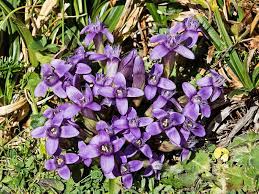
Gentianella nitida, commonly known as Griseb, is an exquisite flowering plant that belongs to the Gentianaceae family. Endemic to specific regions, this botanical wonder showcases a captivating blend of beauty and ecological significance.
The plant’s distinctive features include its slender stems, vibrant green leaves, and strikingly intricate flowers. The leaves are typically lance-shaped, contributing to the overall grace of the plant. Gentianella nitida’s beauty lies not only in its visual appeal but also in the meticulous details of its blossoms.
The flowers of Gentianella nitida are a sight to behold, with delicate petals arranged in an aesthetically pleasing pattern. The color spectrum of these blooms ranges from rich purples to mesmerizing blues, creating a visually stunning display that captivates any observer. The plant’s ability to thrive in specific climates adds to its allure, making it a botanical gem cherished by enthusiasts and horticulturists alike.
Beyond its ornamental value, Gentianella nitida plays a crucial role in local ecosystems. It serves as a habitat and a source of sustenance for various organisms, contributing to the overall biodiversity of its native environment. Furthermore, the plant has been studied for its potential medicinal properties, adding a layer of practical significance to its existence.
Cultivating Gentianella nitida requires a nuanced understanding of its habitat preferences and growth conditions. Gardeners and conservationists alike appreciate the challenges and rewards associated with nurturing this captivating species, fostering an appreciation for the delicate balance between human intervention and the natural world.
In conclusion, Gentianella nitida stands as a testament to the wonders of biodiversity, captivating with its visual splendor and ecological importance. Whether admired in its natural habitat or carefully cultivated in gardens, this botanical marvel continues to enchant and contribute to the rich tapestry of the plant kingdom.
The Botanical Description of Gentianella nit
1. Plant Structure: Gentianella nit, commonly known as Yellow Gentian, is a perennial herb characterized by a robust, erect stem that can reach heights of 30 to 60 centimeters.
2. Leaves: The plant features lance-shaped leaves arranged in opposite pairs along the stem. The leaves are deep green, providing a lush appearance to the entire plant.
3. Flowers: Yellow Gentian is renowned for its vibrant, trumpet-shaped flowers. The flowers are typically bright yellow, although variations in shades may occur.
4. Bloom Period: The flowering period occurs during the late spring to early summer months, creating a visually striking display of yellow blossoms.
5. Root System: Beneath the soil, Yellow Gentian develops a fleshy, branching root system. The roots are a key part of the plant’s identity, as they hold valuable medicinal compounds.
6. Habitat: Yellow Gentian thrives in alpine and sub-alpine regions, often found in meadows, grasslands, and open woodlands.
7. Adaptability: The plant is well-adapted to cooler climates and is commonly found in mountainous areas with nutrient-rich, well-draining soils.
8. Reproductive Strategy: Yellow Gentian primarily reproduces through seed production. The seeds are dispersed by the wind, contributing to the plant’s colonization of suitable habitats.
9. Floral Symmetry: The flowers exhibit bilateral symmetry, with a distinct tubular shape that attracts specific pollinators, including bees and butterflies.
10. Growth Form: Yellow Gentian has an upright growth form, creating a visually appealing aspect in its natural habitat and making it a sought-after plant in cultivation.
11. Taxonomic Classification: Gentianella nit belongs to the Gentianaceae family and is recognized for its association with other gentians.
12. Conservation Status: Depending on its specific habitat and local environmental conditions, Yellow Gentian may have varying conservation statuses. Conservation efforts often focus on preserving its natural habitats and ensuring sustainable harvesting practices.
The Geographic Distribution of Gentianella nitida
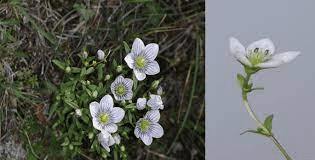
1. Native Regions: Gentianella nit is native to mountainous regions of Europe, including the Alps and the Carpathians. It thrives in the cool, alpine climates of these areas.
2. European Presence: Yellow Gentian extends its presence beyond its native range, with populations in various European countries, including Switzerland, Austria, Italy, and others.
3. Global Cultivation: Due to its ornamental value and medicinal significance, Yellow Gentian is cultivated in regions with suitable climates worldwide. Cultivation efforts have expanded its presence in North America and other continents.
4. Altitudinal Range: Yellow Gentian is often found at high altitudes, ranging from approximately 800 to 2,500 meters above sea level. Its preference for alpine environments contributes to its distribution patterns.
5. Soil Preferences: The plant shows adaptability to well-drained, slightly acidic to neutral soils. Its geographic distribution is influenced by the availability of suitable soil conditions.
6. Conservation Challenges: While not necessarily endangered, Yellow Gentian faces conservation challenges, primarily related to habitat loss, over-harvesting for medicinal purposes, and climate change impacts on alpine ecosystems.
7. Habitat Variety: Yellow Gentian exhibits versatility in its habitat preferences, occupying meadows, rocky slopes, and grasslands within its native and cultivated ranges.
8. Human Interaction: The plant has historical significance in traditional medicine, leading to intentional cultivation and, in some cases, harvesting from the wild. Sustainable practices are crucial to maintain its populations.
9. Phenotypic Variations: Geographic distribution may influence phenotypic variations in Yellow Gentian, including flower color, size, and growth patterns. This contributes to the plant’s biodiversity.
10. Ecological Role: Yellow Gentian plays a role in alpine ecosystems by attracting pollinators and contributing to the overall biodiversity of these fragile environments.
11. Conservation Initiatives: Conservation initiatives focus on preserving the habitats where Yellow Gentian naturally occurs and promoting sustainable harvesting practices to ensure its continued presence.
The Chemical Composition of Gentianella nit
1. Bitter Compounds: Yellow Gentian is renowned for its bitter taste, attributed to the presence of bitter compounds such as iridoids and secoiridoids.
2. Secoiridoids: These compounds, including gentiopicroside, contribute to the plant’s medicinal properties. Gentiopicroside, in particular, is associated with the bitter taste of gentians.
3. Xanthones: Some species of Gentianella, including Gentianella nit, may contain xanthones, which have antioxidant properties.
4. Flavonoids: Flavonoids, including flavones and flavonols, contribute to the plant’s antioxidant and anti-inflammatory effects.
5. Essential Oils: Certain varieties of Yellow Gentian may contain essential oils, adding to its aromatic profile.
6. Triterpenes: Triterpenes, such as oleanolic acid, are found in the roots of Yellow Gentian and contribute to its pharmacological activities.
7. Carotenoids: Yellow Gentian’s vibrant flower color is due to the presence of carotenoid pigments, adding to its ornamental appeal.
8. Alkaloids: While not present in all species, some Gentianella species may contain alkaloids, contributing to the plant’s overall chemical diversity.
9. Glycosides: The roots of Gentianella nit may contain glycosides, which have potential medicinal properties.
10. Polyphenols: Polyphenolic compounds, including phenolic acids, contribute to Yellow Gentian’s antioxidant capacity.
11. Amino Acids: Some studies suggest the presence of various amino acids in Gentianella nit, adding to its nutritional profile.
12. Minerals: The roots of Yellow Gentian may contain minerals such as iron, calcium, and magnesium.
13. Water-Soluble Compounds: Water-soluble compounds, including polysaccharides, may be part of the plant’s chemical composition.
14. Organic Acids: Certain varieties of Gentianella nit may contain organic acids, influencing its flavor and potential medicinal effects.
Understanding the chemical composition of Gentianella nit provides insights into its diverse pharmacological activities, ranging from digestive stimulation to potential anti-inflammatory effects.
Read Also: Health Benefits and Side Effects of Opium Poppy (Papaver Somniferum)
The Medicinal Health Benefits Of Gentianella nitida (Griseb)

1. Digestive Stimulation: Yellow Gentian has a long history of use in traditional medicine for promoting digestive health. Bitter compounds stimulate digestive processes, enhancing appetite and aiding in nutrient absorption.
2. Appetite Stimulation: The bitter taste of Gentianella nit triggers the release of digestive juices, promoting appetite and facilitating the breakdown of food in the digestive system.
3. Anti-Inflammatory Effects: Some compounds found in Yellow Gentian, such as flavonoids and secoiridoids, exhibit anti-inflammatory properties, making it valuable for conditions associated with inflammation.
4. Antioxidant Protection: The presence of antioxidants in Gentianella nit helps neutralize free radicals, providing protection against oxidative stress and supporting overall health.
5. Traditional Tonic: Yellow Gentian is often used as a traditional tonic, contributing to a sense of well-being and vitality.
6. Liver Health: The bitter compounds in Yellow Gentian may support liver health by enhancing bile production and promoting the elimination of toxins.
7. Anti-Diabetic Potential: Some studies suggest that Gentianella nit may have anti-diabetic properties, contributing to its role in managing blood sugar levels.
8. Immune System Support: The plant’s antioxidant and anti-inflammatory effects may contribute to immune system support, helping the body defend against infections.
9. Respiratory Health: Traditional uses include remedies for respiratory conditions, indicating potential benefits for respiratory health.
10. Stress Reduction: Yellow Gentian may have adaptogenic properties, assisting the body in coping with stress and promoting overall well-being.
11. Anti-Microbial Action: Some compounds in Gentianella nit may exhibit anti-microbial effects, providing protection against certain infections.
12. Wound Healing: Traditional uses include the application of Yellow Gentian preparations to wounds, suggesting potential wound healing properties.
13. Cardiovascular Support: The antioxidant properties of Yellow Gentian may contribute to cardiovascular health, although further research is needed for conclusive evidence.
14. Anti-Anxiety Effects: Traditional uses in some cultures include the use of Gentianella nit for its potential anti-anxiety effects, contributing to mental well-being.
15. Anti-Allergic Properties: Yellow Gentian may exhibit anti-allergic effects, making it useful for individuals with allergies or hypersensitivity reactions.
16. Antipyretic Action: The plant may have antipyretic properties, helping to reduce fever and alleviate associated symptoms.
17. Cognitive Health: Some compounds in Gentianella nit may have neuroprotective effects, supporting cognitive health and potentially reducing the risk of neurodegenerative conditions.
18. Anticancer Potential: Preliminary research suggests that Yellow Gentian may possess anticancer properties, although further studies are needed to validate these findings.
The Methods of Usage to Achieve the Provided Health Benefits Of Gentianella nitida (Griseb)
1. Herbal Teas: Prepare herbal teas using dried Gentianella nit roots. Steep a teaspoon of dried material in hot water for 10-15 minutes. Consume before meals for digestive stimulation.
2. Tinctures: Tinctures can be created by extracting the plant’s active compounds in alcohol. Follow recommended dosage guidelines provided by herbalists or healthcare professionals.
3. Capsules or Supplements: Gentianella nit supplements, available in capsule form, provide a convenient way to incorporate the plant’s health benefits into a daily routine. Follow recommended dosage instructions.
4. Bitter Aperitifs: Traditional preparations include the use of Yellow Gentian in bitter aperitifs. These can be consumed before meals to stimulate appetite.
5. Culinary Use: Some cultures incorporate Gentianella nit into culinary dishes. Check local recipes or traditional practices for creative ways to include it in meals.
6. Aromatherapy: Essential oils derived from Gentianella nit can be used in aromatherapy. Diffuse the oil to create a calming atmosphere.
7. Infused Oils: Infuse oils with Gentianella nit for topical applications. Apply infused oils to the skin for conditions like inflammation or as a part of skincare routines.
8. Traditional Remedies: Explore traditional remedies from cultures where Gentianella nit is historically used. This may include specific preparations or combinations with other herbs.
9. Consultation with Herbalists: Seek guidance from herbalists or healthcare professionals who specialize in herbal medicine. They can provide personalized recommendations based on individual health conditions.
10. Gardening Practices: For those cultivating Gentianella nit at home, understanding optimal gardening practices ensures a fresh and sustainable supply of the plant for usage.
11. Integrative Medicine: Incorporate Gentianella nit into an integrative medicine approach, considering its potential synergies with other herbs or conventional treatments.
12. Adherence to Dosage Guidelines: Regardless of the method of usage chosen, adherence to recommended dosage guidelines is crucial to ensure safety and maximize benefits.
The Side Effects Of Using Gentianella nitida Medicinal Plant
1. Allergic Reactions: Some individuals may experience allergic reactions to Gentianella nit. If allergic symptoms such as itching, swelling, or difficulty breathing occur, discontinue use and seek medical attention.
2. Gastrointestinal Discomfort: Excessive consumption may lead to gastrointestinal discomfort, including nausea, vomiting, or diarrhea. Adhere to recommended dosage guidelines to minimize the risk of these effects.
3. Interactions with Medications: Gentianella nit may interact with certain medications. Individuals taking prescription drugs should consult healthcare professionals before incorporating the plant into their regimen.
4. Pregnancy and Lactation: Pregnant or breastfeeding individuals should exercise caution. Limited research exists on the safety of Gentianella nit during these periods, and professional advice is recommended.
5. Photosensitivity: Some individuals may experience heightened sensitivity to sunlight when using Gentianella nit. Take precautions such as using sunscreen to minimize the risk of sun-related skin issues.
6. Blood Pressure Regulation: Gentianella nit may influence blood pressure. Individuals with existing blood pressure conditions should monitor their levels regularly and consult healthcare providers.
7. Liver Conditions: People with liver conditions should exercise caution, as Gentianella nit may have effects on liver health. Professional guidance is advised.
8. Children and Infants: The safety of Gentianella nit in children and infants is not well-established. Usage in this population should be under the guidance of healthcare professionals.
9. Diabetes Management: Individuals with diabetes should monitor blood sugar levels when using Gentianella nit, as it may influence glucose regulation.
10. Prolonged Usage: Extended use of Gentianella nit may lead to tolerance or unexpected effects. Periodic breaks in usage and professional consultation can help manage this risk.
11. Skin Irritation: Applying Gentianella nit preparations to the skin may cause irritation in some individuals. Conduct a patch test before widespread application.
12. Drug Sensitivity: Individuals sensitive to certain drugs or substances may also exhibit sensitivity to Gentianella nit. Careful observation and professional advice are essential.
13. Individual Variability: Responses to Gentianella nit can vary among individuals. Factors such as overall health, pre-existing conditions, and genetic factors contribute to this variability.
14. Quality of Preparations: The quality and preparation of Gentianella nit products can impact their safety. Choose reputable sources for obtaining herbal products and supplements.
Read Also: Powdery Mildew: Description, Damages Caused, Control and Preventive Measures
The Scientific Research and Studies of Gentianella nitida

1. Antioxidant Activity: Scientific studies have investigated the antioxidant activity of Gentianella nit, highlighting its potential in combating oxidative stress and associated health benefits.
2. Anti-Inflammatory Properties: Research has delved into the anti-inflammatory properties of Gentianella nit, exploring its potential in addressing inflammatory conditions and related disorders.
3. Antimicrobial Effects: Studies have explored the plant’s antimicrobial effects, showcasing its ability to combat bacteria and fungi. This may contribute to its traditional uses in treating infections.
4. Phytochemical Analysis: Phytochemical analyses have identified various bioactive compounds in Gentianella nit, including flavonoids, alkaloids, and polyphenols, emphasizing its rich chemical composition.
5. Wound Healing Potential: Scientific investigations have explored the wound healing potential of Gentianella nit. The plant’s traditional use in promoting tissue repair aligns with findings supporting its efficacy.
6. Anti-Diabetic Properties: Some studies have explored the potential anti-diabetic effects of Gentianella nit, indicating its role in managing blood sugar levels. However, more research is needed for conclusive evidence.
The The Safety Precautions and Recommendations In Using Gentianella nitida Medicinal Plant
1. Professional Guidance: Before incorporating Gentianella nit into health routines, seek guidance from healthcare professionals or herbalists. Their expertise ensures safe and informed usage.
2. Dosage Adherence: Adhere to recommended dosage guidelines provided by healthcare professionals or product labels. Avoid exceeding suggested amounts to minimize the risk of side effects.
3. Allergy Testing: Conduct allergy tests before widespread usage, especially if using Gentianella nit topically. This helps identify potential allergic reactions and ensures safe application.
4. Medication Interactions: Individuals on medications should consult healthcare providers to assess potential interactions. Gentianella nit may influence the efficacy of certain drugs.
5. Monitoring Blood Pressure: Regular monitoring of blood pressure is advisable, especially for individuals with existing blood pressure conditions. Report any unusual changes to healthcare professionals.
6. Pregnancy and Lactation: Pregnant or breastfeeding individuals should exercise caution and consult healthcare providers before using Gentianella nit due to limited safety data in these populations.
7. Sun Protection: Individuals experiencing photosensitivity should take precautions when using Gentianella nit, including the application of sunscreen to minimize the risk of sun-related skin issues.
8. Liver Health Monitoring: Those with pre-existing liver conditions should monitor their liver health when using Gentianella nit, as the plant may have effects on liver function.
9. Children and Infants: Exercise caution when considering Gentianella nit usage in children and infants. Professional guidance is essential to ensure safety in these populations.
10. Blood Sugar Monitoring: Individuals with diabetes should monitor blood sugar levels when using Gentianella nit, as it may influence glucose regulation.
11. Prolonged Usage Monitoring: Individuals using Gentianella nit for extended periods should periodically reassess its effects and consider breaks in usage to manage potential tolerance.
12. Skin Patch Tests: Before using Gentianella nit topically, conduct a patch test on a small area of skin to check for any adverse reactions or irritations.
13. Quality Assurance: Choose reputable sources for obtaining Gentianella nit products, ensuring quality and safety. Be cautious of potential contaminants or adulterations.
14. Reporting Side Effects: Report any unexpected side effects or adverse reactions to healthcare professionals. Prompt reporting contributes to ongoing safety assessments.
15. Personal Health History: Consider individual health history, including pre-existing conditions and sensitivities, when incorporating Gentianella nit into health routines.
16. Integrative Approach: If using Gentianella nit as part of an integrative health approach, inform healthcare providers to ensure compatibility with other treatments.
FAQs About Gentianella nitida Medicinal Plant
1. Is Gentianella nitida safe for regular consumption?
Gentianella nit is generally safe when consumed within recommended doses. However, individual responses vary, and professional guidance is advised, especially for prolonged usage.
2. Can Gentianella nitida be used during pregnancy?
Pregnant individuals should exercise caution, as limited safety data is available. Consultation with healthcare providers is crucial to assess potential risks and benefits.
3. Are there specific contraindications for Gentianella nitida usage?
Individuals with known allergies to the plant or its components should avoid Gentianella nit. Additionally, those with specific medical conditions should seek professional advice.
4. How does Gentianella nitida contribute to skin health?
Gentianella nit’s antioxidant and anti-inflammatory properties may benefit skin health. It is used traditionally for wound healing and skin-related conditions.
5. Can Gentianella nitida be used for respiratory issues?
Traditional uses include remedies for respiratory conditions, but professional advice is recommended. Its potential anti-inflammatory effects may support respiratory health.
6. Is Gentianella nitida suitable for children?
Usage in children should be under professional guidance. Dosage and safety considerations may differ for this population.
7. Can Gentianella nitida be used for diabetes management?
Some studies suggest potential anti-diabetic effects. However, individuals with diabetes should monitor blood sugar levels and consult healthcare providers.
8. What precautions should be taken for Gentianella nitida topical applications?
Conduct skin patch tests before widespread use to check for allergic reactions or irritations. Professional advice is essential for topical applications.
9. How can Gentianella nitida be integrated into culinary practices?
In some cultures, Gentianella nit is used in culinary dishes. Explore local recipes for creative ways to incorporate it into meals.
10. Are there specific considerations for individuals with liver conditions?
Individuals with pre-existing liver conditions should monitor their liver health when using Gentianella nit, as it may have effects on liver function.
11. Can Gentianella nitida interact with medications?
Yes, Gentianella nit may interact with certain medications. Consult healthcare providers to assess potential interactions, especially for those on prescription drugs.
12. Is there scientific evidence supporting the medicinal uses of Gentianella nitida?
Scientific studies have explored various aspects of Gentianella nit, including its antioxidant, anti-inflammatory, antimicrobial properties, and potential health benefits. However, further research is needed for conclusive evidence.
13. What are the considerations for individuals with blood pressure conditions?
Individuals with existing blood pressure conditions should monitor their levels regularly when using Gentianella nit. Any unusual changes should be reported to healthcare providers.
14. How can Gentianella nitida be incorporated into aromatherapy?
Essential oils derived from Gentianella nit can be diffused for aromatherapy. The aromatic properties contribute to a calming atmosphere.
15. Can Gentianella nitida be used for stress reduction?
Some compounds in Gentianella nit may have calming effects, potentially contributing to stress reduction. However, individual responses may vary.
16. Can Gentianella nitida be used in combination with other herbs?
Combining Gentianella nit with other herbs should be done under professional guidance. Herbalists or healthcare providers can offer recommendations based on individual health needs.
Do you have any questions, suggestions, or contributions? If so, please feel free to use the comment box below to share your thoughts. We also encourage you to kindly share this information with others who might benefit from it. Since we can’t reach everyone at once, we truly appreciate your help in spreading the word. Thank you very much for your support and for sharing!
Disclaimer: This article is for educational and informational purposes only. The health benefits described are based on scientific research and traditional knowledge. They ayre not a substitute for professional medical advice, diagnosis, or treatment. Always consult a healthcare professional before using any herb or natural remedy for medical purposes.
Read Also: How to Graft an Avocado Tree to Produce Avocado Fruit