


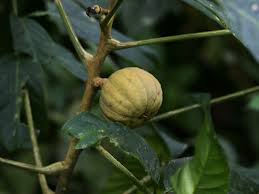
Hura crepitans, commonly known as the Sandbox Tree, is a large and remarkable tropical tree that commands attention with its unique features and widespread distribution in tropical regions of the Americas. A member of the Euphorbiaceae family, this imposing tree is native to areas from southern Mexico through Central America to northern South America.
The Sandbox Tree is known for its impressive size, reaching heights of up to 60 meters. It has a straight, cylindrical trunk that is covered in large, conical spines, giving it a distinctive appearance.
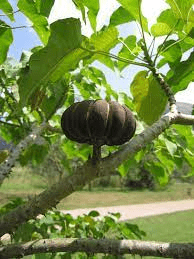
The name “Sandbox Tree” is derived from its large, round fruits that resemble miniature sandboxes. These fruits, when mature, explode with a loud noise, propelling seeds away from the tree. This explosive method of seed dispersal is one of the unique adaptations of the Sandbox Tree.
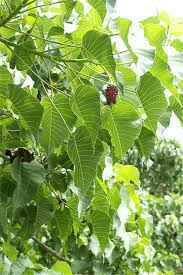
The large, palmate leaves of Hura crepitans provide ample shade beneath the tree, contributing to its role in the tropical canopy. The tree’s latex, often referred to as “monkey’s dinner,” is a toxic, white sap that can cause skin irritation and has been historically used as a fish poison by indigenous communities.
The Sandbox Tree has cultural significance in various regions, and its wood has been employed for making dugout canoes and certain types of construction. Additionally, the tree’s latex has been utilized in traditional medicine, although its toxic nature requires careful handling.
Ecologically, the Sandbox Tree plays a role in the forest ecosystem by providing habitat for various organisms and contributing to the complex web of interactions in tropical forests. Its explosive seed dispersal mechanism aids in the tree’s survival strategy, ensuring the spread of seeds to new areas.
In summary, Hura crepitans, with its explosive fruits, formidable appearance, and ecological contributions, stands out as a fascinating and ecologically important tree in the tropical landscapes it inhabits.
The Botanical Description of Hura crepitans
1. Leaf Structure: Hura crepitans is characterized by large, compound leaves arranged alternately on its branches. Each leaf is palmately lobed, featuring multiple leaflets that radiate from a central point. This distinctive leaf structure contributes to the tree’s recognizable appearance.
2. Bark Characteristics: The bark of Hura crepitans is smooth and grayish when young, developing deep furrows and becoming rougher with age. The tree’s bark provides protection against external factors and plays a role in its resilience in various environmental conditions.
3. Flowering Mechanism: Hura crepitans produces small, inconspicuous flowers that cluster in panicles. The flowering mechanism is intricate, involving both male and female flowers. The tree’s reproductive strategy contributes to its overall ecological function and adaptation.
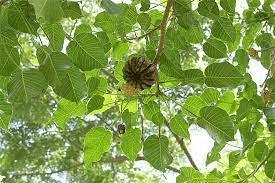
4. Fruits and Seeds: The most remarkable feature of Hura crepitans is its explosive fruits. The tree produces large, spiky capsules that resemble a medieval weapon, known as a “monkey’s dinner bell.” When these capsules mature, they explode, scattering seeds in the surrounding area and ensuring the tree’s propagation.
5. Growth Habit: Hura crepitans typically grows tall and straight, with a single trunk. Its growth habit contributes to its role in forest ecosystems, providing habitat and resources for various species.
6. Root System: The root system of Hura crepitans is extensive, anchoring the tree securely in the soil. This feature is crucial for the tree’s stability, especially in regions prone to strong winds and adverse weather conditions.
7. Adaptations to Environment: Hura crepitans exhibits remarkable adaptations to its environment, including its ability to thrive in tropical climates. Its structural features, such as the explosive fruit mechanism, play a role in survival strategies.
8. Reproductive Lifecycle: The reproductive lifecycle of Hura crepitans involves a complex interplay between pollination, seed development, and seed dispersal. Understanding this cycle is vital for comprehending the tree’s contribution to forest dynamics.
9. Ecological Interactions: Hura crepitans interacts with various organisms in its ecosystem, providing food and shelter for numerous species. Its ecological significance extends beyond its individual characteristics to its role in maintaining biodiversity.
10. Threats and Conservation Status: While Hura crepitans is not currently listed as endangered, understanding the potential threats it faces is essential for its conservation. Habitat destruction and climate change are factors that could impact the survival of this unique tree species.
The Geographic Distribution of Hura crepitans
1. Tropical Regions: Hura crepitans is predominantly found in tropical regions, thriving in warm and humid climates. Its distribution extends across continents within the tropical belt.
2. South America: Native to South America, Hura crepitans is commonly found in countries such as Brazil, Venezuela, and Colombia. The tree contributes significantly to the biodiversity of South American rainforests.
3. Central America: The sandbox tree has established populations in Central American countries, including Panama, Costa Rica, and Nicaragua. Its presence in these regions is indicative of its adaptability to different tropical ecosystems.
4. Caribbean Islands: Hura crepitans has also been identified on various Caribbean islands, such as Jamaica and Trinidad and Tobago. The tree’s distribution on these islands underscores its ability to thrive in different island ecosystems.
5. Africa: Introduced to Africa, Hura crepitans has become naturalized in certain regions, including parts of West Africa. Its adaptation to African environments showcases its resilience in diverse ecological settings.
6. Southeast Asia: In addition to the Americas and Africa, Hura crepitans has been introduced to certain parts of Southeast Asia. Its distribution in this region is influenced by factors such as climate and soil conditions.
7. Forested Habitats: The tree prefers forested habitats, where it can benefit from the high levels of rainfall and biodiversity characteristic of tropical rainforests. Its distribution is closely tied to the availability of suitable habitats.
8. Riverbanks and Floodplains: Hura crepitans shows a propensity for riverbanks and floodplains, where its seeds can be dispersed effectively by water. These areas contribute to the tree’s distribution along watercourses.
9. Altitudinal Range: While Hura crepitans is generally found at lower elevations, it can exhibit a degree of altitudinal range, depending on local climate conditions. Understanding this range is crucial for predicting its presence in diverse landscapes.
10. Human-Mediated Spread: Human activities, including trade and cultivation, have facilitated the spread of Hura crepitans to new areas. Its distribution is not solely governed by natural factors but also influenced by human interactions.
11. Invasive Potential: In some regions, Hura crepitans has shown invasive potential, outcompeting native vegetation. Monitoring its distribution and understanding its impact on local ecosystems is vital for effective conservation and management.
12. Climate Sensitivity: The geographic distribution of Hura crepitans is closely tied to climate sensitivity. Changes in temperature and precipitation patterns can influence the tree’s range, making it a valuable indicator species for studying climate change impacts in tropical regions.
The Chemical Composition of Hura crepitans
1. Latex: One of the notable chemical components of Hura crepitans is its latex, a milky, white substance found in various parts of the tree. The latex contains compounds with potential pharmacological properties and has been traditionally used by indigenous communities for medicinal purposes.
2. Diterpenoids: Hura crepitans is rich in diterpenoids, a class of organic compounds with diverse biological activities. These compounds contribute to the tree’s defensive mechanisms against herbivores and pathogens.
3. Alkaloids: Certain alkaloids have been identified in Hura crepitans, adding to the complexity of its chemical composition. Alkaloids can have neuroactive and pharmacological effects, and their presence in the tree may influence its interactions with herbivores.
4. Triterpenes: Triterpenes are another group of compounds found in Hura crepitans, contributing to its overall chemical diversity. These compounds play a role in the tree’s adaptation to environmental stressors.
5. Phenolic Compounds: Phenolic compounds, known for their antioxidant properties, are present in Hura crepitans. These compounds may contribute to the tree’s resilience in the face of oxidative stress and environmental challenges.
6. Flavonoids: Flavonoids, a class of polyphenolic compounds, are identified in the chemical composition of Hura crepitans. These compounds have antioxidant and anti-inflammatory properties, potentially influencing the tree’s ecological interactions.
7. Essential Oils: Certain parts of Hura crepitans, such as the leaves and bark, may contain essential oils. The chemical composition of these oils can vary, contributing to the tree’s overall aromatic profile.
8. Fatty Acids: The presence of fatty acids in Hura crepitans adds to its chemical complexity. Fatty acids play a role in the tree’s metabolism and may have implications for its nutritional value.
9. Resins: Resins are identified in the chemical makeup of Hura crepitans, serving as a form of protection against pests and pathogens. The resinous substances contribute to the tree’s overall defense mechanisms.
10. Proteins: Hura crepitans contains proteins, which are essential for various biological functions. The presence of proteins in the tree may have implications for its nutritional value and potential uses.
11. Carbohydrates: Carbohydrates are a fundamental component of Hura crepitans, contributing to its energy storage and overall metabolic processes. Understanding the carbohydrate composition is crucial for comprehending the tree’s growth and development.
12. Saponins: Saponins, glycosides with soap-like properties, have been identified in Hura crepitans. These compounds may have roles in the tree’s defense mechanisms and interactions with herbivores.
13. Lignans: Lignans, polyphenolic compounds with antioxidant properties, are part of Hura crepitans’ chemical composition. These compounds contribute to the tree’s overall bioactive profile.
14. Amino Acids: Amino acids, the building blocks of proteins, are present in Hura crepitans. The diversity and abundance of amino acids in the tree contribute to its nutritional value and potential applications.
Read Also: 16 Medicinal Health Benefits Of Hoodia (Hoodia gordonii)
The Medicinal Health Benefits Of Hura crepitans (Sandbox Tree)
1. Anti-Inflammatory Properties: Hura crepitans exhibits anti-inflammatory effects, making it potentially beneficial for conditions involving inflammation, such as arthritis and inflammatory skin disorders.
2. Analgesic Effects: The medicinal properties of Hura crepitans may include analgesic effects, offering relief from pain associated with various ailments and conditions.
3. Wound Healing: Studies suggest that Hura crepitans has wound-healing properties, promoting faster recovery and reducing the risk of infection.
4. Antimicrobial Action: Hura crepitans has demonstrated antimicrobial properties, indicating its potential in combating bacterial and fungal infections.
5. Antioxidant Activity: The tree’s antioxidant activity contributes to neutralizing free radicals, providing protection against oxidative stress and related health issues.
6. Respiratory Health Support: Preliminary research suggests that Hura crepitans may have positive effects on respiratory health, making it potentially useful for respiratory conditions.
7. Anti-Cancer Potential: Ongoing studies explore the anti-cancer potential of Hura crepitans compounds, showing promise in inhibiting the growth of certain cancer cells.
8. Immune System Boost: Hura crepitans may support immune system function, enhancing the body’s ability to defend against infections and diseases.
9. Cardiovascular Health: Some research indicates that Hura crepitans may contribute to cardiovascular health by influencing factors such as blood pressure and cholesterol levels.
10. Gastrointestinal Relief: Traditional uses suggest that Hura crepitans may provide relief from gastrointestinal issues, including indigestion and stomach discomfort.
11. Anti-diabetic Properties: Preliminary studies hint at anti-diabetic properties of Hura crepitans, potentially aiding in the management of diabetes.
12. Anti-allergic Effects: Hura crepitans may exhibit anti-allergic effects, offering relief from allergic reactions and related symptoms.
13. Stress and Anxiety Reduction: Some users report stress and anxiety reduction when using Hura crepitans, suggesting potential calming effects on the nervous system.
14. Liver Health Support: Ongoing research explores the potential of Hura crepitans in supporting liver health and function.
15. Anti-arthritic Effects: Hura crepitans may have anti-arthritic effects, providing relief for individuals suffering from arthritis-related symptoms.
16. Anti-Hypertensive Properties: Studies indicate that Hura crepitans may have anti-hypertensive properties, potentially assisting in the management of high blood pressure.
17. Traditional Pain Relief: Traditional uses of Hura crepitans include pain relief, particularly for conditions such as headaches and muscle pain.
The Methods of Usage to Achieve the Provided Health Benefits Of Hura crepitans (Sandbox Tree)
1. Infusions and Teas: Prepare infusions or teas using Hura crepitans leaves to harness its medicinal properties for respiratory health, immune system support, and stress reduction.
2. Topical Applications: Create topical preparations, such as ointments or poultices, for wound healing, skin conditions, and localized pain relief.
3. Tinctures and Extracts: Tinctures and extracts can be used for easy dosage control, offering benefits for cardiovascular health, anti-inflammatory effects, and immune system support.
4. Capsules or Tablets: For convenience, Hura crepitans extracts can be encapsulated or compressed into tablets, providing an alternative method for easy consumption.
5. Dietary Incorporation: Integrate Hura crepitans into the diet by adding it to recipes or consuming it as a food supplement for potential gastrointestinal relief and general health support.
6. Steam Inhalation: Inhale steam infused with Hura crepitans extracts for respiratory health benefits and relief from congestion or respiratory conditions.
7. Compresses: Apply Hura crepitans-soaked compresses to wounds or inflamed areas to facilitate wound healing and reduce inflammation.
8. Aromatherapy: Utilize essential oils extracted from Hura crepitans for aromatherapy, promoting relaxation and potentially reducing stress and anxiety.
9. Poultices: Apply poultices made from crushed Hura crepitans leaves or other parts for localized pain relief and wound healing.
10. Dietary Supplements: Commercially available dietary supplements containing Hura crepitans extracts can be consumed for convenient health benefits.
11. Capsaicin Creams: For arthritis-related symptoms, creams containing Hura crepitans extracts with capsaicin can be applied topically for pain relief.
12. Herbal Salves: Combine Hura crepitans extracts with other herbal ingredients to create salves for joint pain, muscle aches, and skin conditions.
13. Steam Distillation: Extract essential oils through steam distillation for use in diffusers or aromatherapy applications, promoting relaxation and stress reduction.
The Side Effects Of Using Hura crepitans Medicinal Plant
1. Allergic Reactions: Some individuals may experience allergic reactions to Hura crepitans, leading to skin rashes, itching, or respiratory symptoms.
2. Gastrointestinal Distress: Excessive consumption may cause gastrointestinal distress, including nausea, vomiting, or stomach cramps.
3. Potential Interactions: Hura crepitans may interact with certain medications, leading to adverse effects. Consultation with healthcare professionals is essential.
4. Skin Sensitivity: Topical applications may cause skin sensitivity or irritation in some individuals. Patch testing is recommended before widespread use.
5. Blood Pressure Effects: Individuals with hypertension should monitor their blood pressure, as Hura crepitans may influence blood pressure levels.
6. Pregnancy and Nursing: Pregnant and nursing individuals should exercise caution, as the safety of Hura crepitans during these periods is not well-established.
7. Photosensitivity: Some individuals may experience photosensitivity, making them more prone to sunburn. Sun protection is advised during use.
8. Liver Health Concerns: Individuals with pre-existing liver conditions should use Hura crepitans with caution, as its effects on liver health are still under investigation.
9. Blood Sugar Levels: Hura crepitans may influence blood sugar levels, requiring careful monitoring for individuals with diabetes or related conditions.
10. Respiratory Sensitivity: Individuals with respiratory conditions may experience sensitivity to Hura crepitans vapors. Caution is advised during steam inhalation.
11. Excessive Bleeding Risk: Hura crepitans may increase the risk of excessive bleeding in some individuals. Those with bleeding disorders should use it with caution.
12. Central Nervous System Effects: Some users may experience central nervous system effects, such as drowsiness or sedation. Avoid activities requiring alertness until effects are known.
13. Kidney Health: Individuals with kidney issues should use Hura crepitans cautiously, as its effects on kidney health are not well-established.
14. Long-Term Use Concerns: Prolonged and excessive use of Hura crepitans may pose risks, and regular health check-ups are recommended for long-term users.
Read Also: How to Farm and Care for Goldstripe Sardinella Fish (Sardinella gibbosa)
The Scientific Research and Studies of Hura crepitans
1. Phytochemical Analysis: Scientific research on Hura crepitans includes detailed phytochemical analyses to identify and quantify the various chemical compounds present in the plant. These analyses contribute to our understanding of the tree’s potential medicinal properties and ecological roles.
2. Antimicrobial Studies: Several studies have investigated the antimicrobial properties of Hura crepitans extracts. Researchers aim to identify potential applications in developing natural antimicrobial agents to combat bacterial and fungal infections.
3. Anti-Inflammatory Effects: Scientific studies have explored the anti-inflammatory effects of Hura crepitans compounds. Understanding the tree’s role in inflammation modulation can have implications for developing therapeutic agents for inflammatory conditions.
4. Wound Healing Properties: Research has been conducted to assess the wound healing properties of Hura crepitans. The tree’s traditional use in promoting wound healing has prompted investigations into its mechanisms and effectiveness.
5. Antioxidant Activity: The antioxidant activity of Hura crepitans has been a subject of scientific interest. Antioxidants play a crucial role in neutralizing free radicals, and studying this aspect of the tree can have implications for human health and disease prevention.
6. Cytotoxicity Studies: Studies on the cytotoxicity of Hura crepitans extracts aim to understand their effects on cancer cells. Preliminary research suggests potential cytotoxic properties that could be further explored for anticancer drug development.
7. Medicinal Applications: Scientific research has looked into the medicinal applications of Hura crepitans in traditional medicine. Understanding the cultural and historical use of the tree can guide further investigations into its pharmacological properties.
8. Ecological Impact: Scientific studies extend beyond medicinal aspects to explore the ecological impact of Hura crepitans. Researchers investigate the tree’s interactions with other species, its role in nutrient cycling, and its contribution to ecosystem dynamics.
The Safety Precautions and Recommendations In Using Hura crepitans Medicinal Plant
1. Consultation with Healthcare Professionals: Before using Hura crepitans for medicinal purposes, individuals should consult with healthcare professionals, especially if they have pre-existing health conditions or are on medication.
2. Dosage Guidance: Adhering to recommended dosage guidelines is crucial when using Hura crepitans medicinally. Excessive consumption may lead to adverse effects, emphasizing the importance of following prescribed amounts.
3. Identification of Allergic Reactions: Users should be vigilant for any signs of allergic reactions, such as skin rashes or respiratory symptoms, and seek medical attention if such reactions occur after using Hura crepitans.
4. Avoiding Self-Diagnosis and Treatment: Hura crepitans should not be used for self-diagnosis or self-treatment of serious medical conditions. Professional medical advice is essential for accurate diagnosis and appropriate treatment.
5. Pregnancy and Nursing Precautions: Pregnant and nursing individuals should exercise caution when considering the use of Hura crepitans. Consulting healthcare providers is imperative to ensure the safety of both mother and child.
6. Monitoring Blood Pressure: Individuals with hypertension should monitor their blood pressure regularly when using Hura crepitans, as some studies suggest potential effects on blood pressure levels.
7. Interaction with Medications: Hura crepitans may interact with certain medications. Users should inform their healthcare providers about any ongoing medication to avoid potential adverse interactions.
8. Storage and Handling: Proper storage and handling of Hura crepitans products are essential to maintain their efficacy and prevent contamination. Following recommended storage instructions ensures product integrity.
9. Not Recommended for Children: Due to limited research on the safety of Hura crepitans in children, it is not recommended for use in this population without explicit guidance from a healthcare professional.
10. Monitoring Long-Term Use: Individuals using Hura crepitans for extended periods should undergo regular health check-ups to monitor any potential long-term effects on their health.
FAQs About Hura crepitans Medicinal Plant
1. Can Hura crepitans be consumed raw?
Hura crepitans should not be consumed raw, as its seeds and other parts contain toxic compounds that can be harmful. Proper processing is necessary before any consumption.
2. Is Hura crepitans safe for pregnant women?
Pregnant women should exercise caution and consult healthcare professionals before using Hura crepitans, as its safety during pregnancy has not been conclusively established.
3. What is the recommended dosage for Hura crepitans extracts?
Dosage recommendations may vary, and it is crucial to follow product-specific guidelines or seek advice from a healthcare professional for accurate dosage information.
4. Are there any known drug interactions with Hura crepitans?
Hura crepitans may interact with certain medications. It is essential to inform healthcare providers about ongoing medications to avoid potential adverse interactions.
5. Can Hura crepitans be used for skin conditions?
Some studies suggest potential wound healing properties of Hura crepitans, but caution is advised. Consultation with a healthcare professional is recommended for skin-related issues.
6. Is Hura crepitans cultivation feasible in non-tropical regions?
While Hura crepitans is native to tropical regions, its cultivation in non-tropical areas may be possible under specific conditions. Adequate research and local climate considerations are necessary.
7. What are the potential side effects of Hura crepitans?
Possible side effects may include allergic reactions, gastrointestinal discomfort, or interactions with existing medical conditions. Users should monitor for adverse effects and seek medical attention if needed.
8. Can Hura crepitans be used as an alternative to conventional medicine?
Hura crepitans should not replace conventional medicine. Its use should complement professional medical advice and treatment plans for optimal health outcomes.
9. How can one identify a Hura crepitans tree in the wild?
Identification of Hura crepitans in the wild involves recognizing its distinctive features, such as compound leaves, explosive fruit capsules, and characteristic bark patterns.
10. Is there ongoing research on the ecological impact of Hura crepitans?
Yes, ongoing scientific studies explore the ecological impact of Hura crepitans, including its interactions with other species, contributions to ecosystem dynamics, and potential conservation implications.
11. Can Hura crepitans be used for respiratory conditions?
Limited research suggests potential anti-inflammatory effects, but specific recommendations for respiratory conditions should be discussed with healthcare professionals.
12. How should Hura crepitans products be stored?
Hura crepitans products should be stored according to recommended guidelines to maintain their efficacy and prevent contamination. Proper storage conditions contribute to product integrity.
13. Can Hura crepitans be grown in home gardens?
Growing Hura crepitans in home gardens may be possible in suitable climates, but considerations such as space, soil conditions, and local regulations should be taken into account.
14. Are there any cultural uses of Hura crepitans?
Hura crepitans has cultural significance in some regions, with traditional uses in rituals or ceremonies. Cultural practices involving the tree should be respected and understood in context.
Do you have any questions, suggestions, or contributions? If so, please feel free to use the comment box below to share your thoughts. We also encourage you to kindly share this information with others who might benefit from it. Since we can’t reach everyone at once, we truly appreciate your help in spreading the word. Thank you very much for your support and for sharing!
Disclaimer: This article is for educational and informational purposes only. The health benefits described are based on scientific research and traditional knowledge. They ayre not a substitute for professional medical advice, diagnosis, or treatment. Always consult a healthcare professional before using any herb or natural remedy for medical purposes.
Read Also: What is Iris Flower?