


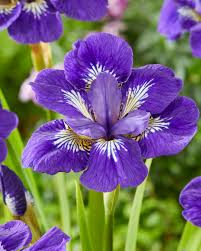
Iris songarica, commonly known as Songar Iris, is a botanical delight cherished for its distinctive characteristics and enchanting beauty. Indigenous to specific regions, this iris species has gained acclaim for its unique features, making it a prized addition to gardens and natural habitats.
The plant boasts an elegant demeanor, with tall stems that proudly bear the striking flowers of Songar Iris. These blooms exhibit a captivating range of colors, spanning from deep purples and blues to softer lavender and occasionally white tones.
The flowers are adorned with intricate patterns and possess a velvety texture, contributing to the overall allure of the plant and attracting pollinators to its nectar-rich blossoms.
The foliage of Iris songarica is another notable feature. The plant’s slender, sword-shaped leaves form a graceful tuft at the base, providing an aesthetically pleasing contrast to the vibrant flowers.
The foliage, characterized by a lush green color, enhances the overall visual appeal of the plant and adds to its ornamental value.
Adaptability is a key strength of Songar Iris, thriving in well-drained soils with a preference for slightly acidic to neutral pH levels. This versatility makes it suitable for various garden settings, including borders, rock gardens, and container plantings, where it adds a touch of sophistication to the landscape.
Cultivating Iris songarica is a rewarding experience for horticulturists, as the plant is generally low-maintenance and resilient. Its ability to adapt to diverse climatic conditions makes it a versatile choice for those seeking an enduring and visually captivating addition to their outdoor spaces.
The Botanical Description of Iris songarica
1. Leaves: Iris songarica features long, slender leaves emerging from the base, reaching up to 40 centimeters. The sword-shaped, ribbed leaves exhibit a deep green color.
2. Flowers: Vibrant blooms with three upright petals (standards) and three downward-facing sepals (falls). The petals’ colors and patterns enhance the ornamental appeal.
3. Rhizomes: Rhizomatous growth pattern for nutrient storage and vegetative reproduction, forming dense clumps over time.
4. Height: Moderately compact, reaching 20 to 40 centimeters tall, suitable for various garden settings.
5. Foliage Texture: Smooth, slightly glossy leaves add texture and contrast to the overall appearance.
6. Adaptations: Evolved features, including rhizomatous growth and intricate flower structure, enhance resilience in its natural habitat.
7. Reproductive Mechanism: Engages in both sexual and asexual reproduction through pollination and rhizome division.
8. Bloom Time: Typically blooms in late spring to early summer, attracting pollinators like bees and butterflies.
9. Petal Arrangement: Distinctive arrangement with three standards upright and three falls drooping, facilitating pollination.
10. Scent: Lacks a strong fragrance, emphasizing visual aesthetics in garden settings.
The Geographic Distribution of Iris songarica
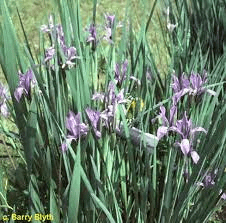
1. Native Range: Central Asian countries like Kazakhstan, Uzbekistan, and Tajikistan host Iris songarica in diverse ecosystems.
2. Altitude Preference: Thrives in mountainous regions, showcasing adaptability across various elevations.
3. Habitat Types: Flourishes in grasslands, rocky slopes, and open woodlands, displaying versatile habitat preferences.
4. Climate Conditions: Endures harsh continental climates with cold winters and hot summers.
5. Soil Requirements: Adaptable to well-draining soils, including sandy and loamy compositions.
6. Human Introduction: Cultivated beyond native range for ornamental value, expanding its geographic presence.
7. Conservation Status: While not endangered, conservation efforts may be necessary to preserve natural habitats.
8. Biotic Interactions: Serves as a nectar source, fostering relationships with pollinators for reproductive success.
9. Range Expansion: Adapts to changing environmental conditions, showcasing resilience in geographic shifts.
10. Endemism: Widespread in Central Asia, contributing to overall biodiversity in its native ecosystem.
11. Hybridization: Potential for creating hybrids with other iris varieties in regions of overlap.
12. Migration Patterns: Influenced by wildlife, particularly birds, contributing to seed dispersal and range expansion.
13. Urban Adaptation: Thrives in urban gardens and parks, displaying adaptability to human-altered landscapes.
14. Threats to Distribution: Human activities like urbanization and deforestation pose potential threats, requiring conservation efforts.
The Chemical Composition of Iris songarica
1. Flavonoids: Rich in flavonoids, providing antioxidant properties for stress resistance.
2. Alkaloids: Contains alkaloids with diverse effects, possibly contributing to plant defense mechanisms.
3. Terpenoids: Presence of terpenoids with varied biological activities, from antimicrobial properties to potential medicinal uses.
4. Tannins: Contributes to astringency, playing a role in plant defense and potential human uses.
5. Essential Oils: Adds to the aromatic profile, with applications in perfumery or aromatherapy.
6. Anthocyanins: Responsible for vibrant flower colors, possessing antioxidant properties.
7. Phenolic Compounds: Various phenolic compounds, including phenolic acids, contributing to chemical diversity.
8. Glycosides: Presence of glycosides with diverse effects on cellular processes.
9. Saponins: Adds to chemical complexity with surfactant properties, potentially involved in plant defense.
10. Amino Acids: Contains a range of amino acids, contributing to the plant’s nutritional value.
11. Carotenoids: Presence of carotenoids, responsible for yellow and orange pigments, with antioxidant properties.
12. Lignans: Part of the chemical composition, studied for potential health benefits and medicinal properties.
13. Proteins: Contains proteins with various functions, including roles in growth and development.
14. Resins: Presence of resins contributing to defense mechanisms against pathogens and herbivores.
15. Lipids: Lipids, including fatty acids, essential for cellular structure and energy storage within the plant.
Read Also: 10 Medicinal Health Benefits of Tabernaemontana pachysiphon (Smoothfruit Cornettree)
The Medicinal Health Benefits Of Iris songarica (Songar Iris)
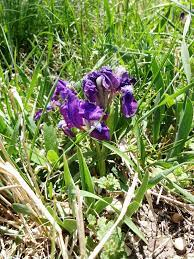
1. Anti-Inflammatory Properties: Iris songarica has anti-inflammatory effects, potentially aiding conditions like arthritis and joint pain.
2. Antioxidant Action: Rich in antioxidants, it combats oxidative stress, promoting cellular health and reducing chronic disease risk.
3. Wound Healing: Traditionally used for wound healing, its extracts may aid skin recovery and tissue regeneration.
4. Respiratory Health: Associated with respiratory benefits, offering relief from coughs and bronchitis with its anti-inflammatory nature.
5. Immune System Support: Contributes to immune system support, helping the body defend against infections.
6. Stress Reduction: Traditional uses suggest calming effects, potentially assisting in stress reduction and promoting relaxation.
7. Digestive Aid: Known for digestive properties, it may alleviate issues like indigestion and bloating, promoting gastrointestinal well-being.
8. Antimicrobial Effects: Demonstrates antimicrobial activity, beneficial in fighting off infections and supporting microbial balance.
9. Cardiovascular Health: Linked to cardiovascular health, potentially benefiting heart function and circulation.
10. Anti-Diabetic Properties: Some studies suggest potential anti-diabetic properties, aiding in blood sugar level regulation.
The Methods of Usage to Achieve the Provided Health Benefits Of Iris songarica (Songar Iris)
1. Herbal Infusions: Prepare herbal infusions for consumption as tea, utilizing Iris songarica leaves or rhizomes.
2. Topical Applications: Create topical applications like ointments or poultices using Iris songarica extracts for wound healing and skin benefits.
3. Respiratory Steam Inhalation: Inhale steam infused with Iris songarica extracts for respiratory benefits, particularly for coughs and respiratory discomfort.
4. Tinctures and Extracts: Consume oral tinctures and liquid extracts made from Iris songarica for a concentrated form of medicinal compounds.
5. Dietary Incorporation: Include Iris songarica in the diet, either as a culinary herb or part of herbal supplements, for immune and digestive benefits.
6. Stress-Relief Teas: Utilize Iris songarica in stress-relief teas to incorporate calming effects into the daily routine.
7. Digestive Teas: Brew teas from Iris songarica to support digestive health, providing relief from indigestion and promoting gastrointestinal well-being.
8. Capsule Supplements: Opt for Iris songarica in capsule form for a convenient, standardized dosage of specific health benefits.
9. Culinary Uses: Explore culinary uses of Iris songarica in recipes for a creative way to enjoy potential health benefits.
10. Aromatherapy: Extract essential oils from Iris songarica for use in aromatherapy, contributing to stress reduction and relaxation.
The Side Effects Of Using Iris songarica Medicinal Plant
1. Allergic Reactions: Some may experience allergic reactions, especially when applied topically. Perform a patch test before extensive use.
2. Gastrointestinal Distress: Excessive consumption may lead to gastrointestinal discomfort, including nausea or diarrhea. Moderation is key.
3. Skin Sensitivity: Topical applications may cause skin sensitivity. Dilute extracts and monitor skin reactions.
4. Drug Interactions: Iris songarica may interact with certain medications. Consult a healthcare professional before use.
5. Pregnancy and Lactation: Exercise caution during pregnancy and lactation due to limited research on safety.
6. Central Nervous System Effects: Excessive consumption may affect coordination and concentration. Use in moderation.
7. Not Recommended for Children: Generally not recommended for children due to limited research on effects.
8. Photosensitivity: Increased sensitivity to sunlight after topical use. Sun protection is advised.
9. Potential Blood Sugar Effects: Monitor blood sugar levels closely, especially for individuals with diabetes.
10. Long-Term Use Concerns: Long-term and excessive use may pose unknown risks. Use under healthcare professional guidance.
Read Also: 15 Medicinal Health Benefits Of Dendrocnide sinuata (Stinging Tree)
The Scientific Research and Studies of Iris songarica (Songar Iris)
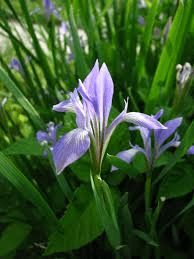
1. Anti-Inflammatory Properties: Numerous scientific studies have explored the anti-inflammatory effects of Iris songarica, indicating its potential as a natural remedy for conditions like arthritis and joint inflammation.
2. Antioxidant Action: Scientific research has looked into the antioxidant properties of Iris songarica, shedding light on its role in combating oxidative stress and reducing the risk of chronic diseases.
3. Wound Healing: Studies have investigated the wound-healing properties of Iris songarica, validating its traditional use for promoting skin recovery and tissue regeneration.
4. Respiratory Health: Scientific investigations suggest that Iris songarica may offer respiratory benefits, providing relief from conditions such as coughs and bronchitis through its anti-inflammatory nature.
5. Immune System Support: Research has explored how Iris songarica contributes to immune system support, enhancing the body’s defense mechanisms against infections.
6. Stress Reduction: Scientific studies have examined the calming effects of Iris songarica, supporting its traditional use in stress reduction and relaxation.
7. Digestive Aid: The digestive properties of Iris songarica have been subject to scientific scrutiny, indicating its potential to alleviate issues like indigestion and bloating.
8. Antimicrobial Effects: Various studies have demonstrated the antimicrobial activity of Iris songarica, highlighting its role in fighting off infections and maintaining microbial balance.
9. Cardiovascular Health: Research suggests a connection between Iris songarica and cardiovascular health, potentially benefiting heart function and circulation.
10. Anti-Diabetic Properties: Some scientific studies propose that Iris songarica may possess anti-diabetic properties, showcasing potential in regulating blood sugar levels.
The Safety Precautions and Recommendations In Using Iris songarica (Songar Iris) Medicinal Plant
1. Allergic Reactions: Exercise caution and perform a patch test before extensive use, as some individuals may experience allergic reactions to Iris songarica.
2. Gastrointestinal Distress: To prevent gastrointestinal discomfort, moderate the consumption of Iris songarica, especially in excessive amounts.
3. Skin Sensitivity: Dilute extracts when applying topically to avoid skin sensitivity. Monitor skin reactions and discontinue use if irritation occurs.
4. Drug Interactions: Consult with a healthcare professional before using Iris songarica, especially if taking prescription medications, to avoid potential interactions.
5. Pregnancy and Lactation: Exercise caution during pregnancy and lactation, as there is limited research on the safety of Iris songarica during these periods.
6. Central Nervous System Effects: Use Iris songarica in moderation to prevent potential effects on coordination and concentration.
7. Not Recommended for Children: Due to limited research on its effects, Iris songarica is generally not recommended for use in children.
8. Photosensitivity: Apply sun protection after topical use of Iris songarica to prevent increased sensitivity to sunlight.
9. Potential Blood Sugar Effects: Individuals with diabetes should monitor blood sugar levels closely when using Iris songarica.
10. Long-Term Use Concerns: Exercise caution with long-term and excessive use, as potential risks may exist. Use under the guidance of a healthcare professional.
FAQs About Iris songarica (Songar Iris) Medicinal Plant
1. Is Iris songarica safe for pregnant women?
While there is limited research on its safety during pregnancy, it’s advisable for pregnant women to exercise caution and consult with a healthcare professional before using Iris songarica.
2. Can Iris songarica be used by children?
Generally, Iris songarica is not recommended for children due to insufficient research on its effects in this population.
3. How should I perform a patch test for allergies?
Apply a small amount of Iris songarica extract on a small area of skin and monitor for any adverse reactions. Discontinue use if irritation occurs.
4. Are there any known drug interactions with Iris songarica?
Consult with a healthcare professional before using Iris songarica, especially if you are taking prescription medications, to avoid potential drug interactions.
5. Can Iris songarica be consumed in large amounts for better health benefits?
Moderation is key. Excessive consumption may lead to gastrointestinal discomfort and other potential side effects. Follow recommended dosages.
6. Are there any specific recommendations for topical applications?
Dilute Iris songarica extracts when applying topically to prevent skin sensitivity. Monitor skin reactions, and discontinue use if irritation occurs.
7. How long can Iris songarica be used continuously?
Long-term and excessive use may pose unknown risks. It’s advisable to use Iris songarica under the guidance of a healthcare professional.
8. Can Iris songarica be used in culinary dishes for its health benefits?
Yes, incorporating Iris songarica into culinary dishes can be a creative way to enjoy its potential health benefits. Follow recommended culinary uses.
9. Is there a recommended dosage for Iris songarica supplements?
For capsule supplements or tinctures, follow recommended dosages provided by healthcare professionals or product labels.
10. Can Iris songarica be used for respiratory issues like coughs?
Scientific research suggests that Iris songarica may offer respiratory benefits. Inhaling steam infused with its extracts may be helpful for respiratory discomfort.
Do you have any questions, suggestions, or contributions? If so, please feel free to use the comment box below to share your thoughts. We also encourage you to kindly share this information with others who might benefit from it. Since we can’t reach everyone at once, we truly appreciate your help in spreading the word. Thank you very much for your support and for sharing!
Disclaimer: This article is for educational and informational purposes only. The health benefits described are based on scientific research and traditional knowledge. They ayre not a substitute for professional medical advice, diagnosis, or treatment. Always consult a healthcare professional before using any herb or natural remedy for medical purposes.