


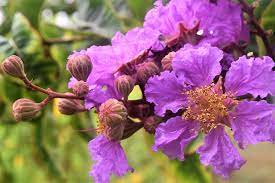
Lagerstroemia speciosa, commonly known as Banaba, is a tropical flowering tree native to Southeast Asia, particularly the Philippines and other parts of the region.
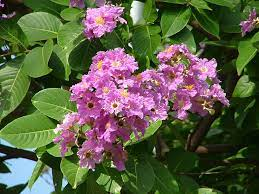
This evergreen plant belongs to the family Lythraceae and is recognized for its broad, elliptical leaves and attractive pink to lavender flowers.
Banaba is characterized by its relatively small stature, typically reaching heights of 5 to 15 meters. The tree’s bark is smooth and light brown, while its leaves are glossy and have a leathery texture.
One of the notable features of Banaba is its traditional use in herbal medicine. The leaves of the Banaba tree contain various bioactive compounds, with corosolic acid being a key component.
This acid has garnered attention for its potential anti-diabetic properties, as it is believed to aid in the regulation of blood sugar levels by enhancing cellular uptake of glucose. As a result, Banaba has been explored for its role in managing diabetes and associated conditions.
In addition to its anti-diabetic properties, Banaba is rich in antioxidants, such as ellagic acid and quercetin, which contribute to its potential health benefits.
These antioxidants help combat oxidative stress in the body, which is implicated in various chronic diseases. Furthermore, Banaba has been investigated for its anti-inflammatory and anti-obesity effects, suggesting a broader spectrum of potential therapeutic applications.
Cultivation of Banaba for its medicinal properties has gained interest, with researchers focusing on optimizing growth conditions and developing standardized extracts for pharmaceutical and nutraceutical purposes. Ongoing studies aim to deepen our understanding of the molecular mechanisms behind Banaba’s various health benefits and to assess its safety and efficacy in diverse populations.
As research on traditional herbal remedies continues to evolve, Banaba stands out as a promising botanical with potential applications in modern medicine and wellness.
The Botanical Description of Lagerstroemia speciosa
1. Tree Size: Lagerstroemia speciosa, commonly known as Banaba, is a medium to large-sized tree that can reach heights of up to 20 meters. Its trunk is sturdy, and the tree displays a symmetrical and well-balanced structure.
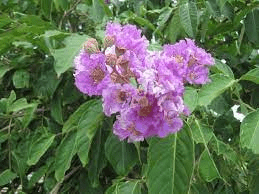
2. Leaves: The leaves of Lagerstroemia speciosa are simple, opposite, and elliptical in shape. They have a glossy texture, with prominent veins running through the surface. The leaves are known for their vibrant green color.
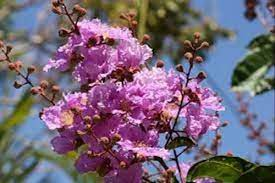
3. Flowers: The tree produces large, showy clusters of flowers, typically in shades of pink, purple, or lavender. These blossoms are characterized by a tubular shape and five-petaled arrangement, creating a visually appealing spectacle.
4. Bark: Lagerstroemia speciosa has smooth and thin bark, which may vary in color from light gray to brown. As the tree matures, the bark develops a distinctive pattern, adding to the overall aesthetic appeal.
5. Fruits: The tree bears fruit in the form of capsules containing numerous small seeds. The capsules are woody and dehiscent, meaning they split open when mature, releasing the seeds. The fruiting structure adds ornamental value to the tree.
6. Growth Habit: Lagerstroemia speciosa has a relatively fast growth rate, and its growth habit is generally upright and spreading. The tree’s canopy provides ample shade, making it a popular choice for landscaping.
7. Root System: The root system of Lagerstroemia speciosa is well-developed and helps anchor the tree securely in the soil. It is important to consider the root structure when planting Banaba in urban or confined spaces.
8. Seasonal Changes: The tree undergoes seasonal changes, with new leaves emerging in spring. During the flowering season, typically in late spring to early summer, Lagerstroemia speciosa is adorned with colorful blooms.
9. Ornamental Value: Lagerstroemia speciosa is prized for its ornamental value, making it a favored choice in gardens and parks. The combination of attractive foliage, vibrant flowers, and appealing bark enhances its visual appeal.
10. Adaptability: Banaba is adaptable to various soil types, though it thrives in well-drained, loamy soil. It also exhibits a degree of tolerance to drought conditions, further contributing to its versatility.
The Geographic Distribution of Lagerstroemia speciosa
1. Native Range: Lagerstroemia speciosa is native to Southeast Asia, with its natural range extending across countries such as the Philippines, Indonesia, Malaysia, and other parts of the region.
2. Global Distribution: Due to its ornamental and medicinal value, Banaba has been introduced to various tropical and subtropical regions worldwide. It can be found in countries with suitable climates, including parts of Africa and the Americas.
3. Climate Preferences: Lagerstroemia speciosa thrives in tropical and subtropical climates with warm temperatures. It is well-suited to regions with a distinct wet and dry season, and it can tolerate high humidity levels.
4. Altitude Range: The tree is commonly found at low to moderate altitudes, typically below 1,000 meters. Its ability to adapt to different altitudes contributes to its widespread distribution in various landscapes.
5. Cultivation in Gardens: Beyond its natural habitat, Banaba is cultivated in gardens and landscapes for its aesthetic appeal. It is often grown as an ornamental tree in tropical and subtropical regions around the world.
6. Invasive Potential: While prized for its beauty and medicinal properties, there are concerns about Lagerstroemia speciosa becoming invasive in certain non-native regions. Proper management and monitoring are essential to prevent ecological disruptions.
7. Soil Requirements: Lagerstroemia speciosa is adaptable to different soil types but prefers well-drained soil. It can thrive in slightly acidic to neutral soil conditions, further contributing to its versatility in various regions.
8. Human Interaction: The global distribution of Banaba is influenced by human interaction, both for ornamental purposes and the utilization of its medicinal properties. The tree’s presence in different regions often reflects historical trade and cultural exchanges.
9. Conservation Status: In its native range, Lagerstroemia speciosa is not considered endangered. However, as with any species, responsible cultivation and conservation efforts are important to maintain biodiversity.
10. Urban Landscaping: Due to its adaptability and attractive features, Lagerstroemia speciosa is a popular choice for urban landscaping in tropical and subtropical cities. It adds aesthetic value to parks, streets, and public spaces.
The Chemical Composition of Lagerstroemia speciosa
1. Corosolic Acid: Lagerstroemia speciosa is renowned for its high corosolic acid content. This compound is believed to contribute to the tree’s medicinal properties, including potential blood sugar-regulating effects.
2. Triterpenes: The tree contains triterpenes, which are natural compounds known for their anti-inflammatory and antioxidant properties. These triterpenes play a role in the overall bioactivity of Banaba.
3. Ellagic Acid: Ellagic acid, a polyphenolic compound, is present in Lagerstroemia speciosa. It is recognized for its antioxidant properties and potential health benefits.
4. Quercetin: Quercetin, a flavonoid, is found in Banaba and is associated with various health-promoting effects, including anti-inflammatory and antiviral properties.
5. Myricetin: Another flavonoid present in Lagerstroemia speciosa, myricetin, has antioxidant and anti-inflammatory properties. It contributes to the plant’s overall bioactive profile.
6. Gallic Acid: Gallic acid, a polyphenol, is part of the chemical composition of Banaba. It is known for its antioxidant and anti-inflammatory effects.
7. Stigmasterol: Lagerstroemia speciosa contains stigmasterol, a plant sterol with potential cholesterol-lowering properties. Plant sterols are known for their cardiovascular health benefits.
8. Betulinic Acid: Betulinic acid, a naturally occurring triterpene, is present in Banaba and has been studied for its potential anti-cancer properties.
9. Ursolic Acid: Ursolic acid, a pentacyclic triterpenoid, is found in Lagerstroemia speciosa and is known for its anti-inflammatory and antimicrobial effects.
10. Beta-Carotene: Banaba contains beta-carotene, a precursor to vitamin A. Beta-carotene is an antioxidant that supports overall skin and eye health.
11. Lagerstroemin: Lagerstroemin is a compound unique to Lagerstroemia speciosa. It has been studied for its potential antidiabetic effects and may play a role in blood sugar regulation.
12. Catechins: Catechins, a type of flavonoid, are present in Banaba and are associated with various health benefits, including cardiovascular support.
13. Rutin: Rutin, a flavonoid glycoside, is part of the chemical profile of Lagerstroemia speciosa. It has antioxidant properties and may contribute to the plant’s overall therapeutic potential.
14. Kaempferol: Kaempferol, a flavonol, is found in Banaba and is known for its anti-inflammatory and antioxidant activities.
15. Tannins: Tannins, polyphenolic compounds, are present in Lagerstroemia speciosa. They contribute to the plant’s astringent properties and have potential health benefits.
Read Also: How to Grow, Use and Care for Wolftail Sedge Grass (Carex cherokeensis)
The Medicinal Health Benefits Of Lagerstroemia speciosa (Banaba)
1. Blood Sugar Regulation: One of the prominent health benefits of Lagerstroemia speciosa is its potential to regulate blood sugar levels. Compounds like corosolic acid may play a role in improving insulin sensitivity.
2. Antioxidant Support: Banaba is rich in antioxidants, including flavonoids and polyphenols, which help neutralize free radicals in the body. This antioxidant activity contributes to overall health and well-being.
3. Anti-Inflammatory Properties: The triterpenes and flavonoids in Lagerstroemia speciosa exhibit anti-inflammatory effects, making it a potential ally in managing inflammatory conditions.
4. Cardiovascular Health: Compounds like beta-carotene, stigmasterol, and catechins contribute to cardiovascular health. They may help lower cholesterol levels, support blood vessel health, and reduce the risk of cardiovascular diseases.
5. Weight Management: Some studies suggest that Banaba may aid in weight management by influencing metabolism and fat metabolism. This potential benefit is of interest in the context of overall health.
6. Skin Health: The antioxidants present in Lagerstroemia speciosa, such as rutin and quercetin, contribute to skin health by combating oxidative stress. These compounds may support overall skin vitality.
7. Liver Health: Certain compounds in Banaba, including ursolic acid and gallic acid, have been studied for their potential liver-protective effects. They may contribute to maintaining optimal liver function.
8. Antiviral Properties: Flavonoids like quercetin in Lagerstroemia speciosa exhibit antiviral properties. While more research is needed, this suggests potential benefits for immune system support.
9. Anticancer Potential: Some compounds, such as betulinic acid, found in Banaba have been investigated for their potential anticancer properties. However, more research is needed to establish their efficacy.
10. Gastrointestinal Health: Tannins present in Lagerstroemia speciosa contribute to its astringent properties, which may have positive effects on gastrointestinal health. This includes potential support for digestive processes.
11. Anti-Anxiety Effects: While not fully understood, some studies suggest that Banaba may have calming effects, potentially influencing anxiety levels. This effect may be linked to its impact on various physiological processes.
12. Antimicrobial Actions: Certain compounds in Banaba, such as lagerstroemin, show potential antimicrobial properties. This suggests a role in protecting against microbial infections.
13. Cognitive Support: The antioxidants and anti-inflammatory compounds in Lagerstroemia speciosa may contribute to cognitive health. Some studies explore the plant’s potential in supporting brain function.
14. Anti-Aging Effects: The antioxidant-rich profile of Banaba suggests potential anti-aging effects. By neutralizing free radicals, the plant may contribute to maintaining youthful cellular function.
15. Hormonal Balance: Compounds in Lagerstroemia speciosa may influence hormonal balance, particularly in conditions related to insulin and glucose metabolism. This has implications for overall hormonal health.
16. Diuretic Effects: Traditionally, Banaba has been used as a diuretic, promoting the elimination of excess fluids from the body. This may be beneficial for individuals dealing with mild fluid retention.
17. Respiratory Health: Some compounds in Banaba, including quercetin, have anti-inflammatory properties that may support respiratory health. This potential benefit warrants further exploration.
18. Immune System Support: The presence of antioxidants and immune-modulating compounds in Lagerstroemia speciosa suggests potential support for the immune system, aiding in the body’s defense against infections.
The Methods of Usage to Achieve the Provided Health Benefits Of Lagerstroemia speciosa (Banaba)
1. Herbal Teas: One of the common methods of using Banaba is by preparing herbal teas. Dried leaves or commercially available Banaba tea bags can be steeped in hot water to make a flavorful and health-supportive beverage.
2. Dietary Supplements: Banaba supplements, available in various forms such as capsules or tablets, provide a concentrated source of its bioactive compounds. These supplements are often used for targeted health benefits.
3. Tinctures: Tinctures, which are alcohol-based extracts of Banaba, offer another method of consumption. Tinctures provide a convenient way to incorporate Banaba into daily routines.
4. Powdered Form: The leaves of Lagerstroemia speciosa can be dried and ground into a powder. This powder can be added to smoothies, juices, or other beverages, offering a versatile way to consume Banaba.
5. Culinary Uses: In traditional practices, Banaba leaves may be used in culinary applications. They can be added to soups, stews, or other dishes to impart their potential health benefits.
6. External Applications: While less common, Banaba leaves may be used externally in the form of poultices or creams. This method is explored for potential skin-related benefits.
7. Infused Oils: Infusing oils with Banaba leaves can create a topical product that may be used for massages or skincare. This method allows for the extraction of beneficial compounds into the oil.
8. Combining with Other Herbs: Banaba can be used in combination with other herbs to create synergistic effects. Herbal formulations or combinations are often explored for specific health goals.
9. Controlled Dosages: Regardless of the method of usage, it is essential to follow recommended dosages. Controlled and monitored usage helps maximize benefits while minimizing the risk of potential side effects.
10. Consultation with Healthcare Professionals: Before incorporating Banaba into health regimens, especially in the form of supplements, consulting with healthcare professionals is advisable. They can provide personalized guidance based on individual health conditions.
11. Integration into Daily Diet: For individuals who prefer a holistic approach, integrating Banaba into the daily diet through teas, culinary uses, or powdered forms can be a gradual and sustainable method.
12. Periodic Monitoring: Individuals using Banaba for specific health benefits should periodically monitor their progress and assess how their body responds. This allows for adjustments in usage based on individual needs.
The Side Effects Of Using Lagerstroemia speciosa Medicinal Plant
1. Hypoglycemia Risk: Due to its potential blood sugar-lowering effects, excessive consumption of Banaba may lead to hypoglycemia, especially in individuals already taking medications for diabetes. Regular monitoring is crucial.
2. Allergic Reactions: Some individuals may be sensitive to certain compounds in Banaba, leading to allergic reactions. This may include skin rashes, itching, or respiratory symptoms. Allergy testing is advisable.
3. Gastrointestinal Discomfort: In some cases, the use of Banaba may cause mild gastrointestinal discomfort, including nausea or stomach upset. Adjusting the dosage or method of consumption may help alleviate these symptoms.
4. Drug Interactions: Banaba supplements may interact with certain medications, including those for diabetes or blood pressure. It’s essential to inform healthcare providers about Banaba use to prevent potential interactions.
5. Pregnancy and Breastfeeding: Pregnant and breastfeeding women should exercise caution with Banaba use. Limited research exists on its safety during these periods, and consultation with a healthcare professional is recommended.
6. Blood Pressure Regulation: Banaba may have an impact on blood pressure. Individuals with existing blood pressure conditions should monitor their levels regularly and consult with healthcare providers to avoid potential complications.
7. Anticoagulant Effects: Some compounds in Banaba, such as quercetin, may have anticoagulant effects. Individuals on blood-thinning medications should exercise caution and seek medical advice.
8. Insulin Sensitivity: While Banaba is known for its potential to improve insulin sensitivity, individuals on diabetic medications should coordinate with healthcare professionals to avoid complications related to hypoglycemia.
9. Sedative Effects: Banaba may have mild sedative effects, and individuals taking medications with sedative properties should be cautious to prevent excessive drowsiness or impaired alertness.
10. Kidney Health: Individuals with kidney conditions should be mindful of Banaba use, as the plant may have diuretic effects. Monitoring fluid balance and consulting healthcare providers is advisable.
11. Impact on Fertility: Limited information is available regarding the impact of Banaba on fertility. Couples trying to conceive should consult with healthcare professionals to assess its suitability.
12. Long-Term Effects: Prolonged and excessive use of Banaba may have unknown long-term effects. It is advisable to use this medicinal plant under the guidance of healthcare professionals.
13. Not a Substitute for Medical Treatment: While Banaba shows promise in various health benefits, it should not be considered a substitute for medical treatments. Individuals with health conditions should continue prescribed treatments as advised by healthcare providers.
14. Pediatric Use: Limited research exists on the safety of Banaba in children. Its use in pediatric populations should be approached with caution, and consultation with healthcare professionals is recommended.
15. Individual Variations: Responses to Banaba can vary among individuals. Factors such as overall health, existing medical conditions, and genetic factors may influence how the body responds to Banaba supplementation.
16. Quality of Supplements: For those using Banaba in supplement form, the quality of the product matters. Choosing reputable brands and ensuring product purity is crucial for safety and efficacy.
17. Psychological Impact: Banaba’s potential calming effects may influence psychological well-being. Individuals with mental health conditions should communicate with healthcare providers to assess its impact.
18. Monitoring for Changes: Regular monitoring of health parameters, such as blood sugar levels, blood pressure, and overall well-being, is essential when incorporating Banaba into health regimens.
Read Also: 15 Medicinal Health Benefits Of Dendrocnide sinuata (Stinging Tree)
The Scientific Research and Studies of Lagerstroemia speciosa
1. Antidiabetic Properties: Scientific studies have explored the antidiabetic properties of Lagerstroemia speciosa, particularly its potential in regulating blood sugar levels. Compounds like corosolic acid have been studied for their insulin-sensitizing effects.
2. Antioxidant Activity: Research indicates that Banaba exhibits significant antioxidant activity, attributed to the presence of flavonoids, polyphenols, and other bioactive compounds. This antioxidant capacity contributes to overall health benefits.
3. Anti-Inflammatory Effects: The triterpenes and flavonoids found in Banaba have demonstrated anti-inflammatory effects in various studies. These effects suggest potential applications in managing inflammatory conditions.
4. Cardiovascular Health: Studies have explored the impact of Banaba on cardiovascular health. Compounds like stigmasterol and catechins may contribute to cholesterol-lowering effects and support overall heart health.
5. Weight Management: Some research suggests that Banaba may influence weight management by affecting metabolic processes. This area is of interest in understanding the plant’s role in promoting a healthy weight.
6. Skin Conditions: The antioxidant and anti-inflammatory properties of Banaba have been studied for potential applications in managing certain skin conditions. These studies explore the plant’s effects on oxidative stress and inflammation.
7. Liver Protective Effects: Compounds such as ursolic acid and gallic acid found in Banaba have been investigated for their potential protective effects on the liver. Research suggests a role in maintaining liver health.
8. Antiviral Potential: Scientific studies have explored the antiviral properties of Banaba, particularly certain flavonoids. While preliminary, this research hints at possible applications in supporting the immune system against viral infections.
The Safety Precautions and Recommendations In Using Lagerstroemia speciosa Medicinal Plant
1. Dosage Guidelines: Adhere to recommended dosage guidelines when using Banaba supplements or herbal preparations. Excessive intake may lead to adverse effects, and controlled usage is essential.
2. Consultation with Healthcare Professionals: Before incorporating Banaba into health regimens, especially for individuals with pre-existing health conditions or those taking medications, consultation with healthcare professionals is crucial.
3. Regular Health Monitoring: Individuals using Banaba for specific health benefits should undergo regular health monitoring. This includes assessing blood sugar levels, blood pressure, and other relevant parameters.
4. Awareness of Individual Health Status: Individuals with diabetes, blood pressure issues, or other health conditions should be particularly aware of their health status while using Banaba. Any unexpected changes should be promptly reported to healthcare providers.
5. Consideration for Pregnant and Breastfeeding Women: Pregnant and breastfeeding women should exercise caution with Banaba use. Consultation with healthcare professionals can provide personalized guidance based on individual circumstances.
6. Quality of Supplements: If using Banaba supplements, choose products from reputable brands. Ensure the quality and purity of the supplements to maximize safety and efficacy.
7. Monitoring for Allergic Reactions: Individuals using Banaba for the first time should monitor for allergic reactions. Any signs of skin rashes, itching, or respiratory symptoms should be addressed promptly.
8. Interaction with Medications: Be aware of potential interactions between Banaba and medications. This is especially important for individuals taking medications for diabetes, blood pressure, or other health conditions.
9. Gradual Integration into Regimens: For those incorporating Banaba into their health regimens, gradual integration is advisable. Start with lower doses and observe how the body responds before adjusting the dosage.
10. Awareness of Sedative Effects: Individuals using Banaba, especially those on medications with sedative properties, should be aware of potential sedative effects. Caution is necessary to prevent excessive drowsiness or impaired alertness.
11. Kidney Health Considerations: Individuals with kidney conditions should monitor fluid balance while using Banaba, as it may have diuretic effects. Consultation with healthcare providers is recommended.
12. Long-Term Use Considerations: Consider the long-term use of Banaba cautiously. Periodic evaluations of its continued efficacy and any potential side effects are essential for ongoing well-being.
FAQs About Lagerstroemia speciosa Medicinal Plant
1. Is Banaba Safe for Long-Term Use?
Banaba is generally considered safe for long-term use when consumed within recommended dosage guidelines. However, individual responses may vary, and periodic health assessments are advisable.
2. Can Banaba Replace Diabetes Medications?
Banaba should not be considered a substitute for prescribed diabetes medications. Individuals with diabetes should continue their medications as directed by healthcare professionals.
3. Are There Any Dietary Restrictions When Using Banaba?
While using Banaba, individuals should follow a balanced and healthy diet. Those with specific dietary restrictions or considerations should consult healthcare providers.
4. Can Banaba be Used During Pregnancy?
Pregnant women should exercise caution with Banaba use, and consultation with healthcare professionals is recommended to assess safety based on individual circumstances.
5. How Quickly Can One Expect Results in Blood Sugar Regulation?
Individual responses to Banaba vary, and the time to observe results in blood sugar regulation may differ. Consistent usage and regular monitoring are essential.
6. Are There Any Age Restrictions for Banaba Use?
While Banaba is generally safe for adults, limited research exists on its safety for children. Consultation with healthcare providers is recommended for pediatric use.
7. Can Banaba be Used Alongside Other Herbal Supplements?
Banaba can be used alongside other herbal supplements, but it’s advisable to consult healthcare professionals to ensure compatibility and prevent potential interactions.
8. How Should Banaba be Stored?
Store Banaba supplements or herbal preparations in a cool, dry place, away from direct sunlight. Follow product-specific storage instructions for optimal shelf life.
9. Is Banaba Safe for Individuals with Allergies?
While Banaba is generally well-tolerated, individuals with known allergies should monitor for any adverse reactions. Allergy testing may be advisable.
10. Can Banaba be Used Topically for Skin Conditions?
Banaba leaves may be used topically, but this application is less common. Individuals exploring topical use should test a small area for skin sensitivity.
Do you have any questions, suggestions, or contributions? If so, please feel free to use the comment box below to share your thoughts. We also encourage you to kindly share this information with others who might benefit from it. Since we can’t reach everyone at once, we truly appreciate your help in spreading the word. Thank you very much for your support and for sharing!
Disclaimer: This article is for educational and informational purposes only. The health benefits described are based on scientific research and traditional knowledge. They ayre not a substitute for professional medical advice, diagnosis, or treatment. Always consult a healthcare professional before using any herb or natural remedy for medical purposes.
Read Also: Benefits of Passion Flowers