


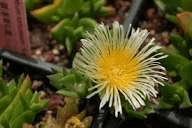
Mesembryanthemum tortuosum, also known as Kanna, is a succulent plant belonging to the Aizoaceae family. Native to the arid regions of South Africa, this unique plant is characterized by its distinct physical features and adaptations that allow it to thrive in challenging environments.
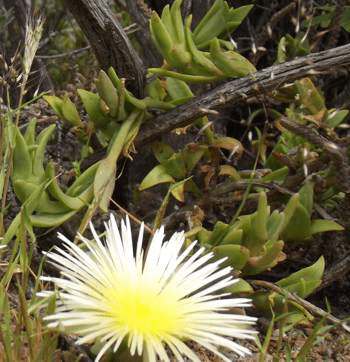
Mesembryanthemum tortuosum has fleshy, cylindrical leaves that are gray-green in color and often tinged with red. These leaves are adapted to store water, a crucial feature for surviving in arid conditions. The leaves are arranged opposite each other on the stems, and they can range in length from about 1 to 4 centimeters.
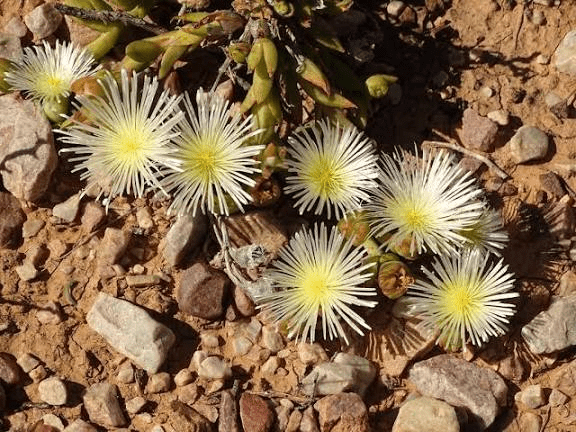
The plant produces vibrant yellow flowers with numerous petals. These flowers are solitary and can be up to 3 centimeters in diameter. The flower petals are arranged in a spiral pattern, giving rise to the plant’s specific epithet “tortuosum,” which means twisted or winding.
Mesembryanthemum tortuosum typically has trailing or prostrate stems that spread along the ground. These stems are often reddish in color and can root at nodes when they come into contact with the soil. This adaptation allows the plant to effectively propagate and establish new individuals.
The plant has a well-developed root system that helps it access water and nutrients from the soil. The roots are adapted to store water, contributing to the plant’s ability to survive in drought-prone regions.
Mesembryanthemum tortuosum is endemic to the Namaqualand region of South Africa, as well as other parts of the country. It is well adapted to the semi-arid and arid climates of these areas, where water availability can be limited.
Due to its unique appearance and potential medicinal properties, Mesembryanthemum tortuosum has gained interest beyond its native habitat. It is now cultivated in various parts of the world for ornamental and medicinal purposes. However, it’s important to note that cultivation practices can vary, and the plant’s growth and development might differ from its natural habitat.
Apart from its ornamental value, Mesembryanthemum tortuosum, or Kanna, has a long history of traditional use by indigenous communities. It has been used for its mood-enhancing and medicinal properties, as well as in cultural and shamanic rituals. In modern times, Kanna’s potential benefits have attracted attention in the field of natural remedies and wellness.
Read Also: Yam Flowers: Economic Importance, Uses and By-Products
The Medicinal Health Benefits of Mesembryanthemum tortuosum (Kanna)
1. Mood Enhancement: Kanna is renowned for its mood-boosting effects. Its alkaloids, including mesembrine and mesembrenone, are believed to interact with serotonin receptors, promoting feelings of happiness and reducing symptoms of mild depression and anxiety.
2. Stress Reduction: The plant’s anxiolytic properties make it a valuable ally in stress management. Kanna’s consumption is thought to help lower cortisol levels, contributing to a calmer and more relaxed state of mind.
3. Cognitive Enhancement: Traditional use of Kanna includes improving cognitive function. Some reports suggest that Kanna might enhance focus, concentration, and mental clarity, potentially aiding in tasks that require cognitive effort.
4. Appetite Suppression: Kanna has been traditionally employed as a natural appetite suppressant. By influencing serotonin and dopamine activity, it may help regulate cravings and promote better control over food intake.
5. Pain Relief: The alkaloids in Kanna exhibit potential analgesic properties. While not a substitute for strong pain medications, Kanna might provide mild relief from discomfort caused by conditions such as headaches or minor injuries.
6. Anti-Inflammatory Action: Certain compounds found in Kanna possess anti-inflammatory attributes. Although not a primary treatment for severe inflammation, it may offer some relief from minor inflammatory discomfort.
7. Sleep Aid: In some traditional practices, Kanna has been utilized to improve sleep quality. Its relaxation-inducing effects might assist individuals struggling with mild insomnia in achieving a restful night’s sleep.
8. Emotional Well-being: Kanna has a history of use in promoting emotional balance. It may aid individuals in coping with emotional challenges, providing a sense of resilience and well-being.
9. Social Anxiety Relief: Some anecdotal evidence suggests that Kanna could alleviate social anxiety. By promoting relaxation and reducing nervousness, it might facilitate more comfortable social interactions.
10. Spiritual Exploration: Indigenous cultures have used Kanna in spiritual and shamanic rituals. Its potential to induce altered states of consciousness may facilitate introspection and spiritual exploration.
Read Also: 20 Medicinal Health Benefits of Baissea multiflora (Indian Walnut)
The Methods of Usage to Achieve the Provided Health Benefits of Mesembryanthemum tortuosum (Kanna)
1. Chewing the Leaves: Chewing fresh Kanna leaves is a traditional method that provides rapid effects. Start by chewing a small amount of leaves and hold the plant material in your mouth for about 10 to 15 minutes. The alkaloids are absorbed through the mucous membranes, leading to quicker onset of effects. Remember that the taste might be bitter or astringent.
2. Powdered Form: Grinding dried Kanna leaves into a fine powder allows for versatile usage. You can ingest the powdered form by mixing it with a beverage or sprinkling it on food. This method provides a more palatable option compared to chewing and offers a controlled way to measure your dosage.
3. Tea Preparation: Making a Kanna tea is a gentler way to experience its effects. To prepare the tea, steep the dried leaves or powder in hot water for around 15 to 20 minutes. Strain the liquid before consumption. This method provides a milder onset of effects and is suitable for those who prefer a less intense experience.
4. Smoking or Vaporizing: Some individuals opt to smoke or vaporize Kanna. While this method may offer quicker effects, it might not be as efficient in delivering the plant’s medicinal compounds. If you choose to smoke or vaporize, it’s important to exercise caution and use moderation.
5. Tinctures and Extracts: Kanna tinctures and extracts are concentrated forms that offer precise dosing. These products are often prepared by extracting the plant’s active compounds using alcohol or other solvents. They can be taken sublingually (under the tongue) for faster absorption or added to beverages.
6. Capsules and Tablets: For those who prefer a more convenient and standardized approach, Kanna capsules or tablets are available. These formulations provide consistent dosages and are easy to incorporate into your daily routine.
7. Combining with Foods or Beverages: Incorporating Kanna into foods or beverages can mask its bitter taste. You can mix the powdered form with smoothies, yogurt, or herbal teas. Keep in mind that consuming Kanna with food may slightly delay the onset of effects.
8. Dosage Considerations: The appropriate dosage of Kanna can vary based on factors such as individual tolerance, body weight, and desired effects. It’s advisable to start with a low dosage and gradually increase if needed. Consulting with a knowledgeable healthcare professional or herbalist can provide personalized guidance.
The Side Effects of Using Mesembryanthemum tortuosum Medicinal Plant
1. Dizziness and Lightheadedness: Some individuals might experience mild dizziness or lightheadedness after using Kanna. This effect could be due to the plant’s influence on serotonin receptors and neurotransmitter activity.
2. Headache: Occasional headaches have been reported by individuals using Kanna. If you experience persistent or severe headaches, it’s advisable to reduce or discontinue use.
3. Gastrointestinal Discomfort: Mild stomach upset, including nausea and digestive discomfort, could occur in some cases. This might be more likely with higher doses or if Kanna is consumed on an empty stomach.
4. Overstimulation: In some instances, Kanna might lead to overstimulation, restlessness, or feelings of nervousness. Adjusting the dosage or method of consumption could help alleviate these effects.
5. Hypertension and Heart Rate Changes: Kanna’s potential influence on serotonin and other neurotransmitters might impact blood pressure and heart rate. Individuals with hypertension or heart conditions should exercise caution and consult a healthcare professional.
6. Allergic Reactions: While rare, allergic reactions to Kanna are possible. If you experience symptoms such as skin rash, itching, or swelling, discontinue use and seek medical attention.
7. Serotonin Syndrome: Excessive consumption of Kanna or combining it with other substances that affect serotonin levels could lead to serotonin syndrome. This condition is characterized by symptoms like agitation, confusion, rapid heartbeat, and high blood pressure. Seek medical help if you suspect serotonin syndrome.
8. Pregnancy and Nursing: Pregnant and nursing individuals should avoid using Kanna due to its potential effects on hormones and neurotransmitters. It’s important to prioritize the safety of both the mother and the developing baby.
9. Interaction with Medications: Kanna may interact with medications that influence serotonin levels, such as antidepressants and certain migraine medications. Consult a healthcare provider if you’re taking any medications to ensure safe use.
10. Tolerance and Dependence: Continuous or excessive use of Kanna could lead to tolerance, diminishing its effects over time. There’s also a potential risk of psychological dependence, although this is generally considered to be less likely than with certain other substances.
Nutritional Value of Mesembryanthemum Tortuosum (Kanna)
1. Mesembrine: This is the primary alkaloid in Kanna, comprising up to 0.5% of the plant material, known for its psychoactive properties that promote mood enhancement and serotonin reuptake inhibition, helping to alleviate anxiety and stress.
2. Mesembrenone: Another key alkaloid at around 0.3-0.4%, mesembrenone acts as a potent inhibitor of phosphodiesterase-4 (PDE4), contributing to anti-inflammatory effects and improved cognitive function by reducing brain inflammation.
3. Mesembrenol: Present in smaller amounts (0.1-0.2%), this alkaloid supports the plant’s overall mood-elevating effects through mild monoamine oxidase inhibition, aiding in the release of neurotransmitters like serotonin and dopamine.
4. Hordenine: A phenethylamine alkaloid found in traces (up to 0.1%), hordenine has stimulant properties that may enhance focus and energy, while also exhibiting antimicrobial activity against certain bacteria.
5. Dietary Fiber: Kanna leaves and stems contain soluble fiber, estimated at 10-15% dry weight, which supports digestive health by promoting regular bowel movements and maintaining gut microbiome balance.
6. Carbohydrates: Comprising 40-50% of the dry matter, these polysaccharides provide sustained energy and contribute to the plant’s role in traditional use for combating fatigue during long hunts.
7. Proteins: The plant offers 5-8% protein content, including essential amino acids that support tissue repair and immune function, making it a nutrient-dense option in traditional diets.
8. Minerals (Potassium, Calcium, Magnesium): Rich in minerals like potassium (up to 1.5%), calcium, and magnesium, these elements aid in electrolyte balance, bone health, and muscle relaxation, beneficial for stress relief.
9. Vitamins (Vitamin C and B Vitamins): Kanna provides antioxidant vitamins such as vitamin C (around 20-30 mg/100g fresh weight) and B vitamins, which support immune response and energy metabolism.
10. Antioxidants (Flavonoids and Phenolics): These compounds, present at 2-5% levels, protect cells from oxidative stress, potentially reducing inflammation and supporting overall cellular health.
Scientific Evidence and Case Studies on Mesembryanthemum Tortuosum (Kanna)
1. Terburg et al. (2013): This double-blind study examined the acute effects of a Sceletium tortuosum extract (Zembrin) on brain activity in healthy volunteers using fMRI. It demonstrated reduced amygdala reactivity to threatening faces, indicating anxiolytic effects through dual 5-HT reuptake and PDE4 inhibition, suggesting potential for stress relief (Terburg, D., Syal, S., Rosien, D. L., et al., 2013, Neuropsychopharmacology).
2. Smith (2011): In an in vivo model of psychological stress using rats, Sceletium tortuosum extract was administered, showing significant reductions in anxiety-like behaviors and cortisol levels, highlighting its antidepressant properties and support for mood stabilization (Smith, C., 2011, Journal of Ethnopharmacology).
3. Chiu et al. (2014): A proof-of-concept randomized controlled trial on cognitively healthy subjects tested Zembrin extract’s effects on cognition. Results indicated improved executive function and memory via PDE4 targeting, with implications for Alzheimer’s prevention through enhanced brain signaling (Chiu, S., et al., 2014, Evidence-Based Complementary and Alternative Medicine).
4. Manganyi et al. (2021): This comprehensive review summarized biological properties of Sceletium tortuosum, including antimicrobial, anti-inflammatory, and antioxidant activities from its alkaloids. It confirmed efficacy in reducing oxidative stress and inflammation in preclinical models, supporting its use for overall health promotion (Manganyi, M. C., et al., 2021, Molecules).
5. Harvey et al. (2011): The study reviewed pharmacological actions of Kanna’s principal alkaloids, demonstrating serotonin reuptake inhibition and PDE4 blockade in vitro, leading to anxiolytic and antidepressant effects in animal models, with potential for treating psychiatric disorders (Harvey, A. L., et al., 2011, Journal of Ethnopharmacology).
Frequently Asked Questions About Mesembryanthemum Tortuosum (Kanna)
1. What is Mesembryanthemum tortuosum?
Mesembryanthemum tortuosum, commonly known as Kanna or Sceletium tortuosum, is a succulent plant native to South Africa, traditionally used by indigenous peoples for its mood-enhancing and stress-relieving properties.
2. What are the health benefits of Kanna?
Kanna may help reduce anxiety, improve mood, enhance cognitive function, and alleviate stress due to its alkaloids like mesembrine, which inhibit serotonin reuptake and PDE4, based on preliminary studies.
3. Is Kanna safe to use?
When used in moderation as a supplement (50-200 mg doses), Kanna is generally safe for most adults, but consult a healthcare provider, especially if pregnant, breastfeeding, or on medications, as it may interact with antidepressants.
4. How do you consume Kanna?
Kanna can be chewed as dried leaves, made into tea, taken as capsules or extracts like Zembrin, or used sublingually; start with low doses to assess tolerance.
5. Can Kanna help with anxiety or depression?
Research suggests Kanna has anxiolytic and antidepressant effects by modulating serotonin and reducing brain inflammation, but it should not replace professional medical treatment.
6. Is Kanna legal?
Kanna is legal in most countries, including the US and Canada, as a dietary supplement, but check local regulations, as it was briefly scheduled in some places before being removed.
7. What are the side effects of Kanna?
Possible side effects include headache, nausea, or insomnia at high doses; it’s generally well-tolerated but avoid combining with SSRIs or other serotonergic drugs to prevent serotonin syndrome.
8. How does Kanna differ from MDMA?
Unlike MDMA, Kanna is a natural plant extract with milder, non-hallucinogenic effects focused on mood elevation and relaxation, without the intense euphoria or risks associated with synthetic drugs.
Do you have any questions, suggestions, or contributions? If so, please feel free to use the comment box below to share your thoughts. We also encourage you to kindly share this information with others who might benefit from it. Since we can’t reach everyone at once, we truly appreciate your help in spreading the word. Thank you very much for your support and for sharing!
Disclaimer: This article is for educational and informational purposes only. The health benefits described are based on scientific research and traditional knowledge. They are not a substitute for professional medical advice, diagnosis, or treatment. Always consult a healthcare professional before using any herb or natural remedy for medical purposes.
Read Also: Feeding the World: The Importance of Sustainable Crop Farming