


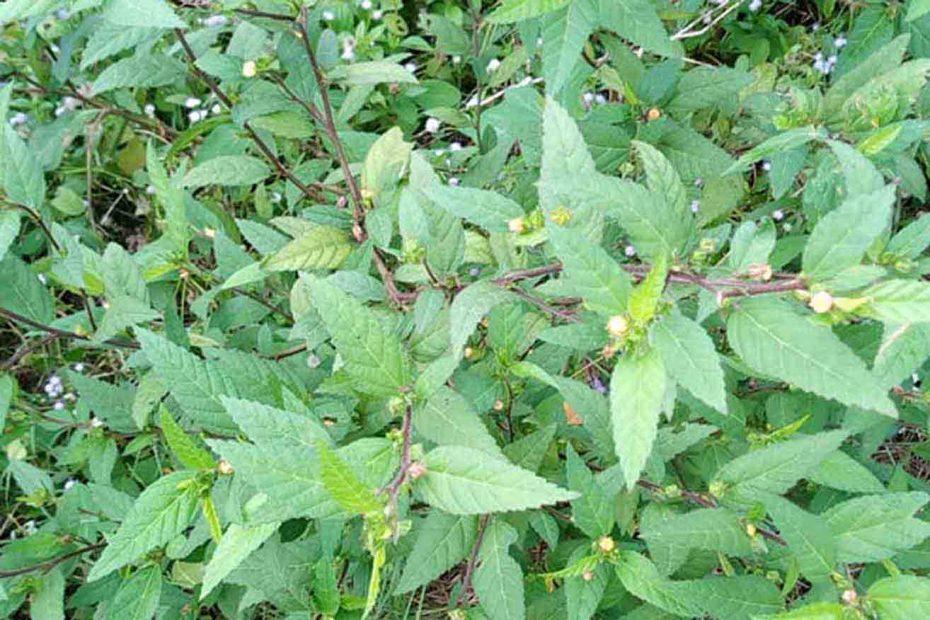
Benefits of Sida acuta for health are numerous and significant, making it a valuable addition to traditional medicine and contemporary health practices. Sida acuta, commonly known as “broomweed,” is a perennial herb that belongs to the Malvaceae family. This plant is native to tropical and subtropical regions, and its wide distribution has led to various uses in herbal medicine across different cultures. The leaves, stems, and flowers of Sida acuta are rich in bioactive compounds, including flavonoids, alkaloids, and tannins, which contribute to its therapeutic properties.
One of the most notable benefits of Sida acuta is its anti-inflammatory properties. Chronic inflammation is linked to numerous health issues, including heart disease, diabetes, and autoimmune disorders. Studies have shown that extracts of Sida acuta can inhibit inflammatory markers and help reduce swelling, providing relief for conditions such as arthritis and other inflammatory diseases.
Another key benefit of Sida acuta is its potential as an analgesic, offering pain relief for various ailments. Traditional healers have used this herb to alleviate headaches, muscle pain, and joint discomfort. Its ability to act on the central nervous system may contribute to its pain-relieving effects, making it a natural alternative to over-the-counter pain medications.
Sida acuta also shows promise in promoting digestive health. It has been traditionally used to treat gastrointestinal issues such as diarrhea, dysentery, and stomach cramps. The presence of tannins in the plant may help firm up loose stools, while other compounds can soothe the digestive tract and improve overall gut health.
Moreover, Sida acuta is recognized for its antimicrobial properties. Research indicates that it possesses activity against various pathogens, including bacteria and fungi. This makes it a valuable option for addressing infections and supporting immune function. Its traditional use in treating wounds and skin infections highlights its potential for topical applications as well.
Another significant benefit of Sida acuta is its role in managing blood sugar levels. Some studies suggest that it may help lower blood glucose levels, making it a potential ally for those with diabetes or at risk of developing the condition. Its hypoglycemic effects could contribute to better glycemic control when combined with a balanced diet and healthy lifestyle.
Furthermore, Sida acuta is believed to support respiratory health. Traditionally, it has been used to relieve coughs and respiratory issues such as asthma and bronchitis. The herb’s anti-inflammatory properties may help ease airway inflammation, promoting better airflow and respiratory function.
Lastly, the antioxidant properties of Sida acuta play a crucial role in its health benefits. Antioxidants help combat oxidative stress, a factor in many chronic diseases and aging. By neutralizing harmful free radicals, Sida acuta may contribute to overall health and longevity.
Nutritional Value of Sida Acuta
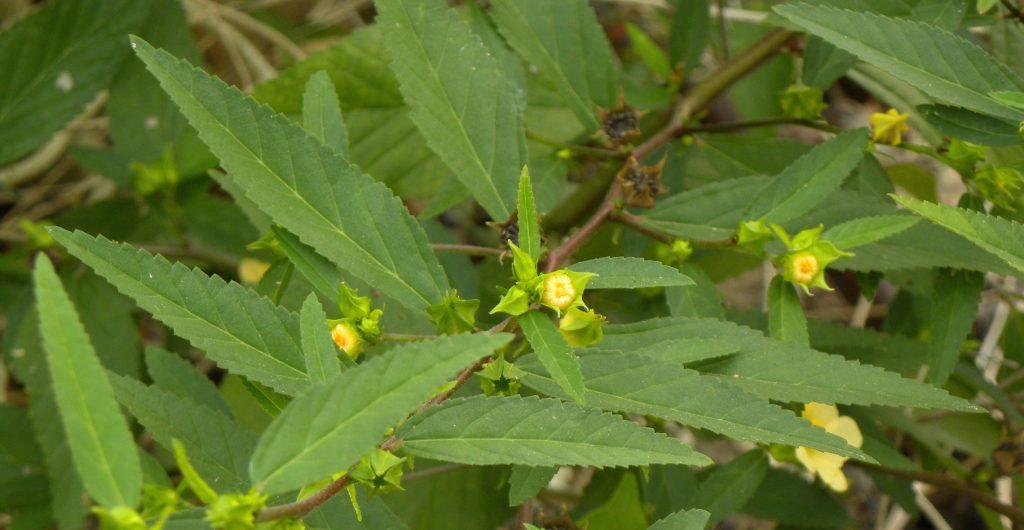
Sida acuta is rich in essential nutrients and bioactive compounds, making it a valuable addition to the diet.
1. Vitamins: Sida acuta contains several vitamins, particularly vitamin A (for vision and immune function), vitamin C (for antioxidant protection and skin health), and certain B vitamins that support energy metabolism.
2. Minerals: The plant is a source of important minerals, including calcium (for bone health), iron (for blood health), and potassium (for heart and muscle function).
3. Fiber: Sida acuta is high in dietary fiber, which aids in digestion, promotes satiety, and helps maintain healthy blood sugar levels.
4. Phytochemicals: The presence of various phytochemicals, such as flavonoids and polyphenols, contributes to its health benefits, including anti-inflammatory and antioxidant effects.
Anti-inflammatory Properties
Sida acuta is well-known for its anti-inflammatory properties, which can help alleviate various inflammatory conditions.
1. Mechanisms of Action: The active compounds in Sida acuta, such as flavonoids and tannins, inhibit the production of pro-inflammatory cytokines and enzymes. This action reduces inflammation in tissues and organs.
2. Applications: Traditional uses of Sida acuta include treating conditions like arthritis, respiratory disorders, and skin inflammation. Its anti-inflammatory properties make it beneficial for managing pain and swelling associated with these ailments.
3. Research Support: Studies have indicated that extracts from Sida acuta can effectively reduce inflammation in animal models, supporting its traditional use in herbal medicine.
Antioxidant Benefits
The antioxidant properties of Sida acuta contribute to its ability to combat oxidative stress and protect against various diseases.
1. Free Radical Scavenging: The phytochemicals in Sida acuta, particularly flavonoids and phenolic compounds, neutralize free radicals in the body. This action helps prevent cellular damage that can lead to chronic diseases, including cancer and cardiovascular conditions.
2. Support for Overall Health: By reducing oxidative stress, Sida acuta may contribute to improved overall health, enhanced immune function, and a lower risk of age-related diseases.
3. Research Evidence: Various studies have demonstrated the antioxidant potential of Sida acuta extracts, highlighting their ability to inhibit oxidative damage in cells and tissues.
Read Also: 13 Medicinal Health Benefits of Ensete Superbum (Wild Banana)
Immune System Support
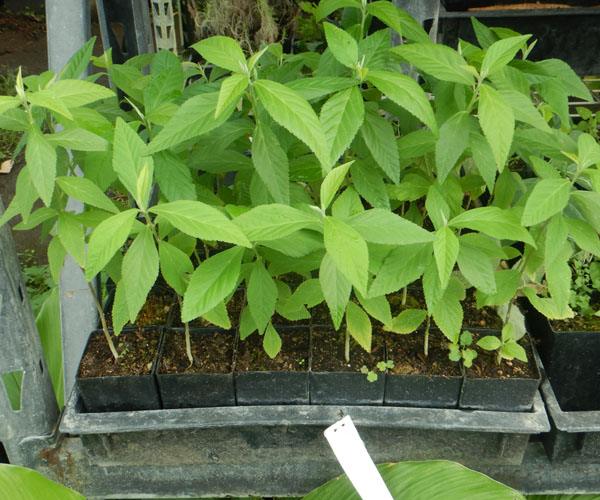
Sida acuta plays a significant role in enhancing the immune system, helping the body defend against infections and diseases.
1. Phytochemicals: The presence of phytochemicals like flavonoids, alkaloids, and polysaccharides in Sida acuta contributes to its immunomodulatory effects. These compounds stimulate the production and activity of immune cells, enhancing the body’s response to pathogens.
2. Antimicrobial Properties: Sida acuta has demonstrated antimicrobial activity against various bacteria, fungi, and viruses. This ability helps protect against infections, reducing the risk of illness.
3. Traditional Uses: In many cultures, Sida acuta is used in herbal remedies to boost immunity and prevent colds, flu, and other infections. Its immune-supporting properties make it a valuable addition to a balanced diet.
Digestive Health Improvements
Sida acuta is beneficial for digestive health, promoting overall gut function and alleviating digestive issues.
1. High Fiber Content: The dietary fiber in Sida acuta aids digestion by promoting regular bowel movements and preventing constipation. Fiber also supports a healthy gut microbiome, which is crucial for overall digestive health.
2. Anti-inflammatory Effects: The anti-inflammatory properties of Sida acuta can help soothe the digestive tract, alleviating conditions like gastritis and irritable bowel syndrome (IBS). It may also reduce inflammation in the intestines, promoting better nutrient absorption.
3. Herbal Remedies: Traditionally, Sida acuta is used to treat various digestive problems, such as diarrhea, dysentery, and indigestion. Its natural properties can help balance gut health and improve digestion.
Potential Anti-diabetic Effects
Sida acuta shows promise in managing blood sugar levels and supporting overall metabolic health.
1. Blood Sugar Regulation: Studies suggest that extracts from Sida acuta may help lower blood glucose levels. Compounds in the plant may enhance insulin sensitivity and improve glucose uptake by cells.
2. Antioxidant Activity: The antioxidant properties of Sida acuta help combat oxidative stress, which is often elevated in individuals with diabetes. Reducing oxidative damage can support overall metabolic health.
3. Traditional Use in Diabetes Management: In some cultures, Sida acuta is used as a natural remedy for diabetes. Its potential to regulate blood sugar levels makes it a valuable addition to dietary approaches for managing diabetes.
Skin Health Benefits
Sida acuta offers various benefits for skin health, making it a popular choice in traditional and modern skincare.
1. Anti-inflammatory Properties: The anti-inflammatory effects of Sida acuta can help soothe skin irritations, redness, and inflammation associated with conditions like acne, eczema, and psoriasis.
2. Antimicrobial Effects: Sida acuta possesses antimicrobial properties that can help prevent and treat skin infections. It may be beneficial in managing acne-causing bacteria and promoting clear skin.
3. Wound Healing: The plant has been traditionally used to accelerate wound healing. Its anti-inflammatory and antimicrobial properties contribute to faster recovery from cuts, burns, and other skin injuries.
4. Nutrient-Rich: The vitamins and minerals found in Sida acuta, including vitamins A and C, support skin health by promoting collagen production and enhancing skin elasticity. These nutrients are essential for maintaining youthful and healthy skin.
Respiratory Health Support
Sida acuta has been recognized for its potential benefits in supporting respiratory health.
1. Expectorant Properties: Sida acuta is known to act as an expectorant, helping to loosen mucus in the airways. This can make it easier to expel phlegm and clear congestion, promoting easier breathing.
2. Relief from Cough: The soothing properties of Sida acuta can provide relief from coughs associated with colds, flu, and other respiratory infections. It may help reduce irritation in the throat, calming cough reflexes.
3. Anti-inflammatory Effects: The anti-inflammatory compounds present in Sida acuta may help reduce inflammation in the respiratory tract. This can be particularly beneficial for individuals suffering from conditions like asthma or bronchitis, as it helps to alleviate symptoms and improve airflow.
Pain Relief and Analgesic Effects
Sida acuta is also noted for its analgesic properties, making it useful for managing pain.
1. Natural Pain Relief: Sida acuta has been traditionally used to relieve various types of pain, including headaches, muscle aches, and joint pain. Its analgesic properties can help reduce discomfort without the side effects often associated with synthetic pain medications.
2. Anti-inflammatory Action: The anti-inflammatory properties of Sida acuta play a crucial role in its pain-relieving effects. By reducing inflammation, it can alleviate pain associated with inflammatory conditions, such as arthritis.
3. Traditional Remedies: In herbal medicine, Sida acuta is often included in remedies designed to relieve pain and inflammation, making it a valuable addition to natural pain management strategies.
Read Also: 11 Medicinal Health Benefits of Albizia julibrissin (The Persian Silk Tree)
Antimicrobial Properties
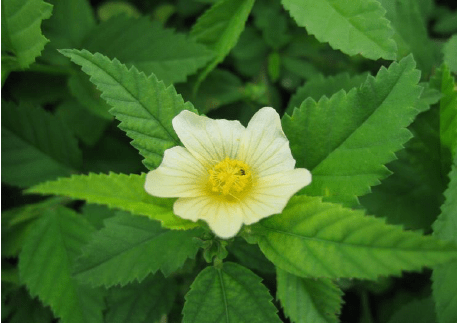
Sida acuta possesses notable antimicrobial properties, making it effective against various pathogens.
1. Broad-Spectrum Activity: Research has shown that Sida acuta exhibits activity against a range of bacteria, fungi, and viruses. This broad-spectrum antimicrobial action can help prevent infections and support overall health.
2. Traditional Uses: In traditional medicine, Sida acuta is often used to treat infections and support the immune system. Its antimicrobial properties make it a popular choice for natural remedies aimed at enhancing health and preventing illness.
3. Potential Applications: The antimicrobial activity of Sida acuta may also have applications in food preservation and safety, as its extracts could help inhibit the growth of harmful microorganisms in food products.
Traditional Uses and Remedies
Sida acuta has a long history of use in traditional medicine across various cultures.
1. Herbal Remedies: Sida acuta is often prepared as an herbal tea or decoction to treat a variety of ailments, including respiratory issues, digestive problems, and skin conditions. Its versatility makes it a staple in traditional herbal medicine.
2. Nutritional Supplement: In some cultures, Sida acuta is consumed as a nutritional supplement, providing essential nutrients and phytochemicals that contribute to overall health and well-being.
3. Cultural Practices: Different cultures have unique ways of incorporating Sida acuta into their healing practices. For instance, it may be used in poultices for wound healing or as a topical application for skin conditions.
Do you have any questions, suggestions, or contributions? If so, please feel free to use the comment box below to share your thoughts. We also encourage you to kindly share this information with others who might benefit from it. Thank you so much for your support and for sharing!
Summary of Benefits of Sida Acuta for Health

| Aspect | Key Points |
|---|---|
| Introduction | Perennial herb (Malvaceae family), known as broomweed; rich in flavonoids, alkaloids, tannins; used in traditional medicine in tropical/subtropical regions. |
| Nutritional Value | Vitamins (A, C, B), minerals (calcium, iron, potassium), high fiber, phytochemicals (flavonoids, polyphenols). |
| Anti-inflammatory | Inhibits cytokines/enzymes; relieves arthritis, swelling, respiratory/skin inflammation; supported by studies. |
| Antioxidant | Scavenges free radicals; reduces oxidative stress; lowers risk of chronic diseases/cancer/cardiovascular issues. |
| Immune Support | Immunomodulatory via phytochemicals; antimicrobial against bacteria/fungi/viruses; prevents infections. |
| Digestive Health | High fiber prevents constipation; soothes tract; treats diarrhea, dysentery, indigestion. |
| Anti-diabetic Potential | Lowers blood glucose; improves insulin sensitivity; combats oxidative stress in diabetes. |
| Skin Health | Soothes irritations (acne, eczema); antimicrobial for infections; aids wound healing; promotes collagen via vitamins. |
| Respiratory Support | Expectorant; relieves cough; reduces airway inflammation (asthma, bronchitis). |
| Pain Relief | Analgesic for headaches/muscle/joint pain; reduces inflammation-related pain. |
| Antimicrobial | Broad-spectrum against pathogens; supports infection treatment/prevention. |
| Traditional Uses | Teas/decoctions for various ailments; poultices for wounds; nutritional supplement in cultures. |
Frequently Asked Questions
1. What is Sida acuta commonly known as?
Sida acuta is commonly known as broomweed or wireweed, a perennial herb widely used in traditional herbal medicine.
2. What are the main bioactive compounds in Sida acuta?
The plant is rich in flavonoids, alkaloids, tannins, polyphenols, and other phytochemicals that contribute to its anti-inflammatory, antioxidant, and antimicrobial effects.
3. How does Sida acuta help with inflammation?
Sida acuta inhibits pro-inflammatory cytokines and enzymes, reducing swelling and pain in conditions like arthritis, skin issues, and respiratory disorders.
4. Can Sida acuta support blood sugar control?
Yes, studies suggest it has hypoglycemic effects, helping lower blood glucose levels and improve insulin sensitivity, making it potentially useful for diabetes management.
5. What digestive benefits does Sida acuta offer?
Its high fiber content aids regular bowel movements and prevents constipation, while tannins and anti-inflammatory compounds soothe the gut and treat issues like diarrhea and dysentery.
6. Is Sida acuta good for skin health?
Yes, its anti-inflammatory and antimicrobial properties help soothe irritations, treat infections like acne, and promote faster wound healing; vitamins A and C support collagen and elasticity.
7. How does Sida acuta boost the immune system?
Phytochemicals stimulate immune cell activity, while its antimicrobial effects protect against bacteria, fungi, and viruses, reducing infection risk.
8. What respiratory benefits are associated with Sida acuta?
It acts as an expectorant to loosen mucus, relieves coughs, and reduces airway inflammation, benefiting conditions like asthma, bronchitis, and common colds.
9. Are there analgesic effects from Sida acuta?
Yes, it provides natural pain relief for headaches, muscle aches, and joint pain, partly through its anti-inflammatory action.
10. How is Sida acuta traditionally used?
It is commonly prepared as teas, decoctions, or poultices to treat digestive, respiratory, skin, and pain-related issues, and as a nutritional supplement in various cultures.
Do you have any questions, suggestions, or contributions? If so, please feel free to use the comment box below to share your thoughts. We also encourage you to kindly share this information with others who might benefit from it. Since we can’t reach everyone at once, we truly appreciate your help in spreading the word. Thank you very much for your support and for sharing!
Disclaimer: This article is for educational and informational purposes only. The health benefits described are based on scientific research and traditional knowledge. They ayre not a substitute for professional medical advice, diagnosis, or treatment. Always consult a healthcare professional before using any herb or natural remedy for medical purposes.
Read Also: 20 Practical Ways to Save Money