


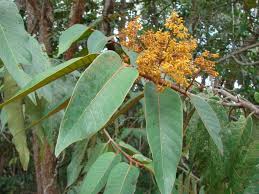
Virola sebifera, commonly known as wild nutmeg tree is a species of tree found in the Amazon rainforest and other tropical regions of South America. Belonging to the Myristicaceae family, this evergreen tree is valued for various purposes, ranging from traditional medicine to the extraction of useful products.
The common name “Ucuuba” is often used to refer to Virola sebifera, and it is derived from indigenous languages in the Amazon region. The tree typically grows to a height of 20-30 meters and has a straight trunk. The leaves are simple, elliptical, and dark green.
One of the notable features of Virola sebifera is its fruit, which contains seeds surrounded by a white, fatty pulp. The seeds are rich in fats and have been traditionally used for extracting ucuuba butter. Ucuuba butter is known for its moisturizing properties and is used in the cosmetic industry in the formulation of soaps, lotions, and hair care products.
Apart from its commercial applications, various parts of the Ucuuba tree, including the bark and leaves, have been used in traditional Amazonian medicine. Indigenous communities have employed different preparations from the tree for treating skin conditions, respiratory issues, and as an analgesic.
Virola sebifera is also recognized for its cultural significance among indigenous peoples in the Amazon basin. The tree is considered sacred in some traditional practices, and its sustainable use is emphasized to ensure the conservation of this valuable resource.
In summary, Virola sebifera, known as Ucuuba or Sebo Tree, plays a multifaceted role in the Amazon rainforest, providing resources for both traditional medicine and the cosmetic industry. Its cultural importance and sustainable utilization underscore its significance in the intricate web of relationships within the tropical ecosystems it inhabits.
The Botanical Description of Virola sebifera
1. Size and Structure: Virola sebifera, commonly known as the wild nutmeg tree, is a tall evergreen species belonging to the Myristicaceae family. It typically reaches heights of 20 to 30 meters, showcasing an erect and majestic stature.
2. Leaves: The leaves of Virola sebifera are elliptical or oblong, featuring a glossy, dark green color. They are arranged alternately along the branches, providing a lush appearance to the canopy.
3. Flowers: The tree produces small, inconspicuous flowers that are clustered in panicles. While not particularly showy, these flowers play a crucial role in the tree’s reproductive cycle.
4. Fruits: The fruits of Virola sebifera are noteworthy, resembling small nuts or seeds. These are encapsulated within a fleshy, olive-like fruit. The seeds, when mature, have a characteristic reddish-brown hue.
5. Bark: The bark of Virola sebifera is smooth and grayish-brown when young, gradually developing a more textured appearance as the tree matures. The bark serves as an identifying feature, especially in older specimens.
6. Growth Habit: Virola sebifera often exhibits a straight and cylindrical trunk, contributing to its overall stature. The growth habit is generally symmetrical, creating a well-balanced and aesthetically pleasing form.
7. Root System: The root system of Virola sebifera is typically extensive, aiding in the tree’s stability and nutrient absorption. The roots may form a network close to the soil surface.
8. Aromatic Qualities: One distinctive feature of Virola sebifera is its aromatic qualities. The leaves and bark emit a pleasant fragrance when crushed, adding to the sensory experience of encountering this tree in its natural habitat.
The Geographic Distribution of Virola sebifera

1. Native Regions: Virola sebifera is native to various regions of Central and South America. Its natural range encompasses parts of the Amazon rainforest, the Orinoco Basin, and other tropical areas with suitable climatic conditions.
2. Climatic Preferences: The wild nutmeg tree thrives in tropical climates characterized by high humidity and consistent rainfall. It favors areas with well-draining soils and temperatures that rarely dip below a certain threshold.
3. Altitudinal Range: While Virola sebifera is primarily found at lower elevations, it can also extend into montane regions. The altitudinal range depends on factors such as local topography and microclimates.
4. Ecosystem Contributions: Within its native habitats, Virola sebifera plays a vital role in the ecosystem. As a constituent of tropical rainforests, it contributes to biodiversity, providing habitat and sustenance for various flora and fauna.
5. Human Interaction: Indigenous communities in the native regions often have cultural connections to Virola sebifera. Traditional uses may include medicinal applications, and the tree’s resources may be utilized in local practices.
The Chemical Composition of Virola sebifera
1. Essential Oils: Virola sebifera is known to contain essential oils, contributing to its aromatic properties. These oils may have varying compositions, including terpenes and other volatile compounds.
2. Active Compounds: The seeds of Virola sebifera are of particular interest due to their active compounds. These may include alkaloids, flavonoids, and other phytochemicals with potential pharmacological significance.
3. Traditional Uses: Indigenous communities may utilize specific parts of Virola sebifera for traditional purposes, harnessing the plant’s chemical constituents for medicinal or cultural applications.
4. Ethnobotanical Significance: Ethnobotanical studies highlight the multifaceted uses of Virola sebifera among local populations. The chemical composition of the tree contributes to its significance in traditional practices.
5. Pharmacological Research: Ongoing pharmacological research explores the chemical components of Virola sebifera for potential therapeutic applications. This includes investigations into the anti-inflammatory, antioxidant, or antimicrobial properties of its compounds.
6. Bark Extracts: Extracts from the bark may contain compounds with pharmacological potential. These extracts are subject to scrutiny in laboratories for their chemical makeup and biological activities.
7. Sustainable Harvesting Practices: Given the medicinal and cultural importance of Virola sebifera, there is a growing emphasis on sustainable harvesting practices. Balancing human utilization with conservation efforts ensures the longevity of this valuable species.
8. Potential for Phytochemical Industries: The chemical composition of Virola sebifera may hold promise for the phytochemical and pharmaceutical industries. Identification and isolation of specific compounds could lead to the development of new drugs or natural products.
9. Conservation Considerations: Recognizing the chemical diversity of Virola sebifera is essential for conservation efforts. Understanding the role of its compounds in ecological interactions informs strategies for preserving the species and its associated biodiversity.
10. Collaborative Research Initiatives: Collaborative efforts between botanists, ethnobotanists, chemists, and indigenous communities contribute to a holistic understanding of the chemical composition of Virola sebifera. Such initiatives foster a comprehensive approach to studying and conserving this remarkable tree.**
Read Also: How to Farm and Care for Goldstripe Sardinella Fish (Sardinella gibbosa)
The Medicinal Health Benefits Of Virola sebifera (Wild Nutmeg Tree)

1. Analgesic Properties: Virola sebifera exhibits analgesic effects, making it beneficial for alleviating various types of pain, including headaches, muscle aches, and joint pain.
2. Anti-Inflammatory Benefits: The plant’s anti-inflammatory properties contribute to reducing inflammation, providing relief from conditions such as arthritis and inflammatory disorders.
3. Antimicrobial Action: Virola sebifera displays antimicrobial activity, aiding in combating bacterial and fungal infections, supporting the body’s natural defense mechanisms.
4. Wound Healing Acceleration: The medicinal plant accelerates the wound healing process, promoting tissue repair and minimizing the risk of infections.
5. Respiratory Health Support: Virola sebifera can be beneficial for respiratory health, offering relief from conditions like coughs, colds, and respiratory infections.
6. Stress and Anxiety Reduction: The plant may have calming effects, assisting in stress and anxiety reduction, contributing to overall mental well-being.
7. Gastrointestinal Relief: Virola sebifera has been traditionally used to address gastrointestinal issues, offering relief from conditions such as indigestion and stomach discomfort.
8. Anti-Spasmodic Properties: The plant’s anti-spasmodic effects can help in relieving muscle spasms and cramps, providing comfort to individuals experiencing such issues.
9. Immune System Support: Virola sebifera may contribute to immune system support, enhancing the body’s ability to defend against infections and illnesses.
10. Cardiovascular Health Promotion: Some studies suggest that Virola sebifera may have cardiovascular benefits, supporting heart health and contributing to overall cardiovascular well-being.
11. Antioxidant Action: The plant’s antioxidant properties help in neutralizing free radicals, playing a role in preventing oxidative stress-related conditions.
12. Anti-allergic Effects: Virola sebifera may exhibit anti-allergic effects, potentially providing relief to individuals with allergic reactions or sensitivities.
13. Menstrual Pain Relief: For women, the plant can offer relief from menstrual pain and discomfort, contributing to more comfortable menstrual cycles.
14. Liver Health Support: Some traditional uses of Virola sebifera suggest benefits for liver health, aiding in the detoxification process.
15. Diabetes Management Aid: Preliminary research indicates that Virola sebifera may have potential benefits for individuals managing diabetes, helping regulate blood sugar levels.
16. Cognitive Function Enhancement: There are indications that Virola sebifera may have positive effects on cognitive function, potentially supporting brain health.
17. Anti-Cancer Properties: Ongoing research explores the potential anti-cancer properties of Virola sebifera, with studies investigating its role in inhibiting certain cancer cell growth.
The Methods of Usage to Achieve the Provided Health Benefits Of Virola sebifera (Wild Nutmeg Tree)
1. Infusions and Teas: Preparing infusions or teas from Virola sebifera leaves or bark is a common method of consumption to attain various health benefits. This is especially popular for analgesic and anti-inflammatory effects.
2. Topical Applications: Creating topical formulations, such as balms or ointments, allows for targeted application on wounds or areas experiencing pain or inflammation, facilitating localized healing.
3. Decoctions for Respiratory Health: Decoctions made from Virola sebifera can be inhaled or consumed to address respiratory issues, providing relief from coughs, colds, and respiratory infections.
4. Tinctures for Stress Reduction: Tinctures made from Virola sebifera may be used to reduce stress and anxiety. Controlled doses can be added to beverages or taken directly for calming effects.
5. Capsules or Tablets: For convenient consumption, Virola sebifera extracts are encapsulated or compressed into tablets, offering a standardized dosage for individuals seeking various health benefits.
6. Dietary Incorporation: Including Virola sebifera in the diet, such as adding plant parts to culinary dishes, allows for a holistic approach to obtaining its health-promoting properties.
7. Supplements for Immune Support: Virola sebifera supplements, available in various forms, may be taken to support the immune system and overall health.
8. Massage Oils for Muscle Relief: Virola sebifera extracts blended into massage oils can be applied topically to alleviate muscle spasms and promote relaxation.
9. Poultices for Wound Healing: Creating poultices with Virola sebifera can be an effective method for wound healing, offering direct application to affected areas.
10. Incorporation in Traditional Practices: Many indigenous communities incorporate Virola sebifera into their traditional healing practices, utilizing specific methods passed down through generations.
The Side Effects Of Using Virola sebifera Medicinal Plant
1. Allergic Reactions: Some individuals may experience allergic reactions to Virola sebifera, including skin irritation or respiratory discomfort. It’s essential to conduct patch tests before widespread use.
2. Gastrointestinal Discomfort: In rare cases, excessive consumption of Virola sebifera may lead to gastrointestinal discomfort, such as nausea or indigestion.
3. Pregnancy and Breastfeeding Precautions: Pregnant or breastfeeding individuals should exercise caution, as the safety of Virola sebifera in these contexts is not well-established.
4. Potential Drug Interactions: Limited information is available on drug interactions; therefore, individuals on prescribed medications should consult healthcare professionals before use.
5. Skin Sensitivity: Direct application of Virola sebifera extracts to the skin may cause sensitivity or irritation, highlighting the importance of proper dilution.
6. Avoiding Excessive Consumption: Adherence to recommended dosage guidelines is crucial to prevent potential side effects associated with excessive consumption.
7. Monitoring for Adverse Reactions: Users should monitor for any adverse reactions, such as dizziness or headaches, and discontinue use if such symptoms occur.
8. Avoiding Self-Diagnosis and Treatment: Virola sebifera should not be used for self-diagnosis or treatment of serious medical conditions without professional guidance.
9. Interactions with Pre-existing Conditions: Individuals with pre-existing health conditions should consult healthcare professionals before incorporating Virola sebifera into their health regimen.
10. Educational Initiatives: Educational initiatives are crucial to inform users about potential side effects and the importance of responsible and informed usage.
Read Also: Steps to Combat Heat Stress in Poultry Birds
The Scientific Research and Studies of Virola sebifera

1. Phytochemical Analysis: Numerous scientific studies have focused on the phytochemical composition of Virola sebifera, identifying various compounds, including alkaloids, flavonoids, and essential oils, contributing to its medicinal potential.
2. Antimicrobial Properties: Research has explored the antimicrobial properties of Virola sebifera extracts, indicating potential effectiveness against bacterial and fungal pathogens, supporting its traditional use in addressing infections.
3. Anti-Inflammatory Effects: Studies have delved into the anti-inflammatory effects of Virola sebifera, indicating its potential in mitigating inflammatory conditions, aligning with traditional uses for pain relief.
4. Analgesic Potential: Scientific investigations have shown promise in the analgesic properties of Virola sebifera, contributing to pain management and supporting its traditional applications.
5. Ethnobotanical Surveys: Documentation of Virola sebifera’s traditional knowledge through ethnobotanical surveys provides valuable insights into its cultural significance and historical uses among indigenous communities.
6. Pharmacological Screening: Virola sebifera has undergone pharmacological screening to assess its potential therapeutic applications, identifying bioactive compounds and understanding their mechanisms of action.
7. Ecological Impact Studies: Beyond medicinal properties, studies have explored Virola sebifera’s ecological impact, examining its role in maintaining biodiversity, seed dispersal mechanisms, and interactions within ecosystems.
8. Formulation Development: Research has worked on formulating products based on Virola sebifera extracts for specific health conditions, providing alternative options in healthcare.
9. Toxicological Assessments: To ensure safety, Virola sebifera has undergone toxicological assessments, evaluating potential adverse effects and establishing safe dosage guidelines for medicinal applications.
10. Collaborative Research Initiatives: Collaborations between botanists, pharmacologists, and traditional healers have fostered a multidisciplinary approach to understanding Virola sebifera, enriching research outcomes and promoting holistic insights.
The Safety Precautions and Recommendations In Using Virola sebifera Medicinal Plant
1. Dosage Guidelines: Adherence to recommended dosage guidelines is crucial when using Virola sebifera medicinally, avoiding excessive consumption and potential adverse effects.
2. Allergic Reactions: Individuals with known allergies should exercise caution when using Virola sebifera to prevent rare but possible allergic reactions, necessitating immediate discontinuation.
3. Consultation with Healthcare Professionals: Consulting healthcare professionals before using Virola sebifera is advisable, especially for individuals with pre-existing health conditions or taking prescribed medications.
4. Avoiding Self-Diagnosis and Treatment: Virola sebifera should not be used for self-diagnosis or self-treatment of serious medical conditions, emphasizing the importance of professional medical advice.
5. Pregnancy and Breastfeeding Precautions: Pregnant or breastfeeding individuals should exercise caution and seek medical advice before using Virola sebifera due to limited information on safety in these contexts.
6. Monitoring for Adverse Effects: Regular monitoring for adverse effects during Virola sebifera usage is essential, with discontinuation and medical consultation recommended if unusual symptoms arise.
7. Avoiding Excessive Topical Applications: For topical applications, avoiding excessive use of Virola sebifera is important to prevent skin irritation, with patch testing recommended before widespread application.
8. Educational Initiatives: Initiatives to educate users about the safe use of Virola sebifera, including potential risks and responsible decision-making, play a crucial role in promoting user awareness.
9. Sustainable Harvesting Practices: Sustainable harvesting practices for Virola sebifera contribute to the conservation of this medicinal plant, emphasizing responsible and selective harvesting.
10. Community Awareness Programs: Community awareness programs can significantly promote the safe use of Virola sebifera, involving local healthcare providers and traditional healers for comprehensive guidance.
FAQs About Virola sebifera Medicinal Plant
1. Can Virola sebifera be Consumed Raw? No, it is not recommended to consume Virola sebifera raw due to potential adverse effects. Proper processing or preparation methods are advised.
2. What Traditional Ailments is Virola sebifera Used For? Traditionally, Virola sebifera is used for various purposes, including pain relief, wound healing, and addressing inflammatory conditions.
3. Are There Any Known Drug Interactions with Virola sebifera? Limited information is available on drug interactions; however, consulting healthcare professionals is advisable, especially for those on prescribed medications.
4. Can Virola sebifera Essential Oils be Used Directly on the Skin? Direct application of essential oils to the skin should be approached with caution. Dilution and patch testing are recommended to avoid skin irritation.
5. Is Virola sebifera Safe for Children? The safety of Virola sebifera for children is not well-established. Consultation with pediatric healthcare professionals is recommended before use.
6. How Does Virola sebifera Contribute to Biodiversity? Virola sebifera plays a role in maintaining biodiversity by providing habitat and sustenance for various species within its native ecosystems.
7. Can Virola sebifera Be Grown Outside Its Native Range? While it may be possible in suitable climates, cultivating Virola sebifera outside its native range requires careful consideration of environmental conditions.
8. What Precautions Should Be Taken During Virola sebifera Harvesting? Sustainable harvesting practices should be followed, including selective harvesting and avoiding damage to surrounding vegetation.
9. Are There Any Recorded Cases of Virola sebifera Poisoning? Recorded cases of Virola sebifera poisoning are rare, but adherence to recommended dosage guidelines is crucial to prevent adverse effects.
10. How Can Local Communities Benefit from Virola sebifera Conservation? Local communities can benefit from Virola sebifera conservation through sustainable resource management, cultural preservation, and potential economic opportunities tied to responsible harvesting and utilization.
Do you have any questions, suggestions, or contributions? If so, please feel free to use the comment box below to share your thoughts. We also encourage you to kindly share this information with others who might benefit from it. Since we can’t reach everyone at once, we truly appreciate your help in spreading the word. Thank you very much for your support and for sharing!
Disclaimer: This article is for educational and informational purposes only. The health benefits described are based on scientific research and traditional knowledge. They ayre not a substitute for professional medical advice, diagnosis, or treatment. Always consult a healthcare professional before using any herb or natural remedy for medical purposes.
Read Also: How to Grow Nettle in Your Garden