


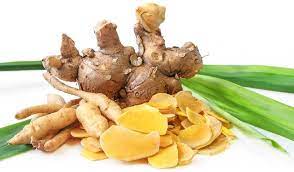
Zingiber cassumunar, commonly known as Plai, is a perennial herbaceous plant that belongs to the Zingiberaceae family, renowned for its medicinal properties and versatile applications. Native to Southeast Asia, particularly Thailand and Indonesia, Plai has earned a significant place in traditional medicine and is also recognized for its aromatic rhizomes.
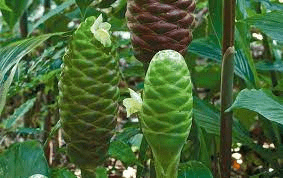
This herbaceous plant boasts a robust rhizomatous root system, from which arises tall, slender stems with lance-shaped leaves. The leaves are characterized by their glossy, dark green appearance, adding to the ornamental value of the plant. Plai produces cone-like inflorescences with yellow-green flowers, although it is primarily cultivated and valued for its rhizomes.
The rhizomes of Zingiber cassumunar contain a rich array of bioactive compounds, including essential oils and terpenoids, which contribute to its therapeutic properties. In traditional medicine, Plai has been extensively utilized for its anti-inflammatory, analgesic, and antipyretic effects. It is often employed topically, with Plai oil extracted from the rhizomes being a popular choice for massages and aromatherapy.
Beyond its medicinal uses, Plai is also integrated into cultural practices, particularly in Thailand, where it is sometimes used in religious ceremonies and rituals. The aromatic nature of the plant adds to its cultural significance, making it a valuable resource in both traditional healing and cultural contexts.
Cultivation of Zingiber cassumunar has expanded beyond its native regions, with enthusiasts and horticulturists appreciating its aesthetic appeal and medicinal benefits. The adaptability of Plai to various soil types and climates has facilitated its successful cultivation in different parts of the world.
The Botanical Description of Zingiber cassumunar
1. Morphology: Zingiber cassumunar, commonly known as Plai or Cassumunar ginger, exhibits distinctive morphological features. The plant is characterized by tall, slender stems that can reach heights of up to two meters. The stems are erect, with lanceolate leaves arranged alternately along them.
2. Leaves: The leaves of Zingiber cassumunar are elongated and lance-shaped, measuring approximately 15 to 25 centimeters in length. They have a pointed apex and a prominent midrib, contributing to the overall elegance of the plant.
3. Rhizomes: The underground rhizomes of Cassumunar ginger are the primary storage organs for nutrients. These rhizomes are thick, aromatic, and possess a pale yellow to orange color. The distinct aroma of the rhizomes is a key characteristic of this species.
4. Flowers: The inflorescence of Zingiber cassumunar consists of cone-like spikes with densely packed, small yellow flowers. The bracts surrounding the flowers are often green or yellowish, adding vibrancy to the inflorescence.
5. Aromatic Qualities: One of the notable features of Cassumunar ginger is its strong and pleasant aroma. The fragrance is derived from the essential oils present in the rhizomes, making it a valuable plant in perfumery and traditional medicine.
6. Growth Habit: Zingiber cassumunar exhibits a clumping or spreading growth habit. The plant forms dense clusters as the rhizomes spread horizontally, creating a visually appealing and functional aspect in gardens or natural habitats.
7. Reproductive Strategy: The plant reproduces primarily through its rhizomes, which serve both as storage organs and as a means of vegetative propagation. This adaptive strategy allows for the rapid spread of the species in favorable conditions.
8. Leaf Arrangement: The lanceolate leaves are arranged alternately along the stems, optimizing sunlight exposure for efficient photosynthesis. This leaf arrangement contributes to the plant’s ability to thrive in various light conditions.
9. Seasonal Changes: Zingiber cassumunar may exhibit seasonal changes in growth and flowering patterns. The plant’s responses to environmental cues, such as temperature and daylight duration, contribute to its adaptation to different seasons.
10. Ecological Role: Cassumunar ginger plays a role in the ecological systems it inhabits. Its aromatic compounds and growth habits may influence interactions with other organisms, such as insects and microorganisms in the soil.
The Geographic Distribution of Zingiber cassumunar
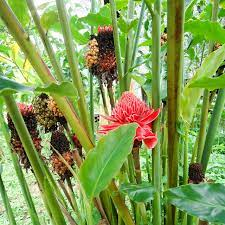
1. Native Regions: Zingiber cassumunar is native to Southeast Asia, with its natural distribution encompassing countries such as Thailand, Indonesia, Malaysia, and parts of Vietnam. The plant thrives in the region’s tropical and subtropical climates.
2. Cultivation Beyond Native Range: While native to Southeast Asia, Cassumunar ginger has been successfully cultivated in other regions with suitable climates. Cultivation efforts extend to areas with tropical conditions, allowing for the plant’s adaptation to new environments.
3. Altitudinal Range: The geographic distribution of Zingiber cassumunar spans various altitudinal ranges within its native and cultivated regions. The plant demonstrates adaptability to different elevations, thriving in both lowland and upland areas.
4. Microhabitats: Within its native range, Cassumunar ginger occupies diverse microhabitats. It is commonly found in moist, shaded areas of forests, along riverbanks, and in other habitats with rich, well-drained soil.
5. Climate Preferences: The plant exhibits a preference for tropical climates characterized by warm temperatures and high humidity. These conditions support optimal growth and development, influencing the geographic distribution of the species.
6. Biotic Interactions: Zingiber cassumunar interacts with various biotic factors in its environment. Insects may play a role in pollination, while microorganisms in the soil contribute to the plant’s nutrient uptake and overall health.
7. Endemism: While not strictly endemic, Cassumunar ginger has a concentrated distribution in specific regions within Southeast Asia. The plant’s presence contributes to the unique flora of these areas.
8. Anthropogenic Influences: Human activities, including cultivation and habitat modification, influence the geographic distribution of Zingiber cassumunar. The plant has been introduced to new areas through intentional cultivation for its medicinal and aromatic properties.
9. Dispersal Mechanisms: The spread of Cassumunar ginger is facilitated by its rhizomatous growth habit. The rhizomes serve as both storage organs and a means of vegetative propagation, allowing the plant to colonize new areas.
10. Ecological Niche: Zingiber cassumunar occupies a specific ecological niche within its habitat, contributing to the biodiversity of the ecosystems it inhabits. Its aromatic qualities and growth habits may influence the dynamics of its ecological community.
11. Conservation Status: Assessing the geographic distribution is essential for determining the conservation status of Zingiber cassumunar. Factors such as habitat loss and overexploitation for medicinal purposes may pose threats to the species.
12. Ecological Significance: Beyond its economic and medicinal value, Cassumunar ginger holds ecological significance. Its interactions with other organisms and role in nutrient cycling contribute to the overall health of the ecosystems it inhabits.
13. Geographic Variation: Observations across different geographic regions may reveal variations in the morphology and growth patterns of Zingiber cassumunar. Understanding these variations enhances our knowledge of the species.
The Chemical Composition of Zingiber cassumunar
1. Essential Oils: Zingiber cassumunar is rich in essential oils, particularly found in its rhizomes. These oils contribute to the plant’s distinct aroma and are valued for their therapeutic and aromatic properties.
2. Terpenoids: The chemical composition includes various terpenoids, which play a role in the plant’s defense mechanisms and may have pharmacological applications.
3. Phenolic Compounds: Phenolic compounds, known for their antioxidant properties, are present in Cassumunar ginger. These compounds contribute to the plant’s potential health benefits.
4. Flavonoids: Flavonoids, secondary metabolites with diverse biological activities, are part of the chemical makeup of Zingiber cassumunar. They contribute to the plant’s overall pharmacological profile.
5. Alkaloids: Some varieties of Cassumunar ginger may contain alkaloids, which are nitrogen-containing compounds that can have pharmacological effects.
6. Gingerol Derivatives: Similar to its close relative, common ginger (Zingiber officinale), Zingiber cassumunar contains gingerol derivatives. These compounds are known for their anti-inflammatory and antioxidant properties.
7. Curcuminoids: Cassumunar ginger may contain curcuminoids, which are also found in turmeric (Curcuma longa). These compounds contribute to the plant’s potential health-promoting effects.
8. Aromatic Compounds: The distinctive aroma of Zingiber cassumunar is attributed to a variety of aromatic compounds present in its essential oils. These compounds have applications in perfumery and aromatherapy.
9. Antimicrobial Compounds: Some constituents of Cassumunar ginger may exhibit antimicrobial properties, contributing to the plant’s ability to resist pathogens in its natural habitat.
10. Anti-Inflammatory Agents: Certain chemical components in Zingiber cassumunar have anti-inflammatory properties, potentially making the plant valuable in traditional medicine for managing inflammatory conditions.
11. Antioxidants: The presence of antioxidants in the chemical composition of Cassumunar ginger contributes to its potential role in neutralizing free radicals and supporting overall health.
12. Anti-allergic Compounds: Some compounds in Zingiber cassumunar may have anti-allergic effects, offering potential relief from allergic reactions and symptoms.
13. Anti-Cancer Properties: While further research is needed, preliminary studies suggest that certain compounds in Cassumunar ginger may possess anti-cancer properties.
14. Analgesic Effects: Components of Zingiber cassumunar may exhibit analgesic effects, potentially providing relief from pain and discomfort.
Read Also: Worm Infestation on Ruminant Animals: Symptoms and Treatment
The Medicinal Health Benefits Of Zingiber cassumunar (Plai)
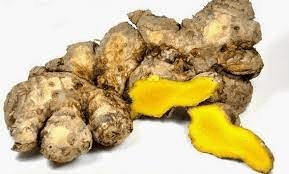
1. Anti-Inflammatory Properties: Zingiber cassumunar, commonly known as Plai, possesses potent anti-inflammatory properties. The plant’s bioactive compounds help reduce inflammation, making it valuable in managing conditions like arthritis and inflammatory disorders.
2. Analgesic Effects: Plai demonstrates analgesic effects, providing relief from pain and discomfort. This makes it a natural alternative for individuals seeking pain management without relying solely on conventional medications.
3. Antioxidant Activity: The antioxidant properties of Zingiber cassumunar contribute to neutralizing free radicals in the body. This can support overall health by reducing oxidative stress and preventing cellular damage.
4. Anti-microbial Action: Plai may exhibit anti-microbial effects, helping the body combat various infections. This property showcases its potential role in supporting the immune system.
5. Wound Healing: Topical applications of Plai extracts may aid in wound healing. The plant’s properties promote skin regeneration and accelerate the recovery process for minor wounds and injuries.
6. Respiratory Health: Zingiber cassumunar can benefit respiratory health, offering relief from symptoms associated with respiratory conditions such as congestion and cough. Its use in aromatherapy or steam inhalation is common for this purpose.
7. Gastrointestinal Support: Compounds found in Plai provide support for gastrointestinal health. This includes addressing issues like indigestion and promoting a healthy digestive system.
8. Stress Reduction: Plai may have adaptogenic properties, assisting in stress reduction. Its aromatic qualities also make it a popular choice in aromatherapy for relaxation.
9. Cardiovascular Support: Some compounds in Zingiber cassumunar may contribute to cardiovascular health by promoting optimal blood circulation and maintaining heart health.
10. Antispasmodic Effects: Plai exhibits antispasmodic effects, making it beneficial for relieving muscle spasms. This can be particularly useful for individuals dealing with muscular discomfort.
11. Diabetes Management: Research suggests potential benefits in managing diabetes, with Plai compounds aiding in blood sugar regulation. However, consultation with a healthcare professional is essential for those with diabetes.
12. Anti-allergic Effects: The anti-allergic effects of Plai make it useful for individuals dealing with allergies. It may help alleviate allergic reactions and provide relief from associated symptoms.
13. Cognitive Function: Compounds in Zingiber cassumunar may support cognitive function, potentially enhancing memory and concentration. This aspect contributes to its broader role in promoting overall well-being.
14. Anti-Inflammatory Effects: Plai’s anti-inflammatory effects extend to various conditions, including skin inflammation. Topical applications may help soothe irritated skin and reduce redness.
15. Joint Health: The medicinal properties of Plai make it beneficial for maintaining joint health. Its anti-inflammatory and analgesic effects can contribute to managing conditions like osteoarthritis.
The Methods of Usage to Achieve the Provided Health Benefits Of Zingiber cassumunar (Plai)
1. Topical Applications: Create topical ointments or balms containing Plai extracts for direct application on the skin. This method is effective for addressing skin conditions, muscle pain, and joint discomfort.
2. Aromatherapy: Harness the aromatic qualities of Plai by using essential oils in aromatherapy. Diffusing the oil can promote relaxation, stress reduction, and respiratory health benefits.
3. Herbal Infusions: Prepare herbal infusions using Plai rhizomes for internal consumption. This method allows individuals to benefit from its anti-inflammatory and digestive properties.
4. Steam Inhalation: Inhale steam infused with Plai extracts to address respiratory issues. This method can help alleviate congestion and promote respiratory health.
5. Massage Oils: Blend Plai extracts into massage oils for a soothing and therapeutic massage. This method is effective for relieving muscular tension and promoting relaxation.
6. Dietary Supplement: Consume Plai as a dietary supplement, available in various forms such as capsules or tinctures. This allows for convenient and controlled intake of its medicinal properties.
7. Culinary Uses: Incorporate Plai rhizomes into culinary preparations. While less common, using Plai in cooking can provide mild health benefits and add flavor to dishes.
8. Poultices: Apply poultices made from Plai extracts to wounds or inflamed areas for localized healing. This method is effective for promoting wound recovery and reducing inflammation.
9. Herbal Teas: Brew herbal teas using Plai rhizomes for a pleasant beverage with potential health benefits. This method is suitable for those seeking a soothing and natural remedy.
10. Capsules or Tablets: Consume Plai in the form of capsules or tablets as a convenient medicinal supplement. This method allows for precise dosage and easy integration into daily routines.
11. Bath Soaks: Add Plai extracts to bathwater for a therapeutic herbal bath. This method can benefit the skin and promote relaxation.
12. Inhalation Therapy: Inhale vaporized Plai compounds for respiratory benefits and stress reduction. This method is particularly effective for addressing respiratory issues.
13. Compresses: Apply Plai-infused compresses to areas of pain or discomfort. This method is useful for localized relief from muscular or joint conditions.
14. Tinctures: Prepare tinctures with Plai for concentrated consumption of its medicinal properties. This method offers a potent and controlled way to access its health benefits.
15. Culinary Garnish: Use Plai as a garnish in culinary dishes. While its primary use is medicinal, incorporating it into certain recipes can provide mild health-enhancing effects.
The Side Effects Of Using Zingiber cassumunar Medicinal Plant
1. Allergic Reactions: Some individuals may experience allergic reactions to Plai. Skin rashes, itching, or respiratory symptoms may occur in sensitive individuals.
2. Skin Sensitivity: Topical applications of Plai extracts may cause skin sensitivity in some individuals. Conduct a patch test before widespread use to avoid adverse reactions.
3. Gastrointestinal Distress: Excessive consumption of Plai may lead to gastrointestinal discomfort, including nausea or digestive disturbances.
4. Interactions with Medications: Consultation with a healthcare professional is advised, as Plai may interact with certain medications. This is especially crucial for individuals on medication regimens.
5. Pregnancy and Lactation: Pregnant or lactating individuals should avoid the use of Plai due to potential effects on maternal health. Consultation with a healthcare provider is essential.
6. Blood Sugar Effects: Individuals with diabetes should monitor blood sugar levels, as Plai may influence glucose regulation. Adjustments to medication may be necessary.
7. Central Nervous System Effects: High doses of Plai may impact the central nervous system, leading to drowsiness or dizziness in some individuals.
8. Hormonal Influence: Individuals with hormonal imbalances should exercise caution, as Plai may influence hormone levels.
9. Photosensitivity: Exposure to sunlight after topical application may cause photosensitivity reactions in some individuals. Use sun protection when using Plai topically.
10. Digestive Upset: Excessive consumption of Plai may lead to digestive upset, including diarrhea or stomach cramps.
11. Liver Function: Individuals with liver conditions should exercise caution, as Plai may impact liver function.
12. Not Evaluated for Long-Term Use: Limited research exists on the long-term use of Plai, and caution is advised for extended durations.
13. Respiratory Distress: Inhaling large amounts of vaporized Plai compounds may lead to respiratory distress in sensitive individuals.
14. Drug Sensitivity: Individuals with known sensitivities to similar plants or compounds should approach Plai with caution.
Read Also: List of Diseases Ruminant Animals (Livestock) Get from Feeds and Water
The Scientific Research and Studies of Zingiber cassumunar
1. Anti-Inflammatory Properties: Numerous scientific studies have delved into the anti-inflammatory properties of Zingiber cassumunar, exploring its potential in managing inflammatory conditions. Research suggests that the plant’s bioactive compounds play a crucial role in modulating inflammatory pathways.
2. Analgesic Effects: Scientific investigations have focused on the analgesic effects of Zingiber cassumunar, providing insights into its ability to alleviate pain. Studies suggest that the plant’s compounds may interact with pain receptors, offering natural pain relief.
3. Antioxidant Activity: The antioxidant activity of Zingiber cassumunar has been a subject of scientific interest. Researchers have identified and studied the plant’s antioxidants, highlighting their potential in combating oxidative stress and promoting cellular health.
4. Anti-microbial Action: Scientific research has explored the anti-microbial properties of Zingiber cassumunar, shedding light on its effectiveness against various pathogens. Studies suggest that the plant’s extracts may have broad-spectrum antimicrobial activity.
5. Wound Healing: Studies investigating the wound-healing properties of Zingiber cassumunar have uncovered its potential in promoting skin regeneration. Scientific findings suggest that the plant’s application can accelerate the healing process for wounds.
6. Respiratory Health: Scientific literature has examined the impact of Zingiber cassumunar on respiratory health. Inhalation studies and clinical trials have provided evidence of the plant’s efficacy in addressing respiratory conditions, such as congestion and cough.
7. Gastrointestinal Support: Research has explored the gastrointestinal benefits of Zingiber cassumunar. Scientific studies suggest that the plant’s compounds may contribute to maintaining a healthy digestive system and addressing issues like indigestion.
8. Stress Reduction: Scientific studies on the adaptogenic properties of Zingiber cassumunar have indicated its potential in stress reduction. Research suggests that the plant’s aromatic compounds may positively influence stress response mechanisms.
9. Cardiovascular Support: Scientific investigations into the cardiovascular effects of Zingiber cassumunar have highlighted its potential in supporting heart health. Studies suggest that certain compounds may contribute to optimal blood circulation.
10. Antispasmodic Effects: Research has examined the antispasmodic effects of Zingiber cassumunar, uncovering its potential in relieving muscle spasms. Scientific findings suggest that the plant’s compounds may act as natural muscle relaxants.
11. Diabetes Management: Scientific studies have explored the role of Zingiber cassumunar in diabetes management. Research indicates that the plant’s compounds may assist in regulating blood sugar levels, providing potential benefits for individuals with diabetes.
12. Anti-allergic Effects: The anti-allergic effects of Zingiber cassumunar have been investigated in scientific studies. Research suggests that the plant may help alleviate allergic reactions and provide relief from associated symptoms.
The Safety Precautions and Recommendations In Using Zingiber cassumunar Medicinal Plant
1. Allergic Reactions: As with any medicinal plant, individuals should be aware of the potential for allergic reactions to Zingiber cassumunar. Conduct a patch test before widespread use, especially if prone to allergies.
2. Skin Sensitivity: Topical applications of Zingiber cassumunar extracts may cause skin sensitivity in some individuals. It is advisable to dilute essential oils and perform a patch test before extensive use.
3. Gastrointestinal Distress: Excessive consumption of Zingiber cassumunar may lead to gastrointestinal discomfort. Individuals should adhere to recommended dosages and consult a healthcare professional if experiencing digestive issues.
4. Interactions with Medications: Consultation with a healthcare professional is crucial, as Zingiber cassumunar may interact with certain medications. This is especially important for individuals on medication regimens.
5. Pregnancy and Lactation: Pregnant or lactating individuals should avoid using Zingiber cassumunar without consulting a healthcare provider. Safety during these periods requires careful consideration and professional advice.
6. Blood Sugar Effects: Individuals with diabetes should monitor blood sugar levels, as Zingiber cassumunar may influence glucose regulation. Adjustments to medication may be necessary under professional guidance.
7. Central Nervous System Effects: High doses of Zingiber cassumunar may impact the central nervous system, leading to drowsiness or dizziness. Individuals should exercise caution, especially when using the plant in higher concentrations.
8. Hormonal Influence: Individuals with hormonal imbalances should approach Zingiber cassumunar with caution, as the plant may influence hormone levels. Professional advice is recommended for those with endocrine concerns.
9. Photosensitivity: Topical application of Zingiber cassumunar extracts may cause photosensitivity reactions in some individuals. Sun protection is advised after using the plant topically.
10. Digestive Upset: Excessive consumption of Zingiber cassumunar may lead to digestive upset, including diarrhea or stomach cramps. Adhering to recommended dosages and consulting a healthcare professional is essential.
11. Liver Function: Individuals with liver conditions should exercise caution, as Zingiber cassumunar may impact liver function. Professional advice is recommended for those with liver-related health concerns.
12. Not Evaluated for Long-Term Use: Limited research exists on the long-term use of Zingiber cassumunar. Caution is advised for extended durations, and professional guidance should be sought.
FAQs About Zingiber cassumunar Medicinal Plant
1. Is Zingiber cassumunar safe for pregnant women?
Zingiber cassumunar should be avoided by pregnant women without consulting a healthcare professional. It’s essential to ensure the safety of both the mother and the developing fetus.
2. Can Zingiber cassumunar be used for children?
While Zingiber cassumunar is generally considered safe, it’s advisable to consult with a pediatrician before using it for children. Dosages and applications may need adjustment based on the child’s age and health status.
3. Are there any known drug interactions with Zingiber cassumunar?
Zingiber cassumunar may interact with certain medications. It is crucial to inform healthcare providers about any ongoing medications to avoid potential adverse effects.
4. How should I perform a patch test for topical applications?
Before extensive topical use, dilute Zingiber cassumunar extracts and apply a small amount to a small area of skin. Monitor for any adverse reactions, such as redness or irritation.
5. Can Zingiber cassumunar be used as a substitute for common ginger in culinary dishes?
While Zingiber cassumunar shares similarities with common ginger, it has a distinct flavor. It can be used in culinary dishes, but its strong aroma and unique taste may require experimentation in recipes.
Do you have any questions, suggestions, or contributions? If so, please feel free to use the comment box below to share your thoughts. We also encourage you to kindly share this information with others who might benefit from it. Since we can’t reach everyone at once, we truly appreciate your help in spreading the word. Thank you very much for your support and for sharing!
Disclaimer: This article is for educational and informational purposes only. The health benefits described are based on scientific research and traditional knowledge. They ayre not a substitute for professional medical advice, diagnosis, or treatment. Always consult a healthcare professional before using any herb or natural remedy for medical purposes.
Read Also: Complete Composting Guide for Beginners