


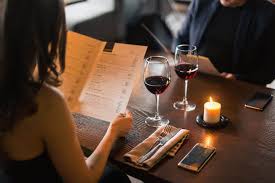
Beverages are a cornerstone of any food and beverage establishment, significantly impacting customer attraction and sales. A well-crafted beverage menu not only elevates the establishment’s status but also promotes higher revenue through strategic offerings. This article explores the intricacies of beverage menus, their pricing, and effective merchandising strategies.
The beverage menu serves as a vital sales tool, showcasing both alcoholic and non-alcoholic drinks. Its design and execution require careful consideration to meet customer expectations and enhance profitability. From pricing strategies to menu knowledge, each element plays a critical role in the success of a foodservice operation.
Read Also: Goat Milk Production Complete Guide
Beverage Menu Pricing
Beverage pricing mirrors food pricing methodologies, focusing on profitability and sales mix. Setting a departmental profit target and gross profit percentage is essential. Differential profit margins are then applied based on achievable sales mix, ensuring financial goals are met.
A. Pricing Methodology
Beverage pricing is often more precise than food pricing due to minimal processing. Drinks are typically purchased by the bottle (e.g., beer, wine) or in specific measures (e.g., 6-out from a 75 cl wine bottle). This allows for accurate cost calculations.
1. Standard Recipes: Most drinks are prepared using standard recipes unique to the establishment, ensuring consistency.
2. Profit Targets: Establishments set specific profit margins to achieve financial objectives.
3. Sales Mix Impact: Pricing reflects the sales mix, balancing high- and low-margin items to optimize revenue.
B. Contribution Margins
Understanding contribution margins is key to menu profitability. While lower food costs may suggest higher profits, the actual monetary contribution varies. For example, a chicken dish with a 27% food cost (₦450, selling at ₦1650) yields a ₦1200 margin, while a steak with a 38% food cost (₦900, selling at ₦2400) yields a ₦1500 margin.
1. Percentage vs. Monetary Profit: Higher percentage profits don’t always mean more revenue.
2. Menu Balance: A successful menu balances low food cost percentages with high contribution margins.
3. Strategic Pricing: Pricing strategies focus on items that drive higher monetary contributions.
C. Special Pricing Strategies
Special pricing strategies like bundling, value pricing, and couponing drive customer traffic and revenue. These approaches aim to increase customer visits or average check amounts, enhancing overall profitability.
1. Bundling: Combo meals, combining an entrée, side, and beverage, are priced lower than individual items, boosting average checks.
2. Value Pricing: Reduced prices on popular items (e.g., happy hour drinks) attract more customers, who may purchase higher-margin items.
3. Couponing: Offers like “buy one, get one free” target new or loyal customers, increasing foot traffic.
Beverage Menu Knowledge

A menu is the primary sales tool for any restaurant, making product knowledge critical. Staff must understand ingredients, preparation, and cooking methods to meet customer expectations and drive sales. Thorough menu knowledge enhances professionalism and facilitates upselling.
Menu knowledge empowers staff to address customer inquiries about allergies, special diets, or preferences. It also builds trust, signaling a well-managed establishment. This knowledge is crucial for upselling high-margin items, directly impacting profitability.
A. Importance of Staff Training
Well-trained staff can confidently discuss menu items, enhancing the customer experience. This knowledge is vital for addressing discerning customers’ needs and promoting profitable dishes.
1. Ingredient Awareness: Staff must know all ingredients to address allergies or dietary needs.
2. Preparation Techniques: Understanding preparation methods builds customer confidence.
3. Upselling Opportunities: Knowledgeable staff can suggest premium or high-margin items.
B. Enhancing Sales Through Knowledge
Menu knowledge directly influences sales outcomes. Staff who can describe dishes or drinks vividly can sway customer choices, increasing sales of high-profit items and improving overall revenue.
1. Customer Assurance: Detailed knowledge reassures customers of the establishment’s quality.
2. Professional Management: Staff expertise reflects a professionally managed operation.
3. Sales Process Aid: Knowledge facilitates discussions, encouraging customers to try new offerings.
C. Sales Mix Considerations
Food and beverage costs typically account for 20–30% of menu item costs, but variations exist. Different items carry different profit margins, requiring careful menu planning to maximize profitability.
1. Cost Variations: Items with lower food costs may not always yield higher profits.
2. Profit Contribution: High-margin items significantly impact overall revenue.
3. Menu Optimization: Balancing sales mix ensures a profitable menu structure.
Types of Beverage Menus
Beverage menus are tailored to the specific establishment, adhering to criteria similar to food menus. They require fewer staff to process, resulting in higher profit margins. Proper serving temperatures and traditional glassware enhance the brand experience.
Beverage menus vary widely but can be grouped into six main types: full wine menus, restricted wine menus, banquet/function menus, bar menus, room service menus, and special promotion menus. Each serves a unique purpose and audience.
A. Full Wine Menus
Full wine menus are used in upscale hotels or restaurants where customers spend generously and have ample dining time (over 1.5 hours). Designing these menus is challenging due to the need for a balanced selection of high-quality wines.
1. Wine Selection: Includes house wines, champagnes, red and white wines, ports, and spirits.
2. High Price Range: Reflects the premium quality of the offerings.
3. Customer Expectations: Certain wines are mandatory to maintain the establishment’s reputation.
B. Restricted Wine Menus
Restricted wine menus cater to mid-market operations where demand for extensive wine lists is low. These menus feature well-known branded wines and are served by general waiting staff.
1. Simplified Offerings: Focuses on recognizable wines to meet customer familiarity.
2. Lower Price Range: Aligns with food menu prices, offering wines by the carafe or glass.
3. Sales Analysis: Menu planning is based on previous wine sales data.
C. Banquet and Function Menus
Banquet menus are restricted, offering fewer wines tailored to the event type. They provide a range of wines to suit diverse customer preferences and budgets.
1. Event-Specific Selection: Wines are chosen based on the banqueting style.
2. Varied Price Range: Accommodates different customer budgets.
3. Branded Wines: Features well-known wines for broad appeal.
D. Bar Menus
Bar menus come in two forms: large displays behind the bar (often legally required) or small printed lists on tables. They cater to general or lounge/cocktail bar settings.
1. Display Menus: Show all beverages and prices prominently.
2. Printed Lists: Found in upscale bars, enhancing the customer experience.
3. Legal Requirements: Large displays meet regulatory standards in many regions.
E. Room Service Menus
Room service menus vary by establishment type. Luxury units offer extensive menus combining full wine and bar lists, while mid-market units feature smaller selections.
1. Luxury Menus: Include a wide range of wines and bar items.
2. Mid-Market Menus: Focus on bar items with limited wine options.
3. Service Integration: Menus reflect the establishment’s overall offerings.
F. Special Promotion Menus
Special promotion menus highlight specific beverages, often supported by suppliers through free advertising or discounted products. They include pre-function receptions or cocktail promotions.
1. Promotional Events: Free receptions to showcase specific beverages.
2. Tent Cards: Promote after-meal liqueurs or cocktails of the month.
3. Supplier Support: Leverages supplier-provided promotional materials.
Read Also: Worm Infestation on Ruminant Animals: Symptoms and Treatment
Menu Merchandising Strategies
Effective menu merchandising influences customer behavior and boosts sales. Menus must be clean, legible, and well-designed to serve as powerful sales tools. Non-personal media, like floor stands and posters, enhance promotion without additional costs.
Merchandising involves strategic placement of promotional materials to attract attention and drive sales. By optimizing menu presentation, establishments can influence customer choices and increase revenue from high-margin items.
A. Floor Stands and Bulletin Boards
Floor stands in waiting or reception areas advertise special events or menus. They capture attention when customers have time to read, such as while waiting in queues.
1. Strategic Placement: Effective in high-traffic areas like reception zones.
2. Event Promotion: Highlights upcoming attractions or special menus.
3. Customer Engagement: Encourages reading during wait times.
B. Posters and Wall Displays
Posters have broader reach, placed in strategic locations like elevators or dining areas. Illuminated wall displays in fast-food or bar settings showcase vibrant images of offerings.
1. Wide Circulation: Posters reach customers in various locations.
2. Visual Appeal: Illuminated displays attract attention, especially at night.
3. Menu Showcasing: Highlights food and beverage options effectively.
C. Tent Cards and Clip-Ons
Tent cards on dining tables and clip-ons on menus promote special items or events. They are highly effective as customers often read them during meals.
1. Tent Cards: Promote specials or upcoming events, often taken by customers.
2. Clip-Ons: Highlight high-profit items or regional wines.
3. Customer Interaction: Encourages engagement with promotional content.
Frequently Asked Questions
1. What is a beverage menu?
A beverage menu is a dedicated menu or section listing alcoholic and non-alcoholic drinks, serving as a key sales tool to attract customers and boost revenue.
2. How are beverage prices determined?
Beverage prices are set based on departmental profit targets, gross profit percentages, and sales mix, with minimal processing allowing for precise cost calculations.
3. Why is menu knowledge important for staff?
Menu knowledge enables staff to address customer inquiries, upsell high-margin items, and project professionalism, enhancing the customer experience and sales.
4. What types of beverage menus exist?
Beverage menus include full wine menus, restricted wine menus, banquet/function menus, bar menus, room service menus, and special promotion menus.
5. How does menu merchandising increase sales?
Menu merchandising uses tools like floor stands, posters, and tent cards to promote high-margin items, influencing customer choices and boosting revenue.
6. What is the difference between full and restricted wine menus?
Full wine menus offer extensive, high-quality selections for upscale settings, while restricted menus feature fewer, well-known wines for mid-market operations.
7. How do contribution margins affect menu planning?
Contribution margins determine the monetary profit of menu items, guiding pricing to balance low food costs with high revenue-generating items.
8. What are special pricing strategies?
Special pricing strategies like bundling, value pricing, and couponing aim to increase customer visits or average check amounts, driving overall revenue.
Do you have any questions, suggestions, or contributions? If so, please feel free to use the comment box below to share your thoughts. We also encourage you to kindly share this information with others who might benefit from it. Since we can’t reach everyone at once, we truly appreciate your help in spreading the word. Thank you so much for your support and for sharing!