


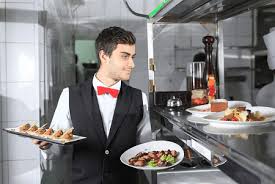
Beverage service refers to establishments primarily engaged in selling drinks for on-premises consumption, such as restaurants and cafes. Various methods exist to deliver beverages, each complementing the foodservice style. This article explores these methods, ensuring seamless integration with dining experiences.
From self-service vending to elegant waiter service, beverage delivery enhances guest satisfaction. These methods cater to diverse settings, from fast-paced eateries to haute cuisine restaurants. Below, we detail the primary beverage service methods and their applications.
Read Also: 15 Medicinal Health Benefits Of Aspidosperma quebracho-blanco (Quebracho Blanco)
Self-Service Beverage Methods
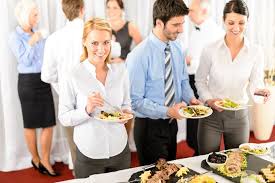
Self-service beverage methods allow customers to retrieve their drinks from counters or machines. These methods prioritize speed and convenience, commonly found in casual dining settings like cafeterias and fast-food outlets.
Vending machines and counter setups streamline beverage delivery. They reduce the need for extensive staff while catering to high customer throughput. The following subheadings explore specific self-service methods used in various establishments.
A. Cafeteria Service
In traditional cafeterias, beverages are placed at the end of the main counter line. This setup, however, slows service, prompting some establishments to separate beverage counters for efficiency.
1. Counter Placement: Beverages are typically served just before the cashier, but separate counters in dining areas speed up customer flow in modern setups.
2. Staff or Machine Service: Counter staff may portion drinks into cups, or vending machines dispense hot and cold beverages, enhancing throughput.
3. Free-Flow Cafeteria: Individual beverage counters in dining areas allow customers to access drinks without congesting the main cafeteria line.
4. Beverage Variety: Hot drinks like tea and coffee or cold options like juices are served, often from separate counters or vending machines.
B. Bar or Counter Service
Bar service is common in public houses and licensed hotel bars. Customers order drinks at the bar and carry them to their tables, ensuring quick transactions.
1. Direct Bar Interaction: Customers purchase drinks directly from the barperson, paying immediately and carrying drinks to their tables.
2. Licensed Establishments: Hotels and restaurants with bars use this method, offering both alcoholic and non-alcoholic beverages for on-site consumption.
3. Customer Autonomy: Guests serve themselves after purchasing, reducing the need for waitstaff and speeding up service in busy settings.
4. Space Efficiency: Bar service requires minimal dining space, as customers manage their own drink transport, ideal for compact venues.
C. Vending and Carousel
Vending machines and carousels offer convenient self-service options. They provide a range of hot and cold beverages, catering to diverse customer preferences in various settings.
1. Vending Machines: These dispense hot drinks like coffee and tea or cold drinks like juices and carbonated waters, often with customizable options.
2. Carousel Displays: Refrigerated carousels feature pre-portioned cold drinks like wine, milk, or iced coffee, placed in dining areas for easy access.
3. Beverage Variety: Vending machines offer syrup-based or powder-based drinks, including health drinks and milkshakes, meeting diverse customer needs.
4. Operational Efficiency: Vending reduces staff requirements, and carousels enhance visual appeal, encouraging impulse purchases in cafeterias.
Read Also: 10 Medicinal Health Benefits Of Astrocaryum aculeatissimum (Tucum)
Waiter and Specialty Beverage Service
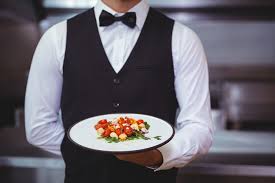
Waiter service involves staff delivering beverages directly to customers, offering a personalized experience. This method is prevalent in upscale restaurants and specialized settings like banquets or room service.
Specialty services, such as liqueur trolleys and coffee carts, enhance the dining experience. These methods cater to specific needs, from in-room convenience to elegant post-dinner offerings.
A. Table and Banquet Service
Table service involves waitstaff taking beverage orders at the dining table, collecting drinks from a bar or dispense bar. Banquet service aligns beverages with meal courses.
1. Table Service Process: Waiters take orders and retrieve drinks from a hidden dispense bar, ensuring seamless integration with food service.
2. Banquet Coordination: Beverages are pre-selected and served at specific times during banquets, complementing the meal’s progression.
3. Personalized Experience: Waitstaff provide attentive service, enhancing guest satisfaction in haute cuisine and full-service restaurants.
4. Operational Flow: Drinks are served without disrupting dining, with orders processed efficiently to maintain a smooth service rhythm.
B. Room and Lounge Service
Room service delivers beverages to hotel guests’ rooms, often via waitstaff or mini-bars. Lounge service provides a relaxed setting for beverage consumption.
1. Room Service Delivery: Waiters bring drinks to rooms, with payment added to the guest’s account or made directly to the waiter.
2. Mini-Bar Convenience: Guests access drinks from in-room mini-bars, with charges automatically added to their accounts for ease.
3. Lounge Ambiance: Lounge service offers a comfortable setting for guests to enjoy beverages, often with waiter assistance.
4. Payment Flexibility: Room service allows billing to accounts, while lounge service may involve direct payment, catering to guest preferences.
C. Specialty Trolleys and Carts
Coffee carts and liqueur trolleys bring beverages directly to customers’ tables or desks. These methods enhance engagement and boost sales through attractive displays.
1. Coffee Carts: Used in offices and factories, coffee carts serve hot beverages directly to customers, though vending is increasingly common.
2. Liqueur Trolleys: These trolleys, stocked with liqueurs, are presented post-meal, encouraging sales through appealing displays in restaurants.
3. Customer Engagement: Trolleys stimulate interest by showcasing beverages, enhancing the dining experience with interactive service.
4. Sales Boost: Attractive liqueur displays increase alcoholic beverage sales, particularly in upscale dining environments.
Frequently Asked Questions
1. What is beverage service?
Beverage service involves selling drinks for on-premises consumption in establishments like restaurants, cafes, and bars, using various service methods.
2. How does self-service differ from waiter service?
Self-service allows customers to retrieve drinks from counters or machines, while waiter service involves staff delivering beverages to tables or rooms.
3. Why are beverages separated in modern cafeterias?
Separating beverages from the main cafeteria line speeds up customer throughput, reducing congestion and improving service efficiency.
4. What is the role of vending machines in beverage service?
Vending machines dispense hot and cold drinks, offering convenience and reducing staff needs in settings like cafeterias and offices.
5. How does banquet service handle beverages?
Banquet service pre-selects beverages to complement meal courses, serving them at specific times to enhance the dining experience.
6. What are liqueur trolleys used for?
Liqueur trolleys display liqueurs at the table post-meal, stimulating customer interest and increasing alcoholic beverage sales.
7. How do mini-bars function in room service?
Mini-bars allow hotel guests to access drinks in their rooms, with charges automatically added to their accounts for convenience.
Do you have any questions, suggestions, or contributions? If so, please feel free to use the comment box below to share your thoughts. We also encourage you to kindly share this information with others who might benefit from it. Since we can’t reach everyone at once, we truly appreciate your help in spreading the word. Thank you so much for your support and for sharing!