


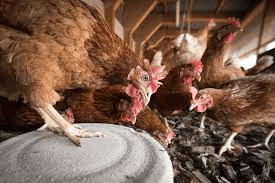
Biosecurity measures are set of practices designed to prevent the spread of harmful organisms, such as bacteria, viruses, and pests, that can cause diseases.
It is essential in various fields, including agriculture, healthcare, and environmental management. Implementing strong biosecurity measures helps protect health, crops, livestock, and ecosystems from potential threats.
Importance of Biosecurity in Disease Prevention
Biosecurity is crucial for several reasons:
1. Preventing Disease Outbreaks: Biosecurity helps prevent the introduction and spread of diseases, which can cause severe health problems in humans and animals or lead to significant agricultural losses.
2. Protecting Public Health: By controlling disease spread, biosecurity measures contribute to public health and safety, reducing the risk of epidemics and pandemics.
3. Ensuring Food Safety: In agriculture, biosecurity practices protect crops and livestock, ensuring the safety of food products and reducing the risk of foodborne illnesses.
4. Preserving Ecosystems: Effective biosecurity prevents invasive species and pests from disrupting natural ecosystems and harming native species.
Key Biosecurity Principles
Implementing biosecurity involves several key principles:
1. Prevention: The primary goal is to prevent harmful organisms from entering or spreading within a facility or area. This involves identifying and mitigating potential risks before they become problems.
2. Surveillance: Regular monitoring and inspections help detect any signs of disease or contamination early, allowing for prompt action to control and manage the situation.
3. Control: If a disease or pest is detected, control measures are implemented to contain and eliminate the threat. This includes quarantine, isolation, and treatment practices.
4. Education: Training and educating individuals on biosecurity practices ensure everyone understands their role in maintaining a secure environment.
Personal Hygiene and Safety Practices
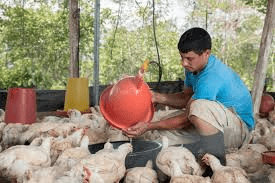
Personal hygiene and safety practices are fundamental to effective biosecurity. Here’s a step-by-step guide:
1. Wash Hands Regularly: Always wash your hands with soap and water before and after handling animals, plants, or equipment. Use hand sanitizer if soap and water are not available.
2. Wear Protective Clothing: Use gloves, masks, and other protective gear when handling potentially contaminated materials. Change clothing and dispose of used gear properly.
3. Avoid Direct Contact: Minimize direct contact with animals and plants that might be infected or contaminated. Use tools and equipment rather than handling items with your hands.
4. Practice Proper Disposal: Dispose of waste and contaminated materials safely. Follow local guidelines for disposing of hazardous or biological waste.
5. Maintain Personal Cleanliness: Regularly clean and disinfect personal items, such as phones, bags, and shoes, especially after visiting areas with high biosecurity risks.
Sanitation and Disinfection Procedures
Sanitation and disinfection are critical in maintaining a clean environment and preventing disease spread. Here’s how to do it effectively:
1. Clean Surfaces: Start by removing dirt, debris, and organic material from surfaces using soap and water. This makes the disinfection process more effective.
2. Choose the Right Disinfectant: Use an appropriate disinfectant that is effective against the pathogens you are trying to control. Follow the manufacturer’s instructions for proper dilution and application.
3. Apply Disinfectant: Apply the disinfectant to all surfaces and equipment that may have come into contact with contaminants. Ensure complete coverage.
4. Allow Proper Contact Time: Let the disinfectant sit on surfaces for the recommended time to ensure it effectively kills harmful organisms. Rinse or wipe away excess if required.
5. Regular Cleaning Schedule: Establish a regular cleaning schedule for all areas and equipment to maintain a high standard of hygiene. This helps prevent the accumulation of pathogens.
6. Monitor Effectiveness: Regularly check and verify the effectiveness of your cleaning and disinfection procedures. Adjust practices if necessary to address any issues.
Read Also: 18 Medicinal Health Benefits Of Iris scariosa (Alpine Iris)
Quarantine and Isolation Measures
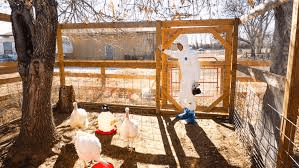
Quarantine and isolation are essential for managing and controlling diseases. Here’s how to implement these measures:
1. Identify Potential Cases: If an animal or person shows symptoms of a disease or has been exposed to a known threat, identify them as potential cases for quarantine or isolation.
2. Establish Quarantine Areas: Set up designated quarantine areas for isolating potentially infected animals or people. Ensure these areas are separate from healthy individuals and are equipped with necessary resources.
3. Implement Isolation Procedures: Isolate infected individuals from the rest of the population to prevent disease spread. Use barriers, separate facilities, and controlled access to maintain isolation.
4. Monitor and Manage: Regularly monitor the isolated individuals for symptoms and manage their care according to established protocols. This helps in early detection of any further issues.
5. Follow Disinfection Protocols: After an isolation period, thoroughly clean and disinfect the quarantine or isolation areas to remove any remaining pathogens.
6. Reevaluate and Release: Once the quarantine or isolation period is over, reevaluate the individual’s health status before releasing them back into the general population. Ensure they are no longer a risk to others.
Monitoring and Surveillance Strategies
1. Establish Monitoring Systems: Set up systems for regular checks and observations to detect potential biosecurity threats early.
2. Use Data Collection Tools: Employ tools like surveys, sensor technologies, and reporting systems to gather data on potential risks.
3. Analyze Data Regularly: Review collected data to identify trends, outbreaks, or emerging threats.
4. Implement Feedback Loops: Use monitoring data to adjust and improve biosecurity measures continuously.
5. Coordinate with Authorities: Work with public health or agricultural authorities for comprehensive surveillance and response.
Handling and Disposal of Contaminated Materials
1. Identify Contaminated Materials: Determine which items are contaminated and require special handling.
2. Use Protective Gear: Wear appropriate protective clothing, such as gloves and masks, when handling contaminated materials.
3. Contain and Segregate: Place contaminated materials in designated, sealed containers to prevent spread.
4. Follow Disposal Procedures: Adhere to local regulations for disposing of hazardous or biological waste.
5. Decontaminate Work Areas: Clean and disinfect areas where contaminated materials were handled.
6. Document and Report: Keep records of contaminated materials and disposal actions for accountability and traceability.
Read Also: 18 Medicinal Health Benefits Of Rauvolfia verticillata (Devil Pepper)
Training and Education for Biosecurity
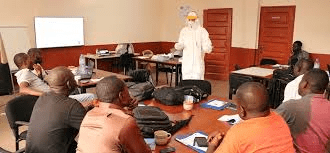
1. Develop Training Programs: Create comprehensive training programs that cover all aspects of biosecurity.
2. Conduct Regular Training: Hold training sessions frequently to ensure all individuals are up-to-date with the latest practices.
3. Use Varied Educational Tools: Utilize manuals, videos, workshops, and practical demonstrations to teach biosecurity measures effectively.
4. Assess Understanding: Test and assess participants’ knowledge to ensure they understand and can implement biosecurity practices.
5. Update Training Content: Revise training materials regularly based on new information or changes in biosecurity protocols.
Emergency Response and Contingency Planning
1. Develop an Emergency Plan: Create a detailed plan outlining steps to take in case of a biosecurity breach or outbreak.
2. Assign Responsibilities: Clearly define roles and responsibilities for individuals involved in the response.
3. Establish Communication Channels: Set up reliable methods for internal and external communication during emergencies.
4. Conduct Drills: Practice emergency procedures through regular drills to ensure preparedness.
5. Review and Update Plans: Regularly review and update emergency plans based on new risks, incidents, or changes in protocols.
6. Evaluate Response: After an emergency, assess the response to identify lessons learned and improve future preparedness.
Conclusion
Effective biosecurity is essential for preventing disease spread and protecting health, agriculture, and ecosystems. By implementing robust monitoring and surveillance strategies, proper handling and disposal of contaminated materials, comprehensive training, and thorough emergency planning, you can ensure a strong biosecurity framework.
These practices help safeguard against potential threats and maintain a secure environment for everyone involved.
Read Also: The Ultimate Guide to Unlocking the Potential of Garbage Wastes
Frequently Asked Questions
We will update this section soon.