


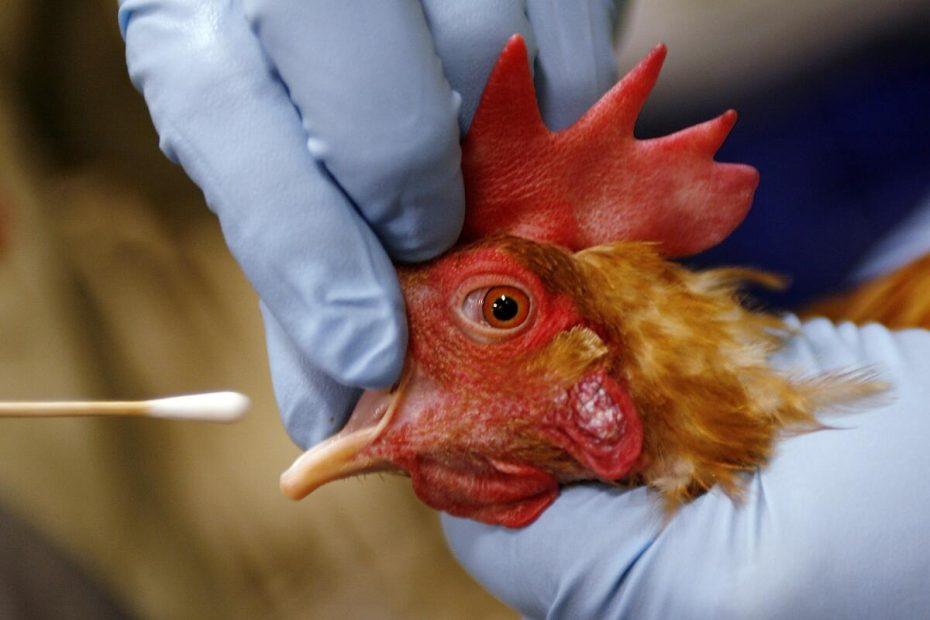
Many people who want to start poultry farming tell me they like the idea of raising birds but bird flu scares them. I always smile when I hear that because you really do not need to be afraid. Bird flu is simply another disease that affects chickens and other birds. The main reason it gets so much attention is that it can sometimes spread to humans who come into close contact with sick birds.
That is why the smart move is not fear but knowledge. Learn exactly how the disease spreads and what you can do to keep it off your farm. Right now there is still no cure for bird flu once it hits your flock. Prevention is the only thing that works reliably. Talk with your vet or poultry consultant from day one. They understand your local conditions and can help you build a solid plan that fits your setup.
One important point many farmers miss: when you see a lot of birds dying suddenly it does not always mean bird flu. Several other common poultry diseases cause the same high death rates. Always send samples for proper lab testing before you jump to conclusions. This single step saves you money, time and a lot of unnecessary stress.
Bird flu travels fast through wild birds, shared equipment, shoes, vehicles or even feed bags. In Nigeria and many similar countries the government reacts quickly when the disease appears. They stop all movement of birds and products in the affected zone to protect other farms.
Understanding these basic facts helps you stay calm and take the right steps. Strong daily habits keep your birds healthy and your business safe for years.
Read Also: How to Identify Poultry Sick Birds and Cure them
1. Other Diseases That Cause High Mortality in Birds

Bird flu is well known for killing large numbers of birds fast, but it is not the only cause. Several other illnesses produce the same sudden heavy losses. Always confirm the exact problem with lab tests.
i. Fowl typhoid: This bacterial disease spreads quickly in warm wet conditions and can wipe out a flock in days if not caught early.
ii. Newcastle disease: A virus that attacks the breathing system and nerves. Birds gasp for air, twist their necks and die suddenly.
iii. Coccidiosis: A gut parasite that is very common in young birds. It causes bloody droppings and weakness, especially when litter stays damp.
Knowing these differences lets you respond correctly instead of panicking. Your vet can run simple tests and give you the clear answer.
2. Vaccination Against Bird Flu: What Farmers Should Know

A vaccine for bird flu does exist and some countries use it successfully. In Nigeria the law does not allow its use. The reason is straightforward: vaccinated birds can carry the virus without showing any signs. This makes outbreaks much harder to detect and control.
If you operate in a country where the vaccine is officially approved, speak to your consultant before you start. They will advise on the correct timing and method. Never buy or use vaccines that are not approved in your area. They can create bigger problems than they solve.
Focus instead on solid prevention steps. They cost less and give better results in places like Nigeria where stamping out remains the main official approach.
3. Measures to Combat Bird Flu and Maintain Healthy Chickens

As soon as bird flu is confirmed the government steps in immediately. They ban all movement of poultry in the affected area. This quick action stops the virus from reaching other farms.
Bird flu spreads easily so speed matters. Farms that follow these rules protect their own birds and help the whole industry stay safe.
A. Birds to be kept indoors and away from other birds
Keeping birds inside prevents contact with wild birds that often carry the virus. Wild waterfowl spread it mainly through their droppings.
i. Farms which keep birds for the production of meat and eggs: Lock them in secure houses with no outside access.
ii. Farms which breed birds which will be released into the wild later: Apply the same indoor rule until release time.
For pet birds, zoos or small owners use covered runs or aviaries. This simple change cuts risk dramatically.
Add these practical daily habits as well. Place footbaths with fresh disinfectant at every entrance. Clean and disinfect all equipment after use. Control rats, mice and insects because they carry germs. Buy feed and bedding only from trusted suppliers. Quarantine every new bird for at least two weeks. These steps work whether you are in Nigeria or anywhere else.
B. Visitor restrictions
No outsiders are allowed inside bird houses or on the farm premises. This rule applies nationwide during any outbreak.
i. Commercial poultry operations: Allow entry only to essential trained staff.
ii. Petting zoos, zoos and private bird owners: Keep all visitors away from the actual birds.
The only exceptions are for qualified vets or government officers. Everyone else stays outside. This one measure alone stops many outbreaks before they begin.
Read Also: Importance and List of Poultry Vaccination
4. New Vaccine Research That Could Help Poultry Farms

Researchers at Kansas State University in the United States worked with experts at Mount Sinai. They created a new vaccine called NDV-H5Nx. It protects chickens against the main H5 strains found in America and also against Newcastle disease.
The biggest advantage is easy delivery. You can mix it in drinking water or inject it straight into eggs before they hatch. No need to catch and inject every bird by hand. One farm can vaccinate its entire flock in a single day.
The vaccine also lets labs tell vaccinated birds from infected ones. This feature is important for international trade because buyers can trust the flock is clean.
The team tested it quickly against the deadliest strain, H5N2, and it performed well. They completed the work in just a few months through good teamwork and fast lab support.
At the moment this vaccine is still in the development stage but it shows real promise for large operations. In Nigeria we continue to rely on strong biosecurity because current policy does not permit vaccination.
The project received support from the National Bio and Agro-defense Facility and other partners. Their work helps poultry farmers everywhere prepare for future challenges.
Read Also: The Diseases Poultry Birds can get from Feeds
Summary on Bird Flu in Poultry

| Key Area | Main Point |
|---|---|
| Nature of the disease | Highly contagious virus, no cure, affects humans too |
| Common mistakes | Assume every mass death is bird flu; always test |
| Prevention focus | Biosecurity, indoor housing, visitor limits |
| Vaccination in Nigeria | Not approved; use only where legally allowed |
| Government action | Movement bans and stamping out during outbreaks |
| New research | Water or egg vaccines could simplify protection |
| Daily farm habits | Footbaths, disinfection, quarantine, pest control |
Frequently Asked Questions About Bird Flu in Poultry
1. What is bird flu exactly?
Bird flu is a virus that mainly attacks birds but can sometimes pass to people who handle sick birds closely.
2. Can my chickens recover from bird flu?
No. There is no treatment. Infected flocks are usually destroyed to stop spread.
3. Why do governments ban bird movement when bird flu appears?
To keep the virus from traveling to clean farms through trucks, crates or people.
4. Is the bird flu vaccine safe to use in Nigeria?
No. It is not approved because it can hide the disease and make control harder.
5. What are the first signs I might see in my flock?
Sudden deaths, birds that stop eating, swollen heads, purple combs, coughing or diarrhea.
6. How do I confirm if it is really bird flu?
Call your vet immediately. They send samples to a lab like NVRI for testing.
7. Do I have to keep birds locked inside all year?
During high-risk periods or outbreaks, yes. Otherwise strong biosecurity measures are enough.
8. Can wild birds bring bird flu to my farm?
Yes. That is why netting, covered houses and keeping wild birds away matters so much.
9. What should I do if I see many birds dying suddenly?
Stop all movement, separate sick birds, call your vet and wait for test results before doing anything else.
10. Does good feed help prevent bird flu?
Strong nutrition supports bird health but it cannot stop the virus. Biosecurity remains the main defense.
Do you have any questions, suggestions, or contributions? If so, please feel free to use the comment box below to share your thoughts. We also encourage you to kindly share this information with others who might benefit from it. Since we can’t reach everyone at once, we truly appreciate your help in spreading the word. Thank you very much for your support and for sharing!
Read Also: Dangers of Mole Rats to Your Farm