


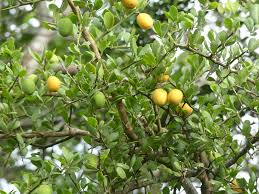
Balanites pedicellaris, commonly known as the Desert Date, is an intriguing plant that thrives in arid and semi-arid regions of Africa. This deciduous tree belongs to the family Zygophyllaceae and is renowned for its hardy nature and valuable medicinal properties. Its botanical characteristics provide insight into its adaptability to challenging environments and its unique contributions to traditional medicine.
The Desert Date is a relatively small to medium-sized tree, reaching heights of about 5 to 10 meters (16 to 33 feet). Its trunk is sturdy, often displaying grayish-brown to dark-brown bark with a rough texture. This bark serves as a protective layer against harsh environmental conditions.
The leaves of Balanites pedicellaris are alternate, simple, and pinnately compound, consisting of 4 to 8 pairs of opposite leaflets. These leaflets are elongated, lanceolate, and have a leathery texture. The leaf color ranges from light green to grayish-green, allowing the plant to minimize water loss through transpiration.
The small, fragrant flowers of Balanites pedicellaris are typically pale yellow to greenish-yellow in color. They are radially symmetrical and have five sepals and five petals. These flowers often grow in clusters, creating visually appealing inflorescences. The flowers scent and color make them attractive to pollinators, contributing to the plants reproductive success.
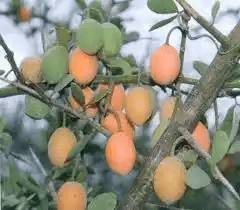
The most distinctive feature of Balanites pedicellaris is its fleshy fruit. The fruit resembles a date, albeit larger, and measures approximately 3 to 5 centimeters in diameter. The mature fruit is green when young and turns yellow to orange as it ripens.
Inside the fruit lies a hard, woody shell that encases one to three seeds. The fruit pulp is edible and is often consumed by both humans and wildlife, contributing to the plants ecological role as a food source.
Balanites pedicellaris is well-adapted to arid and semi-arid regions, where water availability is limited. It can be found across various African countries, including parts of West Africa, East Africa, and the Sahel region. Its ability to thrive in challenging environments makes it a crucial plant for local ecosystems, providing food and shelter for various animals.
The Desert Date has been an integral part of traditional medicine in many African communities. Different parts of the plant, including leaves, roots, fruits, and bark, have been utilized for their diverse medicinal properties. From wound healing and pain management to treating skin conditions and gastrointestinal issues, the plants contributions to human well-being are vast and culturally significant.
The Botanical Description of Balanites pedicellaris
1. Morphology: Balanites pedicellaris reaches a height of 6 to 9 meters with a distinctive umbrella-shaped crown, providing ample shade in arid regions. Branches are sturdy, and the rough bark aids in resisting extreme conditions.
2. Leaves: Compound leaves, arranged alternately, with numerous elliptical leaflets. The waxy coating on the leaflets helps conserve water in arid environments.
3. Flowers: Small, greenish-yellow flowers in clusters, often inconspicuous. The tree exhibits dioecious characteristics, with individual trees being either male or female.
4. Fruits: Oval-shaped fruits, commonly known as desert dates, turn from green to yellow as they ripen. The hard, woody shell protects the edible pulp inside, serving as a valuable food source.
The Geographic Distribution of Balanites pedicellaris
1. Native Range: Balanites pedicellaris is primarily found in North and West Africa, including Mali, Niger, Chad, Sudan, and Ethiopia, thriving in arid and semi-arid regions.
2. Habitat Preferences: Well-adapted to diverse habitats like savannas and dry woodlands, the tree withstands high temperatures, low rainfall, and nutrient-poor soils.
3. Ecological Importance: Balanites pedicellaris contributes to preventing soil erosion, providing shade, and serving as a food source for animals, supporting biodiversity in arid ecosystems.
The Chemical Composition of Balanites pedicellaris
1. Phytochemicals: Rich in phytochemicals such as saponins, flavonoids, alkaloids, and tannins, offering potential therapeutic effects like anti-inflammatory and antioxidant properties.
2. Nutritional Components: The fruit, desert dates, is a valuable source of carbohydrates, essential vitamins, and minerals, providing energy for humans and wildlife.
3. Medicinal Uses: Various parts of Balanites pedicellaris, including bark, leaves, and roots, are used in traditional medicine for treating ailments like malaria, digestive issues, and skin conditions.
4. Economic Importance: Beyond its ecological and medicinal value, Balanites pedicellaris holds economic significance. The fruit is consumed locally, and oil extraction from seeds has industrial applications. The trees wood is used for fuel and construction.
Nutritional Value of Balanites pedicellaris (Desert Date)
1. Protein: The seeds of Balanites pedicellaris contain a significant amount of protein, though less than its close relative Balanites aegyptiaca. Proteins are essential for muscle repair, enzyme function, and overall growth, making the seeds a valuable food source in arid regions where protein-rich foods may be scarce.
2. Lipids (Oil Content): The kernel of B. pedicellaris seeds has a lower oil content (around 4%) compared to other Balanites species, but it still provides essential fatty acids. These lipids can serve as an energy source and support cell membrane health, though the oil is less commonly used than that of B. aegyptiaca.
3. Carbohydrates: The fruit pulp of B. pedicellaris is rich in carbohydrates, primarily sugars, which provide a quick energy source. This makes the fruit a valuable food in desert environments where energy-dense foods are critical for survival.
4. Dietary Fiber: The fruit’s mesocarp (pulp) contains dietary fiber, which aids digestion by promoting regular bowel movements and supporting gut health. Fiber also helps regulate blood sugar levels and can contribute to satiety.
5. Saponins: B. pedicellaris contains saponins, particularly in its seeds, which have potential antimicrobial and anti-inflammatory properties. While not a nutrient, these compounds may contribute to health benefits when consumed in moderation.
6. Flavonoids: The plant, including its fruits and leaves, harbors flavonoids, which act as antioxidants. These compounds help combat oxidative stress by neutralizing free radicals, potentially reducing the risk of chronic diseases.
7. Phenolic Compounds: Phenolic acids in B. pedicellaris contribute to its antioxidant capacity. These compounds may support cardiovascular health and reduce inflammation, though specific studies on this species are limited.
8. Minerals (Potassium): Trace amounts of potassium are present in the fruit, which supports heart health by helping regulate blood pressure and fluid balance. This is particularly beneficial in diets lacking diverse mineral sources.
9. Low-Calorie Content: The fruit pulp is low in calories, making it suitable for diets aimed at weight management or for populations in food-scarce regions needing nutrient-dense, low-calorie options.
10. Amino Acids: The seeds contain a range of amino acids, though in lower quantities compared to B. aegyptiaca. These include essential amino acids like lysine, which are crucial for protein synthesis and metabolic functions.
Read Also: 8 Medicinal Health Benefits of Elder (Sambucus)
The Medicinal Health Benefits of Balanites pedicellaris (Desert Date)
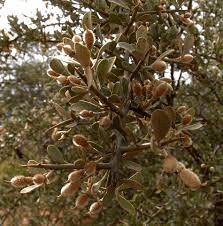
1. Anti-inflammatory Properties: Balanites pedicellaris has shown potent anti-inflammatory effects, making it valuable for treating conditions like arthritis and inflammatory skin conditions.
2. Antioxidant Support: The plants high antioxidant content helps combat oxidative stress, reducing the risk of chronic diseases and promoting overall health.
3. Gastrointestinal Relief: The roots and fruits of Balanites pedicellaris have been used to alleviate gastrointestinal disorders, including indigestion and constipation.
4. Fever Reduction: Traditional medicine employs the plant to reduce fever by regulating body temperature and boosting the immune system.
5. Pain Management: The plants extracts possess analgesic properties that can help manage pain, ranging from mild headaches to more severe discomfort.
6. Skin Health: Balanites pedicellaris extracts are known for their benefits in treating various skin conditions, such as eczema, psoriasis, and acne, due to their anti-inflammatory and antimicrobial properties.
7. Wound Healing: The plants application on wounds accelerates healing, thanks to its tissue-regenerating and antibacterial effects.
8. Diabetes Control: Balanites pedicellaris has demonstrated potential in helping regulate blood sugar levels, making it a promising natural supplement for diabetes management.
9. Antiparasitic Effects: The plants extracts have been used to combat parasitic infections, such as malaria and intestinal worms, due to their antiparasitic properties.
10. Cardiovascular Support: Compounds found in Balanites pedicellaris contribute to heart health by reducing cholesterol levels and improving blood circulation.
The Methods of Usage to Achieve the Provided Health Benefits of Balanites pedicellaris (Desert Date)
1. Infusions and Teas
i. Preparation: Collect fresh or dried leaves, fruits, or roots of Balanites pedicellaris. Boil water and pour it over the plant material. Allow it to steep for 10-15 minutes.
ii. Usage: Drink the infused liquid as a tea. This method is great for extracting water-soluble compounds and can be consumed daily to support overall health.
2. Topical Applications
i. Preparation: Extract the plants beneficial compounds by infusing its leaves or fruits in a carrier oil (such as coconut or olive oil) for a few weeks.
ii. Usage: Apply the infused oil topically to the skin to address skin conditions, wounds, and inflammation. This method is effective for localized issues and encourages the absorption of the plants properties through the skin.
3. Powders and Capsules
i. Preparation: Dry and finely grind Balanites pedicellaris leaves, fruits, or roots to create a powdered form.
ii. Usage: Consume the powdered plant material by encapsulating it in vegetable-based capsules or mixing it into beverages. This method offers a convenient way to incorporate the plants benefits into your daily routine.
4. Decoctions
i. Preparation: Boil Balanites pedicellaris parts (leaves, fruits, or roots) in water for an extended period to extract its compounds.
ii. Usage: Consume the decoction as a drink. This method is suitable for extracting a broader range of compounds, including those that are less water-soluble.
5. Balms and Ointments
i. Preparation: Combine Balanites pedicellaris extracts with a natural base like beeswax or shea butter to create a soothing balm or ointment.
ii. Usage: Apply the balm or ointment to the affected area of the skin for targeted relief from skin conditions, wounds, and inflammation.
6. Incorporation into Foods
i. Preparation: Add dried and powdered Balanites pedicellaris leaves or fruits to your culinary creations.
ii. Usage: Incorporate the plants powder into dishes like soups, stews, smoothies, or teas to enjoy its health benefits in a flavorful way.
7. Steam Inhalations
i. Preparation: Boil water and add Balanites pedicellaris leaves or fruits to create a steam.
ii. Usage: Inhale the steam by covering your head with a towel and leaning over the pot. This method can help address respiratory issues and promote relaxation.
Read Also: 16 Medicinal Health Benefits of Myrtle (Myrtus communis)
The Side Effects of Using Balanites pedicellaris Medicinal Plant
1. Digestive Distress: In some cases, consuming Balanites pedicellaris or its extracts can lead to digestive discomfort, including abdominal pain, bloating, and diarrhea. Individuals with sensitive stomachs should be cautious and consider starting with small amounts to assess their tolerance.
2. Allergic Reactions: Allergic reactions to Balanites pedicellaris are rare but possible. If you experience symptoms like itching, rash, swelling, or difficulty breathing after using products containing Balanites pedicellaris, discontinue use and seek medical attention.
3. Pregnancy and Breastfeeding: Pregnant or breastfeeding women should exercise caution when using Balanites pedicellaris. Limited research is available on its safety during these periods, so its advisable to consult a healthcare professional before use to ensure the well-being of both the mother and the baby.
4. Drug Interactions: Balanites pedicellaris may interact with certain medications. If you are taking prescription drugs or have any underlying medical conditions, consult your healthcare provider before using products containing this plant to avoid potential interactions.
5. Dosage Consideration: Like any herbal remedy, the dosage of Balanites pedicellaris should be carefully considered. Using excessive amounts may lead to adverse effects. Its recommended to start with a small dosage and gradually increase if needed, under the guidance of a knowledgeable healthcare practitioner.
6. Skin Sensitivity: When applying Balanites pedicellaris extracts topically, some individuals with sensitive skin may experience irritation or allergic reactions. Perform a patch test before widespread application and discontinue use if any adverse reactions occur.
7. Children and Elderly Individuals: The safety of Balanites pedicellaris for children and elderly individuals has not been extensively studied. Its wise to exercise caution and seek professional guidance before using this plant for these age groups.
8. Long-Term Use: Prolonged and excessive use of Balanites pedicellaris may lead to cumulative effects. Its advisable to use this plant in moderation and not rely solely on it for long-term health management.
9. Quality and Source: The quality and source of Balanites pedicellaris products can greatly impact their safety and efficacy. Ensure that you obtain products from reputable sources that adhere to proper cultivation, harvesting, and processing practices.
10. Individual Variability: Just as with any herbal remedy, individual responses to Balanites pedicellaris can vary. What works well for one person may not have the same effect on another. Pay attention to your bodys reactions and adjust your usage accordingly.
Scientific Research and Studies of Balanites pedicellaris
1. Antimicrobial Properties: Research has delved into the antimicrobial potential of Balanites pedicellaris, revealing its effectiveness against a range of microbial pathogens. This suggests its potential application in the development of antimicrobial agents.
2. Antioxidant Activity: Studies have explored the antioxidant properties of Balanites pedicellaris, indicating its ability to scavenge free radicals. This research implies potential benefits in mitigating oxidative stress-related conditions.
3. Anti-inflammatory Effects: Scientific investigations suggest that Balanites pedicellaris exhibits anti-inflammatory effects, highlighting its potential in managing inflammatory disorders and related ailments.
4. Hepatoprotective Potential: Some studies have explored the hepatoprotective properties of Balanites pedicellaris, indicating its ability to protect the liver from damage. This could have implications for liver health and disease prevention.
5. Anti-diabetic Properties: Research has explored the potential anti-diabetic effects of Balanites pedicellaris, showing promising results in managing blood sugar levels. This could be significant in the development of diabetes management strategies.
6. Wound Healing Properties: Scientific studies suggest that Balanites pedicellaris may have properties that contribute to wound healing. This research indicates its potential application in traditional medicine for treating wounds.
7. Cytotoxic Effects on Cancer Cells: Preliminary studies have investigated the cytotoxic effects of Balanites pedicellaris on certain cancer cells, suggesting a potential role in cancer treatment. However, further research is needed to understand its mechanisms and potential applications.
Safety Precautions and Recommendations In Using Balanites pedicellaris Medicinal Plant
1. Dosage and Administration: Adhere to recommended dosages as excessive intake may lead to adverse effects. Follow guidelines provided by healthcare practitioners or on product labels.
2. Pregnancy and Breastfeeding: Pregnant or breastfeeding individuals should exercise caution or avoid Balanites pedicellaris due to potential risks. Consultation with a healthcare professional is crucial before use.
3. Allergic Reactions: Individuals with known allergies to plants in the Zygophyllaceae family, to which Balanites pedicellaris belongs, should use with caution to prevent allergic reactions.
4. Interaction with Medications: Consult a healthcare professional before using Balanites pedicellaris, especially if taking medications, as it may interact with certain drugs.
5. Duration of Use: Prolonged use without medical supervision should be avoided to prevent potential side effects. Periodic breaks in usage may be advisable.
6. Quality and Source: Ensure the quality and source of the Balanites pedicellaris product, as variations in preparation and sourcing can impact safety and efficacy.
7. Side Effects: Be aware of possible side effects such as digestive discomfort, allergic reactions, or skin irritation. Discontinue use if any adverse reactions occur.
Frequently Asked Questions About Balanites pedicellaris
1. Is Balanites pedicellaris safe to eat?
The fruits are edible, particularly the pulp, but must be cooked multiple times to reduce toxins like saponins. Overconsumption may cause digestive issues, so moderation is advised. Consult a healthcare professional if unsure.
2. What are the health benefits of Balanites pedicellaris?
It provides carbohydrates, fiber, and antioxidants, which may support energy needs, digestion, and oxidative stress reduction. Its seeds offer protein and amino acids, though specific health benefits are less studied than in B. aegyptiaca.
3. How is Balanites pedicellaris used in traditional medicine?
In regions like East Africa, the fruit and leaves are used to treat minor ailments like infections and digestive issues, often as decoctions or poultices, though scientific validation is limited.
4. Can Balanites pedicellaris be grown indoors?
It is not typically grown indoors due to its preference for arid conditions and large size (up to 8 meters). It thrives in dry, sunny environments with well-draining soil.
5. Are there any risks associated with Balanites pedicellaris?
The presence of saponins can be toxic if consumed in large quantities without proper preparation. Those with sensitivities or pre-existing conditions should avoid it or seek medical advice.
6. How do you prepare Balanites pedicellaris for consumption?
The fruit pulp is soaked or cooked to reduce bitterness and toxicity. Seeds require extensive processing, such as roasting, to make them safe for consumption.
7. Does Balanites pedicellaris attract pollinators?
Yes, its small, yellowish-green flowers attract insects like bees, supporting pollination in arid ecosystems.
8. Can Balanites pedicellaris survive in cold climates?
It is adapted to desert and dry shrubland biomes and is not frost-tolerant. It can be grown in USDA Zones 9–11 but may require protection or indoor overwintering in colder regions.
Do you have any questions, suggestions, or contributions? If so, please feel free to use the comment box below to share your thoughts. We also encourage you to kindly share this information with others who might benefit from it. Since we can’t reach everyone at once, we truly appreciate your help in spreading the word. Thank you very much for your support and for sharing!
Disclaimer: This article is for educational and informational purposes only. The health benefits described are based on scientific research and traditional knowledge. They are not a substitute for professional medical advice, diagnosis, or treatment. Always consult a healthcare professional before using any herb or natural remedy for medical purposes.
Read Also : Specializations of Florida Detroit Diesel-Allison