


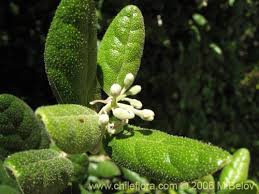
Peumus boldus Mol., more commonly known as Boldo, is a Chilean tree that has been used for thousands of years for its medicinal benefits. It’s an effective antioxidant that can be used to prevent diseases caused by free radical damage.
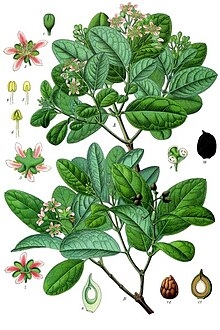
Peumus boldus, the only species in the genus Peumus, is commonly known as boldo (from the Mapudungun name foḻo). This tree of the family Monimiaceae is natively endemic to the central region of Chile, occurring from 33° to 40° southern latitude.
Boldo has also been introduced to Europe and North Africa, though it is not often seen outside botanical gardens.
Together with litre, quillay, peumo, bollén and other indigenous plants, it is a characteristic component of the sclerophyllous forest endemic to central Chile.
Its leaves, which have a strong, woody and slightly bitter flavor and camphor-like aroma, are used for culinary purposes, primarily in Latin America.
The leaves are used in a similar manner to bay leaves and also used as an herbal tea, primarily in Chile, Bolivia, Argentina, Paraguay, Peru, Uruguay, Brazil and bordering countries in South America.
Boldo is in the family Monimiaceae, which is closely related to the family Lauraceae (which includes many other plants used for their aromatic leaves, such as cinnamon, cassia, bay leaf, and camphor laurel).
Recently, Boldo is also known to relieve gastrointestinal issues, bladder infections, gallstones and liver disease. It also works as a diuretic, increasing urine flow and promoting detoxification.
Boldo is also recognized as a herbal remedy in a number of pharmacopoeias, mainly for the treatment of liver ailments.
Boldine in particular, being the major and most characteristic alkaloidal constituent of this plant species, now emerges as its most interesting active principle from the pharmacological viewpoint.
The recent demonstration that boldine is an effective antioxidant in both biological and non-biological systems has opened up the perspective of a broad range of uses in medicine and industry.
Given the toxicological data on this alkaloid, its antioxidative properties situate it as a potentially useful substance in many disease states featuring free-radical related oxidative injury.
Read More: Reasons why Black Currant is good for you
Uses of Boldo
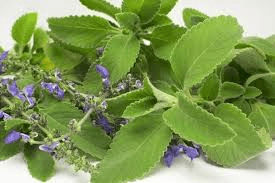
In Brazil, Argentina, Chile, Uruguay, and Paraguay, boldo is mixed with yerba mate or other teas to moderate its flavor. Some families keep a boldo plant at home for this purpose, although boldo teabags are readily available in nearly all supermarkets.
Boldo and plants with similar properties are widely used as mild folk medicine in various South American countries in both urban and rural areas, even among people who do not usually drink herbal teas other than mate beverage.
Boldo is officially listed as phytotherapic plant as cholagogue and choleretic, for treatment of mild dyspepsia in Brazilian pharmacopoeia.
Boldo leaves have slightly bitter soft flavor and a bit coniferous rough taste when brewed in tea. They are used as a culinary herb to spike many savory dishes with fish, mushrooms, vegetables and as a component in sauces.
In some local South American kitchens boldo leaves are also popular to wrap frying fish and meat. Boldo fruits, when dried, are used to make spicy condiments.
This review attempts to cover and discuss the studies conducted over the last four decades on the chemical and pharmacological properties of boldo and its main constituent which will not take us to:
Boldine and its Antioxidant or Health-Promoting Properties
The increasing recognition of the participation of free radical-mediated oxidative events in the initiation and/or progression of cardiovascular, tumoural, inflammatory and neurodegenerative disorders, has given rise to the search for new antioxidant molecules.
An important source of such molecules has been plants for which there is an ethno-cultural base for health promotion. An important example of this is boldo (Peumus boldus Mol.), a chilean tree whose leaves have been traditionally employed in folk medicine and is now widely recognized as a herbal remedy by a number of pharmacopoeias.
Boldo leaves are rich in several aporphine-like alkaloids, of which boldine is the most abundant one.
Research conducted during the early 1990s led to the discovery that boldine is one of the most potent natural antioxidants. Prompted by the latter, a large and increasing number of studies emerged, which have focused on characterizing some of the pharmacological properties that may arise from the free radical-scavenging properties of boldine.
The present review attempts to exhaustively cover and discuss such studies, placing particular attention on research conducted during the last decade. Mechanistic aspects and structure-activity data are discussed.
The review encompasses pharmacological actions, which arise from its antioxidant properties (e.g., cyto-protective, anti-tumour promoting, anti-inflammatory, anti-diabetic and anti-atherogenic actions), as well as those that do not seem to be associated with such activity (e.g., vasorelaxing, anti-trypanocidal, immuno- and neuro-modulator, cholagogic and/or choleretic actions).
Based on the pharmacological and toxicological data now available, further research needs and recommendations are suggested to define the actual potential of boldine for its use in humans.
Read More: How to Grow Herbs and Spices in Urban Areas
Health Benefits of Boldo (Peumus boldus Mol.)
According to a recent detailed research, below are the amazing health benefits of Boldo (Peumus boldus Mol.):
Mechanism of Action
Pharmacology
Constituents: Boldine is a major active alkaloidal constituent of boldo. In addition to boldine, boldo contains ascaridole, benzaldehyde, boldin, boldoglucin, bornyl-acetate, 1,8-cineol, coclaurine, coumarin, cuminaldehyde, 2-decanone, 6(a)-7 dehydroboldine, diethylphthalate, eugenol, farnesol, fenchone, gamma terpinene, 2-heptaone, isoboldine, kaempferols, laurolitsine, laurotetainine, norboldine, norisocorydine, pachycarpine, P-cymene, P-cymol, pro-nuciferine, 2-octanone, reticuline, rhamnosides, sabinene, sinoacutine, terpinoline, thymol, trans verbenol, 2-tridecanone, and 2-undecanone.
Antioxidant effects: Preliminary assays showed free-radical scavenging activity in hot water extracts of boldo leaves. Assay-guided isolation led to the active compounds. Catechin proved to be the main free-radical scavenger of the extracts. Lipid peroxidation in erythrocytes was inhibited by boldo extracts. The relative concentration of alkaloids and phenolics in boldo leaves and their activity suggest that the free-radical scavenging effect is mainly due to catechin and flavonoids and that the antioxidant effect is mainly related with the catechin content.
Hepatoprotective effects: Boldine acted as a hydroxide scavenger, inhibited NADPH- and NADH-dependent production of thiobarbituric acid reactive substances (TBARS), inhibited ferrous-catalyzed non-enzymatic lipid peroxidation, and inhibited lipid peroxidation initiated by t-butylhydroperoxide and carbon tetrachloride. Boldine protected microsomes against oxidation of NADPH-cytochrome P450 reductase, cytochrome P450, and glucose-6-phosphatase.
Gastrointestinal effects: Dry boldo extract prolongs orocecal transit time in humans, which may explain its traditional use for mild digestive complaints.
Antiplatelet effects: Boldine inhibits platelet aggregation induced by arachidonic acid and collagen.
Chemoprotective effects: Boldine modulates drug-metabolizing enzymes, potentially reducing activation of chemical mutagens.
Vasodilatory effects: Boldine acts as an alpha 1-adrenoceptor blocker, leading to vasorelaxation.
In Summary
Boldo is a tree that grows in the Andes mountains in South America. Interestingly, fossilized boldo leaves dating from over thirteen thousand years ago have been found in Chile. These fossils have imprints of human teeth, suggesting that boldo has a long history of dietary or medicinal use.
Boldo is used for mild gastrointestinal (GI) spasms, gallstones, achy joints (rheumatism), bladder infections, liver disease, and gonorrhea. It is also to increase urine flow to rid the body of excess fluids, reduce anxiety, increase bile flow, and kill bacteria.
How does it work?
Boldo contains chemicals that might increase urine output, fight bacterial growth in the urine, and stimulate the stomach.
Scientific Evidence and Case Studies on Boldo (Peumus boldus Mol.) – Importance and Health Benefits
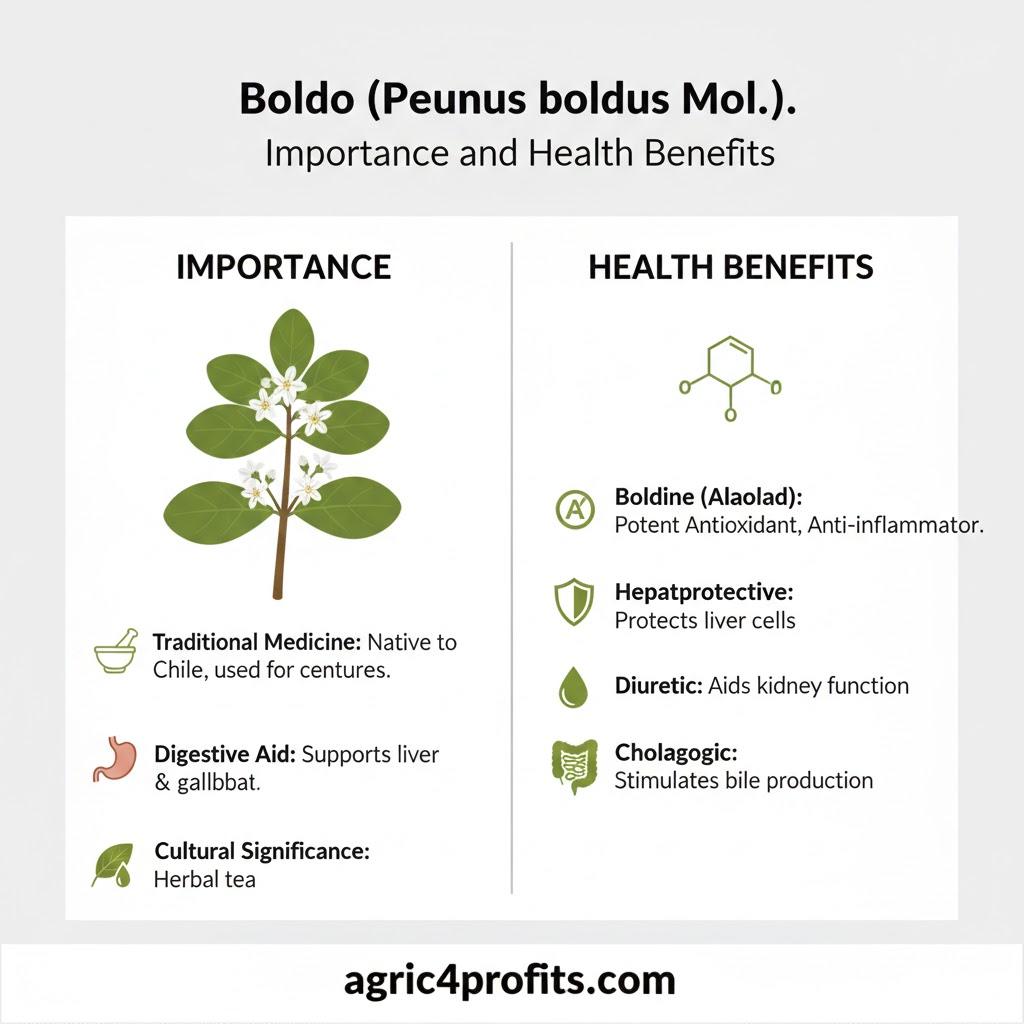
1. Antioxidant activity of boldine: Boldine effectively scavenges superoxide anions, hydrogen peroxide, and hydroxyl radicals in dose-dependent manner, and protects against oxidative damage in liver mitochondria and other biological systems.
2. Hepatoprotective effects: Boldine inhibits lipid peroxidation in microsomes, protects cytochrome P450 enzymes, and reduces oxidative injury from toxins like carbon tetrachloride and t-butylhydroperoxide.
3. Gastrointestinal transit modulation: Dry boldo extract significantly prolongs orocecal transit time in human volunteers compared to placebo, supporting its traditional use for dyspepsia.
4. Antiplatelet and chemoprotective actions: Boldine inhibits platelet aggregation and modulates cytochrome P450 enzymes, potentially reducing xenobiotic activation and thrombotic risk.
5. Free radical protection in cellular models: Boldine prevents TPA-induced oxidant accumulation, restores gap junctional communication, and shows cyto-protective effects in tumor promotion models.
Summary of Boldo (Peumus boldus Mol.) – Importance and Health Benefits
| Aspect | Summary |
|---|---|
| Botanical Description | Evergreen tree (Peumus boldus) endemic to central Chile; sole species in genus Peumus; family Monimiaceae; aromatic bitter leaves. |
| Traditional Uses | Herbal tea, culinary seasoning (like bay leaf), mixed with yerba mate; folk remedy for GI issues, liver ailments, gallstones, diuretic. |
| Key Active Compound | Boldine (major aporphine alkaloid); also catechin, flavonoids, ascaridole, essential oils. |
| Primary Health Benefits | Strong antioxidant (free radical scavenging), hepatoprotective, cholagogue/choleretic, digestive aid, diuretic, anti-inflammatory potential. |
| Pharmacological Effects | Inhibits lipid peroxidation, protects liver enzymes, prolongs gut transit, antiplatelet, vasodilatory, chemoprotective via enzyme modulation. |
| Culinary Applications | Tea, seasoning for fish/meat/vegetables, wraps for frying, dried fruits as condiment. |
| Safety and Research | Recognized in pharmacopoeias; low toxicity for boldine; more human studies needed for broad therapeutic claims. |
| Additional Notes | Long ethnobotanical history (fossils with human tooth marks); antioxidant potential opens doors for modern applications in oxidative stress-related conditions. |
Frequently Asked Questions
1. What is Boldo and where does it come from?
Boldo (Peumus boldus) is an evergreen tree native to central Chile, used traditionally for thousands of years as a medicinal and culinary herb.
2. What is the main active compound in Boldo?
Boldine, an aporphine alkaloid, is the primary active constituent responsible for many of its antioxidant and pharmacological effects.
3. How is Boldo commonly used in South America?
The leaves are brewed as herbal tea (often mixed with yerba mate), used as a seasoning similar to bay leaves, or wrapped around fish and meat for cooking.
4. What are the key health benefits of Boldo?
It supports liver health, acts as a digestive aid (cholagogue/choleretic), promotes urine flow as a diuretic, relieves mild GI issues, and provides strong antioxidant protection.
5. How does Boldo help with liver problems?
Boldine and other compounds inhibit lipid peroxidation, protect liver enzymes like cytochrome P450, and reduce oxidative damage from toxins.
6. Can Boldo improve digestion?
Yes, it prolongs orocecal transit time, stimulates bile flow, and is traditionally used for mild dyspepsia and gastrointestinal spasms.
7. Is Boldo a powerful antioxidant?
Yes, boldine and catechin in Boldo effectively scavenge free radicals, inhibit peroxidation, and protect cells from oxidative stress in various models.
8. Are there any other notable effects of Boldo or boldine?
It shows antiplatelet activity, potential chemoprotective effects by modulating drug-metabolizing enzymes, and vasorelaxant properties.
9. Is Boldo safe to use regularly?
It is generally recognized as safe in traditional doses and listed in pharmacopoeias; however, long-term high-dose use requires caution and more research.
10. Why has Boldo been used for so long?
Fossilized leaves over 13,000 years old with human tooth marks indicate ancient dietary/medicinal use; its antioxidant and digestive properties likely contributed to its enduring role in folk medicine.
Do you have any questions, suggestions, or contributions? If so, please feel free to use the comment box below to share your thoughts. We also encourage you to kindly share this information with others who might benefit from it. Since we can’t reach everyone at once, we truly appreciate your help in spreading the word. Thank you very much for your support and for sharing!
Disclaimer: This article is for educational and informational purposes only. The health benefits described are based on scientific research and traditional knowledge. They ayre not a substitute for professional medical advice, diagnosis, or treatment. Always consult a healthcare professional before using any herb or natural remedy for medical purposes.
Read Also: How Long Does It Take a Hazelnut Tree to Produce Nuts?
This is the precise blog for anybody who wants to seek out out about this topic. You realize a lot its almost arduous to argue with you (not that I really would want…HaHa). You positively put a new spin on a subject that’s been written about for years. Great stuff, just great!
Thank you so much and we are glad that you find our article very helpful
Spot on with this write-up, I really think this site wants a great deal more consideration. I’ll likely to end up again to read a great deal more, thanks for that info.
Thank you so much and we are glad that you find our article very helpful