



The food and beverage industry has grown rapidly, creating opportunities but also increasing competition. Efficiency is crucial for survival in this saturated market. By optimizing systems, processes, and policies, businesses can improve outputs. This article explores strategies to enhance staff productivity, operational efficiency, and reduce production costs.
To thrive, manufacturers must balance resource use and productivity. Implementing effective strategies ensures quality products without wasting resources. The following sections detail practical approaches to achieve these goals, focusing on staff engagement, operational improvements, and cost management for sustained success.
Staff Productivity
Improving staff productivity is vital for enhancing overall business performance. Employees are the backbone of any operation, and their efficiency directly impacts output. This section examines key methods to boost staff productivity, ensuring they contribute effectively to the manufacturing process.
A. Employee Productivity and ROI
1. Measuring Productivity: Measuring employee productivity helps businesses assess their return on investment. For instance, upgrading machinery or software should increase output. A rise in productivity indicates the investment’s success, while stagnation may highlight inefficiencies.
2. Identifying Issues: Low productivity often signals deeper issues like disengagement or poor management. It acts as a diagnostic tool, revealing workflow interruptions or process inefficiencies. Addressing these problems is essential for maintaining high performance levels.
3. Investment Impact: Significant investments in tools or systems aim to optimize efficiency. If productivity doesn’t improve, it suggests the need for better training or process adjustments to maximize the return on investment.
B. Ways to Improve Staff Productivity
1. Provide the Right Tools: Equipping employees with efficient tools, like modern machinery or updated software, ensures tasks are completed quickly. Outdated equipment hinders performance, reducing productivity and causing frustration.
2. Enhance Workplace Environment: A productive environment includes good lighting, a clean and safe workspace, and an efficient layout. Quiet breakaway spaces and healthy food options further support employee focus and well-being.
3. Optimize Time Management: Flexible hours and remote work options allow employees to work when most effective. Minimizing unnecessary meetings ensures staff can focus on value-adding tasks, boosting overall productivity.
4. Foster Effective Communication: Encouraging teamwork and choosing the best communication methods—whether in-person, email, or instant messaging—builds trust and improves collaboration, enhancing productivity across teams.
5. Build Workplace Culture: Hiring individuals with the right attitudes, providing training, and maintaining high morale create a positive culture. Happy employees are more productive, reducing turnover and improving efficiency.
Read Also: All You Need To Know About Animal Shelters
Operational Efficiency

Operational efficiency focuses on delivering quality products cost-effectively and on time. It involves optimizing resource utilization, production, distribution, and inventory. This section outlines how to measure and improve operational efficiency for better business outcomes.
Operational efficiency is a cornerstone of competitive manufacturing. By streamlining processes and minimizing waste, businesses can meet customer demands while maintaining profitability. The following subheadings explore key factors and measurement techniques.
A. Measuring Operational Efficiency
1. Efficiency Ratio: Operational efficiency is calculated as operating expenses divided by revenue. A lower ratio indicates greater efficiency, applicable to the entire business or specific departments if revenue and costs are isolated.
2. Tracking Over Time: Monitoring efficiency over time helps identify patterns and inefficiencies. Consistent measurement ensures efforts are effective and highlights areas needing improvement for sustained performance.
3. Measurement Challenges: Too many metrics can obscure outcomes, while unreliable data or multiple data sources increase errors. Establishing reliable measurement systems is critical for accurate efficiency assessments.
B. Strategies to Improve Operational Efficiency
1. Optimize Resource Utilization: Efficient use of resources, such as raw materials and labor, reduces waste and lowers costs. Regular reviews ensure resources align with production needs, boosting efficiency.
2. Streamline Production Processes: Analyzing production stages to eliminate bottlenecks and redundancies cuts unnecessary costs. Simplified workflows enhance output speed and quality, improving overall efficiency.
3. Enhance Distribution and Inventory: Tight inventory control prevents overstocking or waste. Efficient distribution systems ensure timely delivery, maintaining customer satisfaction and reducing operational costs.
Read Also: All You Need To Know About Sweet William Flowers
Reducing Production Costs
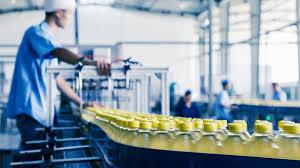
Lowering production costs is a direct way to boost efficiency. These costs include raw materials, labor, suppliers, and overhead. This section discusses strategies to minimize expenses while maintaining product quality.
Cost reduction requires a strategic approach to eliminate waste and optimize processes. By focusing on cost tracking, employee engagement, and supplier negotiations, businesses can achieve significant savings. The following subheadings detail actionable strategies.
A. Strategies to Reduce Production Costs
1. Track Costs Effectively: Using accounting software like Xero or QBO helps monitor costs across the business. Accurate tracking identifies areas for savings, ensuring cost-effective operations.
2. Eliminate Bottlenecks: Analyzing production processes to remove non-value-adding activities reduces costs. Streamlining workflows minimizes redundancies, allowing for faster and cheaper production cycles.
3. Optimize Inventory Control: Maintaining the right stock levels prevents excess or waste. Tight inventory management ensures resources are used efficiently, reducing unnecessary expenses.
B. Enhancing Employee Engagement
1. Hire the Right People: Recruiting individuals with suitable skills and attitudes sets a strong foundation. Engaged employees are more productive, reducing turnover and associated labor costs.
2. Provide Training: Ongoing training enhances employee skills, improving efficiency and effectiveness. Well-trained staff contribute to smoother operations and higher-quality outputs.
3. Offer Incentives: Appropriate incentives, like bonuses or recognition, boost morale and productivity. Engaged employees work more effectively, lowering labor costs over time.
4. Share Clear Goals: Communicating production goals aligns employees with business objectives. Clear expectations drive focus and efficiency, reducing wasted effort.
C. Leveraging Automation and Supplier Negotiations
1. Embrace Automation: Automated solutions reduce long-term costs despite initial investments. Subscription-based software can provide immediate cost savings, enhancing efficiency.
2. Negotiate with Suppliers: Building strong supplier relationships enables better pricing. Long-term contracts, cash payments, or turnover discounts can significantly lower material costs.
Frequently Asked Questions
1. What is efficiency in food and beverage manufacturing?
Efficiency refers to producing high-quality products while minimizing resource waste, ensuring cost-effectiveness and competitiveness in the market.
2. How can staff productivity be improved?
Providing the right tools, fostering a positive workplace culture, optimizing time management, and encouraging effective communication are key strategies.
3. Why is measuring operational efficiency important?
Measuring efficiency helps identify inefficiencies, track progress, and ensure resources are used effectively to deliver quality products cost-efficiently.
4. What challenges affect operational efficiency measurement?
Using too many metrics, relying on unreliable data, or pulling data from multiple sources can lead to errors and obscure outcomes.
5. How can production costs be reduced?
Tracking costs, eliminating bottlenecks, optimizing inventory, and negotiating with suppliers are effective ways to lower production expenses.
6. What role does automation play in efficiency?
Automation reduces long-term operational costs by streamlining tasks, minimizing errors, and freeing staff for value-adding activities.
7. How does employee engagement impact costs?
Engaged employees are more productive, reducing turnover and labor costs while improving overall efficiency and output quality.
Do you have any questions, suggestions, or contributions? If so, please feel free to use the comment box below to share your thoughts. We also encourage you to kindly share this information with others who might benefit from it. Since we can’t reach everyone at once, we truly appreciate your help in spreading the word. Thank you so much for your support and for sharing!