


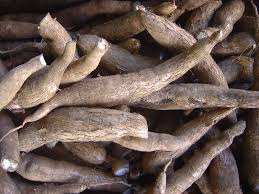
Cassava, known scientifically as Manihot esculenta, is a starchy root crop widely cultivated in tropical regions. This versatile crop is a dietary staple for millions, particularly in Africa, South America, and Asia. Its resilience in harsh climates makes it a vital food security crop.
Originating from South America, cassava has been domesticated for over 5,000 years. Today, it’s a cornerstone of many cuisines, from African fufu to South American farofa. Its leaves and roots are consumed, offering a range of culinary and nutritional possibilities.
Cassava’s significance extends beyond food. It’s used in industrial applications, such as producing biofuels and starches. However, its health benefits are what make it truly remarkable, offering essential nutrients and potential medicinal properties for various health conditions.
Despite its benefits, cassava must be properly prepared to avoid health risks. The root contains cyanogenic glycosides, which can release cyanide if not cooked or processed correctly. Proper preparation unlocks its full nutritional potential safely.
This article explores cassava’s nutritional value, health benefits, and scientific backing. From its role in digestion to its potential in managing chronic diseases, cassava is more than just a staple it’s a powerhouse of nutrition and versatility.
Understanding cassava’s benefits and proper usage can enhance its value in your diet. Whether you’re seeking energy-rich foods or natural remedies, cassava offers a wealth of possibilities for health-conscious individuals.
Read Also: The Principles of Proper Livestock Management
Nutritional Value of Cassava

1. Carbohydrates: Cassava is a rich source of complex carbohydrates, providing a steady energy supply. A 100-gram serving offers about 38 grams of carbs, making it an excellent energy source for active individuals. Carbohydrates in cassava are primarily starch, which breaks down slowly, ensuring sustained energy release. This makes it ideal for those needing long-lasting fuel, such as athletes or manual laborers.
2. Dietary Fiber: Cassava contains moderate fiber, with around 1.8 grams per 100 grams. Fiber aids digestion, promotes gut health, and helps regulate blood sugar levels by slowing sugar absorption. Fiber’s role in cassava supports a healthy digestive system, reducing the risk of constipation. It also fosters beneficial gut bacteria, enhancing overall gut function.
3. Vitamin C: Cassava provides about 20.6 mg of vitamin C per 100 grams, supporting immune health. This antioxidant protects cells from damage and aids in collagen formation for skin and tissue repair. Vitamin C in cassava boosts immunity, helping fight infections. Its antioxidant properties also combat oxidative stress, which can contribute to chronic diseases.
4. Folate: With approximately 27 mcg of folate per 100 grams, cassava supports cell division and DNA synthesis. It’s particularly important for pregnant women to prevent neural tube defects in babies. Folate’s presence in cassava makes it a valuable addition to diets, especially for expecting mothers. It also supports red blood cell production, reducing anemia risk.
5. Magnesium: Cassava offers about 21 mg of magnesium per 100 grams. This mineral supports muscle function, nerve health, and energy metabolism, contributing to overall vitality. Magnesium in cassava helps maintain muscle relaxation and prevents cramps, especially beneficial for active individuals. It also supports heart health by regulating blood pressure.
6. Potassium: Providing around 271 mg per 100 grams, cassava’s potassium content supports heart health, fluid balance, and muscle contractions, reducing the risk of hypertension. Potassium’s role in cassava helps maintain electrolyte balance, especially in hot climates where sweating is common. It supports cardiovascular health by counteracting sodium’s effects.
7. Calcium: Cassava contains about 16 mg of calcium per 100 grams. While not a primary source, it contributes to bone health and muscle function, supporting skeletal strength. Calcium in cassava, though modest, adds to daily intake, supporting bone density. This is particularly useful for those with limited access to dairy products.
8. Phosphorus: With around 27 mg per 100 grams, phosphorus in cassava supports bone health and energy production. It works alongside calcium to maintain strong bones and teeth.Phosphorus enhances cassava’s role in bone health, making it a valuable food in regions where nutrient deficiencies are common. It also aids cellular energy processes.
9. Iron: Cassava provides about 0.3 mg of iron per 100 grams. Iron is essential for oxygen transport and red blood cell production, helping prevent anemia. Iron in cassava supports energy levels and cognitive function. While not a primary source, it contributes to overall iron intake, especially in plant-based diets.
10. B Vitamins: Cassava contains small amounts of B vitamins like thiamin and riboflavin. These support energy metabolism and nervous system health, enhancing overall well-being. B vitamins in cassava aid in converting food into energy, supporting daily activities. Their presence makes cassava a balanced addition to nutrient-poor diets.
Health Benefits of Cassava
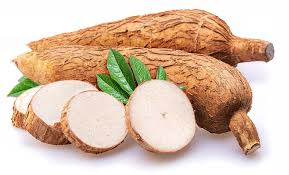
1. Energy Boost: Cassava’s high carbohydrate content (38 grams per 100 grams) provides a quick and sustained energy source, ideal for physically demanding lifestyles. This makes cassava a staple for farmers and laborers in tropical regions, where it fuels long workdays. For example, in Nigeria, cassava fufu is a go-to meal for sustained energy.
Usage: Boil 200 grams of cassava, mash into fufu, and serve with vegetable stew for a high-energy meal. Consume 1–2 cups daily for sustained energy.
2. Digestive Health: The fiber in cassava (1.8 grams per 100 grams) promotes regular bowel movements and supports gut microbiota, reducing digestive issues like constipation.
Fiber’s role in cassava supports a healthy gut, particularly in diets lacking diverse fiber sources. It’s a staple in African diets, where it aids digestion.
Usage: Prepare 150 grams of boiled cassava with a side of leafy greens to enhance fiber intake. Eat 2–3 times weekly for digestive health.
3. Immune Support: Cassava’s vitamin C (20.6 mg per 100 grams) strengthens immunity by enhancing white blood cell function and fighting oxidative stress. In rural communities, cassava is often paired with vitamin C-rich vegetables to boost immunity. For instance, in Uganda, cassava is eaten with groundnut sauce for added nutrition.
Usage: Steam 100 grams of cassava and pair with 50 grams of spinach for an immune-boosting meal. Consume 2–3 times weekly.
4. Blood Sugar Regulation: Cassava’s fiber and complex carbs help stabilize blood sugar by slowing glucose absorption, beneficial for diabetes management. In Brazil, cassava is used in low-glycemic meals to manage blood sugar. For example, diabetic patients incorporate boiled cassava into balanced diets for better glucose control.
Usage: Boil 150 grams of cassava and pair with 100 grams of lean protein like fish. Eat 1–2 times weekly to support blood sugar stability.
5. Heart Health: Potassium (271 mg per 100 grams) in cassava supports healthy blood pressure and cardiovascular function by balancing sodium levels. Potassium’s role in cassava makes it a heart-healthy food, especially in regions with limited access to other potassium sources. It supports overall cardiovascular wellness.
Usage: Roast 200 grams of cassava with minimal oil and herbs. Consume 2–3 times weekly to support heart health.
6. Bone Health: Calcium and phosphorus in cassava (16 mg and 27 mg per 100 grams) contribute to bone strength, reducing the risk of osteoporosis. These minerals make cassava a valuable food in areas with low dairy consumption, supporting skeletal health in growing children and adults.
Usage: Prepare 150 grams of cassava flour into porridge. Consume 1–2 cups weekly for bone health support.
7. Weight Management: Cassava’s fiber and complex carbs promote satiety, helping control appetite and support weight management when consumed in moderation. Cassava’s filling nature makes it a staple for weight-conscious diets in many cultures, providing satisfaction without excessive calories.
Usage: Boil 100 grams of cassava and pair with 50 grams of vegetables for a low-calorie, filling meal. Eat 2–3 times weekly.
8. Anemia Prevention: Iron and folate in cassava (0.3 mg and 27 mcg per 100 grams) support red blood cell production, reducing anemia risk.These nutrients are vital in regions where anemia is prevalent, particularly for women and children with limited access to iron-rich foods.
Usage: Make cassava flour flatbread (100 grams) and serve with lentil stew. Consume 2–3 times weekly to boost iron intake.
9. Skin Health: Vitamin C in cassava supports collagen production, promoting skin elasticity and reducing signs of aging like wrinkles.Cassava’s antioxidants benefit skin health, especially when combined with other nutrient-rich foods in a balanced diet.
Usage: Steam 100 grams of cassava and pair with 50 grams of citrus fruits for a skin-boosting meal. Eat 2–3 times weekly.
10. Cognitive Support: B vitamins in cassava, like thiamin, support brain health by aiding nerve function and energy metabolism. These vitamins make cassava a brain-boosting food, particularly in diets lacking diverse nutrient sources, supporting mental clarity.
Usage: Prepare 150 grams of cassava porridge with added nuts for brain health. Consume 1–2 times weekly.
11. Anti-Inflammatory Properties: Cassava’s antioxidants, like vitamin C, reduce inflammation, potentially easing symptoms of conditions like arthritis. This benefit is particularly valuable in traditional diets where cassava is a primary food, supporting overall wellness.
Usage: Boil 150 grams of cassava and mix with anti-inflammatory spices like turmeric. Consume 2–3 times weekly.
12. Gluten-Free Alternative: Cassava is naturally gluten-free, making it a safe starch source for those with celiac disease or gluten sensitivity. Cassava flour is widely used in gluten-free baking, offering a versatile alternative for those with dietary restrictions.
Usage: Use 100 grams of cassava flour to make gluten-free bread or pancakes. Consume 1–2 times weekly for dietary variety.
Scientific Evidence and Case Studies on Cassava
1. Energy and Nutrition: A study by Montagnac, et al. (2009) found cassava to be a high-energy food due to its carbohydrate content, ideal for addressing malnutrition in developing regions. It provides 160 kcal per 100 grams, supporting energy needs.
2. Digestive Health: Oluwole et al. (2012) demonstrated that cassava’s dietary fiber aids digestion and reduces constipation. The study highlighted its role in improving gut motility in African populations consuming cassava-based diets.
3. Antioxidant Benefits: R.A. Thilini Nilusha et al. (2021) found that cassava’s vitamin C content provides antioxidant benefits, reducing oxidative stress. The study confirmed its role in supporting immune health in Nigerian diets.
4. Blood Sugar Control: A 2018 study by Afolayan and Olayiwola showed cassava’s low glycemic index (when properly prepared) helps regulate blood sugar, making it suitable for diabetic diets in moderation.
Frequently Asked Questions About Cassava
1. Is cassava safe to eat raw?
No, raw cassava contains cyanogenic glycosides, which can release cyanide. Always cook or process it thoroughly to ensure safety.
2. How can cassava be prepared?
Cassava can be boiled, roasted, fried, or processed into flour for dishes like fufu, bread, or porridge. Soaking and cooking remove toxins.
3. Is cassava good for weight loss?
Yes, cassava’s fiber promotes satiety, aiding weight management. Consume in moderation (100–150 grams) with vegetables for balanced meals.
4. Can cassava help with diabetes?
Cassava’s low glycemic index can support blood sugar control when cooked properly. Pair 150 grams with protein for best results.
5. Is cassava gluten-free?
Yes, cassava is naturally gluten-free, making it ideal for celiac disease or gluten-sensitive individuals. Use cassava flour for baking.
6. How does cassava benefit skin health?
Cassava’s vitamin C supports collagen production, improving skin elasticity. Eat 100 grams with citrus fruits 2–3 times weekly.
7. Can cassava cause allergies?
Cassava allergies are rare but possible. Symptoms include itching or swelling. Consult a doctor if reactions occur after consumption.
8. How much cassava is safe to eat daily?
A serving of 100–200 grams daily is safe for most people, provided it’s properly cooked to remove cyanogenic compounds.
Do you have any questions, suggestions, or contributions? If so, please feel free to use the comment box below to share your thoughts. We also encourage you to kindly share this information with others who might benefit from it. Since we can’t reach everyone at once, we truly appreciate your help in spreading the word. Thank you very much for your support and for sharing!
Disclaimer: This article is for educational and informational purposes only. The health benefits described are based on scientific research and traditional knowledge. They are not a substitute for professional medical advice, diagnosis, or treatment. Always consult a healthcare professional before using any herb or natural remedy for medical purposes.
Read Also: What You Should Know Before Buying a Farm