


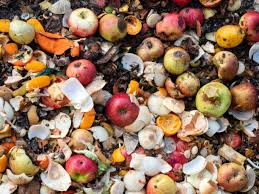
Post-harvest changes in fruits and vegetables lead to deterioration and loss of commodities, reducing their economic value. Many factors contribute to these post-harvest losses, including mechanical injury, microbial activity, and physical losses.
In the previous article, physiological activities such as respiration, transpiration, and ripening were identified as triggers of deteriorative changes in harvested fruits and vegetables.
Fruits were classified as climacteric and non-climacteric based on their respiration rates, and the effects of ripening on fruit quality and methods of controlling ripening were discussed.
This article examines additional factors that facilitate post-harvest losses of fruits and vegetables and explores methods to reduce these losses.
Mechanical and Physio-Biochemical Losses in Post-Harvest
1. Mechanical Losses
Mechanical damage to fruits and vegetables, caused by careless handling during harvesting, packing, transportation, or storage, results in bruising and cracking, making produce more susceptible to microbial attack and significantly increasing water loss and gaseous exchange.
Insects and birds also contribute to mechanical injury. Often, damage from mechanical injury, such as pressure thrust during transportation, may be invisible but causes rupturing of inner tissues and cells, leading to faster degradation during the natural aging process.
2. Physio-Biochemical Losses
In fresh vegetables, transpiration, respiration, and sprouting of tuber and bulb vegetables lead to direct food loss, primarily through the senescence process, representing major components of post-harvest losses.
Post-harvest rooting in tuber vegetables, seed germination, greening of potatoes (leading to the production of harmful compounds), and toughening or sponginess in carrots and radishes represent physiological losses that lower the quality of vegetables.
Microbial and Physical Losses in Post-Harvest
1. Microbial Losses
A significant portion of post-harvest losses in vegetables is attributed to diseases caused by fungi and bacteria. The succulent nature of fruits and vegetables makes them easily invaded by these organisms.
The most common pathogens causing rots in vegetables and fruits include fungi such as Alternaria, Botrytis, Diplodia, Monilinia, Phomopsis, Rhizopus, Penicillium, and Fusarium, as well as bacteria like Erwinia and Pseudomonas, which cause extensive damage.
2. Physical Losses
Excessive or insufficient heat during processing, improper cold storage temperature, inadequate relative humidity, and undesirable gaseous composition in controlled atmosphere storage lead to physical damage due to tissue breakdown.
Read Also: The Nutritional Requirements and Deficiency Symptoms for Poultry Chickens
Cultural Operations and Pre-Cooling Practices
1. Cultural Operations for Healthy Produce
Cultural operations that ensure the normal development of vegetables and prevent infection from decayed organisms help prolong shelf life. For root crops such as carrots and radishes, preparing the soil to a fine, porous tilth is necessary to avoid root forking. Regular irrigation during the development of bulb, tuber, and fruit vegetables is vital.
2. Pre-Cooling Techniques
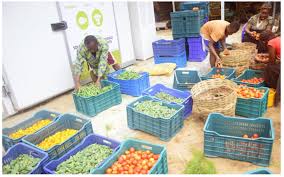
Pre-cooling prevents premature ripening and aging of fresh produce. Removing field heat from harvested vegetables, especially when harvesting occurs during hot weather, is crucial.
Cooling conserves the weight of fresh produce, providing an added advantage during extended storage. For instance, pre-cooling tomatoes during storage can reduce physiological weight loss from 6% to 2.9%. Effective pre-cooling methods include:
- Placing produce in refrigerated trucks with forced humidified air circulation.
- Placing ice in packages.
- Passing produce through a spray of cool water (hydro-cooling).
- Using vacuum cooling.
Pre-Harvest, Harvest, and Packaging Practices
1. Pre-Harvest Treatments
Post-harvest applications of metabolic inhibitors, such as maleic hydrazide, reduce sprouting in onions and potatoes during storage, while growth promoters like benzyladenine prolong the shelf life of leafy vegetables. Ethylene induces early maturity.
2. Harvesting Practices
Consumers prefer fresh, tender, disease- and insect-free vegetables with an attractive appearance. Vegetables should be harvested when they attain maximum size while still tender. Vegetables, other than root crops, should not be placed directly on the soil to avoid contamination.
3. Washing and Grading
Root and tuber crops are often washed to remove adhering soil, improving cleanliness, enhancing appearance, and preventing wilting. Vegetables are graded according to shape, color, size, maturity, and general appearance. When sorting vegetables into different grades, all characteristics influencing appearance and quality should be considered.
4. Packaging Solutions
Cost-effective packaging techniques and materials, such as polyethylene films and paperboard boxes lined with polyethylene, can effectively prolong the shelf life of vegetables.
Read Also: The Ultimate Step-by-Step Guide to Vegetable Gardenin
Curing and Low-Temperature Storage Methods
1. Curing Process
Curing onions at 40°C for 16 hours in crates reduces rot losses during storage. For crops such as potatoes, garlic, sweet potatoes, cassava, and yams, curing effectively reduces post-harvest decay and water losses.
2. Low-Temperature Storage
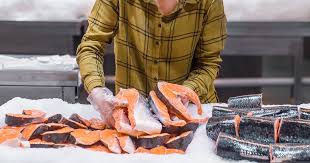
Refrigeration or low-temperature storage is the most effective method for extending the shelf life of vegetables and reducing post-harvest losses by arresting metabolic breakdown and fungal deterioration. The most suitable condition for fresh fruits and vegetables in storage is the lowest temperature that does not cause chilling injury.
Any variation from the desired condition is detrimental. Relative humidity in storage rooms also significantly affects the keeping quality of fresh produce, with requirements varying for different fruits and vegetables.
Controlled Atmosphere Storage and Chemical Treatments
1. Controlled Atmosphere (CA) Storage
In CA storage, higher CO₂ and lower O₂ levels are maintained, retarding respiratory activity, delaying softening, yellowing, quality changes, and other deteriorative processes.
2. Post-Harvest Chemical Treatments
A wide range of chemicals control microorganisms (fungicides, antibiotics), ethylene levels (ethylene absorbents), water loss (antitranspirants), and senescence (growth substances). Desiccants, such as calcium chloride and fumed silicas, provide added advantages for dehydrated products.
Effect of Temperature and Relative Humidity on Storage Life
1. Optimal Storage Conditions for Vegetables
The table below illustrates the effect of temperature and relative humidity on the storage life of vegetables. By manipulating these conditions, the storage life of fruits and vegetables can be extended.
| Vegetable | Temperature (°C) | Relative Humidity (%) | Storage Life (Weeks) |
|---|---|---|---|
| Cabbage | 0.0 to 1.7 | 92 to 95 | 4–6 |
| Ginger | 7 to 10 | 75 | 16–24 |
| Onion bulbs | 0.0 | 70 to 75 | 20–24 |
| Tomato (ripe) | 7.2 | 90 | 1 |
| Banana (for ripening) | 15.5–21.0 | 80–85 | 1–2 |
| Banana (ripened fruit) | 11.1–12.7 | 85–90 | 3 |
| Papaya | 8.3–10.0 | 80–85 | 1–2 |
| Lemon | 7.2–8.8 | 85–90 | 8–12 |
| Guava | 8.3–10.0 | 80–85 | 4 |
| Mango | 7.2–8.8 | 85–90 | 4–7 |
As soon as fruits and vegetables are harvested, post-harvest changes leading to deterioration begin, driven by physiological activities such as respiration, transpiration, and ripening, as well as mechanical injury, microbial activity, and physical losses.
To reduce post-harvest losses, measures such as pre-cooling, curing, low-temperature storage, controlled atmosphere storage, and chemical treatments must be implemented. Good cultural practices, including reducing infections from decayed organisms and proper soil tilling, are essential.
Pre-cooling and curing, along with storage at optimal temperature and relative humidity tailored to specific produce (e.g., onion bulbs at 0°C and 70–75% relative humidity for up to 24 weeks), minimize losses.
These strategies ensure the prolonged shelf life and maintained quality of fruits and vegetables, enhancing their economic value in agricultural systems.
Do you have any questions, suggestions, or contributions? If so, please feel free to use the comment box below to share your thoughts. We also encourage you to kindly share this information with others who might benefit from it. Since we can’t reach everyone at once, we truly appreciate your help in spreading the word. Thank you so much for your support and for sharing!