


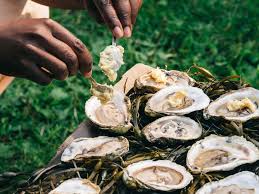
Foodborne diseases in humans result from the consumption of either food or water contaminated with viable pathogenic bacterial cells and/or spores or food containing toxins produced by toxigenic bacteria and molds. Many foodborne infections occur at people’s homes, due to poor hygiene and poor food handling.
It’s as easy as preparing food without proper hand washing after visiting the toilet. Cross-contamination is also a risk, for instance if raw meat and lettuce are both chopped on the same cutting board. Even using the same knife to chop both could cause contamination by foodborne pathogens.
Eating meat or fish that is not properly cooked or eating raw shellfish, increases the risk of foodborne infections. The common pathogens implicated in many foodborne outbreaks are Salmonella, E. coli, Listeria, and norovirus.
Different Salmonella serovars were involved in the outbreaks because many animals harbor Salmonella as carriers in the digestive tract and thus can contaminate meat, eggs, and dairy products and the environment. Processed fish (smoked) contain large numbers of L. monocytogenes.
In recent years, fish consumption has increased, and foodborne disease outbreaks from fishery products have also increased. Similarly, fruits and vegetables can be contaminated with E. coli, L. monocytogenes, and Salmonella from untreated manure/fertilizer of animal origin, irrigation water, and the soil.
In contrast, salads, which are handled extensively, can be contaminated with several pathogens of human origin.
Nature of Foodborne Infections
Foodborne infection is an illness that occurs from the consumption of food and water contaminated with enteropathogenic bacteria or viruses. Simply put as the ingestion of food containing live bacteria which grow and establish themselves in the human intestinal tract.
This infection causes inflammation of the stomach and bowels. Often times, the inflammation graduates into diarrhea, nausea, vomiting, abdominal pain, abdominal cramps, and sometimes fever which can last between one and three days.
Salmonellosis (Typhoid) caused by serovars of Salmonella is a major foodborne infection implicated in water, egg, meat, and milk and their products.
Read Also: Fattening of Sheep and Goats Guide
Characteristics of Foodborne Infections
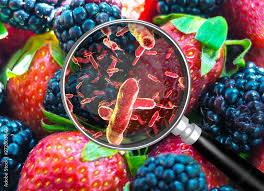
Organisms implicated in foodborne infection must be:
- Live cells of the enteric pathogens have to be consumed through food.
- The surviving cells from gastric environment must penetrate through the mucus membrane and establish in the epithelial cells of the intestines, multiply, and produce toxins and other virulence factors.
- Dose levels that cause infection vary greatly.
- Symptoms generally occur between 18-24 hours of ingestion, which, depending on the pathogen, can be both enteric and non-enteric in nature.
- Enteric symptoms are local and result from enteric infection and the effect of toxins.
- Non-enteric symptoms result when the pathogens or their toxins pass through the intestine and invade or affect other internal organs and tissues. Symptoms depend on the types of organs and tissues affected but are accompanied by fever.
Examples of pathogens include Listeria monocytogenes, enterohemorrhagic E. coli (EHEC), V. vulnificus, and Hepatitis A virus, Salmonella enterica.
Foodborne Diseases
Foodborne diseases in humans result from the consumption of either food or water contaminated with viable pathogenic bacterial cells and/or spores or food containing toxins produced by toxigenic bacteria and molds. Many foodborne infections occur at people’s homes due to poor hygiene and poor food handling.
It is as easy as preparing food without proper hand washing after visiting the toilet. Cross-contamination is also a risk, for instance, if raw meat and lettuce are both chopped on the same cutting board. Even using the same knife to chop both could cause contamination by foodborne pathogens.
Eating meat or fish that is not properly cooked or eating raw shellfish increases the risk of foodborne infections. The common pathogens implicated in many foodborne outbreaks are Salmonella, E. coli, Listeria, and norovirus.
Different Salmonella serovars were involved in the outbreaks because many animals harbor Salmonella as carriers in the digestive tract and thus can contaminate meat, eggs, dairy products, and the environment.
Processed fish (smoked) contain large numbers of L. monocytogenes. In recent years, fish consumption has increased, and foodborne disease outbreaks from fishery products have also increased.
Similarly, fruits and vegetables can be contaminated with E. coli, L. monocytogenes, and Salmonella from untreated manure/fertilizer of animal origin, irrigation water, and the soil. In contrast, salads, which are handled extensively, can be contaminated with several pathogens of human origin.
Nature and Mechanisms of Foodborne Infections
Foodborne infection is an illness that occurs from the consumption of food and water contaminated with enteropathogenic bacteria or viruses. Simply put, it involves the ingestion of food containing live bacteria that grow and establish themselves in the human intestinal tract.
This infection causes inflammation of the stomach and bowels. Oftentimes, the inflammation progresses into diarrhea, nausea, vomiting, abdominal pain, abdominal cramps, and sometimes fever, which can last between one and three days.
Salmonellosis (typhoid), caused by serovars of Salmonella, is a major foodborne infection implicated in water, eggs, meat, milk, and their products.
Key Characteristics of Foodborne Infections
Organisms implicated in foodborne infection must exhibit the following characteristics:
- Live cells of the enteric pathogens must be consumed through food.
- The surviving cells from the gastric environment must penetrate through the mucous membrane and establish in the epithelial cells of the intestines, multiply, and produce toxins and other virulence factors.
- Dose levels that cause infection vary greatly.
- Symptoms generally occur between 18-24 hours after ingestion, which, depending on the pathogen, can be both enteric and non-enteric in nature.
- Enteric symptoms are local and result from enteric infection and the effect of toxins.
- Non-enteric symptoms result when the pathogens or their toxins pass through the intestine and invade or affect other internal organs and tissues. Symptoms depend on the types of organs and tissues affected but are accompanied by fever.
Examples of pathogens include Listeria monocytogenes, enterohemorrhagic E. coli (EHEC), V. vulnificus, and Hepatitis A virus, Salmonella enterica.
Nature and Mechanisms of Foodborne Intoxication
The ingestion of food containing toxins formed by bacteria is termed foodborne intoxication. This results from the growth of bacteria in the food item. The live microorganism does not have to be consumed. In foodborne intoxication, a toxin must be present in the contaminated food in an active form.
Once the microorganisms have grown and produced a toxin in a food, there is no need for viable cells during the consumption of the food for illness to occur. Foodborne intoxication or food poisoning of microbial origin occurs from the ingestion of a food containing a preformed toxin from bacteria, such as Staphylococcus aureus, Bacillus cereus, and Clostridium botulinum, or mycotoxins from molds.
Key Characteristics of Foodborne Intoxication
Some general characteristics of food intoxication include the following:
- The toxin is produced by a pathogen while growing in a food.
- A toxin can be heat-labile or heat-stable.
- Ingestion of a food containing an active toxin, not viable microbial cells, is necessary for poisoning (except for infant botulism or hidden botulism, in which viable spores need to be ingested).
- Symptoms generally occur quickly, as early as 30 minutes after ingestion.
- Symptoms differ with the type of toxin ingested; enterotoxins produce gastrointestinal symptoms, and neurotoxins produce neurological symptoms.
- The febrile symptom is not present.
Read Also: Sheep Production Guide
Toxicants and Their Effects in Food
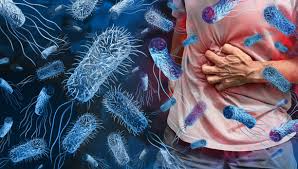
Toxicants are toxic substances found in foods that can produce harmful effects upon ingestion by humans and animals. These harmful substances can be both biological and chemical toxicants. Staphylococcal food poisoning, also known as staphylococcal gastroenteritis or staph food poisoning, caused by toxins of Staphylococcus aureus, and Clostridium botulinum are considered the most frequently occurring foodborne diseases worldwide.
Mycotoxins are toxic compounds naturally produced by certain types of molds (fungi) that grow on numerous foodstuffs such as cereals, dried fruits, nuts, and spices. Their growth can occur either before harvest or after harvest, during storage, on/in the food itself, often under warm, damp, and humid conditions.
Exposure to mycotoxins can happen either directly by eating infected food or indirectly from animals that are fed contaminated feed, in particular from milk. Foodborne mycotoxins have acute symptoms appearing quickly after consumption of food products contaminated with mycotoxins.
Other mycotoxins occurring in food have been linked to long-term effects on health, including the induction of cancers and immune deficiency. Of the several hundred mycotoxins identified so far, about a dozen have gained the most attention due to their severe effects on human health and their occurrences in food.
Aflatoxins, produced by certain molds (Aspergillus flavus and Aspergillus parasiticus) that grow in soil, decaying vegetation, hay, and grains, are among the most poisonous mycotoxins.
The toxins can also be found in the milk of animals that are fed contaminated feed, in the form of aflatoxin M1. Large doses of aflatoxins can lead led to acute poisoning (aflatoxicosis) and can be life-threatening, usually through damage Common pathogens include Salmonella, E. coli, Listeria, and norovirus, which can contaminate various foods through sources like untreated manure, irrigation water, soil, or human handling.
Processed fish (smoked) are particularly prone to L. monocytogenes contamination, while fruits, vegetables, and salads can also carry these pathogens, especially when handled extensively or exposed to contaminated sources.
Foodborne Toxico-Infections
A third class of this classification is the toxico-infection. This is an illness that occurs from the ingestion of a growth of molds in food, particularly under warm, damp, and humid conditions, can lead to mycotoxin production, which is highly toxic.
Large number of some viable pathogenic bacterial cells through contaminated food and water. In essence, the bacterial cells spor “[The text cuts off here, but it is assumed to continue with details about toxico-infections, including their nature and causative organisms.]”
Foodborne Diseases
Foodborne diseases in-humans result from the consumption of either food or water contaminated with viable pathogenic bacterial cells and/or spores or food containing toxins produced by toxigenic bacteria and molds. Many foodborne infections occur at people’s homes due to poor hygiene and poor food handling.
It is as easy as preparing food without proper hand washing after visiting the toilet. Cross-contamination is also a risk, for instance, if raw meat and lettuce are both chopped on the same cutting board. Even using the same knife to chop both could cause contamination by foodborne pathogens.
Eating meat or fish that is not properly cooked or eating raw shellfish increases the risk of foodborne infections. The common pathogens implicated in many foodborne outbreaks are Salmonella, E. coli, Listeria, and norovirus.
Different Salmonella serovars were involved in the outbreaks because many animals harbor Salmonella as carriers in the digestive tract and thus can contaminate meat, eggs, dairy products, and the environment. Processed fish (smoked) contain large numbers of L. monocytogenes.
In recent years, fish consumption has increased, and foodborne disease outbreaks from fishery products have also increased. Similarly, fruits and vegetables can be contaminated with E. coli, L. monocytogenes, and Salmonella from untreated manure/fertilizer of animal origin, irrigation water, and the soil. In contrast, salads, which are handled extensively, can be contaminated with several pathogens of human origin.
Nature and Mechanisms of Foodborne Infections
Foodborne infection is an illness that occurs from the consumption of food and water contaminated with enteropathogenic bacteria or viruses. Simply put, it involves the ingestion of food containing live bacteria that grow and establish themselves in the human intestinal tract.
This infection causes inflammation of the stomach and bowels. Oftentimes, the inflammation progresses into diarrhea, nausea, vomiting, abdominal pain, abdominal cramps, and sometimes fever, which can last between one and three days.
Salmonellosis (typhoid), caused by serovars of Salmonella, is a major foodborne infection implicated in water, eggs, meat, milk, and their products.
Key Characteristics of Foodborne Infections
Organisms implicated in foodborne infection must exhibit the following characteristics:
- Live cells of the enteric pathogens must be consumed through food.
- The surviving cells from the gastric environment must penetrate through the mucous membrane and establish in the epithelial cells of the intestines, multiply, and produce toxins and other virulence factors.
- Dose levels that cause infection vary greatly.
- Symptoms generally occur between 18-24 hours after ingestion, which, depending on the pathogen, can be both enteric and non-enteric in nature.
- Enteric symptoms are local and result from enteric infection and the effect of toxins.
- Non-enteric symptoms result when the pathogens or their toxins pass through the intestine and invade or affect other internal organs and tissues. Symptoms depend on the types of organs and tissues affected but are accompanied by fever.
Examples of pathogens include Listeria monocytogenes, enterohemorrhagic E. coli (EHEC), V. vulnificus, and Hepatitis A virus, Salmonella enterica.
Nature and Mechanisms of Foodborne Intoxication
The ingestion of food containing toxins formed by bacteria is termed foodborne intoxication. This results from the growth of bacteria in the food item. The live microorganism does not have to be consumed. In foodborne intoxication, a toxin must be present in the contaminated food in an active form.
Once the microorganisms have grown and produced a toxin in a food, there is no need for viable cells during the consumption of the food for illness to occur. Foodborne intoxication or food poisoning of microbial origin occurs from the ingestion of a food containing a preformed toxin from bacteria, such as Staphylococcus aureus, Bacillus cereus, and Clostridium botulinum, or mycotoxins from molds.
Key Characteristics of Foodborne Intoxication
Some general characteristics of food intoxication include the following:
- The toxin is produced by a pathogen while growing in a food.
- A toxin can be heat-labile or heat-stable.
- Ingestion of a food containing an active toxin, not viable microbial cells, is necessary for poisoning (except for infant botulism or hidden botulism, in which viable spores need to be ingested).
- Symptoms generally occur quickly, as early as 30 minutes after ingestion.
- Symptoms differ with the type of toxin ingested; enterotoxins produce gastrointestinal symptoms, and neurotoxins produce neurological symptoms.
- The febrile symptom is not present.
Toxicants and Their Effects in Food
Toxicants are toxic substances found in foods that can produce harmful effects upon ingestion by humans and animals. These harmful substances can be both biological and chemical toxicants.
Staphylococcal food poisoning, also known as staphylococcal gastroenteritis or staph food poisoning, caused by toxins of Staphylococcus aureus, and Clostridium botulinum are considered the most frequently occurring foodborne diseases worldwide.
Mycotoxins are toxic compounds naturally produced by certain types of molds (fungi) that grow on numerous foodstuffs such as cereals, dried fruits, nuts, and spices. Their growth can occur either before harvest or after harvest, during storage, on/in the food itself, often under warm, damp, and humid conditions.
Exposure to mycotoxins can happen either directly by eating infected food or indirectly from animals that are fed contaminated feed, in particular from milk. Foodborne mycotoxins have acute symptoms appearing quickly after consumption of food products contaminated with mycotoxins.
Other mycotoxins occurring in food have been linked to long-term effects on health, including the induction of cancers and immune deficiency. Of the several hundred mycotoxins identified so far, about a dozen have gained the most attention due to their severe effects on human health and their occurrences in food.
Aflatoxins, produced by certain molds (Aspergillus flavus and Aspergillus parasiticus) that grow in soil, decaying vegetation, hay, and grains, are among the most poisonous mycotoxins.
The toxins can also be found in the milk of animals that are fed contaminated feed, in the form of aflatoxin M1. Large doses of aflatoxins can lead to acute poisoning (aflatoxicosis) and can be life-threatening, usually through damage to the liver.
Nature and Mechanisms of Foodborne Toxico-Infections
A third class of this classification is the toxico-infection. This is an illness that occurs from the ingestion of a large number of some viable pathogenic bacterial cells through contaminated food and water. In essence, the bacterial cells sporulate, colonize, or die and release their toxins before they produce the symptoms.
The pathogenic microorganisms associated with these foodborne illnesses are mostly bacterial species and strains, usually considered nonpathogenic but capable of causing gastroenteritis in immunocompromised or susceptible individuals.
For this reason, they are often referred to as opportunistic pathogens and are normally required to be alive and with a high infective dose when consumed.
Symptoms and Severity of Food Poisoning
Most food poisoning doesn’t go undetected. They show glaring symptoms after a period of time. These symptoms can vary depending on the source of the infection as well as the immune level of persons. The length of time it takes for symptoms to appear can range from as little as 1 hour to as long as 28 days.
The commonest cases of food poisoning typically present at least three of the following symptoms:
- Abdominal cramps
- Diarrhea
- Nausea or vomiting
- Loss of appetite
- Mild fever
- Weakness
- Nausea
- Headaches
The symptoms of food poisoning can be life-threatening when diarrhea persists for more than three days, fever higher than 101.5°F, or there is difficulty seeing or speaking. This is because they can lead to severe dehydration.
Common Microbial Foodborne Diseases and Their Causative Pathogens
| Types of Disease | Causative Microorganism | Microbial Group | Major Symptom Type |
|---|---|---|---|
| Infection | |||
| Salmonellosis | Over 2000 Salmonella enterica serovars | Bacteria | Diarrhea |
| Shigellosis | Four Shigella species | Bacteria | Bloody mucoid diarrhea |
| Brucellosis | Brucella abortus | Bacteria | Gastric and nongastric |
| Listeriosis | Listeria monocytogenes | Bacteria | Fever, meningitis, abortion, diarrhea |
| Enterohemorrhagic Escherichia coli (EHEC) | E. coli O157:H7, E. coli O26:H11 | Bacteria | Hemorrhagic diarrhea, Hemolytic uremic syndrome (HUS) |
| Enteropathogenic E. coli (EPEC) | E. coli O111:H12 | Bacteria | Hemorrhagic diarrhea |
| Vibrio parahaemolyticus gastroenteritis | Pathogenic strains of V. parahaemolyticus | Bacteria | Diarrhea, hepatitis |
| Intoxication | |||
| Staph poisoning | Staphylococcus aureus | Bacteria | Vomiting, diarrhea |
| Mycotoxin poisoning | Mycotoxin-producing strains (e.g., Aspergillus flavus) | Molds | Carcinogenic, Hepatotoxic |
| Botulism | Clostridium botulinum | Bacteria | Neurologic |
| Toxico-infection | |||
| Cholera | Vibrio cholerae | Bacteria | Diarrhea |
| Clostridium perfringens gastroenteritis | C. perfringens | Bacteria | Diarrhea, vomiting |
| Escherichia coli gastroenteritis | Enterotoxigenic E. coli (ETEC) serotype O15:H11 | Bacteria | Travelers’ diarrhea |
Frequently Asked Questions (FAQs) on Foodborne Infections and Toxicants
- What are the primary sources of contamination leading to foodborne infections?
Primary sources include poor hygiene practices, such as preparing food without proper hand washing, cross-contamination from using the same cutting board or knife for raw meat and other foods, consumption of undercooked meat or fish, raw shellfish, untreated manure/fertilizer, contaminated irrigation water, soil, and human handling of foods like salads. - How does a foodborne infection differ from a foodborne intoxication?
Foodborne infection results from ingesting live pathogenic bacteria or viruses that grow in the intestinal tract, causing inflammation and symptoms like diarrhea and fever after 18-24 hours. Foodborne intoxication occurs from ingesting preformed toxins in food, with symptoms like vomiting appearing as early as 30 minutes after consumption, without the need for viable cells. - Which pathogens are commonly associated with foodborne outbreaks?
Common pathogens include Salmonella, E. coli, Listeria monocytogenes, and norovirus, which contaminate foods like meat, eggs, dairy, processed fish, fruits, vegetables, and salads through animal carriers, environmental sources, or human handling. - What are mycotoxins, and why are they dangerous?
Mycotoxins are toxic compounds produced by molds like Aspergillus flavus and Aspergillus parasiticus on foods such as cereals, dried fruits, nuts, and spices, often under warm, damp conditions. They can cause acute symptoms like aflatoxicosis, which can be life-threatening due to liver damage, and long-term effects like cancer and immune deficiency. - What defines a foodborne toxico-infection?
Foodborne toxico-infection involves ingesting a large number of viable pathogenic bacterial cells that sporulate, colonize, or die and release toxins in the body, causing gastroenteritis, particularly in immunocompromised individuals, with pathogens like Vibrio cholerae and Clostridium perfringens. - What are the typical symptoms of food poisoning, and when do they become life-threatening?
Typical symptoms include abdominal cramps, diarrhea, nausea or vomiting, loss of appetite, mild fever, weakness, and headaches, appearing from 1 hour to 28 days after ingestion. Symptoms become life-threatening if diarrhea persists for more than three days, fever exceeds 101.5°F, or there is difficulty seeing or speaking, potentially leading to severe dehydration. - Which foods are most at risk for contamination by Listeria monocytogenes?
Processed fish (smoked) are particularly prone to Listeria monocytogenes contamination, with increased outbreaks linked to higher fish consumption. Fruits, vegetables, and extensively handled salads can also be contaminated by this pathogen. - How can foodborne infections be prevented in home food preparation?
Prevention involves proper hand washing, avoiding cross-contamination by using separate cutting boards and knives for raw meat and other foods, thoroughly cooking meat and fish, and avoiding consumption of raw shellfish to reduce the risk of pathogen contamination.
Do you have any questions, suggestions, or contributions? If so, please feel free to use the comment box below to share your thoughts. We also encourage you to kindly share this information with others who might benefit from it. Since we can’t reach everyone at once, we truly appreciate your help in spreading the word. Thank you so much for your support and for sharing!