


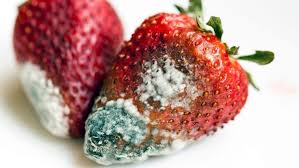
Fruits and vegetables are prone to spoilage due to various factors during harvesting, handling, transportation, and storage. This article explores the causes, types, and specific microorganisms responsible for spoilage, emphasizing the importance of proper handling and storage practices to minimize losses.
Causes of Spoilage in Fruits and Vegetables
Spoilage of fruits and vegetables results from physical, enzymatic, and microbial factors. Understanding these causes is
A. Contamination During Handling
Contamination can occur during harvesting, handling, transportation, or storage if hygienic conditions are not maintained. Mechanical damage increases susceptibility to decay, allowing microorganisms to grow. Unhygienic handling or fly infestation accelerates spoilage rates.
B. Improper Washing Practices
Washing produce in contaminated water can moisten surfaces, enabling the entry and growth of spoilage-causing organisms. This practice introduces pathogens that thrive in moist environments, leading to faster deterioration.
C. Contaminated Storage and Materials
Storage in contaminated containers or contact with decayed products promotes microbial growth. Using contaminated dressing materials further exacerbates spoilage, making proper storage hygiene critical to preserving quality.
Read Also: Historical Development of Crop Production
Types of Microbial Spoilage
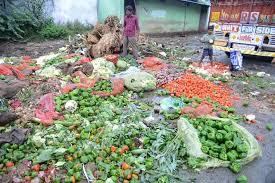
Microbial spoilage is a major cause of fruit and vegetable deterioration, varying by produce type and variety. It is driven by plant pathogens and saprophytic organisms, leading to diverse spoilage patterns.
A. Plant Pathogens
Plant pathogens attack stems, leaves, flowers, roots, or fruits, causing spoilage. These pathogens directly infect healthy tissues, leading to rot and other defects in consumable parts.
B. Saprophytic Organisms
Saprophytes act as secondary invaders after pathogen damage or infect healthy produce, causing rots. They may multiply on moist surfaces, such as piled vegetables, contributing to spoilage.
C. Succession of Microorganisms
Spoilage often involves a succession of saprophytes following initial pathogen activity. This sequential microbial action accelerates deterioration, particularly in stored or transported produce.
Common Microbial Spoilage Types
Various microbial spoilage types affect fruits and vegetables, each with distinct characteristics. Recognizing these types helps in identifying and managing spoilage effectively.
A. Bacterial Soft Rot
1. Cause: Erwinia carotovora, Pseudomonas marginalis, Clostridium, and Bacillus spp.
2. Characteristics: Water-soaked appearance, soft, mushy texture, and bad odor.
3. Impact: Common in vegetables, leading to significant quality loss during storage.
B. Gray Mould Rot
1. Cause: Botrytis species, e.g., B. cinerea.
2. Conditions: Favored by high humidity and warm temperatures.
3. Appearance: Grayish mold growth, affecting a wide range of produce.
C. Rhizopus Soft Rot
1. Cause: Rhizopus species, e.g., R. stolonifer.
2. Appearance: Soft, mushy rot with cottony mold growth and black sporangia.
3. Impact: Often covers large areas of affected fruits and vegetables.
D. Other Common Rots
1. Anthracnose: Caused by Colletotrichum species, resulting in leaf and fruit spotting.
2. Alternaria Rot: Caused by Alternaria tenuis, showing greenish-brown to black spots.
3. Blue Mould Rot: Caused by Penicillium digitatum, with bluish-green spore masses.
Fungal Spoilage Characteristics
Fungal spoilage manifests differently based on the produce and attacking organism. Its characteristics range from mushy rots to dry, discolored areas, impacting quality significantly.
A. Mushy and Water-Soaked Rots
Fungal spoilage often results in water-soaked, mushy areas in vegetables. In juicy fruits like apples, brown or cream-colored areas with mold mycelia develop, sometimes leaking.
B. Dry Rots
Some fungal spoilage appears as dry rots, where infected areas are hard and discolored. These rots are less common but still cause significant damage to produce.
C. Influence of Produce Composition
The type of spoilage depends on the fruit or vegetable’s composition. Less acidic vegetables are prone to bacterial soft rot, while fungal rots dominate in fruits.
Read Also: The Complete Classification of Crops
Key Molds Causing Post-Harvest Diseases

mold genera are responsible for post-harvest spoilage in fruits, each causing specific defects. Identifying these molds aids in targeted spoilage prevention.
A. Alternaria
1. Spoilage: Brown to black spots on apples, stone fruits, figs; stem-end and black rot of citrus.
2. Affected Produce: Cherries, peaches, nectarines, apricots, plums, citrus.
3. Impact: Discoloration reduces aesthetic and market value.
B. Botrytis
1. Spoilage: Gray mould rot on apples, pears, berries, grapes, figs, citrus, stone fruits.
2. Conditions: Thrives in high humidity and warm temperatures.
3. Appearance: Grayish mold growth, widespread across produce.
C. Penicillium
1. Spoilage: Blue and green mould rots on citrus, apples, grapes, pears, stone fruits, figs.
2. Characteristics: Bluish-green spore masses, brown rot in pineapples.
3. Impact: Significant quality degradation in affected fruits.
Yeast and Bacterial Spoilage
Yeasts and bacteria also contribute to spoilage, particularly in processed and fresh produce. Their effects vary by commodity and preservation method.
A. Yeast Spoilage in Fresh Produce
1. Examples: Saccharomyces, Hanseniaspora, and Candida species affect dates, figs, strawberries, tomatoes.
2. Impact: Causes fermentation and off-odors, reducing shelf life.
3. Affected Produce: Includes legumes, coffee berries, citrus, nuts, and pineapples.
B. Yeast Spoilage in Processed Products
1. Salt-Brined Vegetables: Saccharomyces and Candida cause discoloration and bloating in sauerkraut, cucumbers, olives.
2. Acetic Acid Preserves: Hansenula and Zygosaccharomyces cause gas pockets and off-odors in onions, gherkins, red beetroot.
3. Mayonnaise-Based Salads: Saccharomyces and Pichia cause gas production and off-odors in coleslaw, potato salad.
C. Bacterial Soft Rot
1. Bacteria: Erwinia carotovora, Pseudomonas marginalis, and others.
2. Growth Conditions: Vary by species, with optimal temperatures between 25–37°C.
3. Affected Produce: Most vegetables, some fruits like pineapples, causing soft, mushy textures.
Preventing Spoilage
Preventing spoilage requires addressing contamination risks and optimizing storage conditions. Proper practices can significantly extend the shelf life of fruits and vegetables.
A. Hygienic Handling
1. Practice: Maintain hygiene during harvesting, handling, and transportation.
2. Benefit: Reduces contamination and microbial growth.
3. Implementation: Train workers and use clean equipment to minimize spoilage risks.
B. Proper Storage Conditions
1. Practice: Use clean, uncontaminated containers and avoid contact with decayed produce.
2. Benefit: Prevents cross-contamination and microbial spread.
3. Implementation: Regular cleaning and inspection of storage facilities.
C. Controlled Washing Processes
1. Practice: Use clean water for washing produce to avoid introducing pathogens.
2. Benefit: Prevents moisture-related microbial growth.
3. Implementation: Monitor water quality and ensure drying after washing.
Do you have any questions, suggestions, or contributions? If so, please feel free to use the comment box below to share your thoughts. We also encourage you to kindly share this information with others who might benefit from it. Since we can’t reach everyone at once, we truly appreciate your help in spreading the word. Thank you so much for your support and for sharing!