


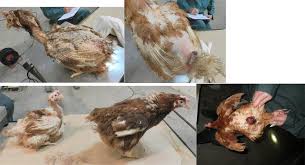
Vent pecking is one of the most serious behavioral problems facing commercial layer operations today. It occurs when hens repeatedly peck at the vent area of other birds, causing wounds, infections, and in severe cases, death. The behavior not only threatens the welfare of individual birds but also leads to real economic losses for poultry producers through reduced productivity, increased mortality, and the cost of managing injured birds.
Unlike some poultry problems that have a single, identifiable cause, vent pecking is the result of multiple factors working together. Environmental stress, poor nutrition, genetics, social disruption, inadequate lighting, and weak management practices all play a role. This makes it harder to address but also means there are several entry points for prevention if you know what to look for.
Environmental stress is one of the most common triggers. Hens raised in high-density housing often lack the space to express natural behaviors like foraging, dust bathing, and socializing. When these needs go unmet, frustration builds and aggression follows. That aggression frequently targets the vent area, which is visible and accessible in a crowded flock.
Nutritional deficiencies are another major driver. A hen that is not getting enough protein may begin pecking at the flesh of her flockmates as an alternative protein source. Imbalances in calcium, phosphorus, and other key nutrients can also affect behavior by compromising bone health and increasing stress levels. Genetics adds another layer of complexity, as some commercial breeds selected for high egg output may carry traits that make them more prone to stress and aggressive behavior.
Social dynamics also matter. Introducing new birds into an established flock disrupts the pecking order and can trigger aggression across the group. Poor lighting, inadequate enrichment, and hands-off management compound these pressures, creating conditions where vent pecking can escalate quickly. Understanding each of these causes in detail is the first step toward building a flock environment where this behavior is far less likely to occur.
1. Understanding the Behavior of Layer Birds
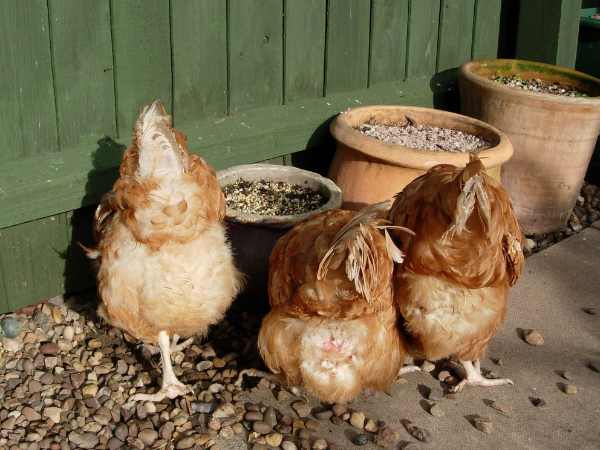
Layer birds exhibit a wide range of natural behaviors shaped by their genetics, environment, and management. Recognizing these behaviors helps producers create better conditions and spot problems early.
A. Natural Behaviors of Layer Hens
i. Social Interaction: Layer birds are social animals that thrive in a flock setting. They establish a pecking order to reduce conflict, but when resources are limited, this hierarchy can break down and lead to aggression. Providing enough space and opportunities for natural interaction is key to maintaining social stability.
ii. Foraging Behavior: Hens naturally scratch and peck to search for food. Enriching their housing with materials like straw, grains, or foraging trays encourages this behavior and helps reduce boredom-driven aggression.
iii. Nest Building: Layer birds instinctively look for secure, comfortable spots to lay their eggs. Providing well-designed nesting boxes reduces stress during laying and supports proper egg production behavior.
iv. Dust Bathing: Dust bathing is a natural hygiene behavior that helps birds maintain their feathers and skin health. Giving hens access to designated dust bathing areas reduces stress and contributes to overall flock wellbeing.
2. Common Causes of Stress in Layer Birds
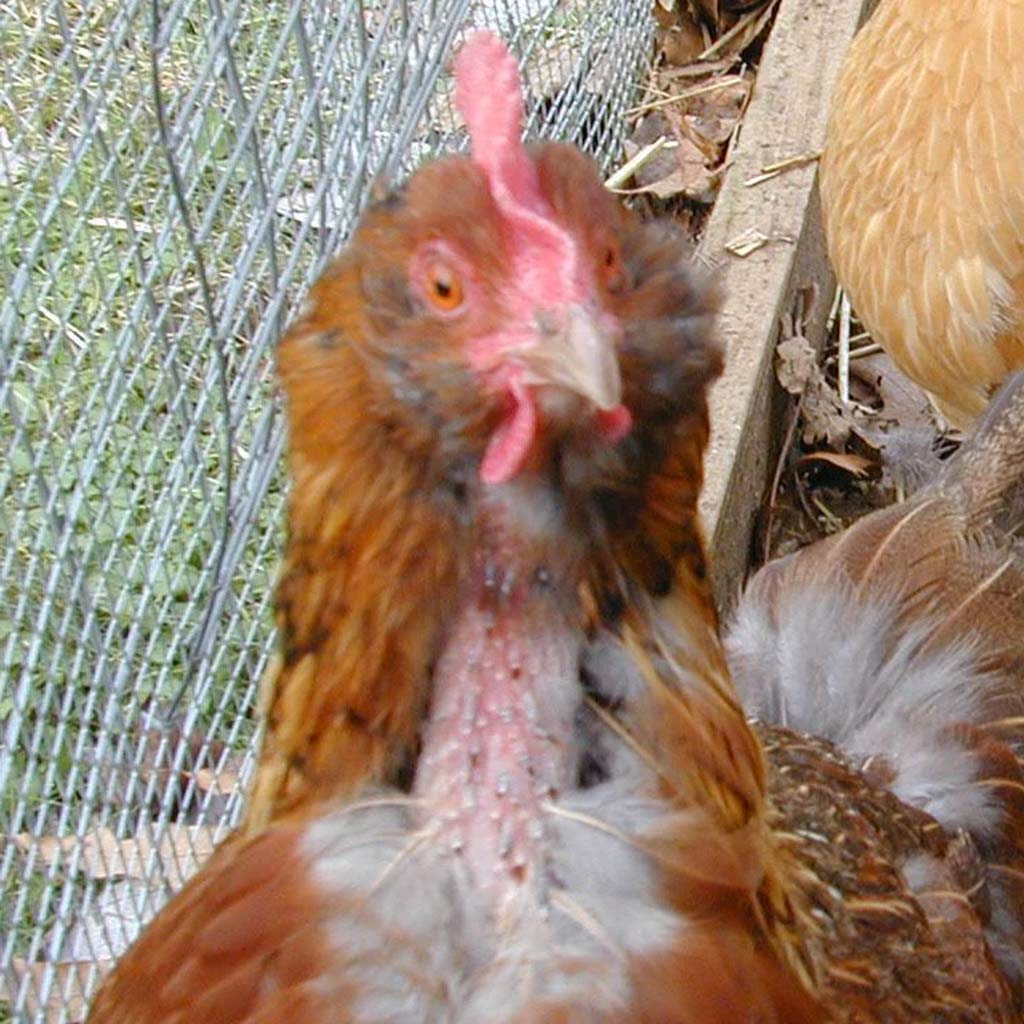
Stress is a major driver of abnormal behavior in layer birds, including vent pecking. Identifying and reducing stress sources is one of the most effective ways to protect flock health.
A. Key Stress Factors
i. Overcrowding: High stocking densities limit access to food, water, and space, increasing competition and aggression. Overcrowded flocks are more likely to develop vent pecking and other harmful behaviors.
ii. Poor Environmental Conditions: Inadequate ventilation, extreme temperatures, and inconsistent lighting all contribute to stress. Birds need a stable, comfortable environment to stay healthy and productive.
iii. Handling and Transportation: Moving birds between housing or during routine management can cause significant stress. Minimizing unnecessary handling and using calm, careful techniques during transport helps reduce the impact.
iv. Predator Threats: Even the perceived presence of a predator can raise stress levels across a flock. Securing housing and eliminating threats from the environment helps keep birds calm and settled.
3. Nutritional Deficiencies and Vent Pecking
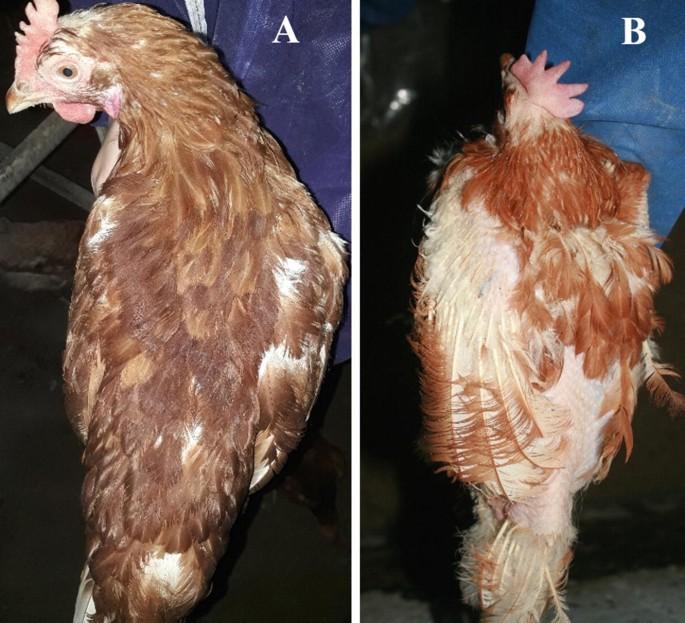
What a bird eats directly affects how it behaves. Nutritional gaps in the diet can trigger stress-related behaviors, and vent pecking is one of the most visible signs that something is missing.
A. How Poor Nutrition Drives Pecking
i. Lack of Protein: When protein levels in the diet are too low, birds may begin pecking at the flesh or feathers of their flockmates in search of an alternative protein source. Ensuring that feed meets the protein requirements for the production stage is essential.
ii. Vitamin and Mineral Deficiencies: Low levels of calcium, phosphorus, and key vitamins affect bone health, feather quality, and overall resilience. Supplementing with the right nutrients helps maintain normal behavior and reduces the likelihood of vent pecking.
iii. Boredom and Stress from Poor Diet: Nutritional deficiencies can cause hens to feel unwell or restless, which feeds into boredom and stress. Pairing a balanced diet with environmental enrichment addresses both the physical and behavioral sides of this problem.
4. The Role of Environment in Pecking Behavior
The physical environment where birds are raised has a direct influence on how they behave. Poor design choices and a lack of stimulation create the conditions where vent pecking is most likely to develop.
A. Environmental Factors That Influence Pecking
i. Space and Housing Design: Tight housing with little room to move forces birds into constant close contact. Providing adequate space per bird and designing the housing to allow separation and movement can significantly reduce aggression.
ii. Enrichment Opportunities: Perches, nesting boxes, foraging materials, and dust baths give birds positive outlets for their energy. A well-enriched environment reduces boredom and shifts birds’ focus away from each other.
iii. Lighting Conditions: The intensity and duration of light in a poultry house affects how birds behave throughout the day. Proper lighting schedules reduce stress, support natural rhythms, and lower the risk of aggressive interactions.
iv. Group Dynamics: Understanding how a flock functions socially is essential. Poorly managed flocks where birds feel threatened or overcrowded are more prone to aggressive pecking. Monitoring behavior regularly and making adjustments when needed helps keep the social environment stable.
Read Also: How to Extract and Package Snail Slime (Snail filtrate) for Commercial Use
5. The Impact of Overcrowding on Layer Birds
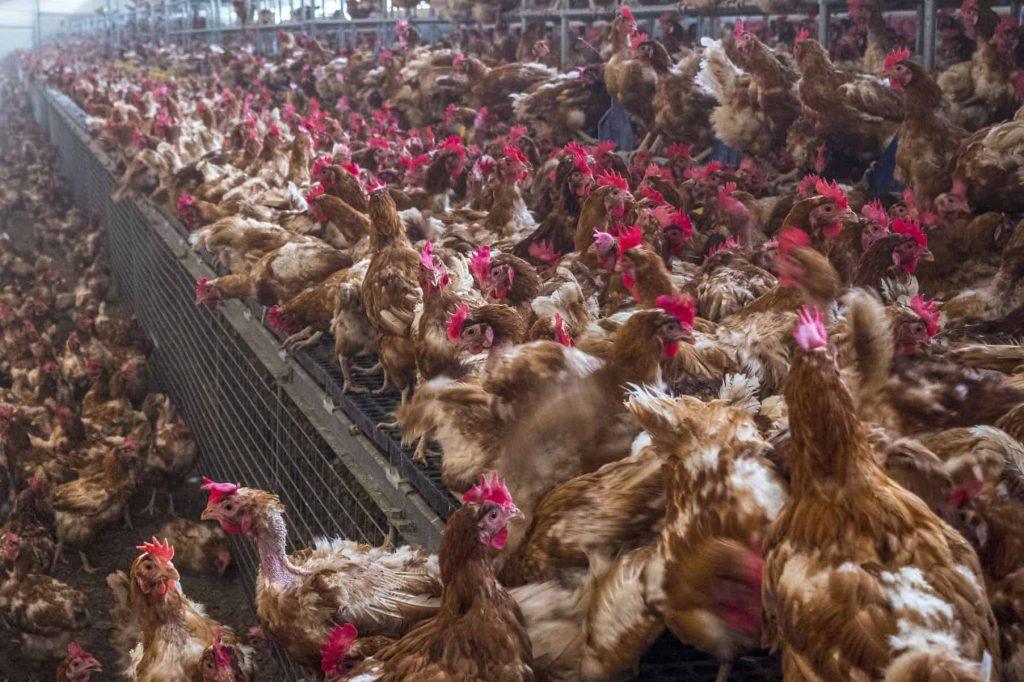
Overcrowding is one of the most preventable causes of vent pecking and other behavioral problems in layer operations. When birds are packed too tightly, nearly every aspect of flock health suffers.
A. Effects of Overcrowding
i. Increased Aggression: Competition for food, water, and space pushes birds into frequent conflict. This competition turns into pecking, chasing, and injury, with the vent area being a common target.
ii. Stress and Anxiety: Birds that cannot escape aggression or find personal space develop chronic stress. This ongoing anxiety affects their immune system, behavior, and overall health in lasting ways.
iii. Reduced Egg Production: Stressed hens lay fewer eggs and may produce lower-quality eggs. The economic impact of overcrowding goes well beyond the cost of treating injured birds.
iv. Health Issues: Close proximity among birds speeds up the spread of disease and parasites. Poor hygiene from accumulated waste in tight spaces makes the problem worse and compounds the health challenges facing the flock.
6. Social Dynamics and Aggression Among Layer Birds
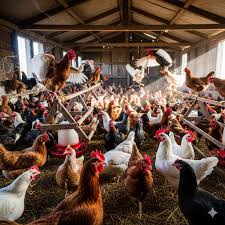
Hens are social animals with complex group behaviors. When these social dynamics break down, aggression can spiral quickly and vent pecking becomes a real risk.
A. Social Factors Behind Aggression
i. Establishing Pecking Order: Every flock develops a social hierarchy. This pecking order naturally reduces daily conflict, but when new birds are introduced or flock composition changes, the hierarchy resets and aggression increases during the transition period.
ii. Aggressive Interactions: Dominant birds assert their rank through pecking, chasing, and intimidation. Subordinate birds that cannot escape these interactions suffer repeated stress, which can lead to feather loss, injury, and in severe cases, cannibalism.
iii. Influence of Environment: A well-designed environment gives birds room to avoid confrontations and engage in natural behaviors. Without that space and stimulation, tension builds and aggression becomes the norm rather than the exception.
iv. Monitoring Behavior: Watching how birds interact gives early warning signs of developing problems. Catching aggression early makes it far easier to manage before it becomes an ingrained flock behavior.
7. Effects of Poor Lighting Conditions
Lighting is often underestimated as a factor in flock behavior, but it plays a major role in the daily rhythms and stress levels of layer hens. Getting it wrong can lead to a cascade of problems.
A. How Poor Lighting Affects Layer Birds
i. Disrupted Circadian Rhythms: Hens rely on consistent light cycles to regulate feeding, resting, and laying behavior. Inconsistent or inadequate lighting throws off these natural rhythms, creating stress and confusion across the flock.
ii. Reduced Egg Production: Light stimulates the reproductive hormones that trigger egg laying. When lighting is dim or irregular, production drops and the economics of the operation take a hit.
iii. Increased Aggression and Stress: Poor visibility creates uncertainty, and that uncertainty drives aggression. Birds that cannot see their surroundings clearly are more likely to react aggressively to movement or contact from flockmates.
iv. Health Issues: Beyond behavior, poor lighting is linked to weakened immune function and greater susceptibility to disease. Birds in low-light environments also tend to show more signs of stress, including feather pecking and other abnormal behaviors.
Read Also: The Health Benefits of Using Accent Seasoning on your Cooking
8. Health Issues Leading to Vent Pecking
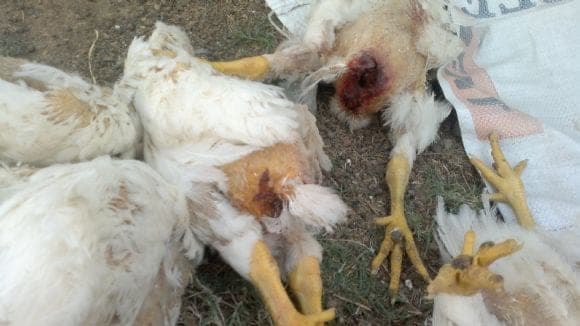
Several underlying health conditions can make birds more prone to vent pecking. Treating the behavior without addressing these root causes rarely works long-term.
A. Health Conditions Linked to Vent Pecking
i. Nutritional Deficiencies: Poor nutrition weakens feather quality, compromises immune health, and increases stress. Birds in poor nutritional condition are more irritable and more likely to engage in or be targeted by aggressive pecking.
ii. Infections and Diseases: Gastrointestinal conditions like coccidiosis and necrotic enteritis cause discomfort and irritation. This discomfort can drive birds to peck at each other, particularly around the vent where the signs of digestive distress may be most visible.
iii. Parasite Infestations: Internal and external parasites like mites and worms cause constant irritation. Infested birds become stressed and weakened, making them both more likely to peck and more likely to be pecked by others.
iv. Stress Factors: Environmental stressors such as overcrowding, poor ventilation, and bad lighting can cause health problems that lower a bird’s threshold for aggressive behavior. A stressed bird is far more likely to resort to harmful pecking than one kept in a well-managed environment.
9. Management Practices to Prevent Vent Pecking
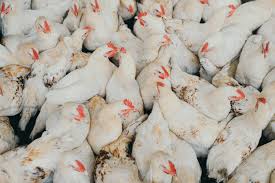
Good management is the most reliable line of defense against vent pecking. Most cases can be prevented or significantly reduced with consistent, attentive care.
A. Effective Prevention Strategies
i. Balanced Nutrition: Providing a complete, well-formulated diet is the foundation of flock health. Regularly reviewing feed formulations and adjusting for the birds’ production stage helps prevent the nutritional gaps that drive abnormal behavior.
ii. Regular Health Monitoring: Routine health checks help catch disease and parasite problems before they escalate. Early diagnosis and treatment reduce the discomfort and stress that often precede vent pecking outbreaks.
iii. Environmental Enrichment: Perches, dust baths, and foraging opportunities give birds constructive outlets for their energy. Enough space to move freely also reduces the competition and frustration that lead to aggression.
iv. Effective Biosecurity Measures: Keeping housing clean, disinfecting equipment regularly, and controlling access to the flock reduces the risk of disease introduction. A healthy flock is a calmer flock.
v. Behavioral Observation: Watching birds regularly and noting changes in behavior allows producers to intervene before a small problem becomes a serious one. Early action is always easier and less costly than managing an established pecking problem.
Summary on Causes of Vent Pecking in Commercial Layer Birds
| Topic | Key Points |
|---|---|
| What is Vent Pecking | Repeated pecking at the vent area of other birds, causing injury, stress, and economic loss |
| Layer Bird Behavior | Natural behaviors include foraging, dust bathing, socializing, and nest building |
| Stress Causes | Overcrowding, poor environment, rough handling, and predator threats |
| Nutritional Factors | Low protein, vitamin and mineral deficiencies trigger aggression and abnormal behaviors |
| Environmental Role | Poor housing design, lack of enrichment, and bad lighting all increase pecking risk |
| Overcrowding Effects | Leads to aggression, stress, reduced egg production, and faster disease spread |
| Social Dynamics | Disrupted pecking order and poor flock management increase aggression |
| Lighting Issues | Poor lighting disrupts rhythms, reduces egg production, and increases aggression |
| Health Triggers | Infections, parasites, and nutritional deficiencies raise vent pecking risk |
| Prevention Strategies | Balanced diet, health monitoring, enrichment, biosecurity, and behavioral observation |
Frequently Asked Questions About Causes of Vent Pecking in Commercial Layer Birds
1. What is vent pecking in layer birds? Vent pecking is a behavioral problem where hens repeatedly peck at the vent area of other birds. It can cause serious wounds, infections, and death if not managed early.
2. What is the main cause of vent pecking? There is no single cause. It is typically the result of a combination of factors including overcrowding, nutritional deficiencies, poor lighting, social disruption, and weak management practices.
3. Can nutritional deficiencies really cause vent pecking? Yes. A diet low in protein is one of the most common triggers. Birds may peck at the flesh or feathers of flockmates to compensate for missing nutrients, particularly around the vent area where skin is exposed.
4. How does overcrowding contribute to vent pecking? Overcrowding increases competition for food, water, and space. This competition drives aggression, and vent pecking often develops as a result of birds being unable to escape conflict or find personal space.
5. Does lighting affect vent pecking? Yes. Poor or inconsistent lighting disrupts natural rhythms, increases stress, and reduces visibility, all of which can raise aggression levels in a flock and make vent pecking more likely.
6. Can diseases cause vent pecking? Certain gastrointestinal diseases and parasite infestations cause irritation and discomfort, which can trigger pecking behavior. Keeping birds healthy through regular health checks and biosecurity measures helps reduce this risk.
7. How can I prevent vent pecking in my flock? Prevention involves providing a balanced diet, adequate space, environmental enrichment, proper lighting, regular health monitoring, and good biosecurity. Addressing multiple factors at once is more effective than targeting just one.
8. Is vent pecking the same as feather pecking? They are related but not the same. Feather pecking targets feathers anywhere on the body, while vent pecking specifically targets the vent area. Both behaviors share similar causes and can occur in the same flock.
9. What role does genetics play in vent pecking? Some commercial layer breeds selected for high egg production may carry traits linked to increased stress and aggression. Breeding for calmer temperaments can help reduce the genetic predisposition toward vent pecking.
10. What should I do if vent pecking has already started in my flock? Separate injured birds immediately to prevent further harm. Review and address the likely causes such as nutrition, space, enrichment, and lighting. Consider beak trimming as a short-term measure, but focus on correcting the root causes for lasting results.
Do you have any questions, suggestions, or contributions? If so, please feel free to use the comment box below to share your thoughts. We also encourage you to kindly share this information with others who might benefit from it. Since we can’t reach everyone at once, we truly appreciate your help in spreading the word. Thank you very much for your support and for sharing!
Read Also: A Child’s Guide to Castle Grayskall Toys: The Perfect Gift for Your Little Knight or Princess