


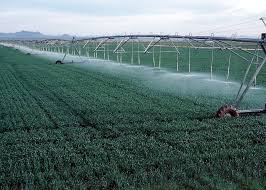
Channel processes reflected in river morphology include erosion, transportation, and sedimentation. These natural actions are key in shaping drainage basins, which directly influence agricultural land formation and water flow patterns.
Erosion dominates the upper reach of a drainage basin, leading to the formation of valleys made up of channels and slopes. The materials transported downstream are referred to as sediment load.
This sediment originates from the weathering of rocks along slopes and is carried by the river through four main means: traction, saltation, suspension, and solution.
As the river’s gradient and discharge reduce or water becomes shallow, these materials are deposited to form fertile alluvial plains that are beneficial to crop production.
River morphology is interpreted through channel patterns and forms. It is influenced by several factors including discharge, water surface slope, velocity, depth, width of the channel, and river bed materials.
These factors affect river behavior, which in turn determines the physical environment available for farming.
Read Also: Sheep gene insights could help farmers breed healthier animals
Main Channel Processes and Their Effect on Agriculture
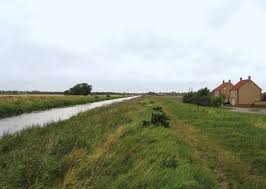
The primary functions of a river are erosion, transportation, and deposition. The process that dominates at any given time depends on the energy of the river, which is governed by the velocity of flow and discharge volume.
These processes affect sediment distribution and land shaping, both of which are critical in agricultural productivity.
Erosion: A Natural Force Shaping Agricultural Land
Erosion results from hydraulic action powered by flowing water. Gravel and other materials moved by water scour the river channel, dislodging sediment from the bed.
This activity widens and deepens the river, a process described as lateral and deepening erosion respectively. Where deepening erosion prevails, canyons may form; while lateral erosion results in wide, flat-bottomed channels ideal for future floodplains.
In mountain areas, valleys become deep through both erosion and long-term weathering. Weathered rocks on slopes break down into fine materials that move downslope due to gravity and rainfall, accumulating at the valley bottom.
These materials are later washed downstream by river flow, gradually extending the valley and retreating the upper slopes. This action provides a steady supply of mineral-rich materials to lower lands, contributing to the soil quality required for agriculture.
Transportation: A Process of Distributing Agricultural Soils
When river velocity increases, the ability of the river to carry sediment also increases. River sediment is sourced mainly from:
i. Material washed down from valley sides
ii. Material eroded from the riverbed and banks
The river transports its load in four main ways:
i. Traction: Large rocks roll or slide along the riverbed, especially during high discharge.
ii. Saltation: Small stones bounce or leap along the bed. This occurs in fast-moving water and can trigger other particles to move in a similar pattern.
iii. Suspension: Fine sand and silt particles are carried within the river current. This form of transport usually makes up the bulk of the river’s sediment load and is responsible for the brown color often seen in rivers.
iv. Solution: Dissolved minerals are transported within the water itself, especially under turbulent, fast-flowing conditions.
These transport mechanisms help carry sediment from the upper to lower parts of the basin, enriching downstream soils that are used for farming.
Read Also: 17 Medicinal Health Benefits Of Mucuna pruriens (Monkey Tamarind)
Sedimentation: Creating Fertile Farmlands from River Deposits
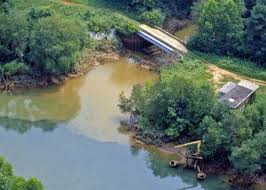
Sedimentation occurs when a river drops the materials it has been carrying due to a loss in energy. This energy loss happens when rainfall decreases, evaporation increases, or the river becomes shallow or slows down due to friction near the banks. It also occurs when the river meets the sea.
As the river slows, heavier particles settle first, while lighter particles are carried further. This results in the formation of alluvial plains, which are very fertile and ideal for crop production.
In the upper part of the plain, gravel forms alluvial fans, while in the lower and wetter areas behind natural levees, clayey deposits are found.
Conditions that promote sedimentation include:
i. A reduction in the river gradient
ii. Decrease in water discharge
iii. Shallow water presence
iv. An increase in the size of sediment load
v. River flooding and overtopping of banks
These sediment deposits contribute to the natural creation of arable lands and improve the texture and fertility of agricultural soils.
River Morphology and Its Influence on Agricultural Land Use
River morphology, which is the form and structure of a river channel, plays a critical role in land classification and use for agriculture. It is shaped by the interaction of several factors including discharge, slope, velocity, depth, width, and bed materials.
These elements are closely linked and affect the way rivers form floodplains, create natural irrigation paths, and distribute sediments across farming landscapes.
Understanding these processes helps in planning sustainable land use, controlling soil erosion, and maximizing agricultural productivity in areas influenced by river systems.
Do you have any questions, suggestions, or contributions? If so, please feel free to use the comment box below to share your thoughts. We also encourage you to kindly share this information with others who might benefit from it. Since we can’t reach everyone at once, we truly appreciate your help in spreading the word. Thank you so much for your support and for sharing!