


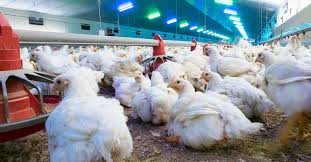
Vaccinating every chick that comes out of a hatchery is harder than it sounds. Standard spray vaccination methods miss some birds entirely, leaving them unprotected against intestinal diseases from the very start of their lives. Scientists working on this problem have developed a more reliable solution, one that chicks are happy to consume on their own.
Coccidiosis is one of the most common and costly diseases in poultry farming worldwide. It is caused by tiny single-celled parasites belonging to the genus Eimeria, which live and multiply in the intestinal tract of birds. The damage they cause prevents birds from properly digesting feed and absorbing nutrients. Infected birds shed oocysts in their droppings. Once in litter, soil, feed, or water, these oocysts transform into infectious forms. As chickens peck around in their environment, they ingest these oocysts and become infected. The result is slower weight gain, stunted growth, and in severe cases, death.
The financial impact is enormous. Coccidiosis costs an estimated $350 million annually in the United States alone, and more than $3 billion per year worldwide. For years, outbreaks were managed primarily through medicated feed containing anticoccidial drugs. But as the parasite has developed increasing resistance to these drugs, the focus has shifted toward vaccines as a more sustainable solution.
Read Also: Poultry Farming and Adverse Season as a Stressor
1. Gelatin Bead Vaccines Are Better
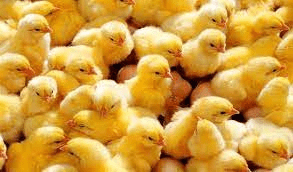
Scientists at the Agricultural Research Service’s Henry A. Wallace Beltsville Agricultural Research Center in Maryland, collaborating with researchers at the Southwest Research Institute in San Antonio, Texas, have developed a new vaccine delivery system that addresses the limitations of spray vaccination. The system uses low doses of live Eimeria oocysts encased inside small gelatin beads that chicks readily eat on their own.
A. The Problem with Standard Spray Vaccination
In the standard industry vaccination method, approximately 100 chicks at a time are placed in a tray. As the tray moves, a light sensor detects it and activates the release of a vaccine spray above the birds. A harmless red dye in the spray identifies which birds have been vaccinated. Chicks inhale or ingest the vaccine, which triggers protection against the disease.
The problem with this method is inconsistency. Microbiologist Mark Jenkins, who studied the delivery method, found that some chicks were receiving large amounts of the vaccine while others received none at all. Birds that missed the spray were left vulnerable to acute coccidiosis and the associated secondary infection known as necrotic enteritis.
B. How Gelatin Beads Solve the Problem
Scientists explored gelatin beads as an alternative. They tested different formulations, sizes, and colors before settling on red and green beads approximately 2 millimeters in diameter, roughly the same size as the feed grains given to young chicks. The size and color were chosen deliberately to attract the birds’ attention and encourage them to peck at and consume the beads naturally.
A key technical challenge was keeping the beads from drying out in the hot conditions of a poultry house, where temperatures can exceed 90°F. When the beads dry out, they harden and chicks will not eat them. The formulation needed to retain enough moisture to keep the Eimeria oocysts inside the beads alive and active, and to keep the beads soft enough for chicks to consume. The research team, led by SwRI’s microencapsulation manager Joseph Persyn, developed a formulation that successfully met this requirement.
Read Also: Steps to Combat Heat Stress in Poultry Birds
2. Beads for Broilers

After seeing positive results in layer chicks, Jenkins and his colleague Ray Fetterer evaluated the gelatin bead vaccine specifically in broilers, which are raised for meat production and represent a large portion of global poultry output.
The study compared three groups of day-old broiler chicks. The first group was fed gelatin beads containing the vaccine. The second group was vaccinated using a hand-held sprayer. The third was a control group that received no vaccination. All groups were then exposed to an Eimeria challenge infection to test how well each vaccination method protected the birds.
The results were clear. Chicks that ate the gelatin beads had vaccine uptake levels between 10 and 100 times greater than those in the spray-vaccinated group. Birds that consumed the beads also showed higher and more uniform protection against coccidiosis compared to the spray group. The consistency of protection across individual birds was a significant improvement over the spray method, where some birds received much more vaccine than others.
The behavioral response of the broilers to the beads was also notable. When placed in a cage with the gelatin beads, the chicks immediately ran over and began eating them, requiring no additional effort to encourage uptake.
Summary on Chickens Open Wide for Gelatin Bead Vaccines

| Topic | Key Points |
|---|---|
| What is Coccidiosis | A common poultry disease caused by Eimeria parasites that damage the intestinal tract, reducing nutrient absorption and causing slow growth and death. |
| Financial Impact | $350 million annually in the US, over $3 billion worldwide each year. |
| Traditional Control | Medicated feed with anticoccidial drugs, now less effective due to growing parasite resistance. |
| Problem with Spray Vaccination | Inconsistent uptake. Some chicks get too much vaccine, others get none at all, leaving them unprotected. |
| Gelatin Bead Solution | Live Eimeria oocysts encased in small, moist, colored gelatin beads that chicks eat voluntarily like feed grains. |
| Bead Specifications | Red or green, approximately 2 mm in diameter, formulated to retain moisture and stay soft in hot poultry house conditions. |
| Results in Broilers | Vaccine uptake 10 to 100 times higher than spray method. Higher and more uniform protection across all birds. |
| Key Researchers | Mark Jenkins and Ray Fetterer at BARC, collaborating with Joseph Persyn at Southwest Research Institute. |
Frequently Asked Questions About Gelatin Bead Vaccines for Poultry
1. What is coccidiosis and why is it such a serious problem in poultry farming?
Coccidiosis is a parasitic intestinal disease caused by single-celled organisms of the genus Eimeria. The parasites multiply in the intestinal tract, causing tissue damage that prevents birds from properly digesting feed and absorbing nutrients. Infected birds grow more slowly, lose weight, and can die in severe cases. The disease costs over $3 billion globally each year, making it one of the most economically damaging conditions in the poultry industry.
2. How did the traditional spray vaccination method work and what were its limitations?
In standard spray vaccination, chicks were placed on a tray that moved through a spray system. A sensor detected the tray and triggered the release of vaccine spray above the birds. A red dye marked vaccinated birds. The main limitation was inconsistency. Some chicks received large doses while others received none, leaving unvaccinated birds vulnerable to coccidiosis and secondary infections like necrotic enteritis.
3. What is a gelatin bead vaccine and how does it work?
A gelatin bead vaccine is a delivery system where live Eimeria oocysts are encased inside small, soft, colored gelatin beads. Chicks eat the beads voluntarily because they resemble feed grains in size and are brightly colored to attract attention. As the beads are digested, the oocysts are released and stimulate the immune system to build protection against coccidiosis.
4. Why were the beads made to be red or green and 2 millimeters in size?
The beads were designed to resemble the feed grains given to young chicks in size and appearance. At approximately 2 millimeters in diameter, they are easy for chicks to peck at and swallow. The red and green colors were chosen to attract the birds’ natural curiosity and encourage them to eat the beads without any additional effort from farm staff.
5. What was the biggest technical challenge in developing the gelatin bead vaccine?
The main challenge was preventing the beads from drying out in the hot conditions of a poultry house, where temperatures can exceed 90°F. When beads dry out, they harden and chicks will not eat them. The oocysts inside also need moisture to remain active. The research team developed a formulation that kept the beads soft, moist, and effective even in high-temperature environments.
6. How much better was vaccine uptake with gelatin beads compared to spray vaccination?
In trials with day-old broiler chicks, those fed gelatin beads had vaccine uptake levels between 10 and 100 times greater than birds vaccinated by spray. The bead-vaccinated birds also showed higher and more uniform protection against a subsequent Eimeria challenge infection, meaning more birds were consistently protected compared to the spray group.
7. Was the gelatin bead vaccine tested in both layer and broiler chicks?
Yes. The vaccine was first tested in chicks from egg-layer hens and showed positive results. Researchers then evaluated it specifically in broilers and found similarly strong results. The broilers showed an immediate and enthusiastic response, running to eat the beads as soon as they were placed in the cage.
8. Why is uniform vaccine uptake across all birds important?
If some birds receive a vaccine and others do not, the unvaccinated birds remain fully susceptible to disease. In a densely housed flock, even a small number of unprotected birds can become infected, shed infectious oocysts, and spread the disease to the rest of the flock. Uniform protection across all birds is essential for effective disease control at the flock level.
9. Is the gelatin bead system expected to replace spray vaccination entirely?
Research into the gelatin bead system is ongoing. The results so far are promising and address one of the most significant weaknesses of current spray methods. Whether it replaces spray vaccination or is used alongside it as a supplementary method depends on further development, field trials, and cost assessments. The primary goal is to ensure that no chick leaves the hatchery without adequate protection.
10. How does coccidiosis relate to necrotic enteritis in poultry?
Coccidiosis damages the lining of the intestinal tract, which creates conditions favorable for a secondary bacterial infection called necrotic enteritis, caused by Clostridium perfringens. Birds weakened by coccidiosis are much more susceptible to this bacterial disease. Effectively preventing coccidiosis through reliable vaccination therefore also reduces the risk of necrotic enteritis, which is another serious and costly poultry disease.
Do you have any questions, suggestions, or contributions? If so, please feel free to use the comment box below to share your thoughts. We also encourage you to kindly share this information with others who might benefit from it. Since we can’t reach everyone at once, we truly appreciate your help in spreading the word. Thank you very much for your support and for sharing!
Read Also: Effect of Tropical Climate on Animal Parasites, Vectors and Diseases