


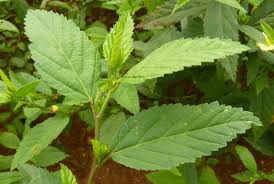
Cider acuta plant, commonly known as the “Indian Tea” or “Malabar Tea,” is a fascinating tropical shrub native to the Indian subcontinent. Belonging to the family of Cyperaceae, this plant is particularly appreciated for its unique qualities and versatility.
Cider acuta thrives in warm, humid environments, making it well-suited to regions with rich biodiversity, such as the Western Ghats in India. This plant is often found in grasslands and along forest edges, where it contributes to the local ecosystem by providing habitat and food for various wildlife species.
One of the remarkable features of the cider acuta plant is its distinctive foliage. The leaves are long, slender, and have a sharp point, which gives the plant its name “acuta,” derived from the Latin word meaning “sharp.”
These leaves have a rich green color and can grow up to several feet in length. The plant typically reaches a height of 1 to 2 meters, and its growth habit can vary from bushy to upright, depending on environmental conditions. The stems are sturdy, supporting the long leaves and enabling the plant to withstand strong winds, which is beneficial in its native habitat.
Cider acuta is not only valued for its aesthetic appeal but also for its practical applications. The leaves can be used to make a flavorful herbal tea, which is gaining popularity for its health benefits. This tea is rich in antioxidants and has been associated with various health-promoting properties, such as aiding digestion and boosting the immune system.
Additionally, the plant has been traditionally used in folk medicine for treating various ailments, although scientific research is still needed to fully understand its medicinal properties.
In addition to its culinary and medicinal uses, cider acuta plays a role in sustainable agriculture. The plant is known to thrive in poor soil conditions, making it an excellent choice for erosion control and land rehabilitation.
Its deep root system helps stabilize the soil, preventing erosion and promoting water retention. Farmers often plant cider acuta in areas that have suffered from soil degradation, allowing it to restore the soil health over time.
The environmental benefits of cider acuta are complemented by its potential for commercial use. As demand for herbal teas and natural remedies continues to grow globally, cider acuta could emerge as a valuable crop for farmers looking to diversify their income sources.
Sustainable harvesting practices can ensure that this plant remains a viable resource for local communities while also contributing to conservation efforts in its native habitat.
The cider acuta plant is a remarkable species with a wide range of uses and benefits. Its adaptability to various environments, coupled with its aesthetic and practical applications, makes it an intriguing subject for further study and exploration.
As interest in sustainable agriculture and natural remedies increases, cider acuta has the potential to play a significant role in promoting both environmental health and human well-being. The future of this plant looks promising, as it continues to capture the attention of researchers, farmers, and herbal enthusiasts alike.
Classification of Cider Acuta Plant

The Cider Acuta plant, scientifically known as Cider acuta, belongs to the family Cucurbitaceae. This family is commonly known as the gourd or squash family, which includes various important crops. The plant is categorized under the following classification:
1. Kingdom: Plantae
2. Clade: Angiosperms
3. Clade: Eudicots
4. Clade: Asterids
5. Order: Cucurbitales
6. Family: Cucurbitaceae
7. Genus: Cider
8. Species: Cider acuta
This classification highlights its relationship with other plants in the Cucurbitaceae family, which includes popular fruits like cucumbers, pumpkins, and melons.
Native Habitat of Cider Acuta Plant
The Cider Acuta plant is native to various regions, predominantly found in:
1. Tropical and Subtropical Regions: The plant thrives in warm climates, typically found in tropical and subtropical areas where temperatures are consistent and conducive for growth.
2. Rainforests and Moist Forests: It often grows in humid environments, such as rainforests, where it can access ample moisture and indirect sunlight.
3. Well-Drained Soils: The plant prefers well-drained soils that are rich in organic matter, allowing for optimal growth and nutrient absorption.
Understanding its native habitat is crucial for replicating the conditions necessary for successful cultivation.
Physical Characteristics of Cider Acuta Plant
The Cider Acuta plant has several notable physical characteristics:
1. Height and Structure: The plant typically grows as a vine, reaching heights of 2 to 3 meters (approximately 6 to 10 feet). Its climbing nature allows it to cover trellises or other structures for support.
2. Leaves: The leaves are broad, heart-shaped, and have a rich green color. They may exhibit lobed margins, providing a characteristic look that distinguishes the plant.
3. Flowers: Cider Acuta produces small, yellow or pale green flowers, which are usually unisexual, meaning some flowers are male and others are female. Successful pollination is essential for fruit development.
4. Fruit: The fruit is typically elongated, with a smooth skin that may vary in color from green to yellow. It contains seeds that are dispersed to propagate the plant.
5. Root System: The root system is fibrous and helps anchor the plant while also facilitating nutrient and water absorption.
These physical characteristics play a significant role in the plant’s adaptation to its environment and its reproductive success.
Read Also: Roots and Tuber Crops: Types, Cultivation, and Uses
Growth Conditions and Requirements

For optimal growth, the Cider Acuta plant requires specific conditions:
1. Temperature: The ideal temperature range for growth is between 20°C to 30°C (68°F to 86°F). It is sensitive to frost and should be protected from extreme cold.
2. Light: Cider Acuta thrives in full sunlight but can tolerate partial shade. Adequate sunlight is necessary for photosynthesis and overall plant vigor.
3. Soil: The plant prefers well-drained, loamy soils rich in organic matter. Soil pH should be slightly acidic to neutral (pH 6.0 to 7.5) for optimal nutrient availability.
4. Watering: Consistent moisture is crucial, especially during the growing season. However, the plant is susceptible to root rot, so overwatering should be avoided. A regular watering schedule that allows the soil to dry slightly between waterings is ideal.
5. Fertilization: Fertilizing with a balanced fertilizer can enhance growth. Organic amendments, such as compost or well-rotted manure, can also provide essential nutrients.
6. Pest and Disease Management: Regular monitoring for pests and diseases is important. Implementing integrated pest management practices can help keep the plant healthy.
Propagation Methods of Cider Acuta Plant
Propagation of the Cider Acuta plant can be achieved through various methods, each with its advantages.
1. Seed Propagation: One of the most common methods for propagating Cider Acuta is through seeds. Seeds should be collected from mature fruits and cleaned to remove any pulp. Afterward, they can be sown in well-draining soil, preferably in a controlled environment, until they germinate. This method takes longer but can lead to genetic diversity.
2. Cuttings: Taking cuttings from healthy, mature plants is another effective propagation method. The best time to take cuttings is during the growing season. Choose semi-hardwood cuttings, remove the lower leaves, and place them in a growth medium with good drainage. Rooting hormones can be applied to increase success rates.
3. Layering: Layering involves bending a branch to the ground and covering part of it with soil while keeping the tip exposed. Roots will develop at the buried section, and once established, the new plant can be severed from the parent. This method is particularly useful for maintaining specific traits of the parent plant.
4. Division: For mature Cider Acuta plants, division is a viable propagation technique. This method involves carefully separating the plant into smaller sections, each with its root system, and replanting them. This is typically done during the dormant season to minimize stress on the plant.
Read Also: Economic Importance of Maize Production
Care and Maintenance of Cider Acuta Plant

Proper care and maintenance of the Cider Acuta plant are essential for healthy growth and productivity.
1. Soil Requirements: Cider Acuta prefers well-draining, fertile soil rich in organic matter. Regularly testing the soil pH and nutrient levels can help determine any amendments needed to promote optimal growth.
2. Watering: Consistent watering is crucial, especially during the establishment phase. The soil should be kept moist but not waterlogged. Once established, Cider Acuta can tolerate some drought but benefits from regular watering during dry periods.
3. Fertilization: Applying a balanced fertilizer during the growing season can support healthy growth. Organic options, such as compost or well-rotted manure, can enhance soil fertility without the risk of over-fertilization.
4. Pruning: Regular pruning helps maintain the shape and health of the Cider Acuta plant. Removing dead or damaged branches promotes better airflow and light penetration, reducing the risk of disease.
Common Pests and Diseases
Understanding common pests and diseases that affect the Cider Acuta plant can aid in effective management.
1. Aphids: These small, sap-sucking insects can weaken the plant by feeding on its juices. Regular monitoring and the use of insecticidal soap or natural predators, like ladybugs, can help control their populations.
2. Mealybugs: Mealybugs can also infest the Cider Acuta, leading to yellowing leaves and stunted growth. Manual removal with a cotton swab dipped in alcohol or systemic insecticides can effectively manage these pests.
3. Fungal Diseases: Fungal infections, such as powdery mildew and root rot, can occur under humid conditions or poor drainage. Ensuring proper airflow, avoiding overhead watering, and using fungicides when necessary can help prevent these issues.
4. Leaf Spot: This disease presents as dark spots on leaves, which can lead to defoliation if not addressed. Proper sanitation, avoiding overhead watering, and applying fungicides can help manage and prevent leaf spot diseases.
Cider Acuta Plant: Uses and Benefits
The Cider Acuta plant offers various uses and benefits, making it a valuable addition to gardens and agriculture.
1. Culinary Uses: The Cider Acuta plant is known for its edible leaves and young shoots, which can be incorporated into various dishes. These parts are often used in salads, soups, and stews, adding a unique flavor and nutritional value. The plant is also utilized in traditional cooking in some cultures, where its leaves are used for wrapping foods, similar to how grape leaves are used.
2. Medicinal Properties: The Cider Acuta plant has been used in traditional medicine for its potential health benefits. It is believed to possess anti-inflammatory, antioxidant, and antimicrobial properties. Infusions made from the leaves or extracts from the plant may be used to support digestive health, boost immunity, and promote overall well-being.
3. Soil Improvement: Growing the Cider Acuta plant can benefit the soil due to its ability to fix nitrogen. This contributes to improving soil fertility, making it a valuable addition to crop rotation and intercropping systems.
4. Aesthetic Appeal: In addition to its culinary and medicinal uses, the Cider Acuta plant is appreciated for its ornamental value. Its lush foliage and attractive appearance can enhance the aesthetic appeal of gardens and landscapes.
Culinary Applications
Cider Acuta can be used in various culinary applications, providing both flavor and nutritional benefits.
1. Salads: The tender leaves of the Cider Acuta plant can be washed and added to salads, offering a fresh and slightly tangy flavor. Mixing them with other greens can create a nutritious salad base.
2. Soups and Stews: The leaves and shoots can be cooked and added to soups and stews, imparting flavor and nutrients. They can be used similarly to spinach or other leafy greens.
3. Herbal Teas: Infusing the leaves in hot water creates herbal teas known for their health benefits. This preparation method allows the beneficial properties of the plant to be extracted and enjoyed.
4. Wraps and Stuffed Dishes: The large leaves can be used as wraps for various fillings, similar to cabbage or grape leaves. They can be filled with rice, meats, or vegetables and then cooked, creating flavorful dishes.l
Do you have any questions, suggestions, or contributions? If so, please feel free to use the comment box below to share your thoughts. We also encourage you to kindly share this information with others who might benefit from it. Since we can’t reach everyone at once, we truly appreciate your help in spreading the word. Thank you so much for your support and for sharing!
Read Also: Low-Maintenance Plants for Beginners
Frequently Asked Questions
We will update this section soon.