


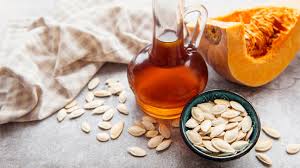
Oil-bearing crops or oil crops include both annual (usually called oil seeds) and perennial plants whose seeds, fruits or mesocarp and nuts are valued mainly for the edible or industrial oils that are extracted from them.
The animal feed industry productively utilizes the co-products associated with the refining of oilseeds into higher value food materials.
In addition, by serving as an outlet for such by- products, the animal production industry prevents their introduction into the environment in what might be wastes
Oil Seed Usage
The proteins in oilseeds can be fed either as part of the oil-intact seed, or as a meal from which the oil has been removed. A relatively small proportion of oilseed production is fed to animals as the whole seed. There are both economic and nutritional reasons why this is the case.
The biological availability of minerals in plant sources, such as oilseeds, are generally low, especially true for P. Depending upon the specific oilseed involved, and the type of animal being fed, special considerations must be addressed when feeding whole oilseeds.
One consideration is the presence of naturally occurring toxic compounds such as the gossypol pigment present in cottonseed. While whole cottonseed should not be fed to non- ruminant animals, it can be fed to ruminants when appropriate limits are employed.
🌿 Go Organic on Your Farm: Instead of harmful chemical pesticides and fertilisers, try our organic farming products — including neem oil spray, bio-pesticides, natural plant treatments, organic seeds and seedlings, suckers, and many more organic products that are safe for your health, your family, your soil and your harvest. Shop Now →
Rapeseed contains erucic acid as well as glucosinolates, which are goitrogenic compounds. Oilseed and products derived from such cultivars are referred to as Canola. Soybeans contain anti-nutritional factors which must be denatured through some form of heat treatment prior to feeding to non-ruminant animals.
Due to their high oil content, oilseeds tend to be relatively high in nutritional energy. This can be an advantage in feed formulations which require ingredients that provide higher levels of energy. However, energy also serves as a “cap” on the usage of whole oilseeds.
Another nutritional consideration is the fatty acid profile of the oil. The impact of feeding unsaturated fats on various non-ruminant animal carcass characteristics is a concern in many production situations.
However, the major consideration in the feeding of whole oilseeds is economic. Historically, the oil from oilseeds is greater when it is made available to the human food market than when it is retained in the whole seed and fed as a source of energy in animal feeds.
🔧 Free Farm Tool Available: Use our free Agric4Profits Farm Tools to calculate your farm profits, formulate feeds, identify pests and diseases on both your crops and animal farms, plan your planting and harvesting season, including many more farm tasks to get free expert advice and recommendations — completely free, no registration required. Access Free Tools →
As a result, the vast majority of oilseed is processed into oil and meal. Soybean meal for example accounts for 75 percent of all protein used in compounded livestock rations worldwide.
Only 5-6 percent of the world production of oil crops is used for seed (oilseeds) and animal feed, while about 8 percent is used for food. The remaining 86 percent is processed into oil. The fat content of oil crops varies widely.
Fat content ranges from as low as 10-15 percent of the weight of coconuts to over 50 percent of the weight of sesame seeds and palm kernels. Carbohydrates, mainly polysaccharides, range from 15 to 30 percent in the oilseeds, but are generally lower in other oil- bearing crops.
The protein content is very high in soybeans, at up to 40 percent, but is much lower in many other oilseeds, at 15-25 percent, and is lower still in some other oil-bearing crops.
Products Derived From Oil Crops
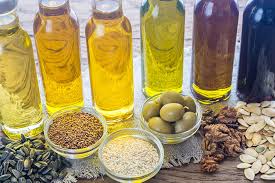
Edible processed products from oil crops, other than oil, include flour, flakes or grits, groundnut preparations (butter, salted nuts, candy), preserved olives, desiccated coconut and fermented and non-fermented soya products.
💬 Have a Farming Question? Join thousands of farmers across Africa on the Agric4Profits Community — ask questions, share experiences and connect with agricultural experts. It is completely free. Ask Your Question Now →
Example of Oil seeds include; Soybeans, Coconuts, Oil Palm Fruit, Olives, Karite Nuts, Castor Beans, Sunflower Seed, Rapeseed, Tiger Nuts, Safflower Seed, Sesame Seed, Mustard Seed, Melon seed, Tallow tree Seeds , Kapok Fruit, Linseed, Hempseed, Cottonseed, Peanut, Sunflower Seed, Copra, Palm Kernel.
In terms of gross production, soyabeans are the dominant oilseed crop. More tonnes of soybeans are produced globally than all other major oilseeds combined.
Oil seed Cakes and Meals
Oilseed cakes and meals are the residues remaining after removal of the greater part of the oil from oilseeds. The residues are rich in protein and most are valuable feeds for livestock.
According to the method of processing, the cakes are classified into; Ghani pressed, Expeller pressed and Solvent extracted.
Of these, ghani pressed cakes contain the maximum amount of ether extract, while solvent extracted contain traces of oil. Conversely the protein content is higher in solvent extracted cakes and lowest in the ghani cakes.
Oilseed cakes are in general very good sources of protein and about 95% of the nitrogen is present as true protein. Vegetable proteins are generally poorer compared to animal proteins.
Proteins of oil cakes have a low glutamic acid, cystine, methionine and variable but low lysine content.
The meals usually have a high phosphorus content which tends to aggravate their low calcium content. They may provide good amount of B vitamins but are poorer sources of carotene and vitamin A.
Oil Seed Processing
Processing considerations do have a direct impact on the nutritional value of oilseed meals. Some positive, others negative. As an example, the primary anti- nutritional factors in soybean meal need to be deactivated by the proper use of heat.
📖 Want to Go Deeper on This Topic?
Our expert agricultural ebooks cover poultry, fish farming, different crops production, snail farming, organic farming, mushrooms, sheep, cattle, flowers, pig farming, goat farming, agribusiness, etc. in practical step-by-step detail — written by agricultural professionals for African farmers.
Browse All Farming Ebooks →The high temperature and pressures of the expeller process may result in a lowering of digestibility and in denaturation of the protein with a consequent lowering of its nutritive value. The high temperature and pressure also reduces most of the deleterious substances which might be present in oilcakes such as gossypol and goitrin.
Some seeds such as groundnut, cottonseed and sunflower have a thick coat or husk rich in fibre, and of low digestibility which lowers the nutritive value of the material. It may be completely removed by cracking and riddling a process known as decortication. In its simplest form, oilseed processing is involved with the separation of oil from non-oil constituents.
The major focus of oilseed processing has been the extraction of high quality oil. The meal and other co-products were typically regarded as by-products and thus of lesser interest. Over the course of time, market pressures have required an increasing focus on meal quality.
When soybean meal is evaluated and compared with canola and sunflower meals in the context of those amino acids which tend to be most limiting, it is, with the exception of its sulphur bearing amino acids, typically superior.
In general, soybean meal also tends to be higher in energy than the other protein meals. This is of particular importance in feeding situations where higher nutrient densities are desirable.
Factors to Consider In Oil seed Meals
Amino acid availability: The above values are on the basis of total levels present. In reality, not all of the protein that is present can be digested and thus beneficially utilized by an animal.
Protein availability varies with native protein characteristics as well as processing induced changes.
Toxic and antnutritional factors: As mentioned, certain whole oilseeds contain toxic and/or ant nutritional factors. The presence of these compounds in the meal must be evaluated and considered.
Functional considerations: Physical characteristics can be an issue in certain applications, such as when the feed is to be pelleted. In this situation, nutritional considerations may be outweighed by inappropriate levels of fibre and fat, which limit its practical use in certain applications.
Palatability of an ingredient or lack thereof, is also a factor.
Wholesomeness: Meals should be free of mycotoxins and other harmful materials.
In addition, the residual oil in a meal should not be rancid.
Read Also : Mustard Seeds (Brassica nigra): Health Benefits, Facts, and Side Effects
Consistency: An important assumption in modern feed formulation is that the nutritionist can accurately describe the nutritional characteristics of the ingredients used. When an ingredient is subject to wide fluctuations in composition, it greatly complicates the process and ultimately adds cost.
Examples of Oil seed Cakes and Meal include the following; Cake of Soya Beans, Cake of Groundnuts, Cake of Coconuts, Cake of Palm Kernels, Cake of Sunflower Seed, Cake of Rapeseed, Cake of Safflower, Cake of Sesame Seed, Cake of Mustard, Flour of Mustard, Cake of Cotton Seed , Cake of Linseed, castor seed meal, Soya Beans meal.
| Cotton seed cake | 893 | 320 | 120 | 220 | 64 | 273 |
| Linseed cake | 918 | 347 | 97 | 150 | 76 | 330 |
| Noug seed cake | 928 | 303 | 83 | 273 | 113 | 229 |
| Rapeseed cake | 936 | 356 | 93 | 120 | 99 | 333 |
| Soybean seed cake | 953 | 401 | 81 | 66 | 62 | 392 |
| Sesame seed cake | 897 | 328 | 188 | 96 | 91 | 297 |
In summary, Oil seed meals and cakes are importance sources of energy in animal feed. Some of these feed ingredients contain naturally occurring toxic substances and anti-nutritional factors.The use of oilseeds and cake should be with caution despite their high protein content.
In summary, the nutritional quality of oilseeds and that the proteins in oilseeds can be fed either as oil-intact seed, or as meal or as cake. We have also learnt there are factors to consider in using oilseed meal and cake.
Read Also : Fly Ash Complete Management Guide
🌱 Take Your Farming Further With Agric4Profits
Based on what you just read, here are free resources and products from Agric4Profits that can help your farm right now:
- 🛒 Visit Our Marketplace — Organic neem oil, bio-pesticides, seeds and farming products
- 📚 Read Premium Content — Advanced guides for serious and profitable farming
- 🎓 Join Our Free Academy — Structured free training for farmers across Africa
- 🔧 Use Our Free Farm Tools — Profit calculators, feed formulation, pest identifier and more
- 💬 Join Our Farming Community — Connect with farmers across all 54 African countries
- ❓ Ask a Farming Question — Get answers from experienced farmers and agricultural experts
Please cite this content in academic work, research, or publications.